LightSail - Flying to Other Worlds on Sunlight

by The Planetary Society
Play Video
LightSail - Flying to Other Worlds on Sunlight

Project Report | Nov 13, 2015
LightSail Deployer Passes Prox-1Fit Check

By Jason Davis | Digital Editor

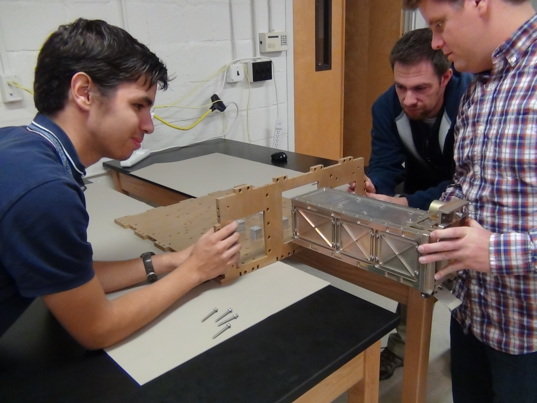
Installing P-POD into Prox-1

Last week, hardware for the Prox-1 and LightSail programs came together for the very first time.

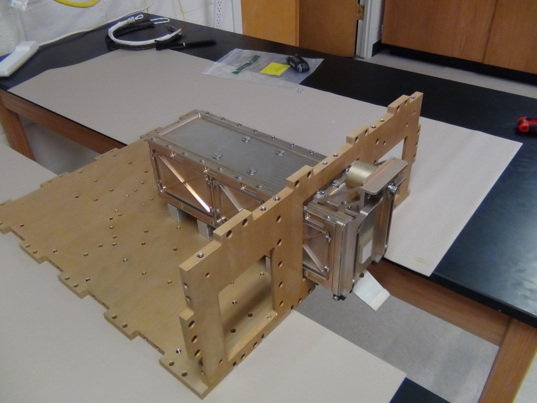
At Georgia Tech in Atlanta, Cal Poly San Luis Obispo engineers loaded a P-POD replica into the partially assembled frame of the Prox-1 spacecraft. The meetup was a fit check to make sure the two pieces of hardware fit together as designed.

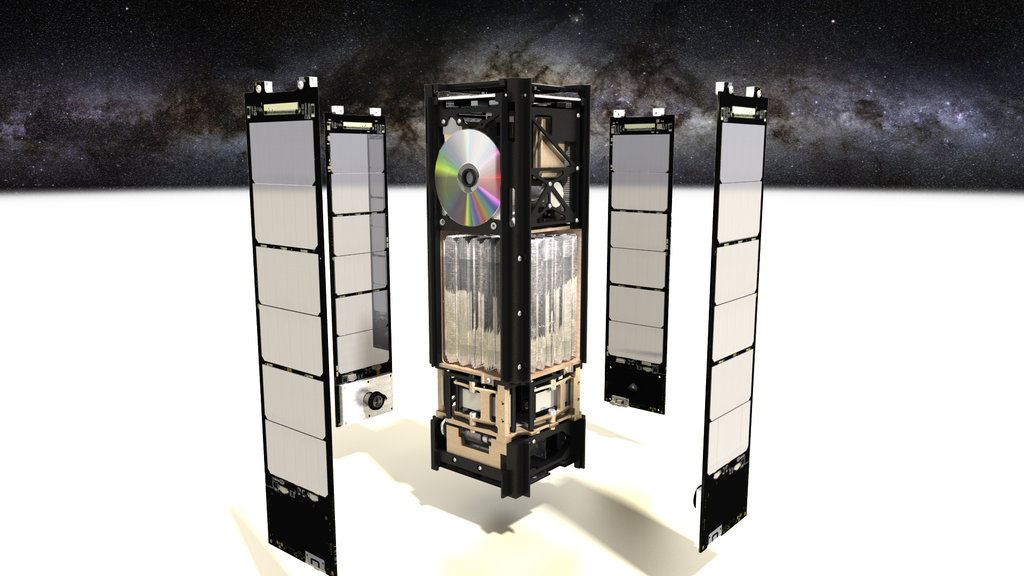
A P-POD, or Poly Picosatellite Orbital Deployer, is a spring-loaded container slightly bigger than a three-unit CubeSat, which measures 10 by 10 by 30 centimeters. When LightSail is ready for flight, it will slide snugly into a P-POD, and the P-POD will be installed in Prox-1.

On Oct. 20, Cal Poly engineers and Georgia Tech students successfully installed a model P-POD into the Prox-1 chassis, which has been partially constructed. “It fit beautifully,” said Dave Spencer, Prox-1 principal investigator and mission manager for the LightSail-B mission.

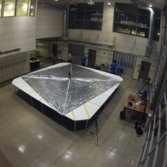
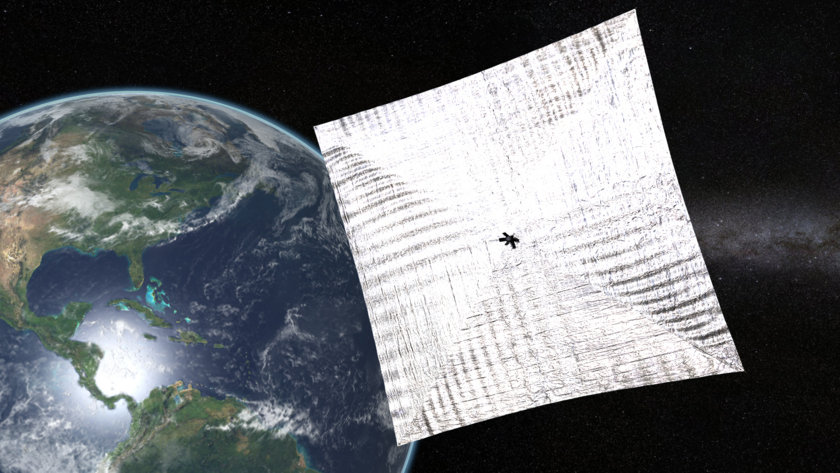
LightSail and Prox-1 will launch to a circular, 720-kilometer orbit aboard a SpaceX Falcon Heavy. Liftoff is currently scheduled for Sept. 15, 2016. After completing an initial checkout, Prox-1 will release LightSail by opening the spacecraft's P-POD door. The pod’s coiled spring will push LightSail into open space. Later, Prox-1 will track LightSail and rendezvous with the CubeSat using visual and thermal imagery, ultimately watching as LightSail deploys its 32-square-meter solar sails.

LightSail B P-POD simulator in Prox-1 structure.
Share on Twitter Share on Facebook

About Project Reports

Project reports on GlobalGiving are posted directly to globalgiving.org by Project Leaders as they are completed, generally every 3-4 months. To protect the integrity of these documents, GlobalGiving does not alter them; therefore you may find some language or formatting issues.

If you donate to this project or have donated to this project, you can receive an email when this project posts a report. You can also subscribe for reports without donating.

Sign up for updates

Organization Information

The Planetary Society

Location: Pasadena, CA - USA
Website:
Facebook: Facebook Page
X / Twitter: Profile
Project Leader:
Richard Chute
Pasadena , CA United States

Funded Project!

Combined with other sources of funding, this project raised enough money to fund the outlined activities and is no longer accepting donations.
   

Still want to help?

Find another project in United States or in Digital Literacy that needs your help.
Find a Project

Learn more about GlobalGiving

Teenage Science Students
Vetting +
Due Diligence

Snorkeler
Our
Impact

Woman Holding a Gift Card
Give
Gift Cards

Young Girl with a Bicycle
GlobalGiving
Guarantee

Get incredible stories, promotions, and matching offers in your inbox

WARNING: Javascript is currently disabled or is not available in your browser. GlobalGiving makes extensive use of Javascript and will not function properly with Javascript disabled. Please enable Javascript and refresh this page.