By Jason Davis | Digital Editor
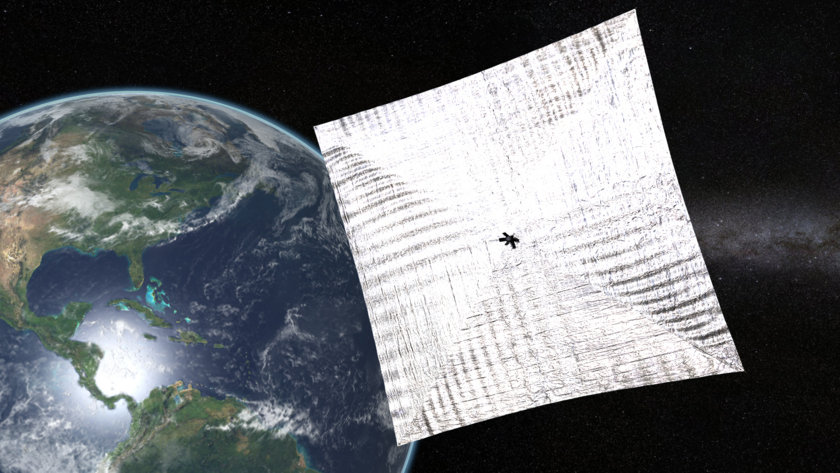
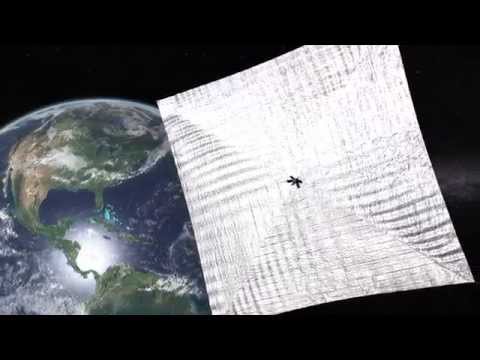
One year after launching into space, The Planetary Society's LightSail 2 spacecraft has completed its primary mission phase and is embarking on an extended mission dedicated to further advancing solar sailing technology.
During the past year, the LightSail 2 mission team has continued to optimize the spacecraft’s performance and report their results to the space science community. The Planetary Society will now operate LightSail 2 under an extended mission phase, making various operational refinements and studying how the spacecraft’s orbit evolves in response.
“We’ve learned a lot about solar sailing over the past year, and LightSail 2 still has a lot to teach us,” said Planetary Society chief scientist and LightSail 2 program manager Bruce Betts. “During our extended mission, we’ll continue making changes to our sail control software, which will help future solar sail missions optimize their performance. We also plan to test using the sail to intentionally generate additional atmospheric drag, which is a way in which future spacecraft could deorbit themselves, cutting down on the ever-growing amount of space debris.”
LightSail 2’s average orbital altitude—now roughly 707 kilometers (439 miles)—is slowly decreasing. Though the spacecraft orbits Earth higher than the International Space Station, the planet’s atmosphere is still thick enough to counteract the thrust gained from solar sailing. Analyses of orbital data show that LightSail 2’s rate of orbital decay is markedly slower in solar sailing mode when the craft actively positions itself to get a push from sunlight. During some time intervals, the spacecraft even gains enough thrust to briefly overcome atmospheric drag and raise its orbit.
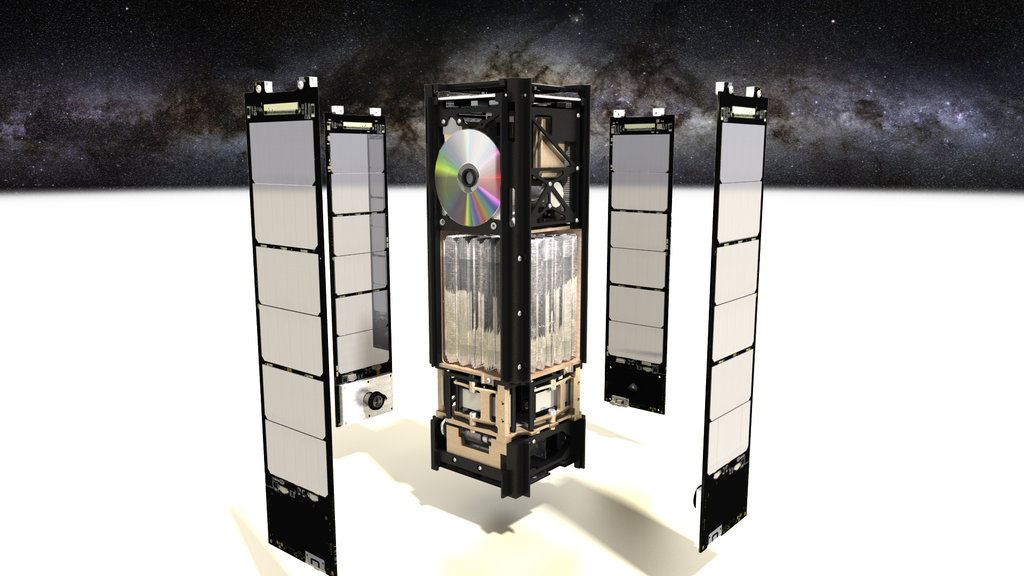
After a year in space, LightSail 2 remains healthy, except for a few minor problems. Images show one of the tape measure-like sail booms has buckled, and analysis of shadows from the spacecraft’s solar panels shows that one panel is not fully deployed. Neither of these issues has greatly impacted LightSail 2’s solar sailing performance, nor have there been major impacts from the ongoing COVID-19 pandemic since team members can operate the spacecraft remotely.
The LightSail 2 extended mission is expected to continue as long as the spacecraft remains healthy, or until its orbit decays and the spacecraft reenters Earth’s atmosphere many months from now.
Links:
Project reports on GlobalGiving are posted directly to globalgiving.org by Project Leaders as they are completed, generally every 3-4 months. To protect the integrity of these documents, GlobalGiving does not alter them; therefore you may find some language or formatting issues.
If you donate to this project or have donated to this project, you can receive an email when this project posts a report. You can also subscribe for reports without donating.