By Jason Davis | Digital Editor
A note from Robin Young, Donor Relations Manager for The Planetary Society:
We know that many of you who donate through Global Giving are also members of The Planetary Society, which means this project belongs to you, every member, backer, and donor who have supported this mission. You have our most profound thanks. Go LightSail 2!
Best,
Robin
LightSail 2 is officially in space!
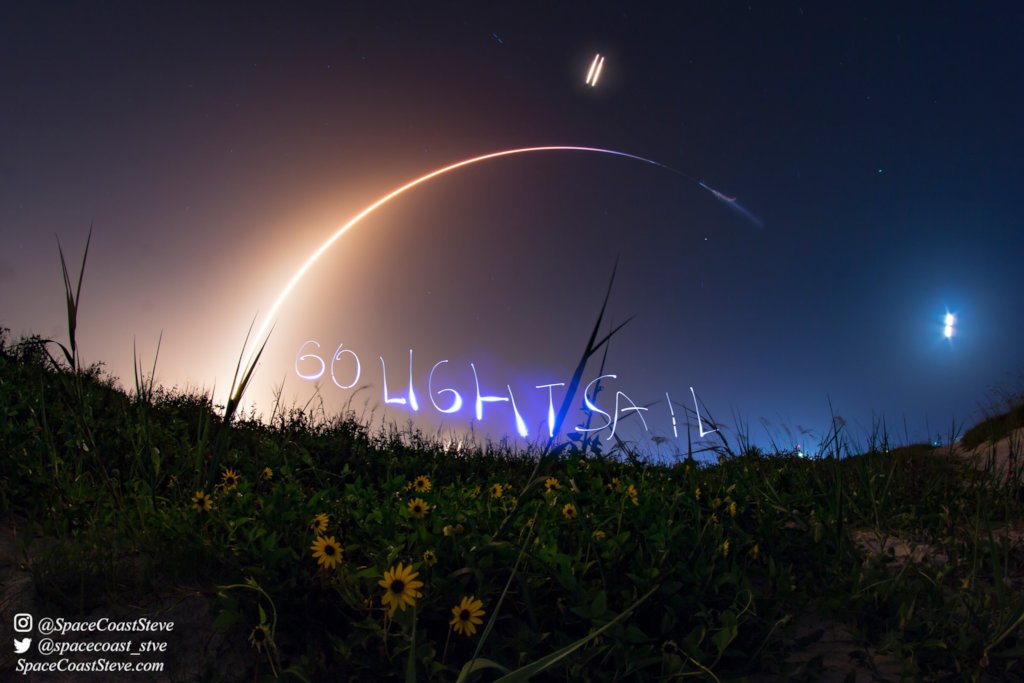
The Planetary Society's solar sail CubeSat lifted off from Kennedy Space Center, Florida on 25 June at 02:30 EDT (06:30 UTC). The late-night launch came courtesy of SpaceX's triple-booster Falcon Heavy rocket, which was carrying 24 spacecraft for the U.S. Air Force's STP-2 mission.
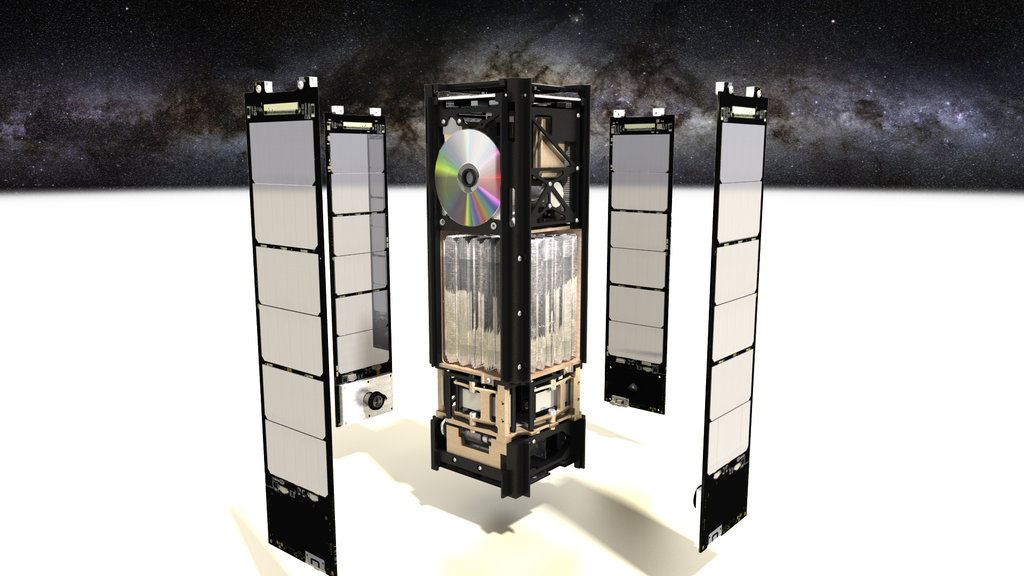
During its ride to orbit, LightSail 2 was tucked safely inside its Prox-1 carrier spacecraft. The Falcon Heavy upper stage's payload stack released Prox-1 about an hour and 20 minutes after liftoff, at an altitude of roughly 720 kilometers. Prox-1 will house LightSail 2 for 1 week, allowing time for other vehicles released into the same orbit to drift apart so each can be identified individually. LightSail 2 deployment is set for 2 July; our first chance to hear from the spacecraft will be that day.
"After that spectacular nighttime launch, the flight team is ready to operate the LightSail 2 spacecraft," said LightSail 2 project manager David Spencer. "We will be listening for the radio signal in a week, following the release of LightSail 2 from Prox-1."
Bruce Betts, Planetary Society chief scientist and LightSail 2 program manager, added, "After years of hard work we are ecstatic with the launch and looking forward to doing some solar sailing."
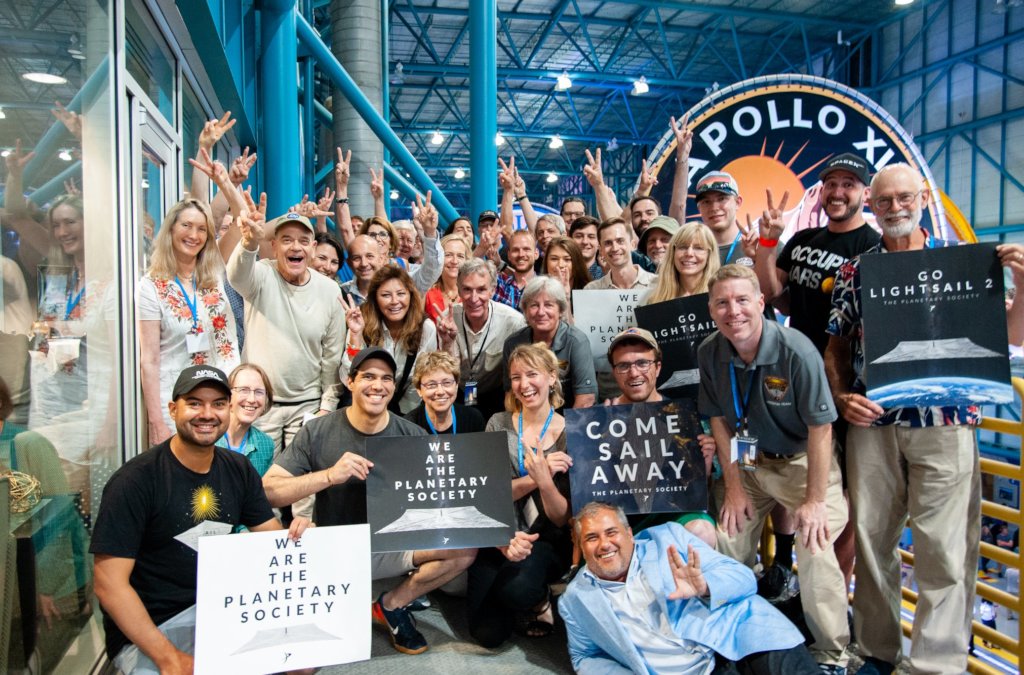
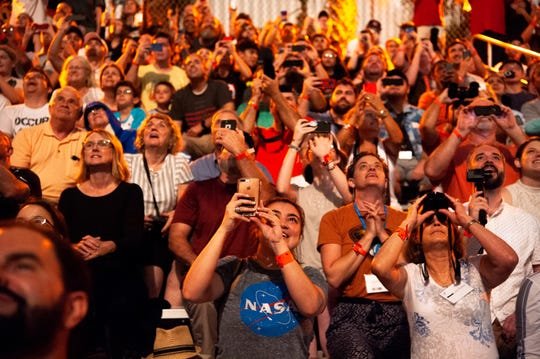
About 500 Planetary Society members and supporters were on hand at the Kennedy Space Center Apollo-Saturn V Center to watch their crowdfunded spacecraft take flight. Sound from the Falcon Heavy's 27 engines rumbled through the viewing area, as the rocket blazed high into the sky before starting its arc out over the Atlantic Ocean. Both of the rocket's side boosters flew back to Cape Canaveral for upright landings, creating sonic booms that delighted the raucous crowd.
SpaceX's live feed from mission control in Hawthorne, California followed the rocket's center booster as it attempted to land on the drone ship Of Course I Still Love You. The booster’s exhaust plume briefly appeared on camera before apparently crashing into the ocean. The landing was not a requirement for mission success.
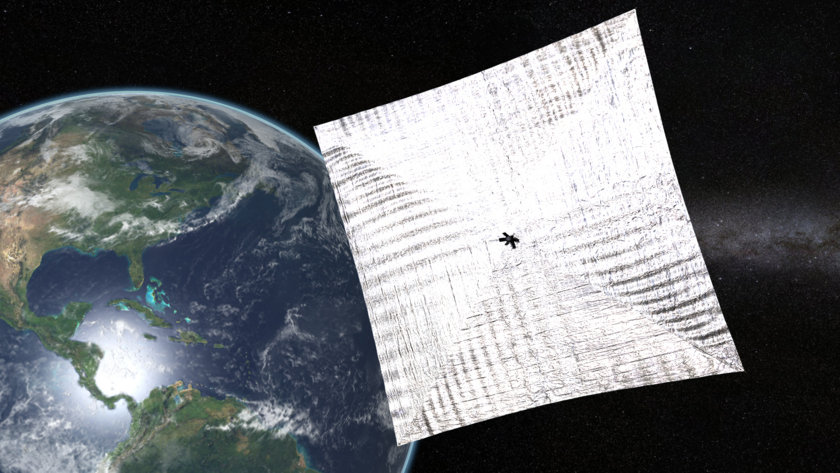
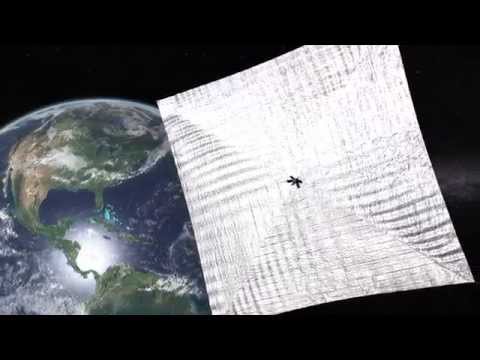
LightSail 2 team members will soon converge at Cal Poly San Luis Obispo in California, where the spacecraft’s mission control is located. Once LightSail 2 is released from Prox-1 on 2 July, the team will spend several days checking out the CubeSat’s systems before commanding its dual-sided solar panels to deploy. Following that, the spacecraft's solar sails will be deployed, roughly 2 weeks in total from launch day
Links:
Project reports on GlobalGiving are posted directly to globalgiving.org by Project Leaders as they are completed, generally every 3-4 months. To protect the integrity of these documents, GlobalGiving does not alter them; therefore you may find some language or formatting issues.
If you donate to this project or have donated to this project, you can receive an email when this project posts a report. You can also subscribe for reports without donating.