By ANA CRISTINA VAZQUEZ CARPIZO | Coordinadora General
Detalles de la organización
Durante muchos años, el estado de Chiapas ha tenido las tasas más altas de pobreza y exclusión en México. El efecto inmediato es la falta de oportunidades de educación y capacitación, así como de oportunidades económicas para los jóvenes indígenas, lo que se ve agravado por la visión a corto plazo que ellos y sus familias tienen de la educación. En consecuencia, la inserción laboral es desventajosa.
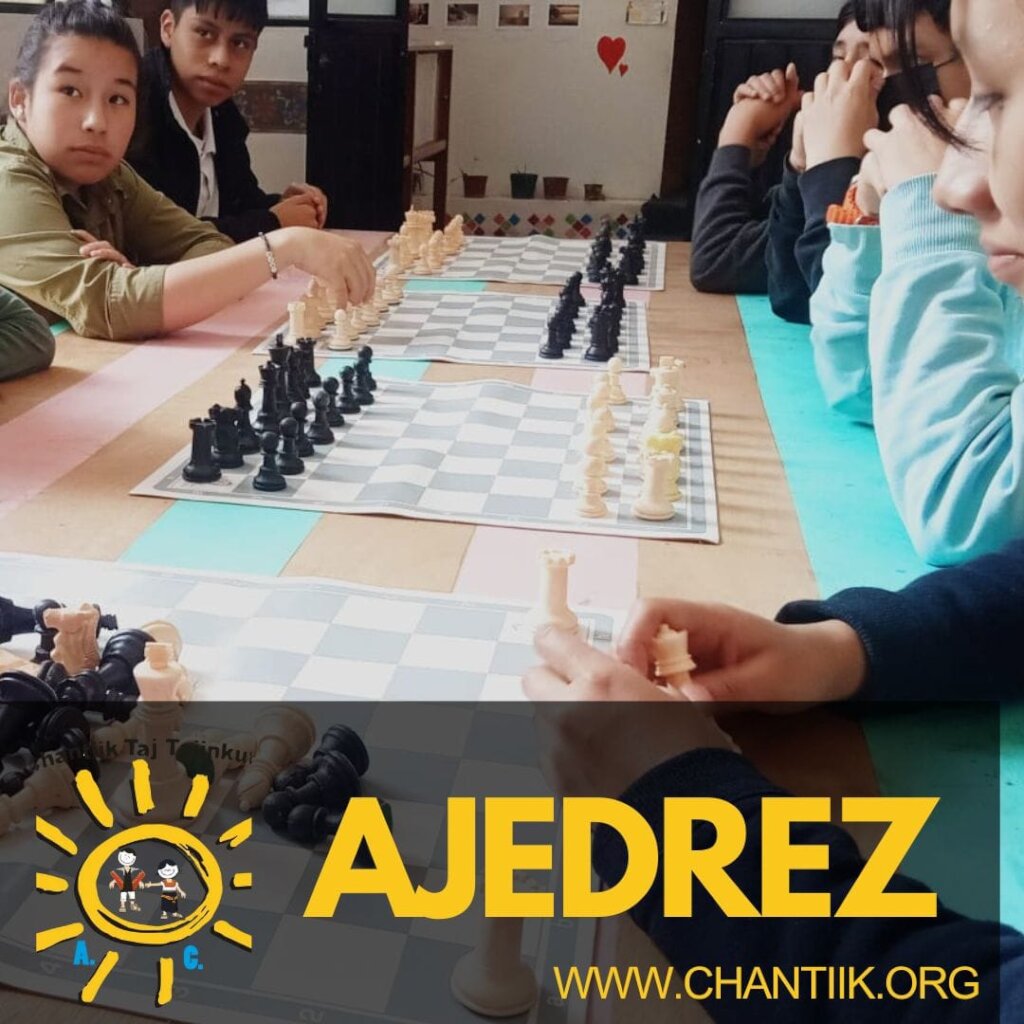
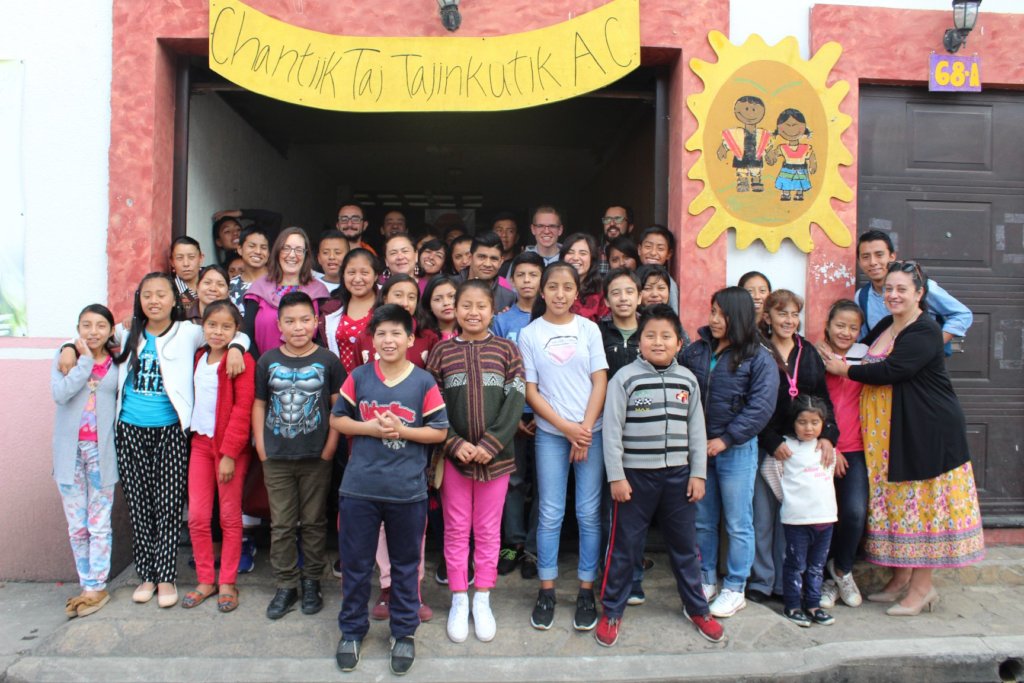
Chantiik Taj Tajinkutik A.C is a no-profit association located in the city of San Cristobal de Las Casas, Chiapas, Mexico. The association is a charity organization working with adolescents at risk of social exclusion, living in situations of vulnerability, social disadvantage, and/or in a context of marginality. The implementing organization is dedicated to provide support and tools to vulnerable groups in society through activities, educational and productive projects to raise their quality of life, their civic awareness and the development of their capacities in a sustainable manner. Chantiik's mission is contributing to the improvement of the quality of life worthy of adolescents and young people, through training in rights and values; help to create a more inclusive social environment and develop educational and productive projects. Many activities of Chantiik focus on empowerment and accompaniment paths that can facilitating the affective-socio-economic inclusion of adolescents and minors mainly from the highlands of Chiapas, who come in search of better living conditions and are often engaged in informal work with very low incomes. Many of them do not have birth certificates, are monolingual, are without school instruction, with poor nutrition and with little access to health services, furthermore many of them are at risk of being victims of human trafficking, domestic violence, drug consumption or transfer and prostitution. Through its activities, Chantiik aims at contributing to the enhancement of theeconomic sustainability and educational opportunities among young indigenous of the region of Chiapas.
Since 2008, Chantiik has faced children and young people discriminations because their indigenous origin. There is great inequality and poverty for indigenous people compared to the non-indigenous. There are three causes to explain it:
1.Migration - In the 70’s political-religious expulsions took place in several municipalities near San Cristobal. The expelled people, all indigenous, settled mainly in the periphery of San Cristobal and built their homes with no services whatsoever. They already have electricity and drinking water today but they still face shortcomings. In the 80 the pressure on the scarce land of the surrounding municipalities brought new indigenous migrants to the city. After the armed uprising of 1994 a new wave of indigenous settlers arrived in conditions of high vulnerability. Finally, the economic crisis of the last decades has caused another migratory process from the poorest municipalities to San Cristobal. In all processes the tendency of historical discrimination from the non-indigenous population towards them continues. Discrimination has the effect of a loss of the cultural identity and community values of indigenous people. This process of blurring their identity and traditions also generates psychological, physical and sexual violence in the family, on the streets and in schools.
2. Age - The patriarchal tradition is adult-centric and excludes young people from vital decisions, without visualizing them as subjects of rights. Therefore public policies and practices take for granted the biological and psychological vulnerability of minors without paying attention that the lack of civil status for this population fosters such vulnerability. This leads to policies and institutions that reproduce paternalistic attitudes of relations of social inequality and educational mechanisms that are not respectful of cultural diversity and plurality. The process causes family breakdown and dysfunction, also affected by media and Internet. By having other sources of information, such as the one generated in the streets and the one coming from technology, parental and maternal authority is weakened. Therefore, young people begin to question the cultural traditions of their parents and, thus, relativize their authority.
3. Economic situation - According to the National Council for the Evaluation of Social Development Policy, Chiapas is the most unequal entity in Mexico. For indigenous families, the situation is more critical: almost 40% of the total indigenous population lives in extreme poverty. The gap between rich and poor is very disadvantageous for them because they experience poverty that affects all aspects of their lives. The immediate effect for indigenous kids is the lack of education and training opportunities. Labour insertion is, therefore, disadvantageous. In this adverse context, during a time of their lives the young people we attend in Chantiik have had the idea that the street teaches everything. Feeling pressed to contribute to the economy of their families, they seek to earn some money selling handicrafts, sweets and piracy in the tourist area and markets of the city. Some more work shining shoes on the streets or are hired as waiters, always in very adverse conditions.
All through 2020 Chantiik has been providing support and tools to this population through educational and productive projects to improve their quality of life and civic awareness, as well as to strengthen their capacities in a sustainable manner. Throughout these months of work in Chantiik, a series of care programmes are been structured consisting of several weekly workshops according to the needs expressed by the beneficiaries themselves. The programs are:
-Empowerment in health and prevention: Strengthening in comprehensive health.
-Empowerment in rights and values: Learning and reflection on values such as solidarity, cooperation, respect, honesty, integrity, dignity.
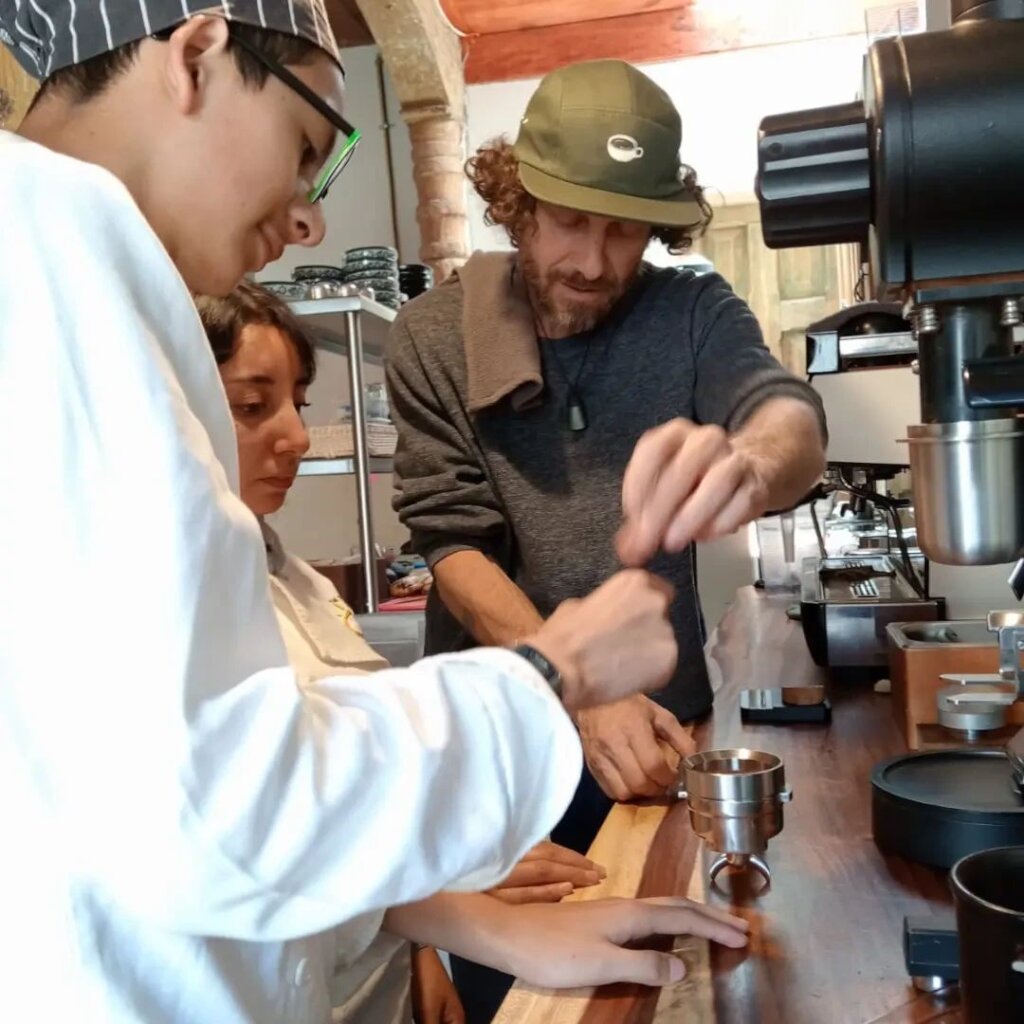
-Empowerment for labour insertion: This program is made up of different workshops all focused on providing tools, so they get better jobs once they enter the job market.
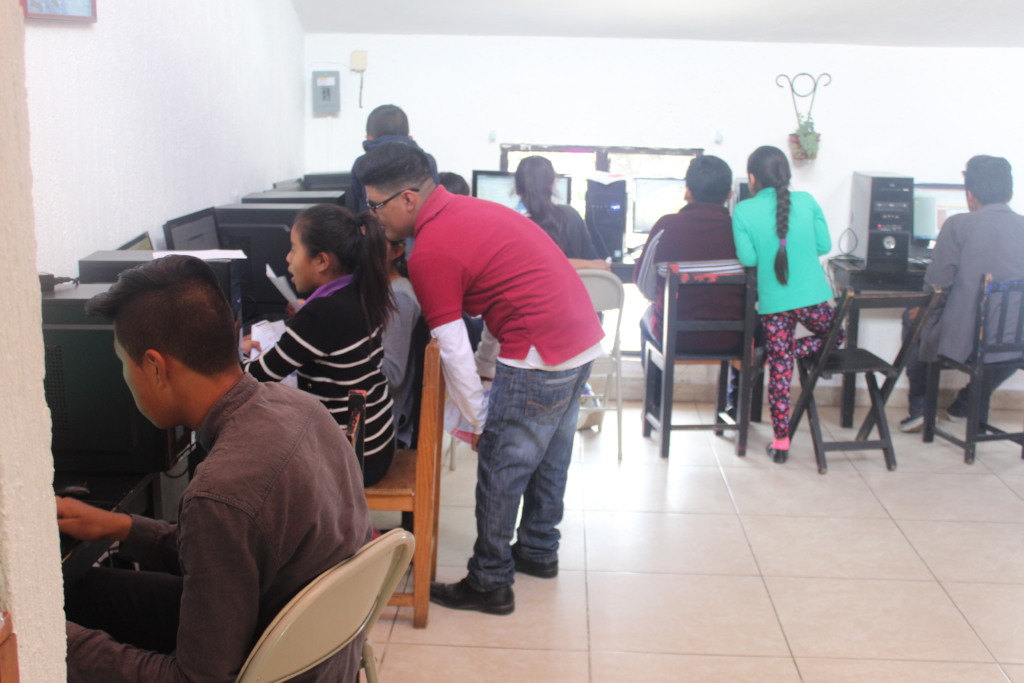
-Empowerment in Information and Communication Technologies: Photography and video workshops.
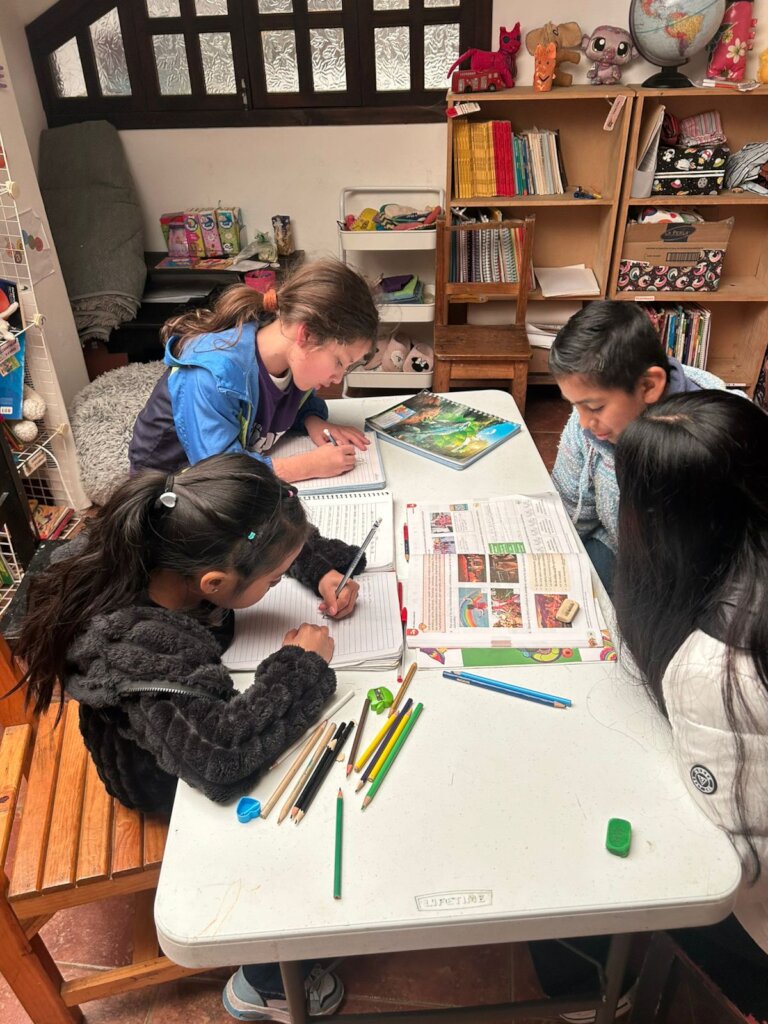
-School reinforcement: Specific support for homework and schoolwork.
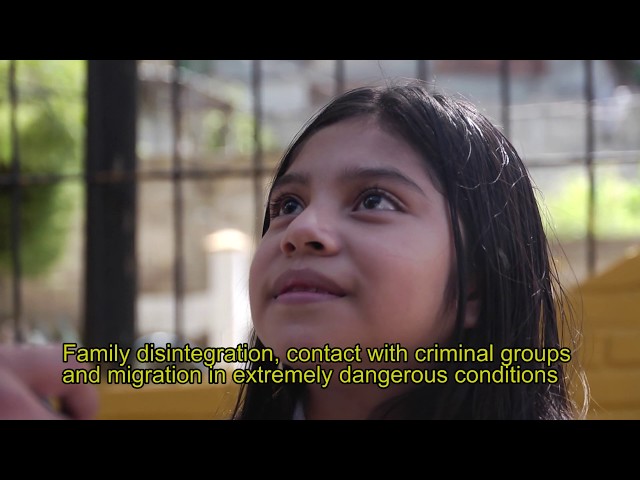
Since most of the beneficiaries have dysfunctional family environments, where intra-family violence is a daily problem, psycho-emotional support is given to all beneficiaries and their families as well.
All these programs are based on comprehensive education as a tool for social transformation: the inculcation of humanistic values, in order to contribute to the construction of healthier and more harmonious communities; learning about human rights, so that each beneficiary can exercise, promote and defend them; staying in school and achieving the best possible academic performance, because no other educational space can replace the school; civic awareness and critical thinking, in order to form citizens with full rights but also willing to fully comply with their responsibilities; healthy and conscious eating, as part of the integrality that our body needs, and the psycho-emotional well-being of the beneficiaries and their families. To achieve this:
* All beneficiaries receive a monthly scholarship to guarantee their stay in school.
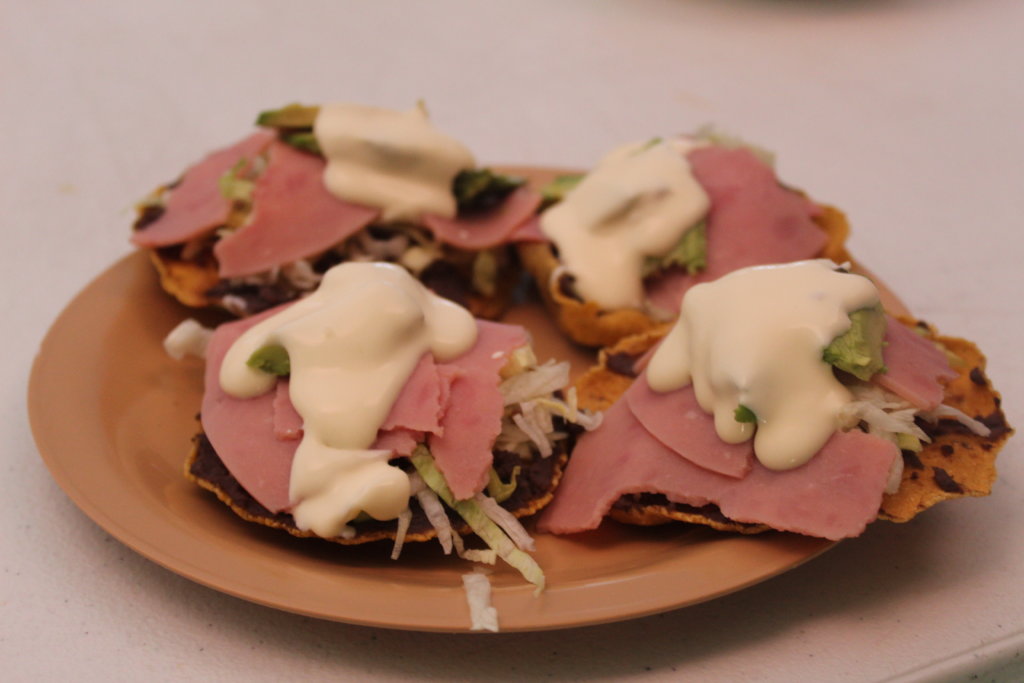
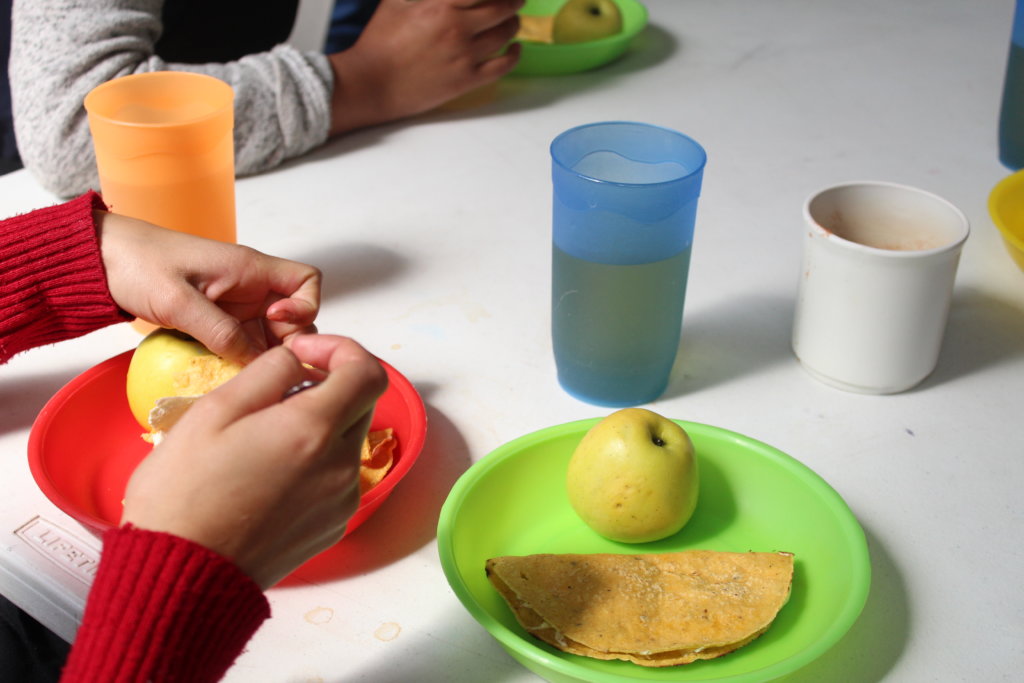
* The beneficiaries receive a nutritious snack every morning when they attend the workshops.
* Upon entering Chantiik, each beneficiary is evaluated to diagnose their psycho-emotional state. From there, they receive the necessary therapeutic support, which can be extended to their family.
* Former beneficiaries of Chantiik can always come to the institution for support. The objective is to make the association a positive reference for the beneficiaries and former beneficiaries to whom they can turn when they need it.
Vulnerable Needs and Rights
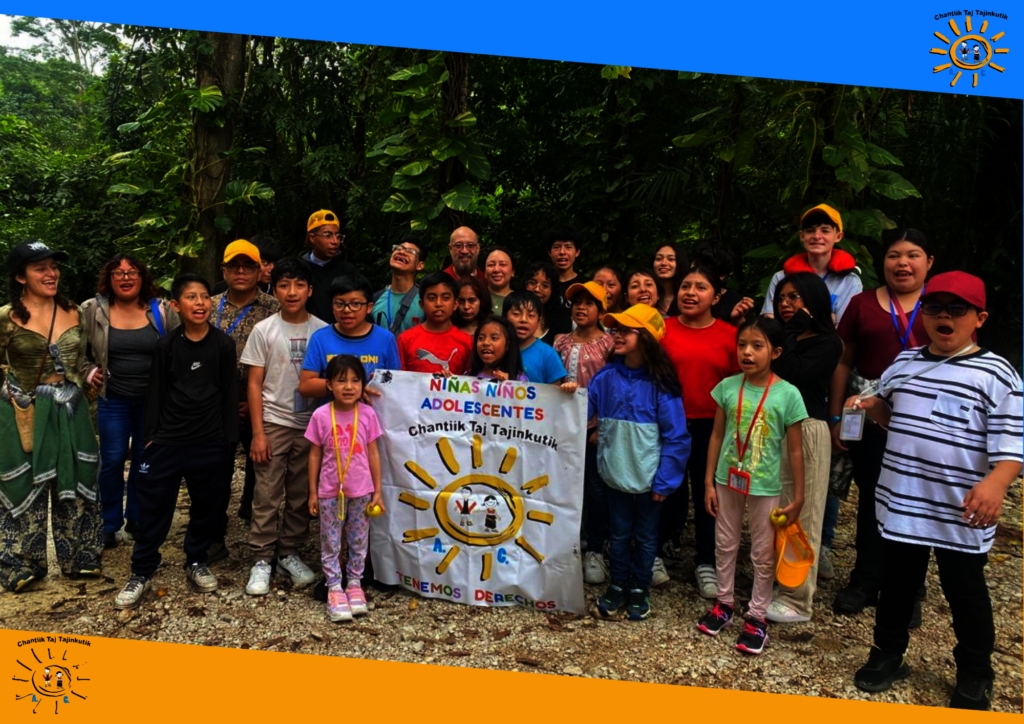
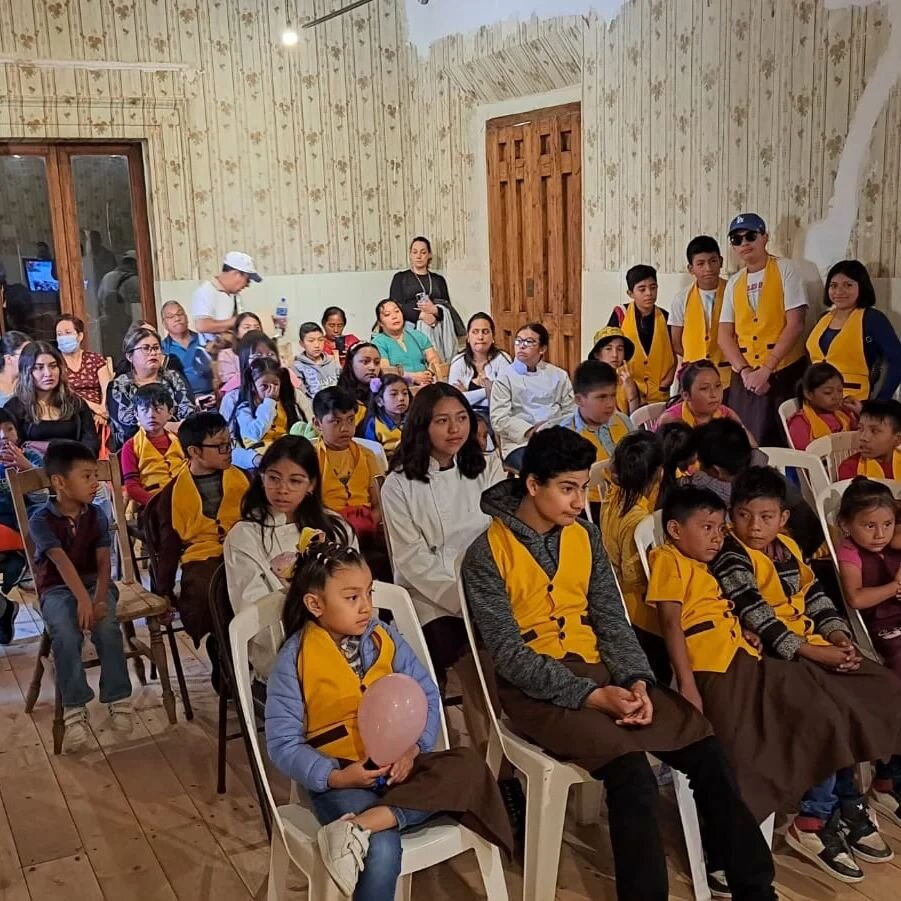
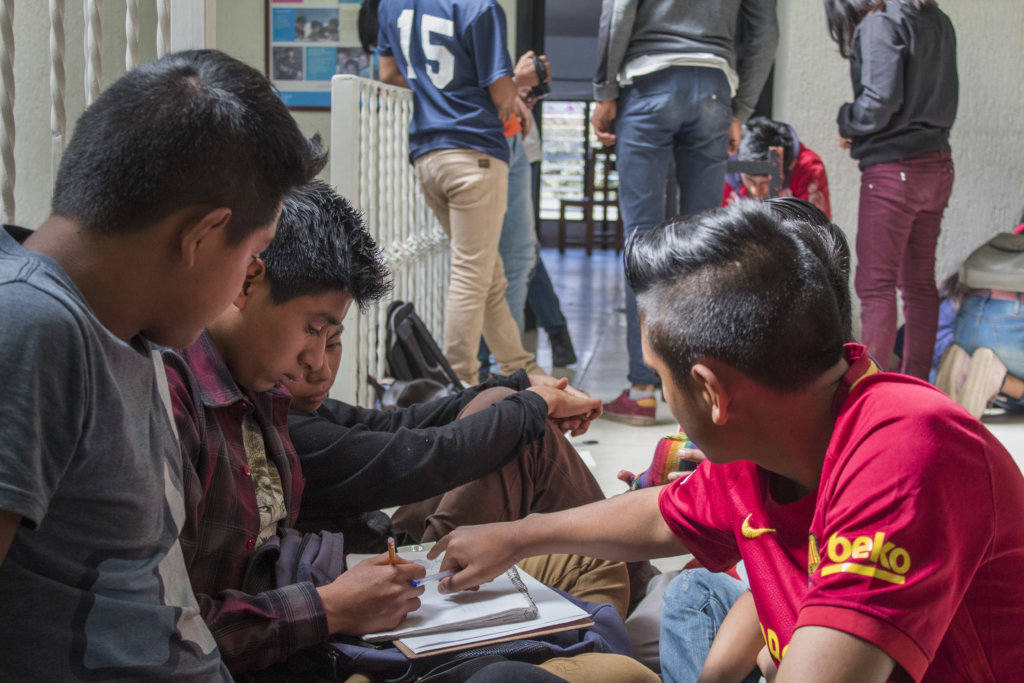
Chantiik annually attends an average of 30 beneficiaries between 12 and 25 years old, all indigenous origin and in a situation of high vulnerability. Most of them had been working in the streets to support their families and therefore had abandoned their studies. Many of them have very serious rates of malnutrition and some other health problems associated with poverty. They suffer discrimination, rejection, and lack of opportunities daily. All of them have been victims of different forms of abuse. These kids need to eat well in the first place so Chantiik provides a nutritious breakfast each morning. If there is any deficiency in the general state of the kids the rest of our activities is seriously threatened. One of our priorities is each beneficiary to return to school and continue studying. Chantiik gives a monthly scholarship to all the kids, which must be maintained by showing a good school performance and with a regularly attending to the workshops we offer. A class on school reinforcement is given twice a week to beneficiaries who still have performance lags at school. Likewise, Chantiik has structured the weekly workshops whose content is in accordance with our mission / vision and with the interests and needs expressed by the beneficiaries themselves. To deal with the deep disintegration problems and intra-family conflicts faced by most of the kids Chantiik gives psycho-emotional therapy to the beneficiaries and their families, according to the needs of each case. As part of the comprehensive training we teach and exercise values such as solidarity, acceptance of another, respect, and cooperation. For this reason, beneficiaries are not divided by gender or age. In the workshops all the beneficiaries coexist and put these values into practice with their colleagues, so the older ones must help, care for and guide the younger ones; everyone must show respect before others and help each other when necessary. Coming from family and social settings where violence has been normalized at Chantiik we insist repeatedly to make beneficiaries aware of the negative consequences that violence brings to all areas of life.
Details of Key Risks
The most obvious risks are of an economic nature. Being the economic heart of the region known as Los Altos, San Cristobal has been for many years a place of tourist attraction. Tourism generates many direct and indirect jobs in the city especially in the commercial and service fields. In 2016, a conflict between the teacher’s union and the federal government led teachers to block highways throughout Chiapas. San Cristobal was particularly affected since tourists stopped visiting the city. All trade activities were severely injured. In September 2017, a strong earthquake reversed the slow recovery that was being attempted. And in 2020, the coronavirus pandemic affecting the whole world, and which deepens the already critical socio-economic situation. Inside the families we support an increase in intra-family violence has been observed and the consequent psycho-emotional deterrence of the entire family circle. They are extended families, with many members, who live in small, unhealthy, without basic services spaces. The very difficult daily coexistence has become critical in these weeks of confinement. Once it is possible to resume normal activities at Chantiik we are aware that we will have to face psycho-emotional problems in most of our beneficiaries. As to the economic situation, most of the families survive in one way or another from trade, so that in recent years their already greatly reduced economic situation has worsened significantly. With the pandemic, it is almost unsustainable. From Chantiik we are supporting with the resources that we can: food, milk, medicines. Parents make a great effort to send their children to school but with economic precariousness the first thing that is going to be left out is school education. Currently, as a direct negative effect of the pandemic, the risk of dropping out of the studies is greater than two months ago. We need our beneficiaries to continue to have the support of scholarships to guarantee the continuity of their school education today more than ever. Last cycle Chantiik managed that 28 out of 30 beneficiaries remained in school with an average total of 7.5. being 10 the highest grade.
Our project has a comprehensive educational approach, through which Chantiik continues to support kids to stay in school and achieve the best possible academic performance, and finish their studies in a timely manner. We are working hard for them to have better jobs once they start working. In addition, the impact of the workshops and psychological intervention will contribute to a positive transformation of their socialization in and out of home.
In this new cycle we seek to achieve the following goals:
• Through the teaching of workshops in different areas of development and opportunity, to stimulate non-formal education to contribute in shorteniing the educational backwardness faced by the indigenous children and youth population of San Cristobal de Las Casas.
• To promote and train beneficiaries in the exercise, promotion and defense of Universal Human Rights and the Rights of Children, Adolescents and Youth in particular.
• To develop sustainable educational and productive projects to raise the quality of life of the beneficiaries and their socio-economic reintegration from the standpoint of fair and solidarity trade.
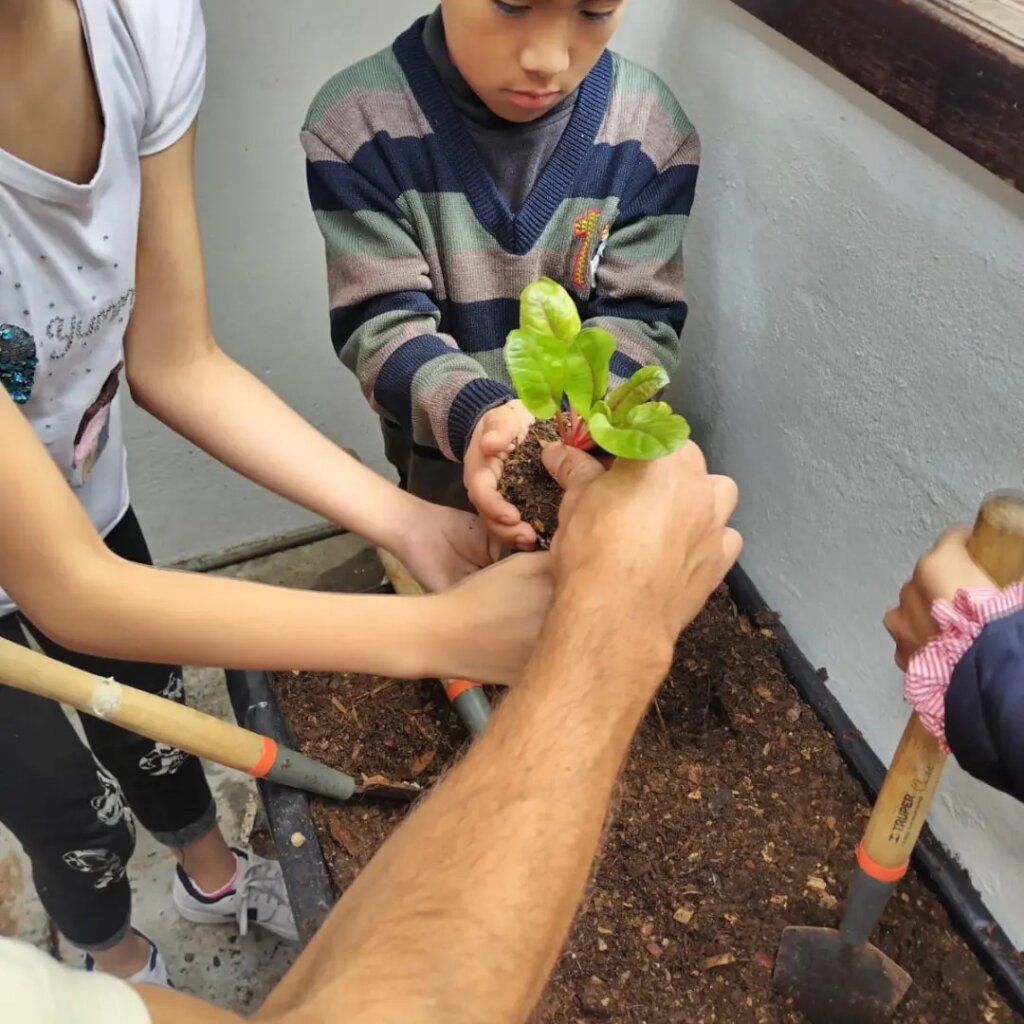
• To raise awareness about environmental protection through campaigns and concrete actions in care and prevention.
• To offer a harmonious space that allows the development of recreational-creative activities, programs and projects where food and health security are also provided.
• To promote the psycho-emotional health of the beneficiaries and their families to promote the construction of healthy and harmonious relationships in all areas of life.
ACTIVTIES
Activity 1
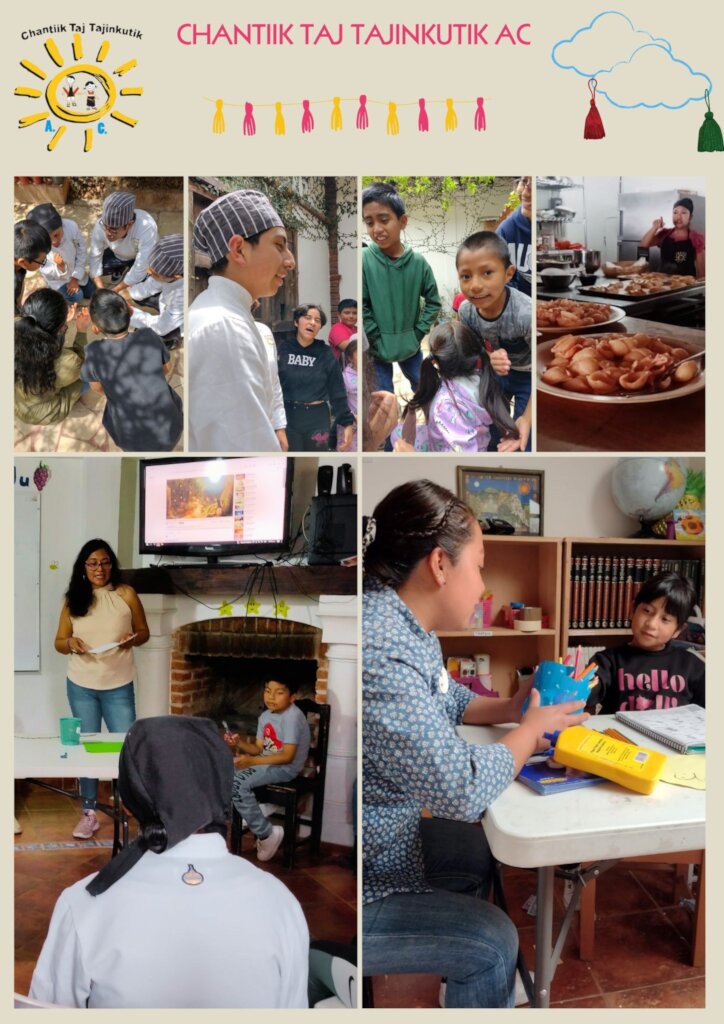
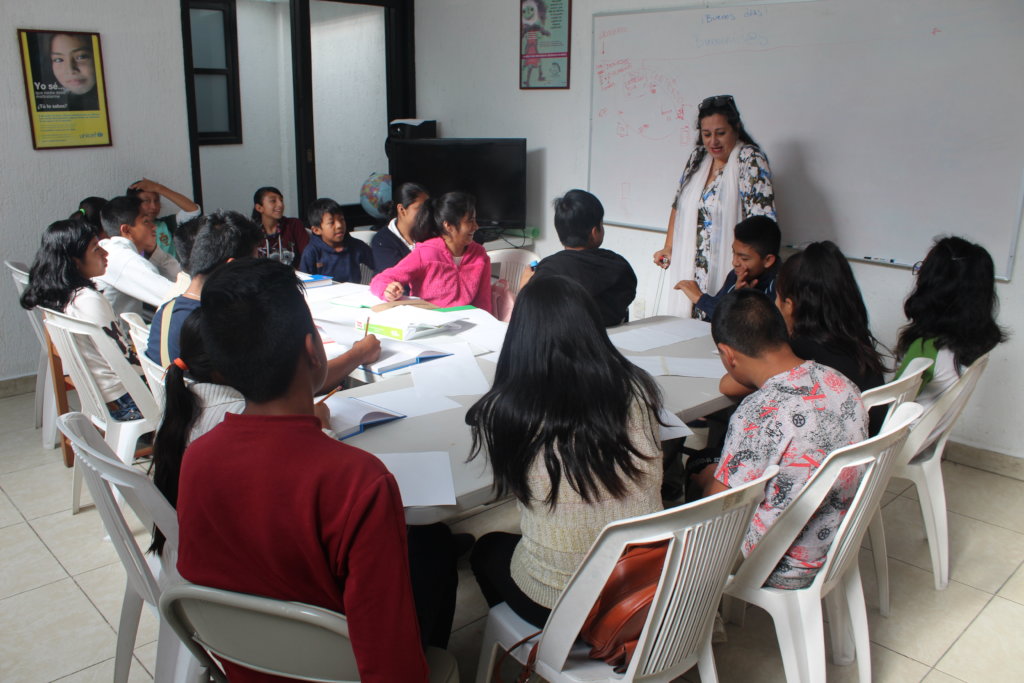
Workshops – Taught by specialists in the field, two per day, held from 9:00 a.m. to 12:30 p.m., Monday through Friday. They are designed according to our programs:
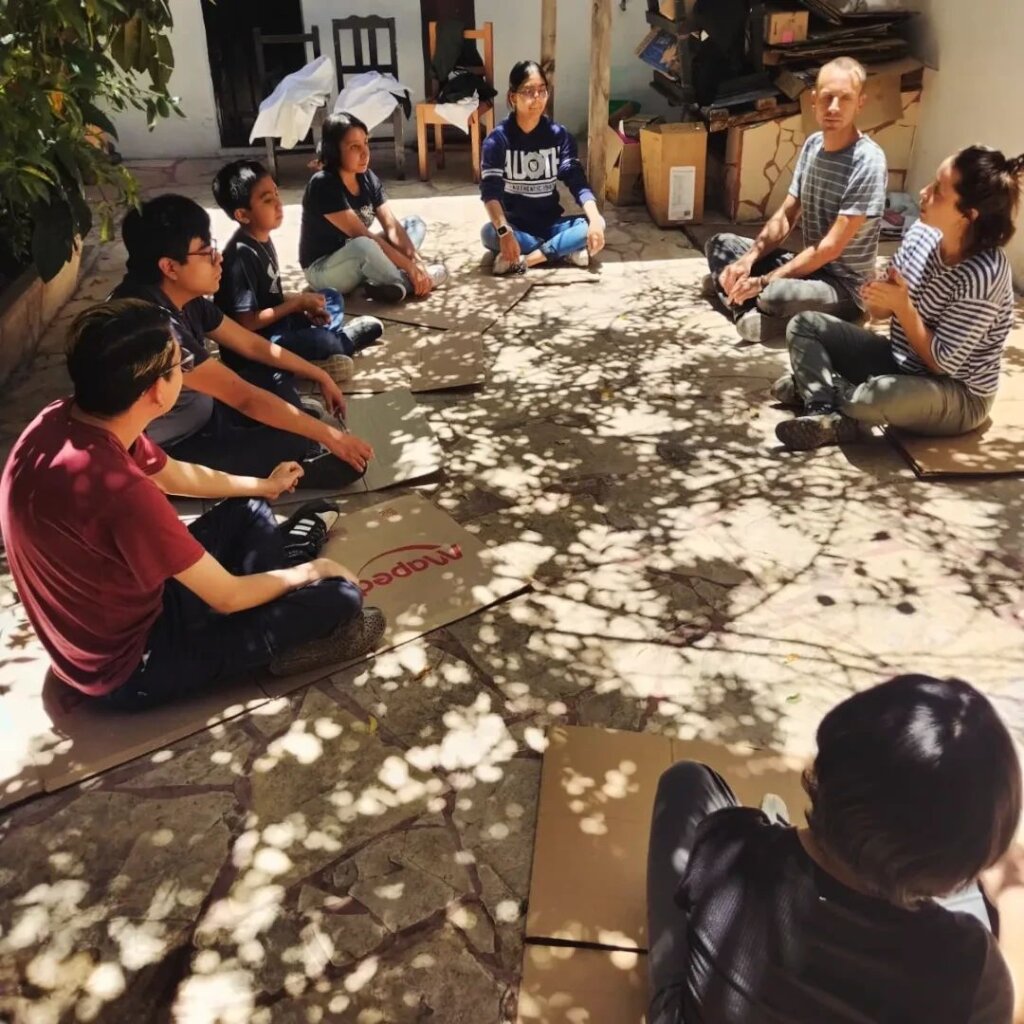
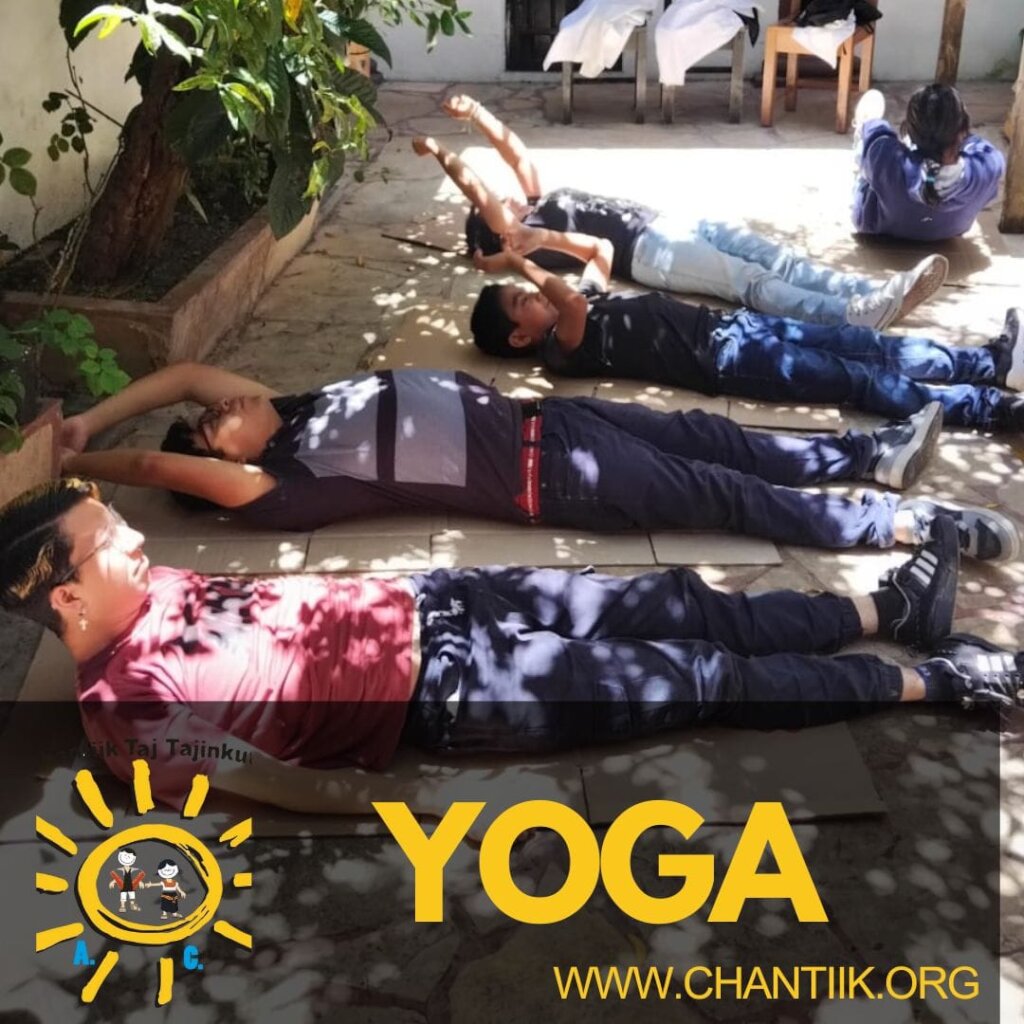
-Empowerment in health and prevention: Sexual and reproductive health, emotional containment, body expression, nutrition.
-Empowerment in rights and values: Strengthening and application of values in all areas of life, with a focus on gender and environmental care.
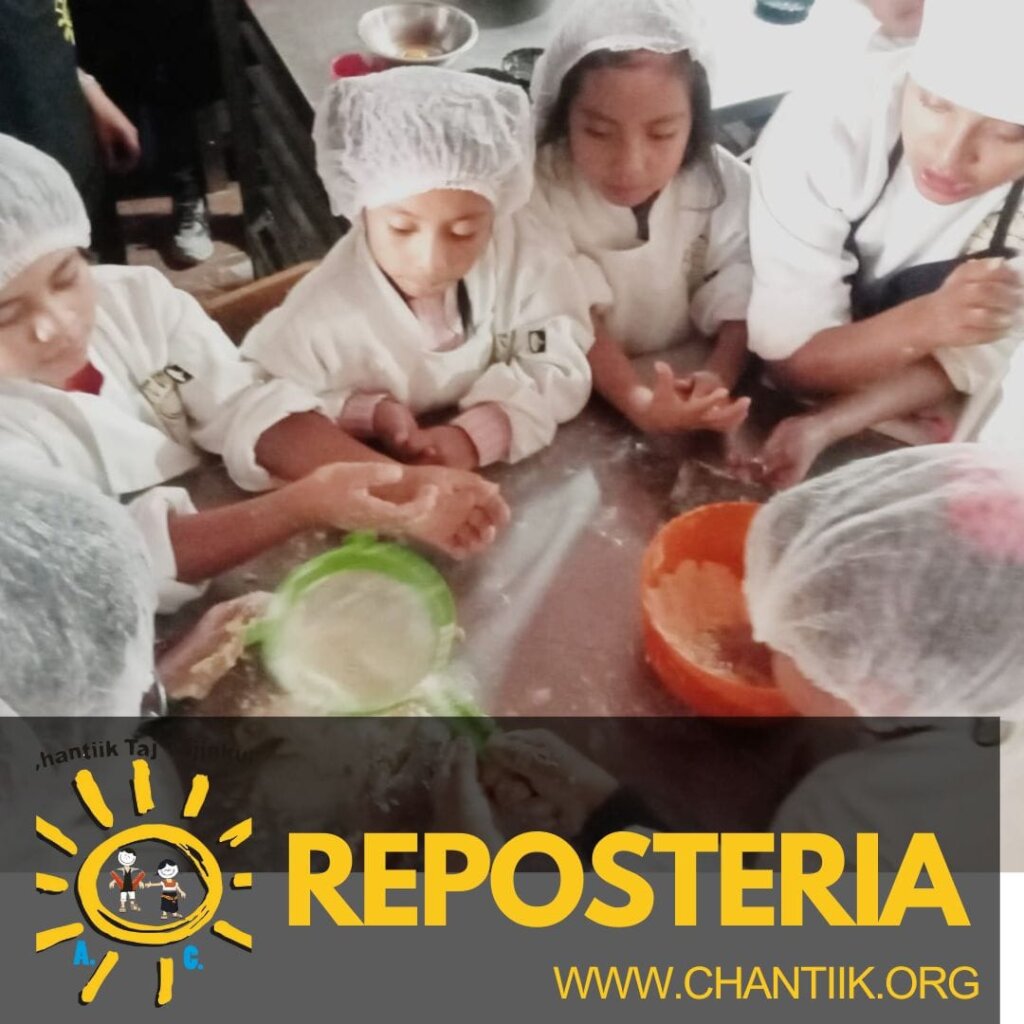
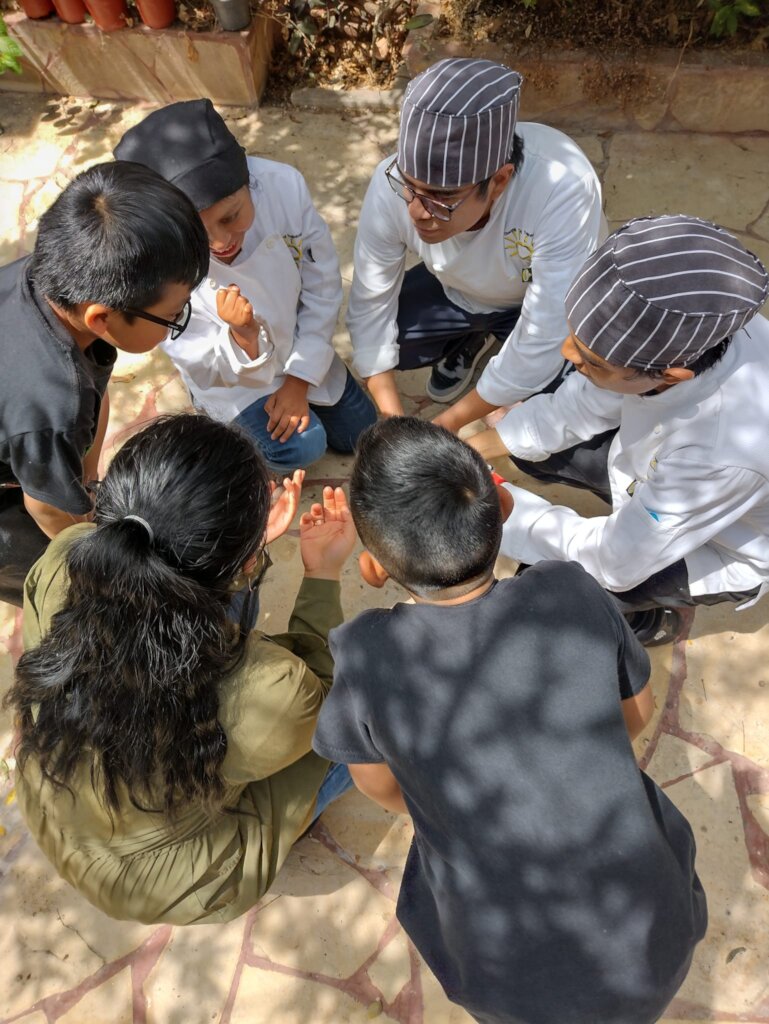
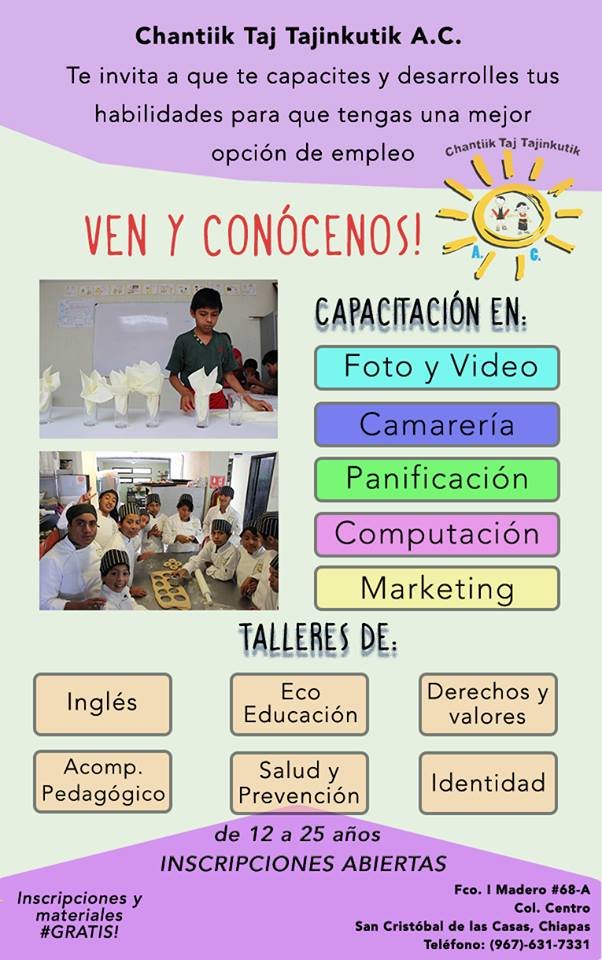
-Empowerment for labor insertion: Bakery, marketing, customer service, all focused on providing tools that allow the kids to get better jobs. Likewise, they are provided with general knowledge about labor legislation.
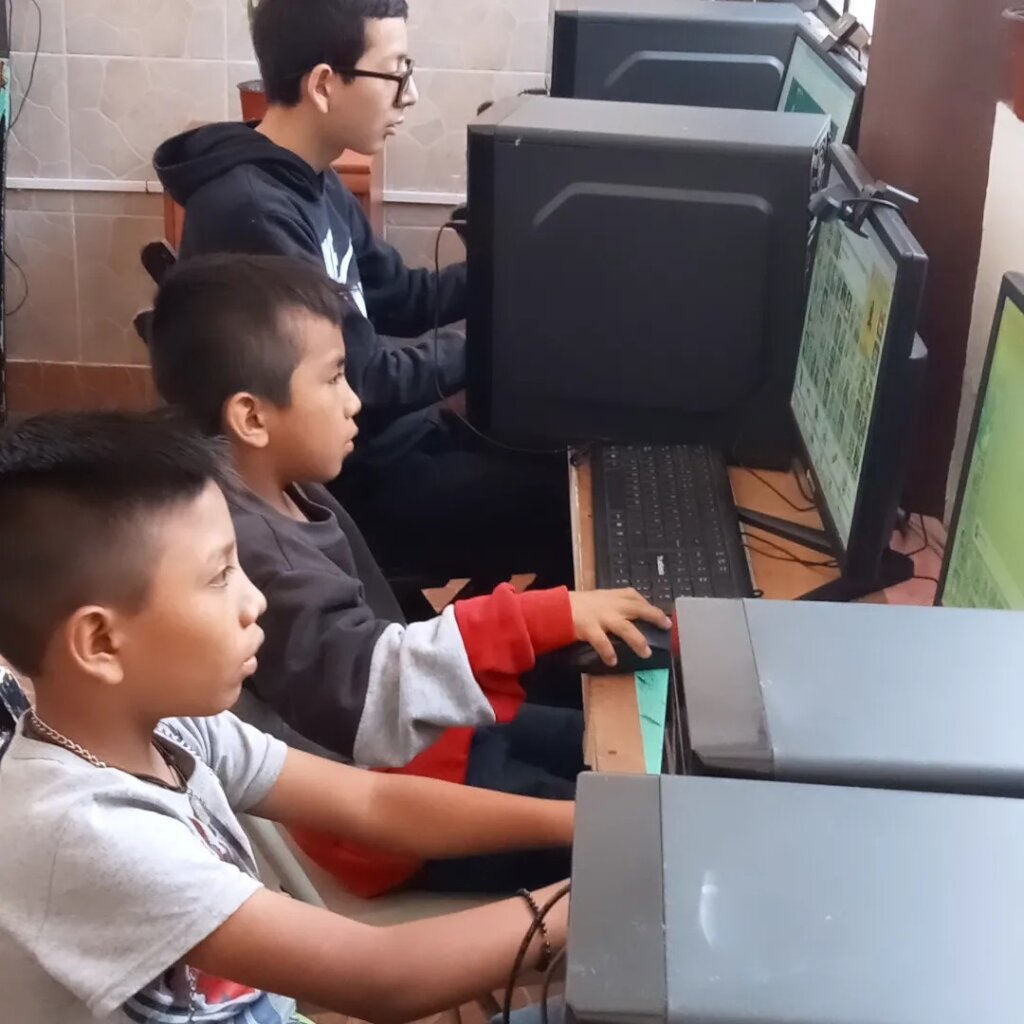
-Empowerment in Information and Communication Technologies: Photography and video workshops with a denunciation approach, so that the kids know how to document violations of their human rights and to whom to address complaints.
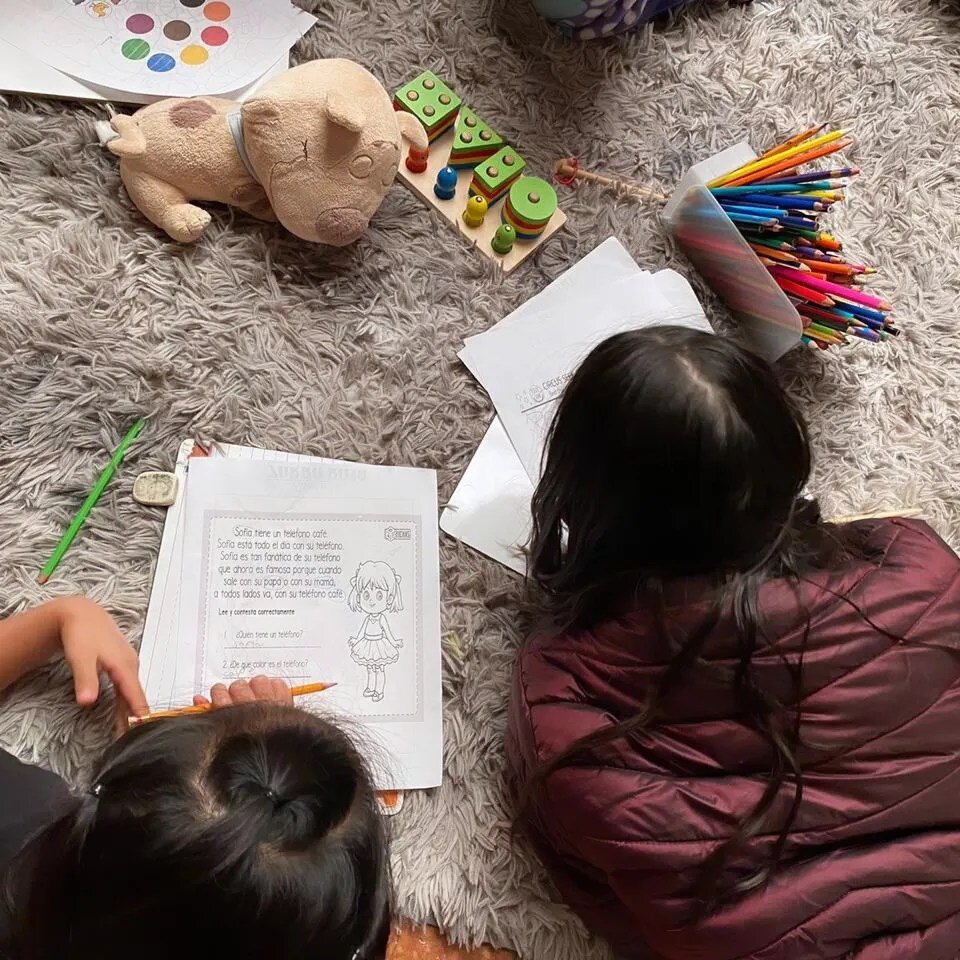
-School reinforcement: Specific support in math, history, grammar and English.
Activity 2
Financial support for staying in school - Chantiik grants 30 scholarships a month to the same number of beneficiaries. The objective is to provide them with monthly financial support to cover some of their daily needs: acquisition of supplies and school supplies, clothing and footwear, medical consultations in case of illness, etc. On the last Friday of each month, parents or guardians visit Chantiik' office to receive their children's scholarship. They sign the corresponding probative document and provided proof of expenses for administrative control. That same day, parents and guardians receive timely information on the monthly performance of their children. These spaces are used to give workshops of values and rights to parents and guardians, with the aim that the lessons learned by the beneficiaries in Chantiik be replicated in the family environment. Scholarships are conditional on the academic performance of young people, who must show a minimum average of 7.5 to maintain support. This requirement will be monthly assessed with the delivery of grades and at the end of the cycle, with the presentation of the final school report. Initially a minimum grade of 8 was required but acing the very low academic level observed throughout the state of Chiapas, the decision was made to lower it to 7.5.
Activity 3
Psycho-emotional care - Health is a fundamental human right without which it is not possible to achieve full and sustained development. The promotion of the integral health of the beneficiaries stimulate the strengthening of those factors that improve their quality of life, the participation of individuals in community activities and their integration in positive group activities, the integration of the family and the personal development of young people. At the beginning of each cycle, all the beneficiaries are evaluated in terms of their psycho-emotional state. If the situation requires it, therapeutic support is provided, preferably extending to the family. As still developing youth, beneficiaries continue to depend emotionally on their families. Hence the importance of also taking care of the emotional well-being of the family nucleus as a whole. The therapeutic sessions take place outside the Chantiik facilities, in an environment of privacy and discretion. The sessions have no cost to the family. All the information obtained from this work is absolutely confidential.
TARGETED BENEFICIARIES
Direct Beneficiaries Male: 28
Direct Beneficiaries Female: 23
Indirect Beneficiaries Male: 65
Indirect Beneficiaries Female: 90
DIRECT BENEFICIARIES: Direct beneficiaries are the kids attending the daily workshops in Chantiik as well as their parents or guardians, who also receive support and personalized attention
INDIRECT BENEFICIARIES: Indirect beneficiaries are all those who receive some type of benefit through the direct beneficiaries but without participating in the programs: siblings and close relatives. An example: when Chantiik receives some kind of support the surplus is distributed among the families of the beneficiaries (milk, food, medicine). Indirect beneficiaries are calculated based on the average number of close relatives each kid has.
CHANTIIK POST-COVID 19 PLAN
Although Chantiik offers young people effective learning tools to improve their life projects, our main objective is them to stay in school. Ninety per cent of our beneficiaries come from families whose income depends on the street sale of various merchandise. The pandemic has significantly reduced these resources, so once the health contingency is over, it is very likely that several of our young people will have to rejoin the street labor market, which will make it very difficult for them to stay in school. Likewise, all our beneficiaries live daily adverse family environments, where the lack of material resources is accompanied by domestic and gender violence, alcoholism, overcrowding, lack of basic services, among others. The current situation deepens these problems as all the members of the family, which are many, are locked in very small and inadequate spaces, with more material limitations than four months ago, including access to food, and without the possibility of finding valves of escape that cushion the gravity of the situation. Our attention and efforts will be focused on ensuring that the beneficiaries can overcome the material, educational and emotional consequences that the pandemic is already leaving on them and their families.
Their return to school will be in a clearly disadvantaged condition. Due to the changes that the pandemic has imposed, the federal Ministry of Public Education has decided that the return to the classroom is hybrid: following a rigorous alphabetical order, students will go to school only a few days a week; the rest of the week, they will take classes online. Considering the economic precariousness of the majority of the student population in Chiapas, it is most likely that many students will NOT have the means to connect to distance classes. Therefore, they will be lagging behind that minority that does have a computer and an Internet connection. Chantiik seeks to contribute to reducing this injustice, opening its doors to the beneficiaries that we accompany on a daily basis . This figure is a function of the actual spatial availability that Chantiik has. The objective is that the beneficiaries can be in a safe, reliable and friendly space, in addition to having a computer, Internet access and two teachers: one who teaches them to properly use the equipment and educational platforms as well as to avoid dangers in the use of the network; and another teacher dedicated to school reinforcement. All beneficiaries will be provided a healthy snack, considering that almost 100% of them are undernourished.
Links:
Project reports on GlobalGiving are posted directly to globalgiving.org by Project Leaders as they are completed, generally every 3-4 months. To protect the integrity of these documents, GlobalGiving does not alter them; therefore you may find some language or formatting issues.
If you donate to this project or have donated to this project, you can receive an email when this project posts a report. You can also subscribe for reports without donating.



Support this important cause by creating a personalized fundraising page.
Start a Fundraiser