By Deborah Torrington | Marketing Manager
At the height of Sierra Leone’s Ebola epidemic, the country was reporting hundreds of new cases each week. Radio was vital in communicating practical information that helped keep people informed on how to prevent catching the virus; what to do and where to go if they suspected they were infected; and how quarantines would impact them; and much more. While the epidemic is over, the value of information is no less important than it was a year ago. Our radios and media players remain just as important because the poor are unable to afford the ongoing cost of batteries.
We are working with a number of organizations in Sierra Leone. In this report, we’d like to highlight the important educational initiatives of two of our partners: Child to Child and Develop Africa.
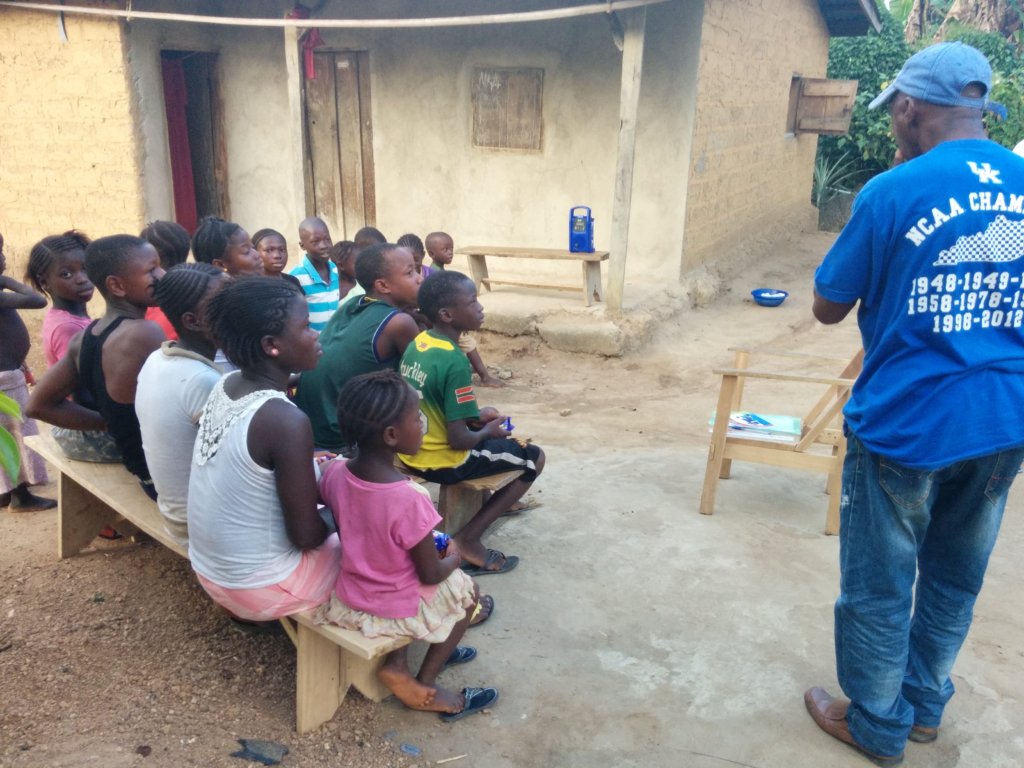
Child to Child is working in the Kissi region, a remote area where the Ebola outbreak started on the western frontier with Guinea. Their educational radio programs to improve children’s social, literacy, numeracy and life skills have been so well received that the government plans to broadcast them nationally. What we’re most pleased about is that Child to Child have reported how happy they are with our Lifeplayers MP3 media players and Prime radios, saying that there “has been a great deal of praise about the choice of radios and their suitability for the project. They are child friendly and powerful so a large group of children can listen. The alternative powering is perfect as there are next to no generators in our operational areas.” Formal listening groups have been set up in communities that received radios, and adults have been trained to encourage children to listen to the radio content. Radio is by far the most effective means of communication in this isolated area.
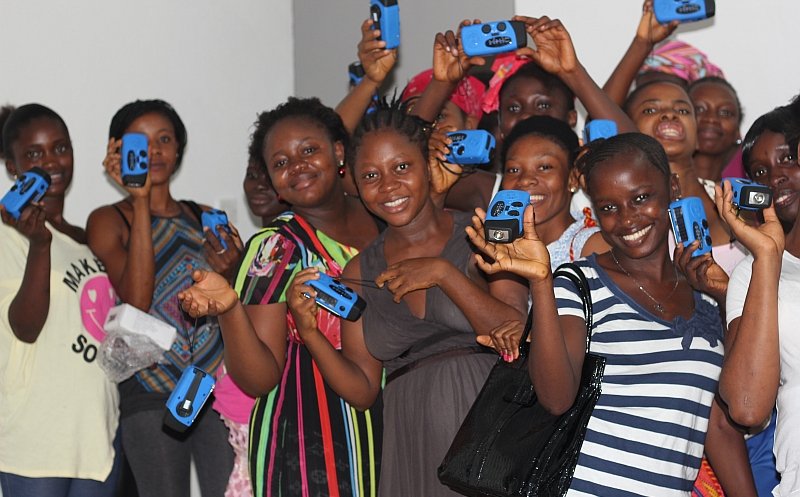
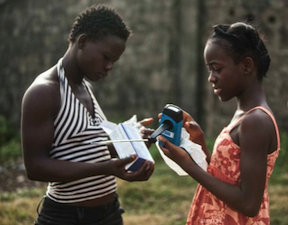
Develop Africa’s project focuses on pregnant teenagers, who are banned from attending school once they are visibly pregnant. The rate of teenage pregnancy spiked dramatically after the outbreak of the Ebola virus, leaving thousands of young girls with reduced hope of furthering their education. In reality, few girls will return to school once their babies are born. Develop Africa is providing an alternative education experience for these girls: not only in literacy and numeracy, but also career and psycho-social counselling, using radio, computers and videos. Our Polaris radios enable the girls to listen to educational radio broadcasts from the Ministry of Education. The light helps them see at night to increase security when walking.
For children in Sierra Leone, the impact of Ebola has been nothing short of catastrophic. Many have lost one or both parents. Unicef has reported anecdotal evidence of sexual assault and transactional sex among underage girls, one of the reasons cited for the increased pregnancy rates among teenagers.
We salute the efforts of our partners who are providing these children with the education and information they so desperately need. And we’re thrilled that it’s our solar Lifeplayers, and Prime and Polaris radios that provide easy access to that learning!
Links:
Project reports on GlobalGiving are posted directly to globalgiving.org by Project Leaders as they are completed, generally every 3-4 months. To protect the integrity of these documents, GlobalGiving does not alter them; therefore you may find some language or formatting issues.
If you donate to this project or have donated to this project, you can receive an email when this project posts a report. You can also subscribe for reports without donating.