By Medhavinee Namjoshi | Executive Director
INCLUSION Can Only Spring Forward
This project report is a submission to GlobalGiving’s 2017 Fail Forward Contest, where organizations are asked to share a story of when they tried something new that didn’t go as planned and how they learned from it. Enjoy!
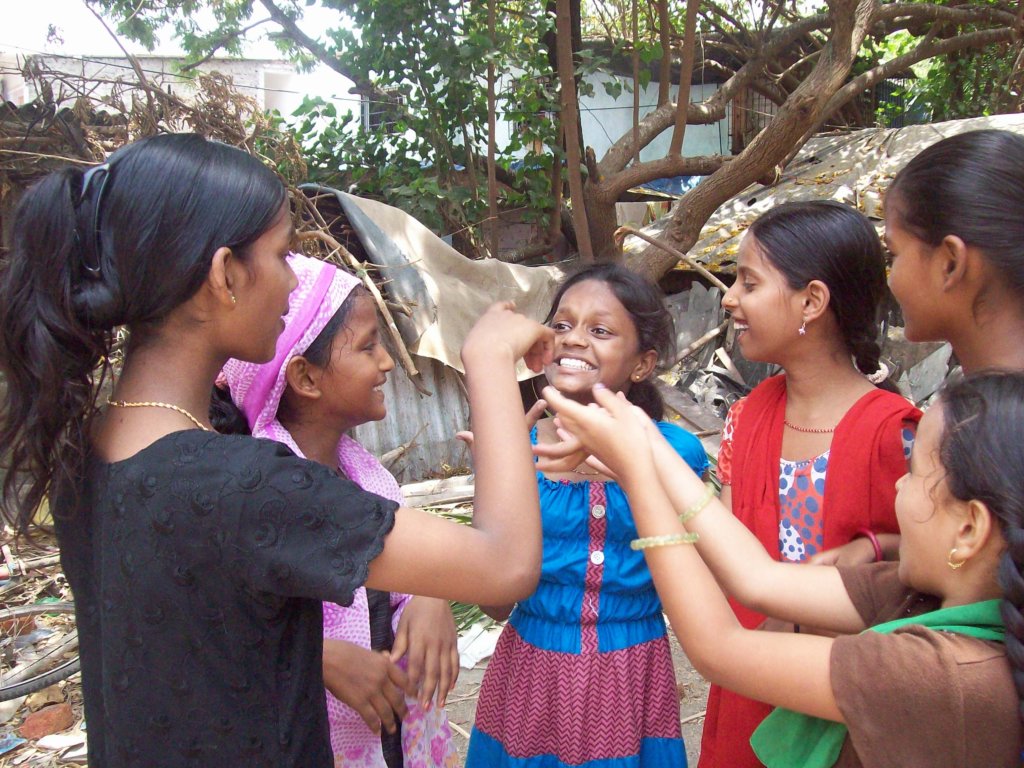
Vacha conducts after school sessions in many schools, Tank Lane government school located at Santacruz, Mumbai, India being one of them. Realizing the need to make an impact at a community level for the larger good of the girls attending Vacha’s programs, Vacha started a centre in a basti (urban slum) close to the Tank Lane school to represent the children in the school intervention areas, employing a methodology similar to its school programs.
Basti Profile
A unique attribute of this particular basti was that this was initially a village belonging to the fishing community which was then then reclaimed by land mafias. Gradually migrants started settling near the creek and marshy land. It is an improvised settlement for migrant workers which is demolished and springs back time and again. Inadequate infrastructure, poor sanitation, water supply and overcrowding are huge detriments to health and hygiene here. The population that comes to the Vacha centre comes from this migrant settlement.
Community Profile
Most of the families in this community hail from the states of Uttar Pradesh, Uttaranchal, Bihar and Jharkhand in India. They have relocated from their states in a quest for jobs with a significant section employed in the unorganized labour sector. With intrinsically embedded patriarchal and conservative mindsets, it is extremely challenging for girls and women in these households to articulate and express themselves openly. Women often have to shroud themselves in long veils covering their entire face. In this kind of a stifling environment, girls’ education, health and development are forever put on a back burner. Exploiting vulnerabilities and atrocities against girls and women are rampant.
The presence of a gymnasium right in front of the Vacha centre was a key hindrance for the girls to enter and attend the centre. Vacha circumvented this hurdle by requesting the gymnasium proprietor to defer the opening of the facility by 30 minutes daily. This led to a spurt in attendance at the centre and Vacha's programs gradually started taking off. A couple of years into these programs saw a sea of change in the number of girl leaders emerging in the community. But these programs unfortunately did not reach the envisioned intent and efficacy in terms of checking school dropouts, preventing early marriage and achieving girls empowerment in the true sense of the term. Strong patriarchal mindsets contributed to a stiff resistance from the community adults and the boys in the area where the customary rule “Boys first” was being unabashedly violated by Vacha! Consequently Vacha’s programs did not effectively hit the nail on the head.
Two appeal letters from the community boys and on recognition of the fact that girls empowerment cannot be truly achieved by working solely with girls, Vacha decided to re-strategize. An inclusive approach to gain the confidence of the entire community was realized to be mandatory for Vacha's programs to gain a wider acceptance. Vacha then embarked upon inclusion of boys in its programs for the very first time in its 2 years of basti operations. Initially a separate centre was started for boys and after sensitizing these boys, the 2 centres were eventually merged.
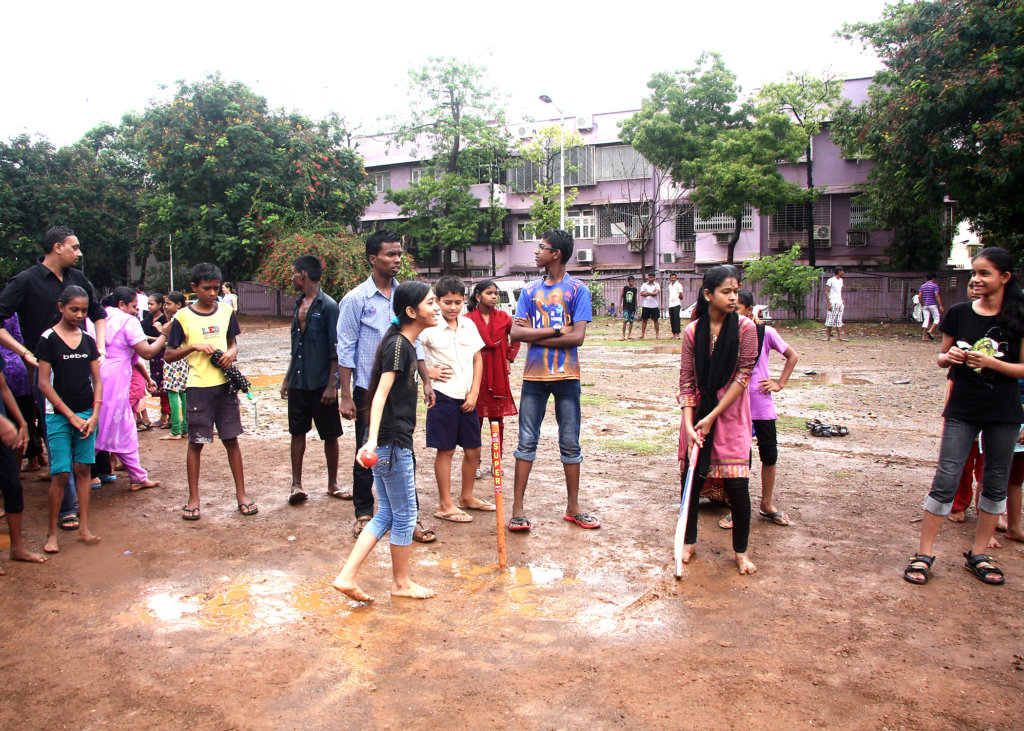
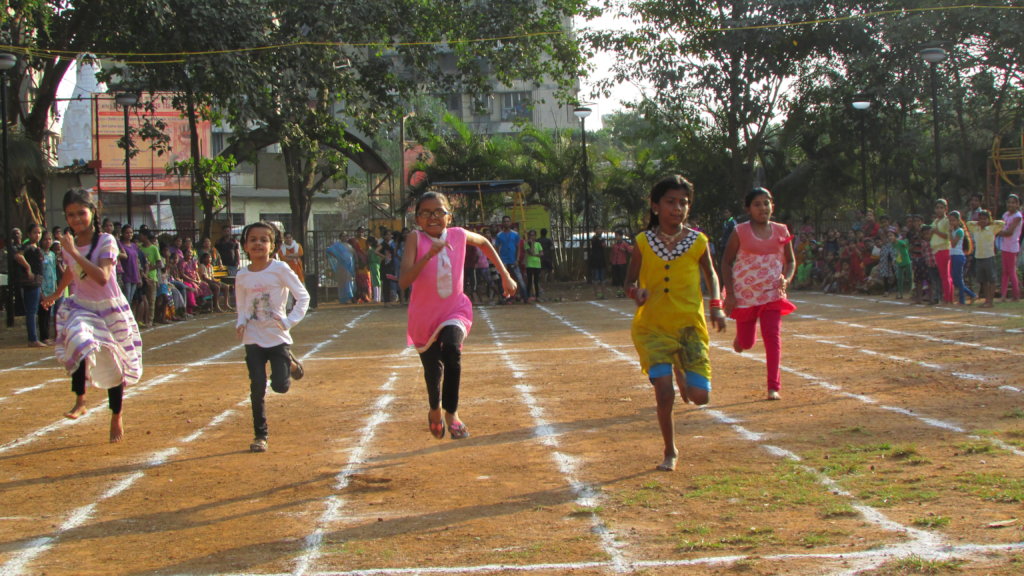
There was a time when brothers were preventing their sisters from coming to Vacha’s centre. Now with this new found support system in boys, girls started finding it easier to attend the centre without any restrictions imposed by family and community. Boys started negotiating with parents giving a boost to the efforts of the girls. Early marriages started being stalled at a higher rate. Girls were able to continue with their education till 10th grade and at times, even complete their baccalaureate degree. Girls and boys joined hands to form a youth group to work on gender issues and proactively campaign against eve-teasing to combat sexual harassment in the basti. Girls started participating in sports and using public playgrounds in large numbers, something that could never be comprehended in the past.
The biggest turnabout in this pilot was the massive attitude change and embracing of Vacha's programs by the community and its leaders. Some of the outcomes of this endeavor were uplifting restrictions on girls, girls asserting their rights, freely accessing public spaces, their voices and self-esteem getting amplified.
Vacha, on finding this inclusive prototype successful and sustainable, has adopted and replicated this model in another 10 bastis over the subsequent 5 years. What Vacha has learned from this strategy of inclusion is that this is not just a concept which has received recognition and merit at a global level but that it indeed works at a grassroots level!
Ranjana, age 23, was a Vacha program participant at the Tank Lane government school and is from this flagship Vacha basti. She developed into a girl leader of the community centre after it was initiated. As quoted by Ranjana on Vacha's program benefits, ‘On a personal front, my marriage at the tender age of 16 was thwarted with the joint intervention of my brother who is 4 years younger than me. I was able to complete my graduation in 2016 and I am now settled in a lucrative job as an event management trainer with a leading Fortune 500 FMCG company.’
Project reports on GlobalGiving are posted directly to globalgiving.org by Project Leaders as they are completed, generally every 3-4 months. To protect the integrity of these documents, GlobalGiving does not alter them; therefore you may find some language or formatting issues.
If you donate to this project or have donated to this project, you can receive an email when this project posts a report. You can also subscribe for reports without donating.