By Felipe Cordero | Enterprise Development Associate
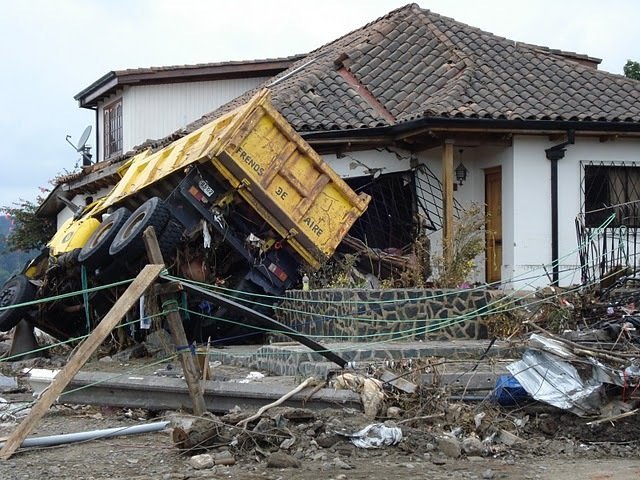
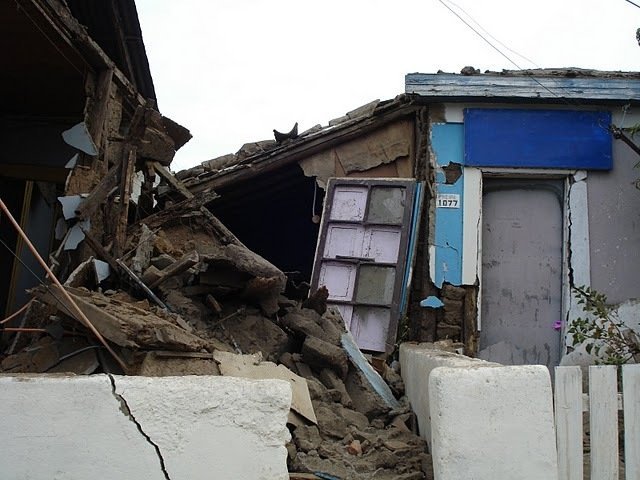
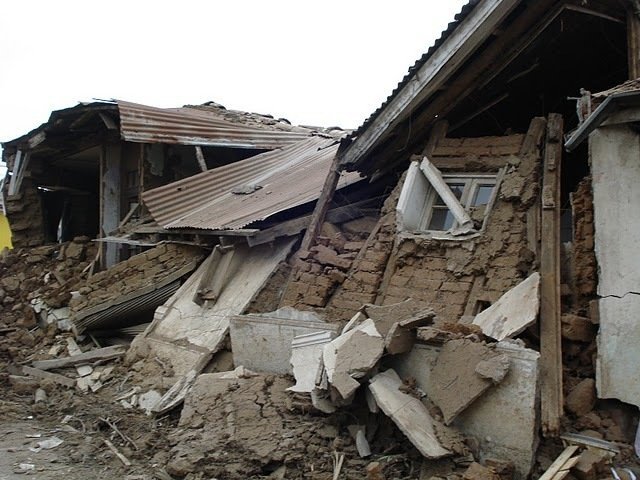
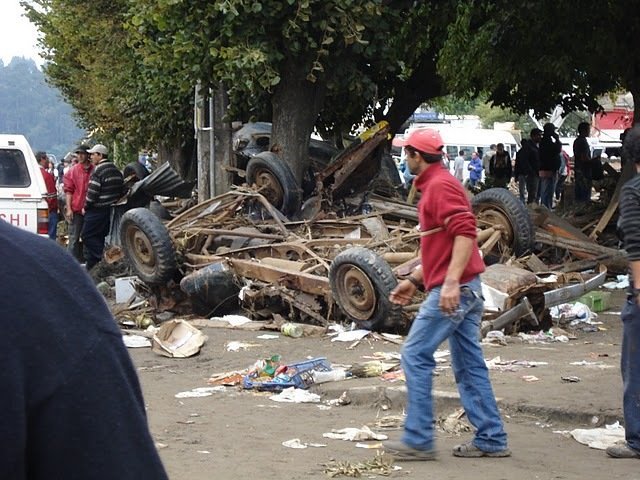
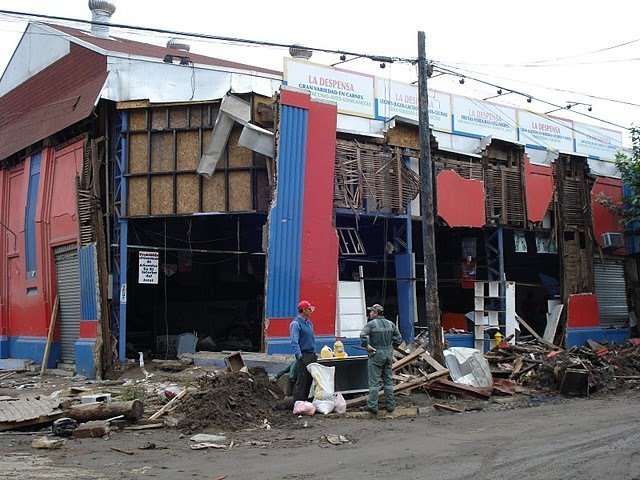
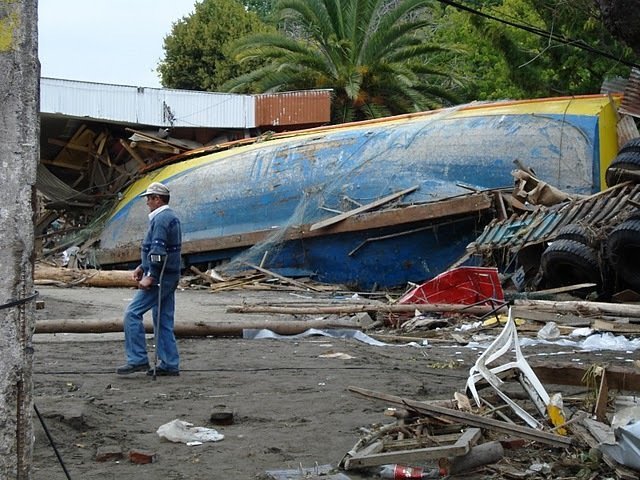
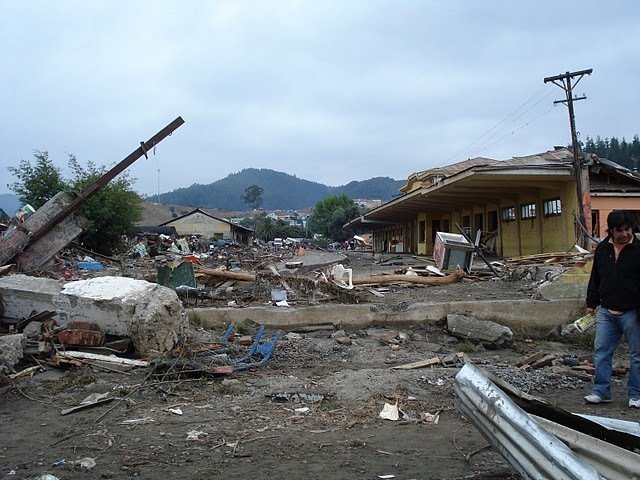
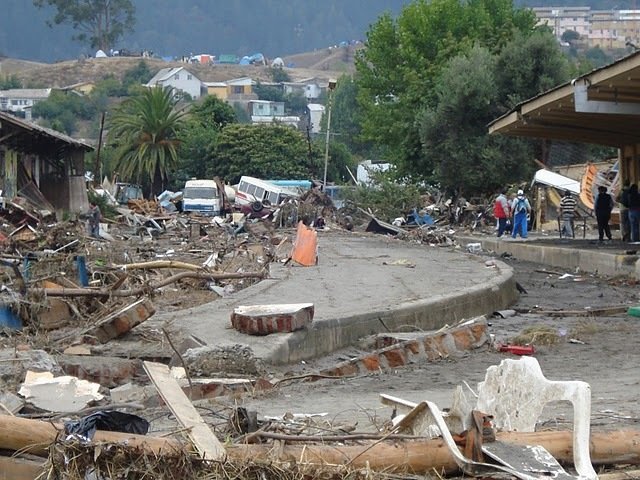
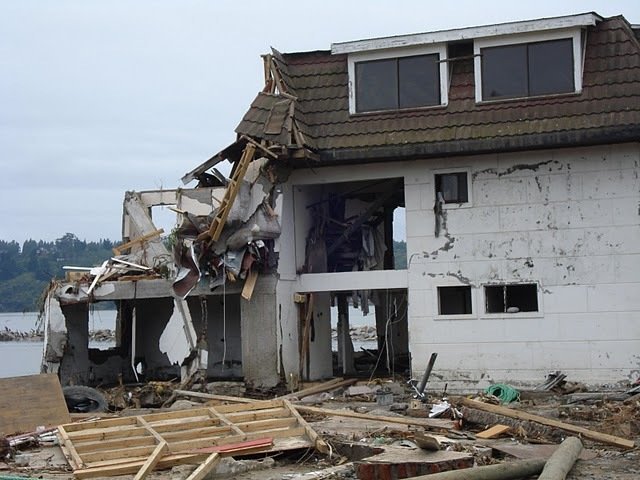
Hello! Greetings from Santiago, Chile! Once again, it is a pleasure to share some exciting updates from our project. As mentioned in previous reports, our program is nearing its end. Nonetheless, activities continue and we keep on working towards our goal of supporting 372 producers and artisans from southern Chile who were severely affected by the 2010 earthquake and tsunami. Likewise, we keep on working to develop social enterprises in the affected regions. Here are some of the latest developments:
Social Enterprise Competition:
Our latest Social Enterprise Competition in the regions affected by the earthquake awarded three great social enterprise ideas as winners. Since then, we have devoted our efforts towards finalizing sound investment plans with each of the winners.
The three competition winners have finalized investment plans. We are currently providing them with advice and support to finalize the “Performance Monitoring Tool” (PMT). The PMT is a unique tool used by NESsT to measure progress, performance and social impact. This tool sets out very specific, measurable, objectives and goals for each social enterprise and each newcomer to our portfolio must learn how to use it. Once PMT’s are finalized, the three new winners will sign an agreement with NESsT that will make them official members of our global portfolio of social enterprises. As a refresher, these are the winners and their social enterprise ideas:
Apiunisexta: A store specialized in providing high-quality products for beekeeping activities. It will sell a range of products, such as health items made from honey, food for bee colonies, machinery, and equipment for beekeepers in the O´Higgins Region, to support the needs of producers and increase the market for their products. Beekeepers were severely affected by the earthquake because they lost their production, tools and infrastructure prior to the harvesting season, which meant that they were left with little or no income for that year and with unpaid loans that they expected to pay with revenues from that season.
Surmaule: Surmaule developed a new social enterprise idea to provide its services to government institutions, NGOs and any interested persons about the practice and methodology behind community development initiatives. This social enterprise will be based in the City of Talca, which was severely affected by the earthquake. In addition, Talca is a city with where few professionals can access the latest knowledge and best practices from the field of development.
Ludovico Rutten Foundation: A business that will develop high-quality welders, providing them with skills and a certification that enables them to better perform their work and ensures the quality of their work. The social enterprise will provide this service locally at very affordable prices. Also located in Talca, this social enterprise will serve communities located in poor and marginalized parts of the city. Given their socioeconomic vulnerability, these areas were also the most affected by the earthquake.
Impact, Lessons Learned and Best Practices in Post-Earthquake Initiatives:
As mentioned in our previous report NESsT planned to host a national event to discuss and hightlight interesting post-earthquake interventions carried out by civil society organizations, government agencies and other institutions. The idea was to host an event that not only highlighted, but also analyzed and discerned between succesful practices and not-so-successful practices in a post-natural disaster context.
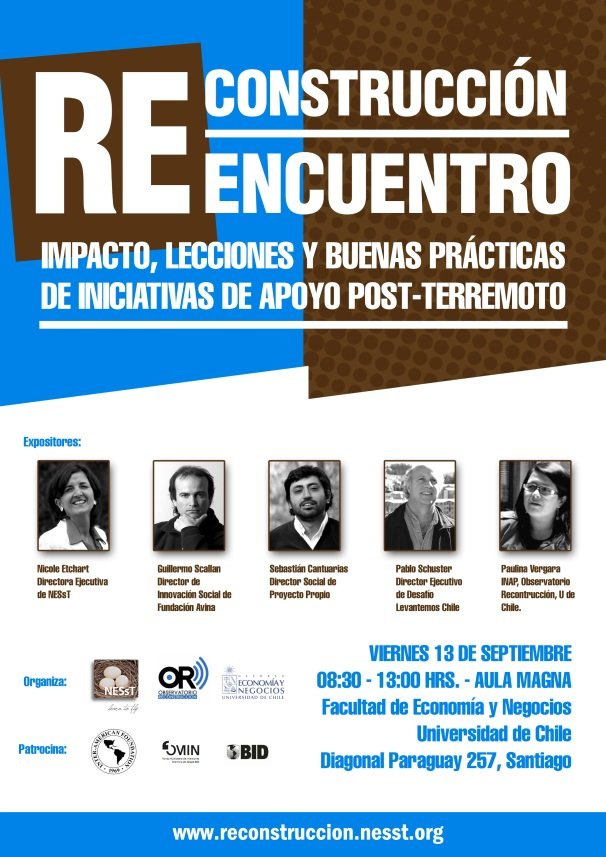
On September 13, 2013, we held a seminar called “Reconstruction-Encounter: Impact, Lessons and Best Practices in Post-eartquake Initiatives”. Organized by NESsT, in partnership with the Recontruction Observatory and the Student Social Responsibility Unit of the University, the event was held at the School of Economics and Business of the University of Chile. For months we researched and scouted for great initiatives – big or small - to highlight.
The event presented innovative and interesting findings from each initiative and ended with a panel that discussed lessons and best practices that everyone involved in reconstruction efforts should pay attention to. Our guest presenters were Nicole Etchart (Co-CEO, NESsT), Pablo Schuster (Executive Director, Desafio Levantemos Chile), Guillermo Scallan (Social Innovation Director, Avina Foundation), Sebastian Cantuarias (Social Director, Proyecto Propio) and Paulina Vergara (Researcher, Reconstruction Observatory and Institute of Public Affairs, University of Chile). Each presenter provided an overiew of the reconstruction efforts and views on the progress and process thus far, highligthing lessons that their organization has learned along the way.
The group and panel reached the following conclusions:
Project reports on GlobalGiving are posted directly to globalgiving.org by Project Leaders as they are completed, generally every 3-4 months. To protect the integrity of these documents, GlobalGiving does not alter them; therefore you may find some language or formatting issues.
If you donate to this project or have donated to this project, you can receive an email when this project posts a report. You can also subscribe for reports without donating.