By Carina Schmid | Program Manager
I am excited to share a new publication by Girls Not Brides, a global partnership of over 700 organizations committed to ending child marriage, that features Our Negro alongside other powerful media campaigns from around the world that use Entertainment-Education (i.e. the use of radio, television, soap operas, theatre and comic books to affect positive social change) to address the urgent issue of child marriage.
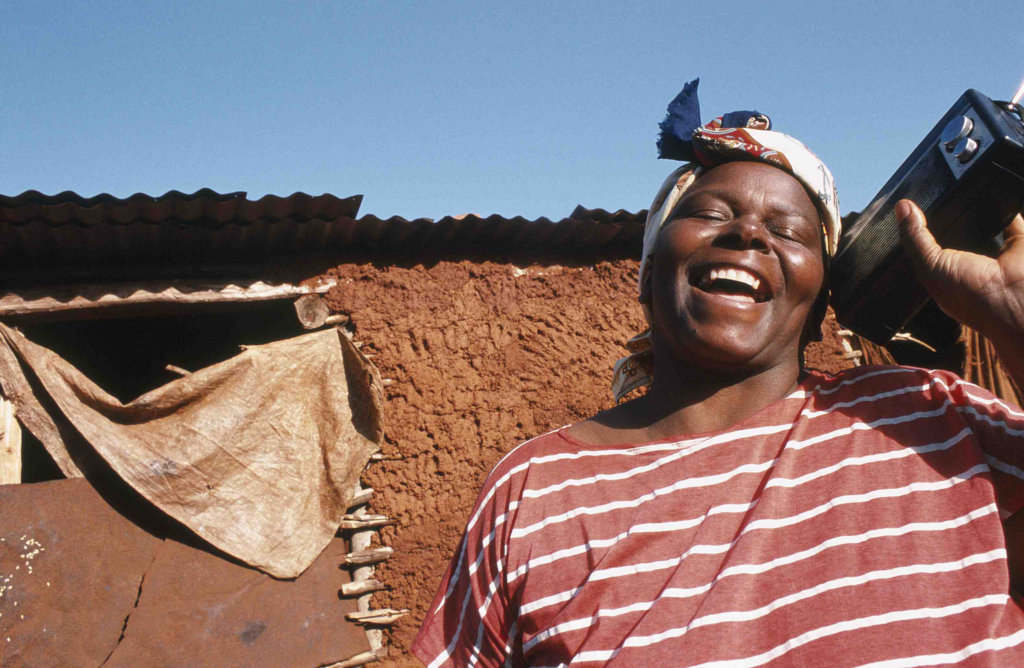
In Mozambique, 50% of girls are married before age 18, and 15% before age 15 with as many as 55% married before age 15 in the northern provinces. Not only do these marriages interrupt childhoods and violate adolescents’ basic rights to life, health, education, and development, they also contribute to lifelong gender inequity and reduce health and life expectations for children, factors associated with early motherhood. Ouro Negro features characters struggling with making better choices around marriage and motherhood that resonate with audience members—young people and their parents and community leaders—and demonstrate motivations for delaying marriage and parenthood.
The study notes that, “a growing body of research shows that Entertainment- Education has the potential to create change for individuals and communities on a range of development outcomes,” and explores the different way that nine different programs, including Ouro Negro, use drama and song transmitted through TV, radio and digital channels to engage and inspire audiences to around ending child marriage. A key benefit touted in the study is how scalable and cost-effective this approach is in reaching a broad audience of the individuals, communities, policy makers, teachers, and other members of the community responsible for influencing one’s decision on a specific issue.
If you want to learn more about what goes into making an effective Entertainment-Education program with a specific focus on supporting girls by challenging the acceptance of child marriage in Mozambique, stay tuned to this site for more details on a spring webinar hosted by the Center for Media and Health, the organization that authored the study. I will be participating in this dynamic discussion and look forward to sharing the Ouro Negro story with generous Global Giving donors.
Project reports on GlobalGiving are posted directly to globalgiving.org by Project Leaders as they are completed, generally every 3-4 months. To protect the integrity of these documents, GlobalGiving does not alter them; therefore you may find some language or formatting issues.
If you donate to this project or have donated to this project, you can receive an email when this project posts a report. You can also subscribe for reports without donating.