By Janice Kalin | Project Leader
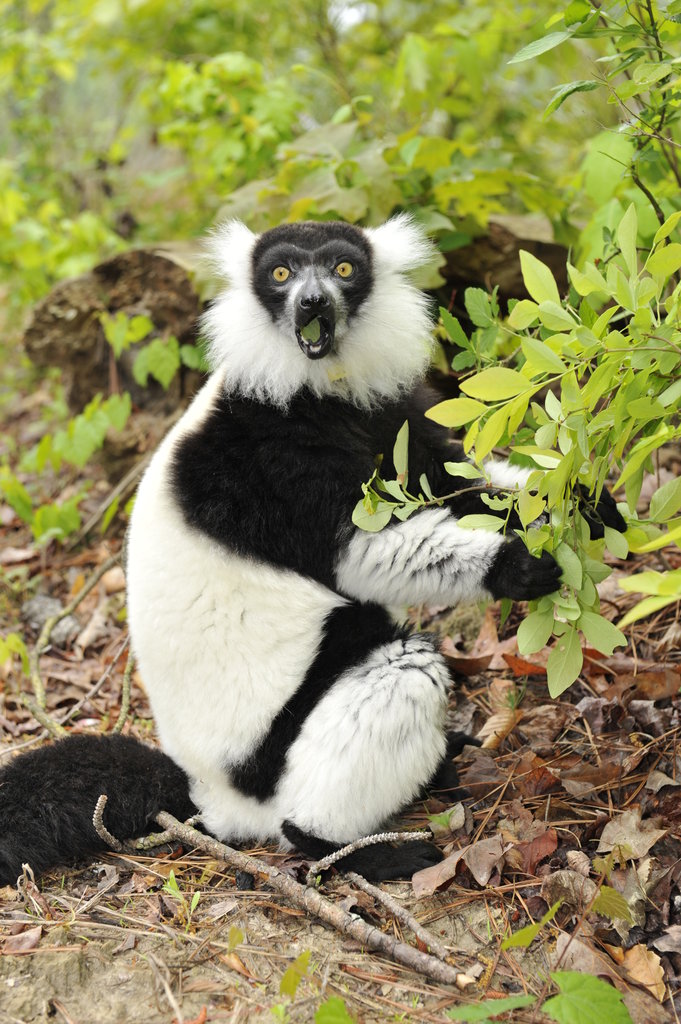
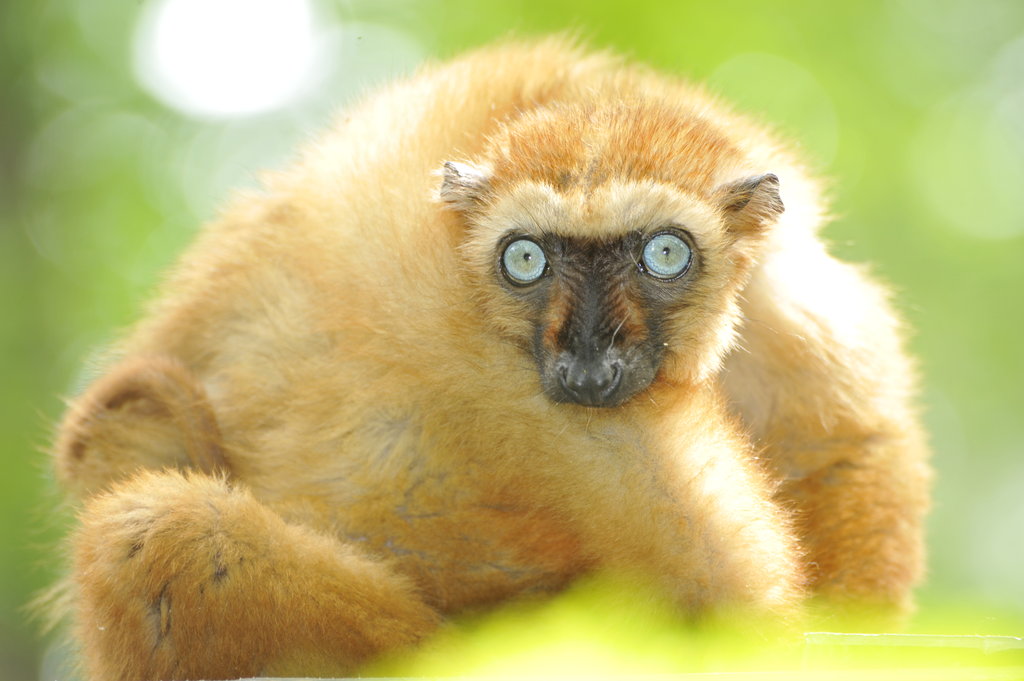
As of last report, the lemurs were enjoying the forest and living like lemurs! Thank you for supporting our forested areas which allow our lemurs 24 hour access to wild areas through the spring, summer and fall seasons! Having lemurs live like lemurs should ensure that we have happy lemurs and allows our researchers to observe real lemur behaviors, socializations and family dynamics.
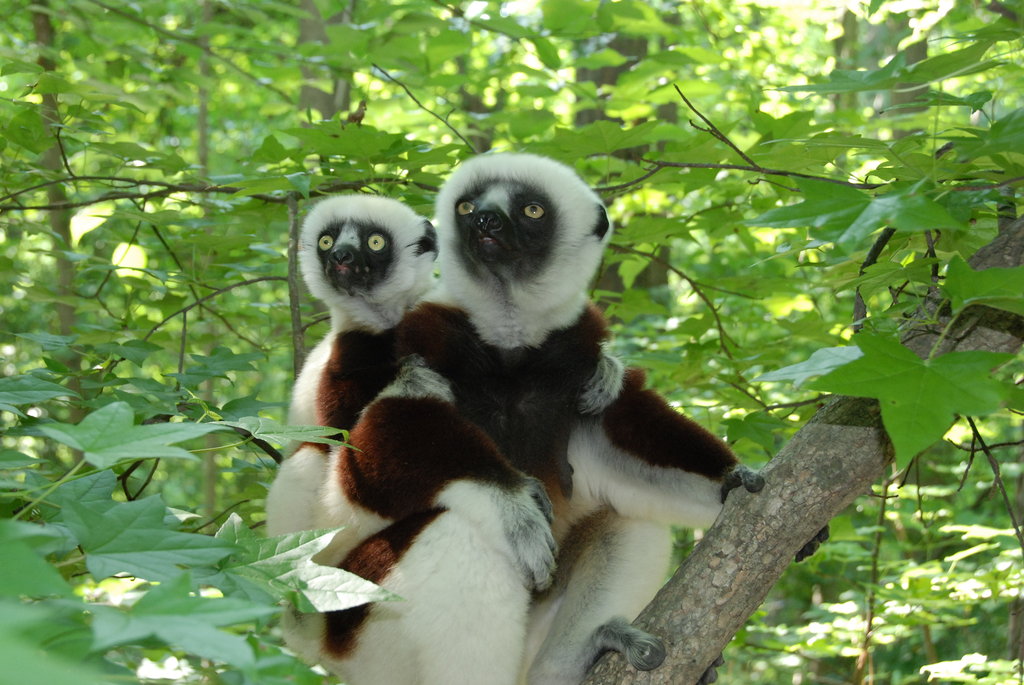
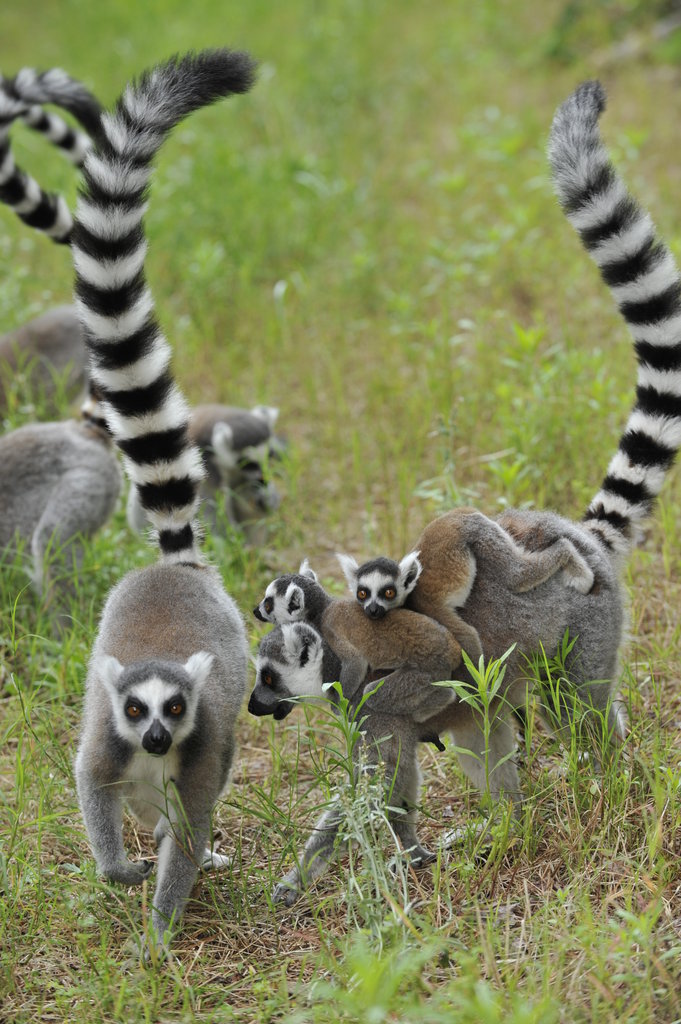
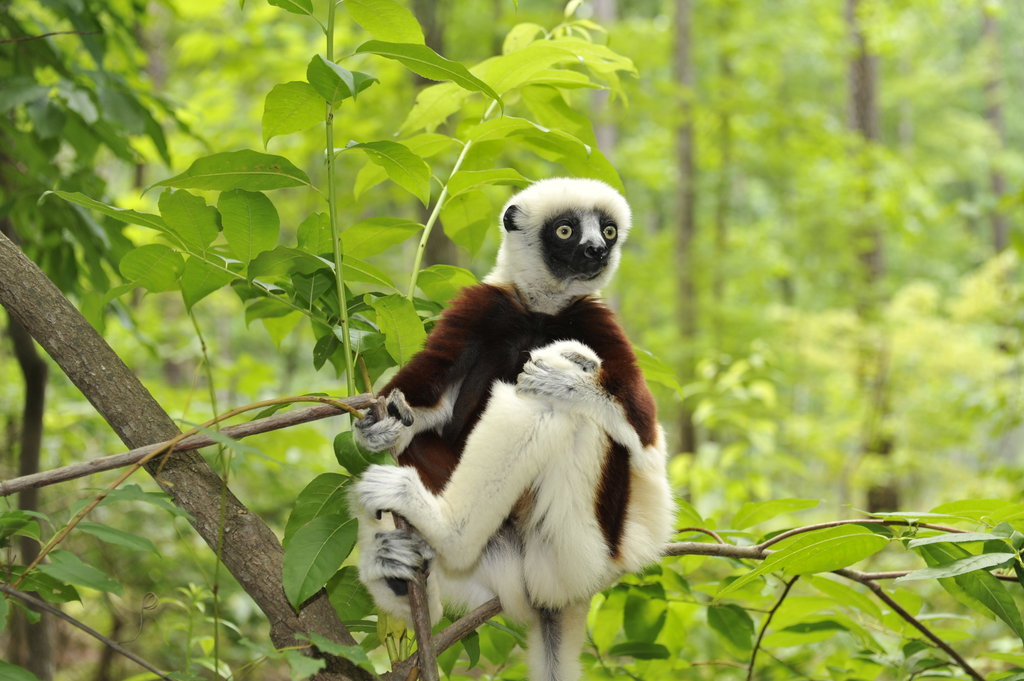
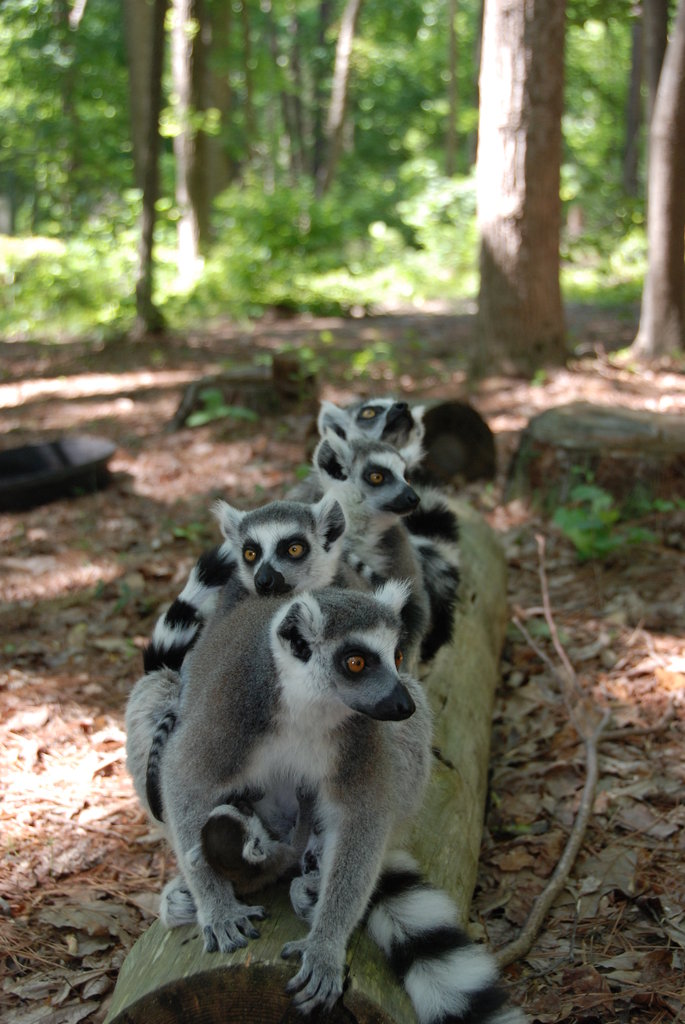
At the Duke Lemur Center, we have 9 large forested areas where different groups of lemurs frolic in the forests. The area that you have supported, provides a family of Coquerel’s sifakas and ring-tailed lemurs with 5.8 acres of forest.
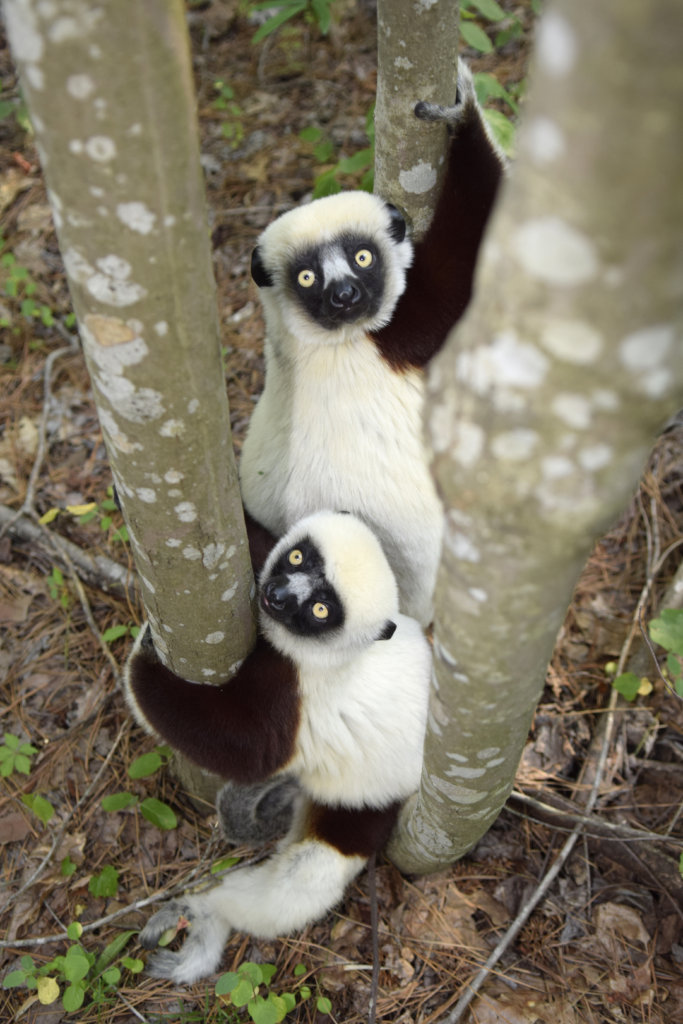
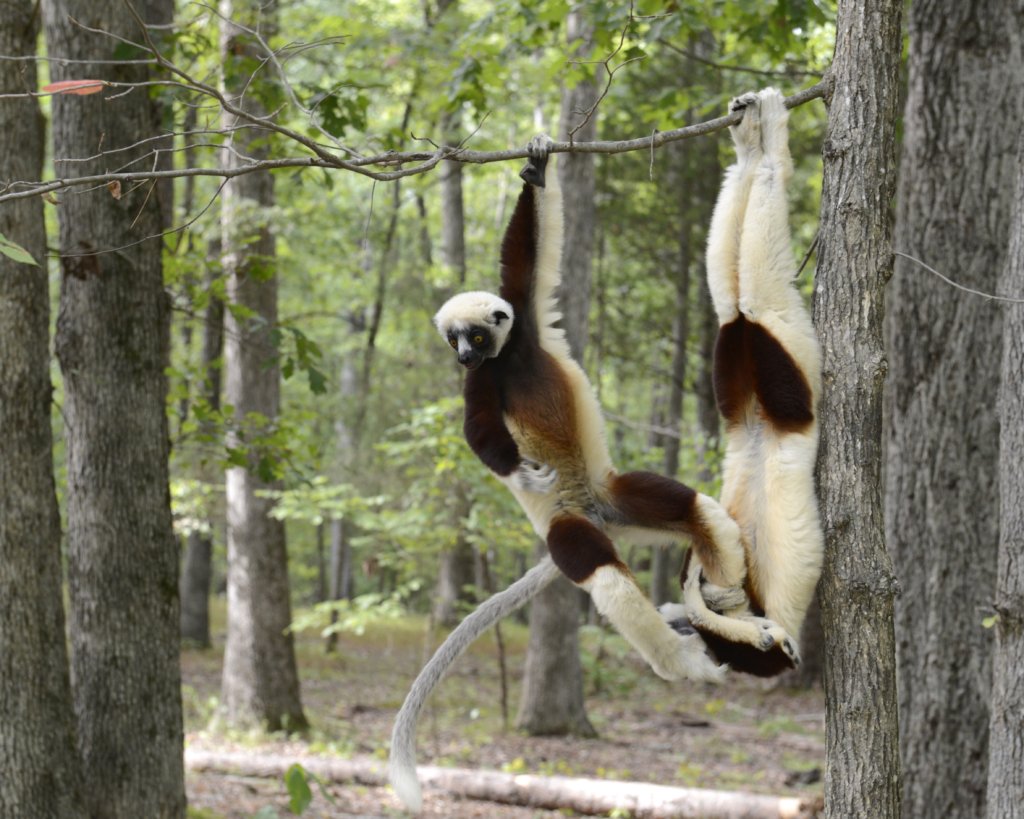
The Coquerel’s sifaka family of Euphemia, Lucius, Lupicina, and uncle Thrax have had an amazing, adventurous summer filling their bellies with sweet gum tree leaves, mimosa tree leaves and pine needles. (Yuck, how do they like pine needles?!)
Little Lupicina became an expert leaper and climber. She is now 9 months old! By last week, she would rarely seek out comfort from Euphemia, her mother. She became a very independent lemur. Euphemia was always watching her brave little daughter, even though she was pretending not to.
Euphemia and Lucius are scheduled to breed again this year. All of our fingers are crossed for another beautiful baby Coquerel’s sifaka in January.
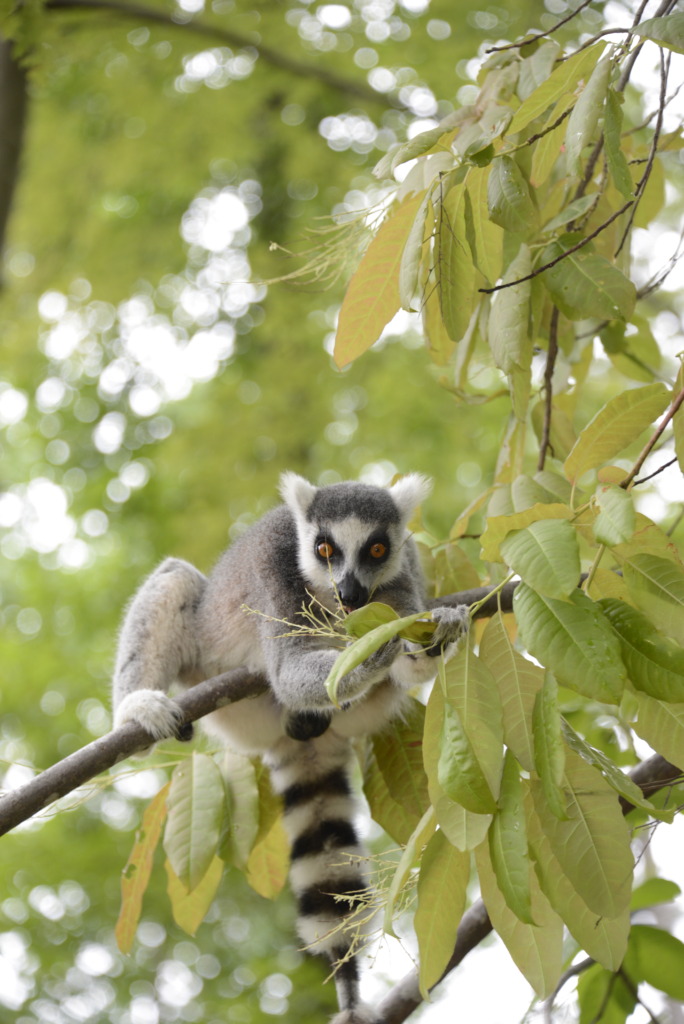
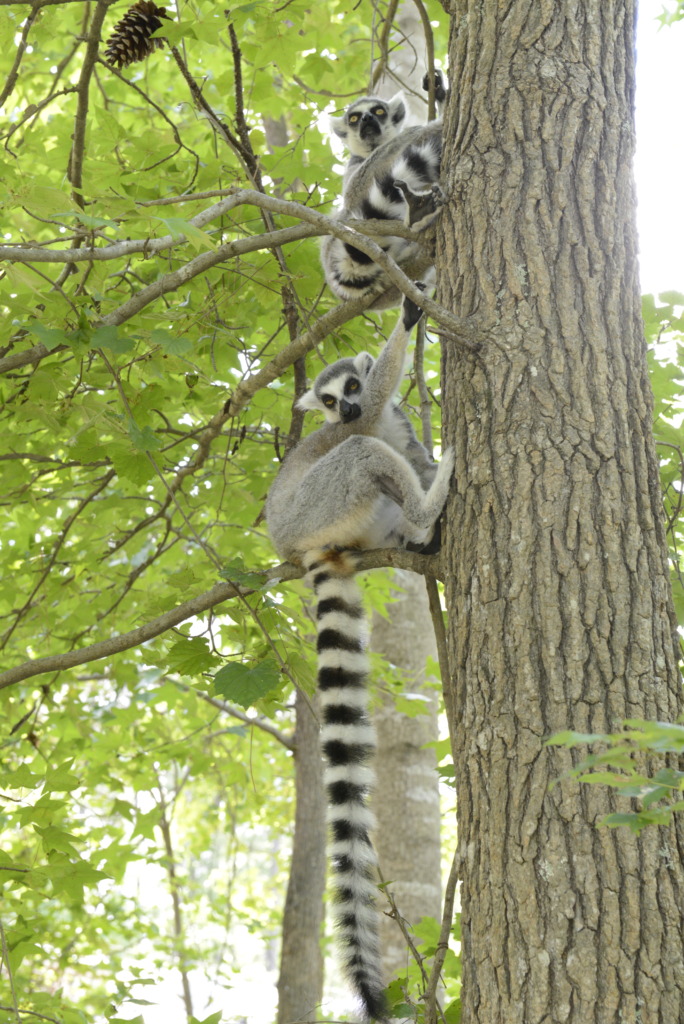
The ring-tailed lemur family of Licinius and Tellus have staked out a solid corner of the forest and have guarded their area to ensure that no other ring-tailed lemurs will ever threaten their territory. This area has been very well scent-marked and patrolled.
Hurricane Joaquin blew through Durham this past weekend with some showers and nothing more exciting. We are all very grateful for the lack of damage. All lemurs at the Duke Lemur Center were brought inside to ensure their safety from the storm. We are a little over-protective of these incredibly endangered animals. All lemurs hunkered down and made it through the weekend, somewhat unimpressed that they had to be inside while the temperatures were still appropriate for outside living!
The lemurs will be brought inside for the winter once the night time temperatures are 45 degrees. This is when our keepers work doubly as hard to ensure that all lemurs have plenty of enrichment activities to keep their brains engaged and working.
Your donations, big and small, all help keep this project going and keep the lemurs in the forest. Thank you for all of your support!
Project reports on GlobalGiving are posted directly to globalgiving.org by Project Leaders as they are completed, generally every 3-4 months. To protect the integrity of these documents, GlobalGiving does not alter them; therefore you may find some language or formatting issues.
If you donate to this project or have donated to this project, you can receive an email when this project posts a report. You can also subscribe for reports without donating.