By Jennifer Smith | Executive Director
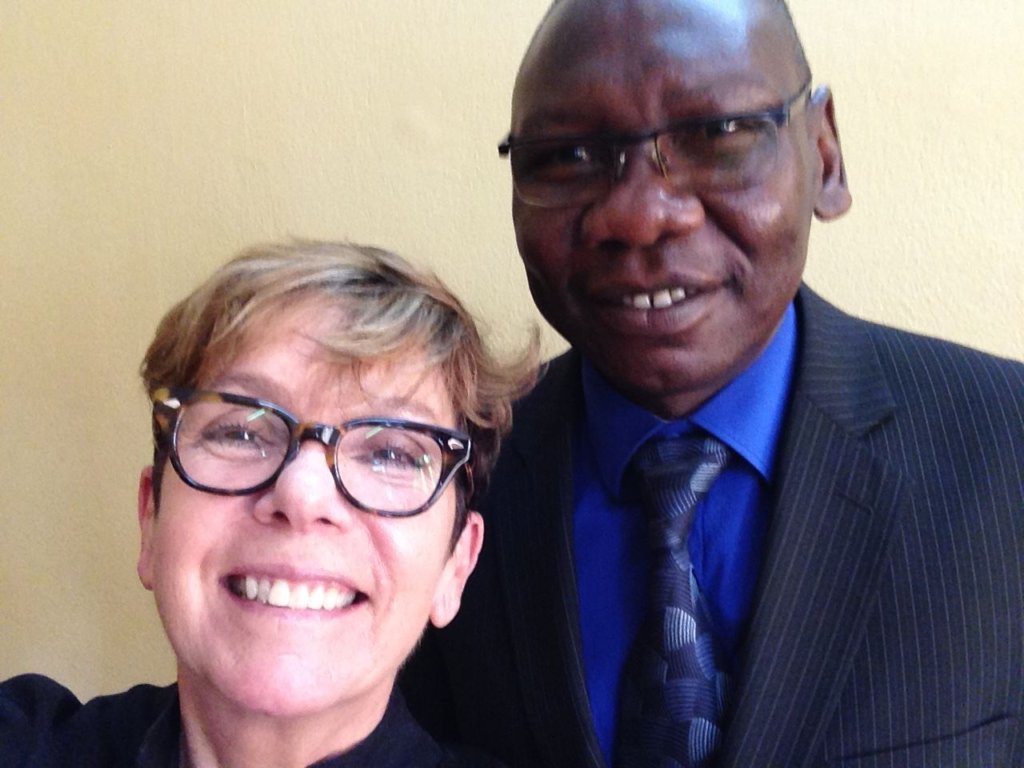
In October 2016, the International Legal Foundation (ILF) conducted a two-week assessment of access to counsel in the Central African Republic, led by Natalie Rea, founder and current board member of the ILF. The Central African Republic is emerging from a crisis that began when rebels overthrew the national government in 2013. During the civil war that followed, thousands were killed, and a quarter of the population was displaced. The justice system in the Central African Republic was also decimated during the conflict. There are few functioning courts outside of the capital Bangui and few lawyers to represent the indigent accused, and detainees are kept in dilapidated buildings in crowded and insanitary conditions.
The justice system in the Central African Republic must be urgently strengthened if the country is to achieve lasting peace. The World Bank’s 2011 World Development Report identified weak institutions as the main predictor of whether violence and instability will occur or reoccur in a fragile country. When state institutions do not adequately protect citizens, provide access to justice, or guard against corruption the likelihood of violent conflict increases. A strong criminal defense bar and effective indigent defense institutions are essential components of fair and balanced criminal justice systems. Criminal defense lawyers serve as a check on the other branches of the justice system, ensuring that laws are fully and fairly implemented and that every person is afforded due process of law. They also protect the accused from arbitrary detention and other abuses, such as torture and corruption.
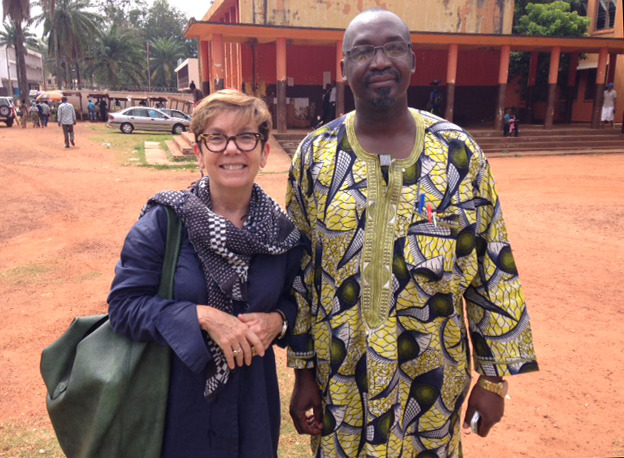
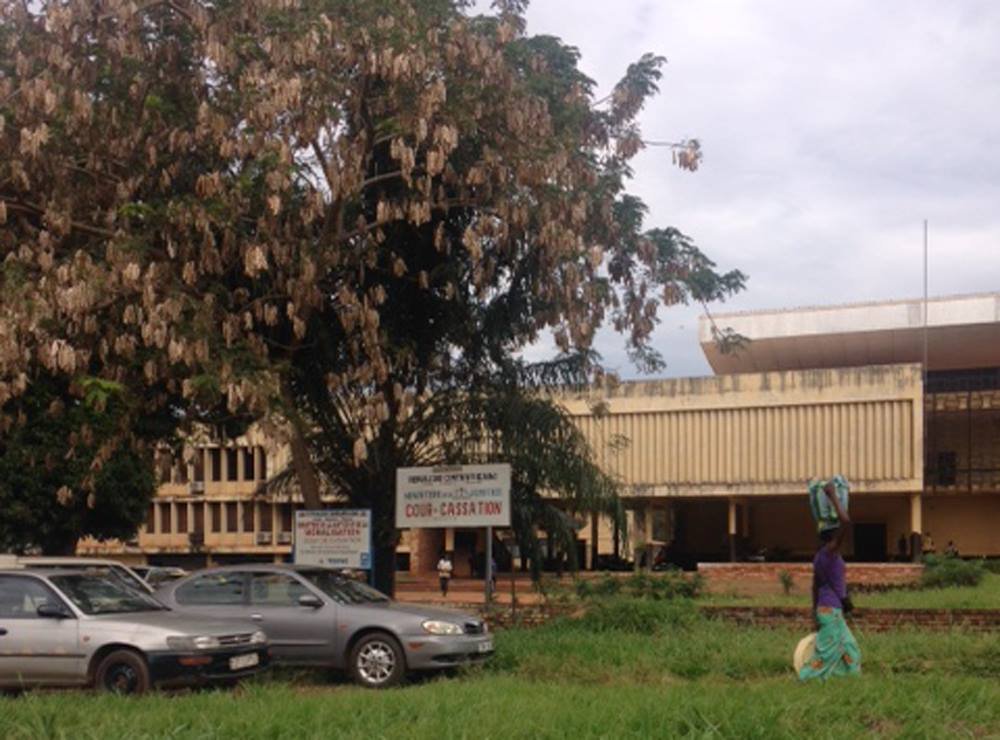
From October 14 to 20, Rea visited Bangui, the capitol of the Central African Republic, where she spoke with representatives of local government and civil society, of international NGOs, and of United Nations projects, including MINUSCA. She visited the city’s justice and judicial organs, held candid conversations with stakeholders, and reviewed laws relevant to the provision of legal aid.
The ILF’s forthcoming report on this assessment makes clear that while efforts have been made to strengthen access to justice, including the adoption of a new Constitution and creation of a Special Criminal Court that would try the most serious crimes, the lack of a functioning legal aid system threatens to undermine efforts at reform. Based on its assessment, the ILF is now considering ways to provide assistance in the Central African Republic as they undertake the reform of their justice system. This assessment reflects the ILF’s growing emphasis on providing expert advice and assistance to countries that are beginning to develop or improve their legal aid systems, in addition to our long-standing work in providing direct legal aid services.
Project reports on GlobalGiving are posted directly to globalgiving.org by Project Leaders as they are completed, generally every 3-4 months. To protect the integrity of these documents, GlobalGiving does not alter them; therefore you may find some language or formatting issues.
If you donate to this project or have donated to this project, you can receive an email when this project posts a report. You can also subscribe for reports without donating.