By Liz Riegel | Communications Associate
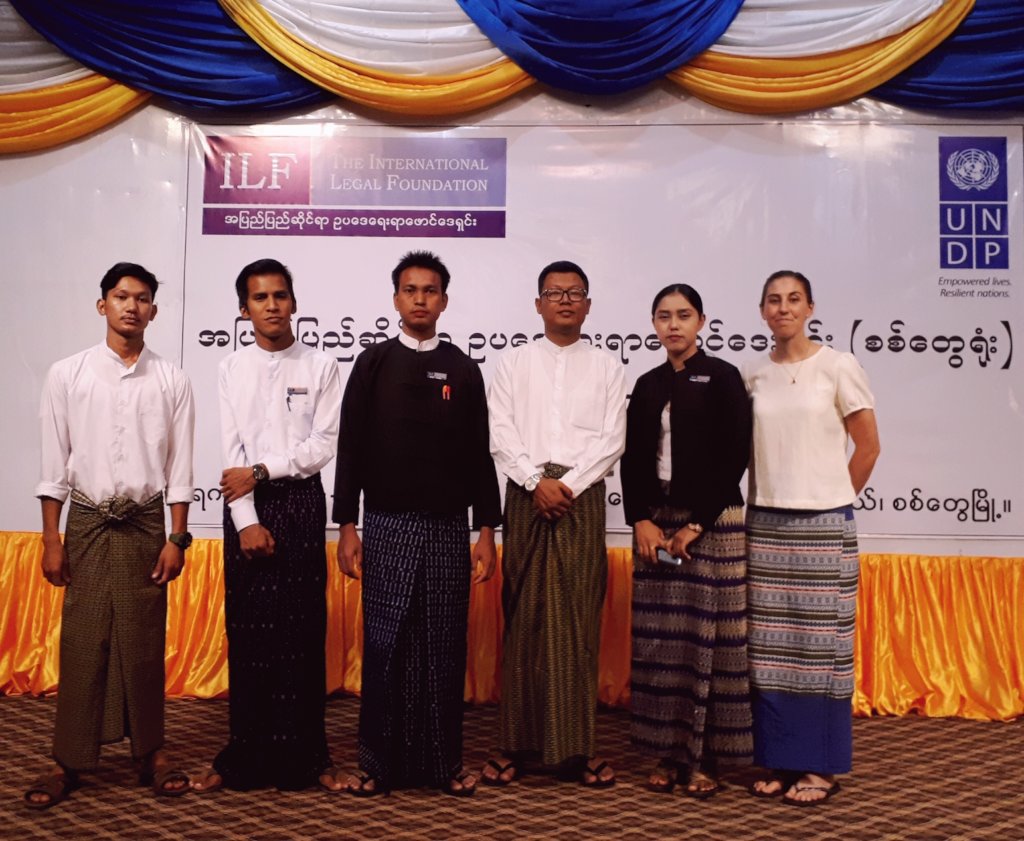
Since 2014, the ILF has worked with the Government of Myanmar to provide advice and support as they drafted and adopted the country’s first legal aid law. In July, the ILF continued its engagement with Myanmar when the ILF’s Executive Director consulted with the Supreme Court of the Union of Myanmar on the establishment of Myanmar’s new legal aid system under that law.
The law, which aims to establish Myanmar’s first state-sponsored legal aid system and expand the right to counsel, was drafted by members of Myanmar’s Parliament who participated in the first International Conference on Access to Legal Aid in Criminal Justice Systems. This conference was held in Johannesburg, South Africa in 2014, and was co-hosted by the ILF. After the conference, members of Myanmar’s government and civil society reached out to the ILF for assistance in ensuring access to legal aid in Myanmar, including assistance with the draft legal aid bill.
Throughout 2015, the ILF met with members of Myanmar’s Parliament to advise them on the draft legal aid bill, which was adopted as law in January 2016. Under the new law, the Supreme Court will oversee a new Union Legal Aid Board, which will be responsible for administering legal aid.
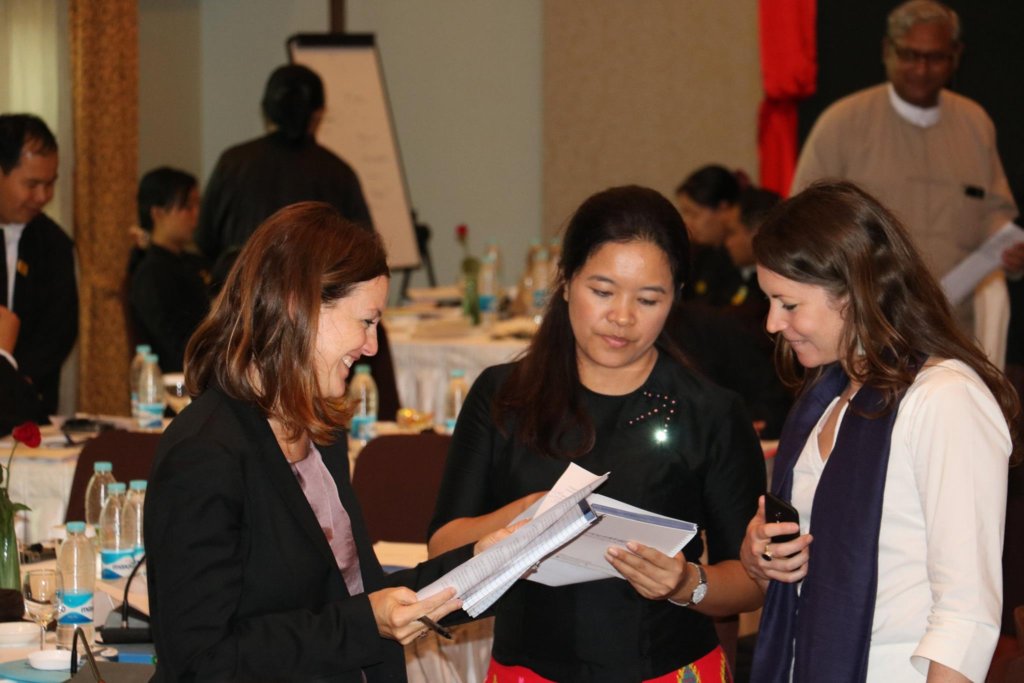
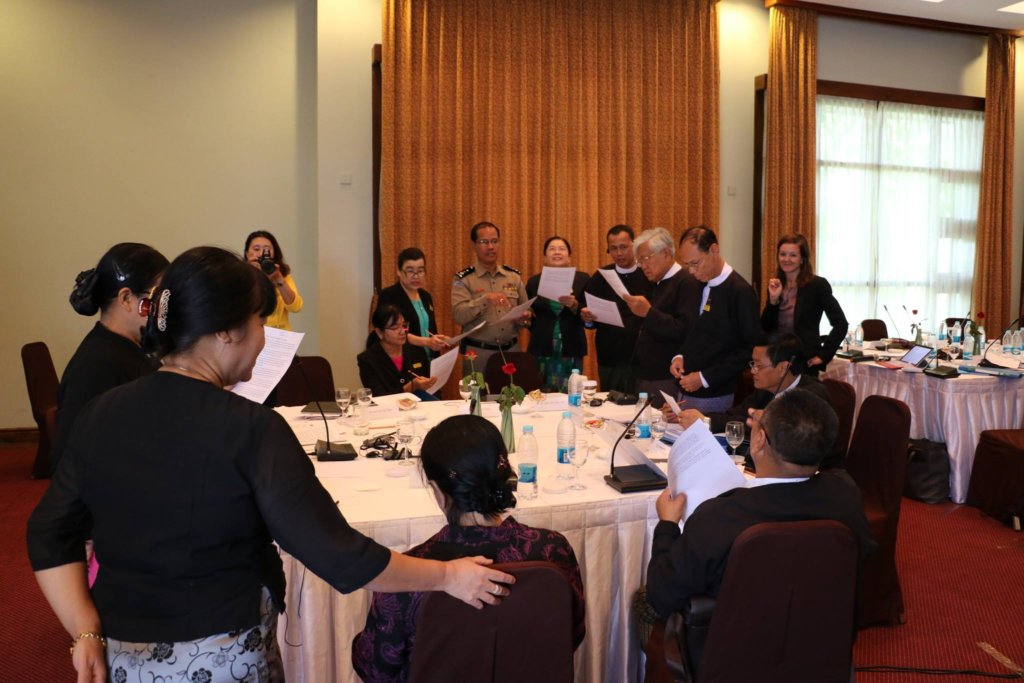
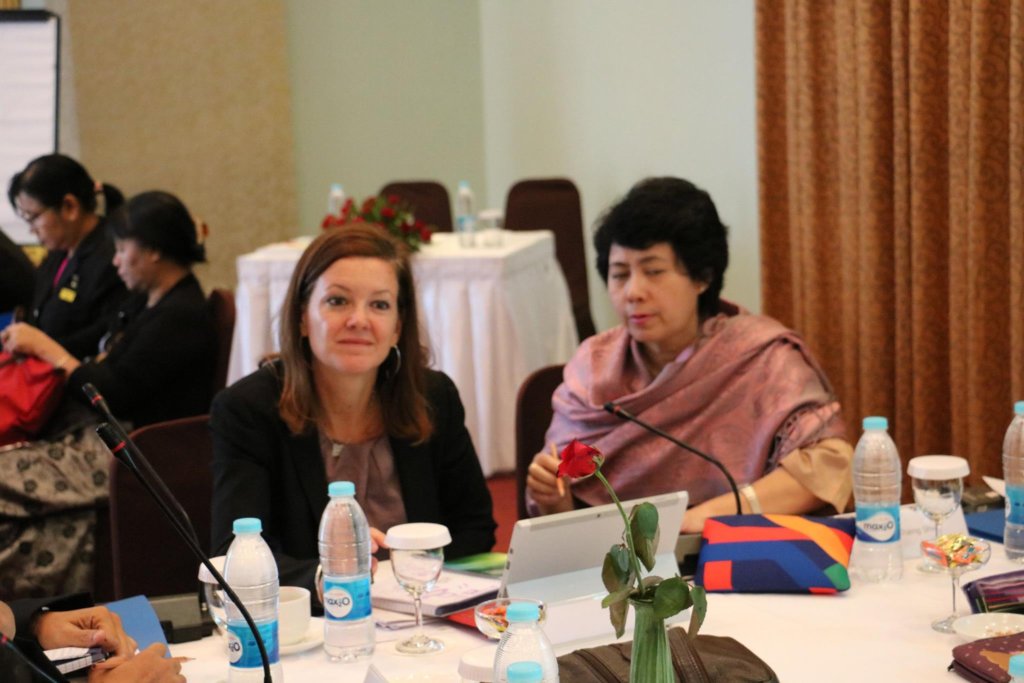
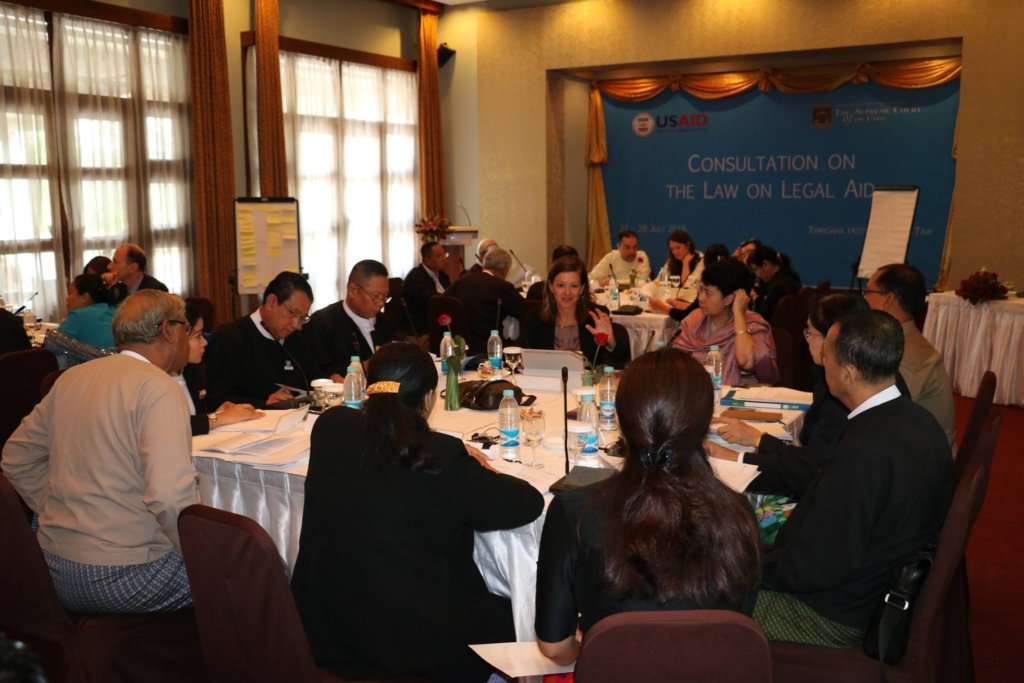
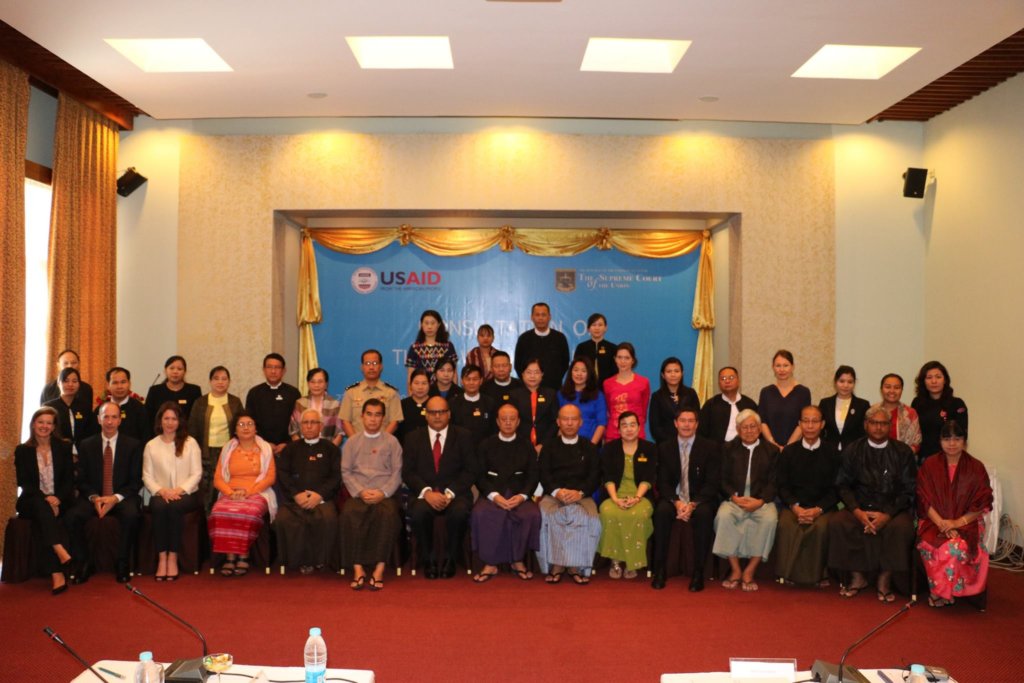
This past July, the ILF’s executive director Jennifer Smith visited Myanmar again to continue the ILF’s engagement with the Government of Myanmar and to support their adoption of this historic piece of legislation. She participated in a consultation session with the Supreme Court of the Union of Myanmar and other governmental and civil society stakeholders on how to implement the legal aid law effectively.
During this consultation, Ms. Smith drew upon the ILF’s extensive experience setting up legal aid systems in post-conflict and transitional countries. She advised the Supreme Court on policies and strategies that would ensure that the indigent accused can receive access to quality, effective legal representation. These policies include appointment mechanisms that provide for access to legal aid at the time of arrest; eligibility requirements that won’t restrict the poor’s access to counsel; and qualification standards and monitoring and evaluation systems that can ensure the quality of legal aid services provided to the poor. She also provided participants with an overview of legal aid delivery systems used worldwide.
The consultation concluded with a meeting with the Supreme Court’s legal aid process implementation working group, tasked with implementing the new legal aid law. At the meeting, the ILF and other experts provided recommendations for establishing a pilot legal aid program, set out a timeline of specific action items, and agreed to provide continuing support and assistance. The ILF looks forward to continuing to support the development of legal aid in Myanmar over the next months and years.
Project reports on GlobalGiving are posted directly to globalgiving.org by Project Leaders as they are completed, generally every 3-4 months. To protect the integrity of these documents, GlobalGiving does not alter them; therefore you may find some language or formatting issues.
If you donate to this project or have donated to this project, you can receive an email when this project posts a report. You can also subscribe for reports without donating.