By Geof Jarvis | Head of Fundraising and Communications
Updated GlobalGiving Report
1 July to 30 September 2018
Author: Geof Jarvis; Head of Fundraising and Communications, PAS
Delivery of Outreach Clinics for Women and Disabled Prisoners
Since our last report, your kind donations have continued to help us to maintain our outreach services for women and the disabled in prisons across England and Wales.
Our Services for Women Prisoners
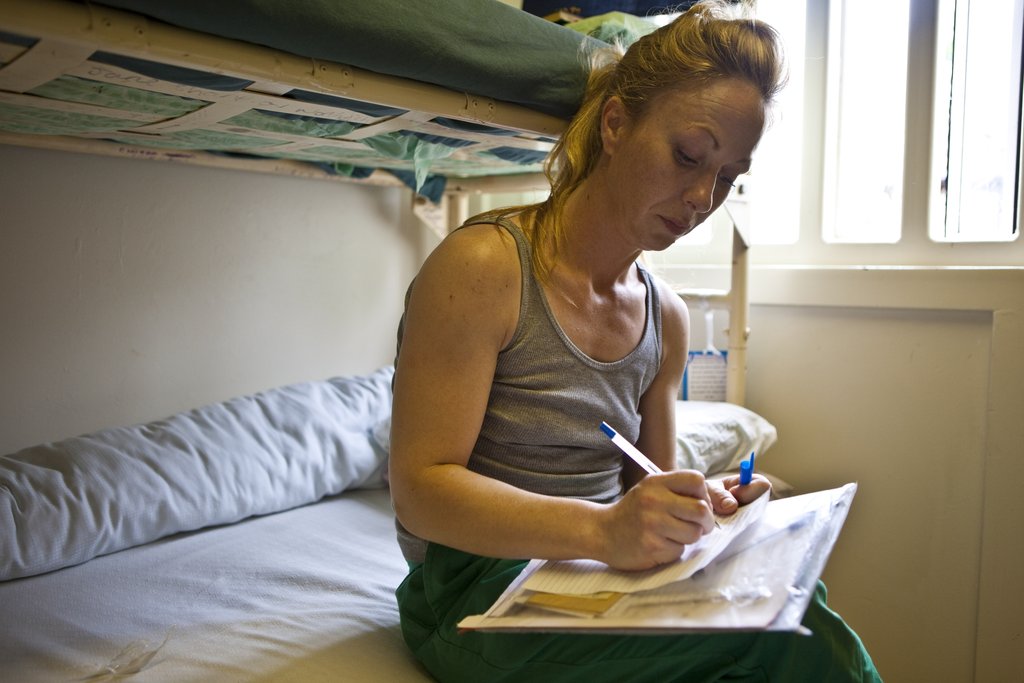
Over the course of the last three months – July, August and September 2018 – PAS continued to deliver Outreach Clinics in women’s prisons, providing nine clinics in four prisons during this period: HMPs Bronzefield in Surrey, Downview in Surrey, New Hall in West Yorkshire and Send in Surrey. Over the three month period, we helped 61 women face-to-face through Outreach Clinics alone.
In addition, we responded to a total of 15 letters, five phone calls and four e-mails from women prisoners – from those prisons listed above, and from the remaining women’s prisons: HMPs Askham Grange in North Yorkshire, Drake Hall in Staffordshire, East Sutton Park in Kent, Eastwood Park in Gloucestershire, Foston Hall in Derbyshire, Low Newton in County Durham, Peterborough in Cambridgeshire and Styal in Cheshire.
Working with Disabled Prisoners
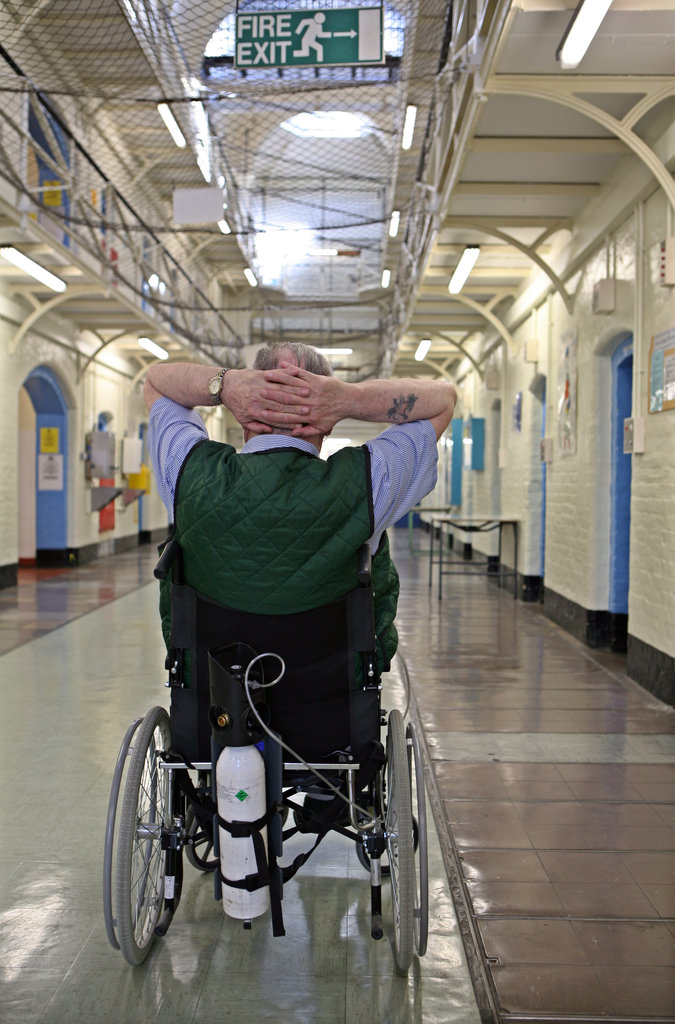
Over the last three months, your support has helped support our Community Care Caseworkers to deliver eight Outreach Clinics in three prisons: HMPs Pentonville and Thameside, both in London, and Leyhill in Gloucester. During clinics, our Caseworkers held 91 face-to-face meetings with individual, disabled prisoners. Your grant also helped Caseworkers to respond to a total of eight telephone calls and letter enquiries from disabled prisoners during this three month window.
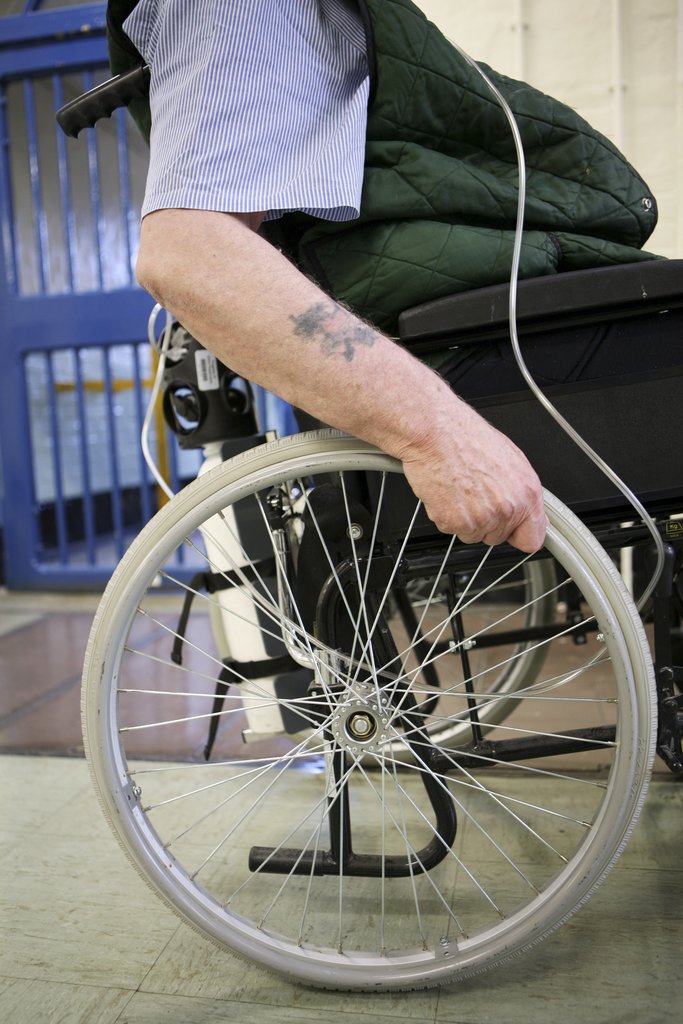
PAS helps prisoners with disabilities to obtain the auxiliary aids that they require, for example, crutches, wheelchairs, etc. We assist prisoners to gain access to prison workshops and to education classes. Our caseworkers can request that such classes be moved to the ground floor if disabled access to upper floors is not possible. We also work to ensure extended library book loans for dyslexic prisoners and the provision of large print books for visually impaired prisoners.
Case Study 1: PAS Helps Prisoner Gain Contact with Children
Prisoner A, had been convicted of killing her mother-in-law, receiving a life sentence with a minimum term of 11 years. The starting point for the minimum tariff for murder is 15 years; Prisoner A’s lower tariff reflected the fact that the judge accepted she had been provoked to a certain degree by her relative’s abusive behaviour for approximately six months before the incident.
Prisoner A was housed on a Therapeutic Community in prison, having been sent there as she was suffering from poor mental health and the effects of trauma. Being of South Asian origin, she had limited use of the English language.
Prisoner A had not seen her two sons for over two years. She had received visits from them (brought by their father) when she was first in prison but the frequency gradually reduced until the visits stopped completely. She only had one telephone call with her children in the two year period.
PAS’ Women Prisoners’ Caseworker advised the prisoner that she could apply for a Child Arrangements Order for contact with her children in the family courts. PAS completed her application; communicated with the court to ensure a Production Order was granted for her to attend the first hearing; wrote to the court to highlight her vulnerabilities and drafted a Position Statement for her, setting out her request for the court before the hearing. This was particularly important as her English was limited.
The court made an interim order for contact, allowing her to see her youngest child (the eldest was over 16 and the court only grants orders for children between 16 and 18 in exceptional circumstances). The court also ordered indirect contact through letters and phone calls, and letters to the eldest son. At the time of publishing, PAS is hopeful that the court will order contact to continue at the final hearing.
Case Study 2: Male Prisoner able to Receive Regular Visits from Autistic Son
Having already introduced Family Law advice as a part of our work with women prisoners, a recent case highlighted the need for a similar service to be available in the male estate.
PAS heard from Prisoner B, from Pentonville in London, who was being prevented from seeing his six-year old son. The boy was autistic and finding the public transport required to visit his father overstimulating and highly distressing. It became simply too challenging for Prisoner B’s wife to travel into central London with their son to see his dad. As a result, Prisoner B only saw his son once a month, despite having earned enhanced prisoner status, which ordinarily would entitle him to more, and potentially longer, visits from his family.
PAS wrote a letter to the Head of the Offender Management Unit at Pentonville to request that Prisoner B be transferred to an institution closer to the family home as a reasonable adjustment under section 20 of the Equality Act, which states that, “where a provision, criterion or practice… puts a disabled person at a substantial disadvantage in relation to a relevant matter in comparison with persons who are not disabled, [then the organisation on whom the duty is imposed should] take such steps as it is reasonable to have to take to avoid the disadvantage.”
As a result of our intervention, Prisoner B was transferred to the prison closer to his family home, where – as the journey to do so was now shorter and less daunting for them – his son and wife could now visit him far more frequently.
In Conclusion
Prisoners’ Advice Service remains most grateful to GlobalGIving for helping to support our work with female and disabled prisoners in England and Wales. Without the assistance of charitable organisations such as your own, the work that we do with vulnerable prisoners would be severely curtailed.
Links:
Project reports on GlobalGiving are posted directly to globalgiving.org by Project Leaders as they are completed, generally every 3-4 months. To protect the integrity of these documents, GlobalGiving does not alter them; therefore you may find some language or formatting issues.
If you donate to this project or have donated to this project, you can receive an email when this project posts a report. You can also subscribe for reports without donating.