By Geof Jarvis | Head of Fundraising and Communications
Updated Global Giving Report
1 April to 30 June 2018
Author: Geof Jarvis; Head of Fundraising and Communications, PAS
Delivery of Outreach Clinics for Women and Disabled Prisoners
Since our last report, your kind donations have continued to help us to expand our outreach services for women and the disabled in prison across England and Wales.
Our Services for Women Prisoners
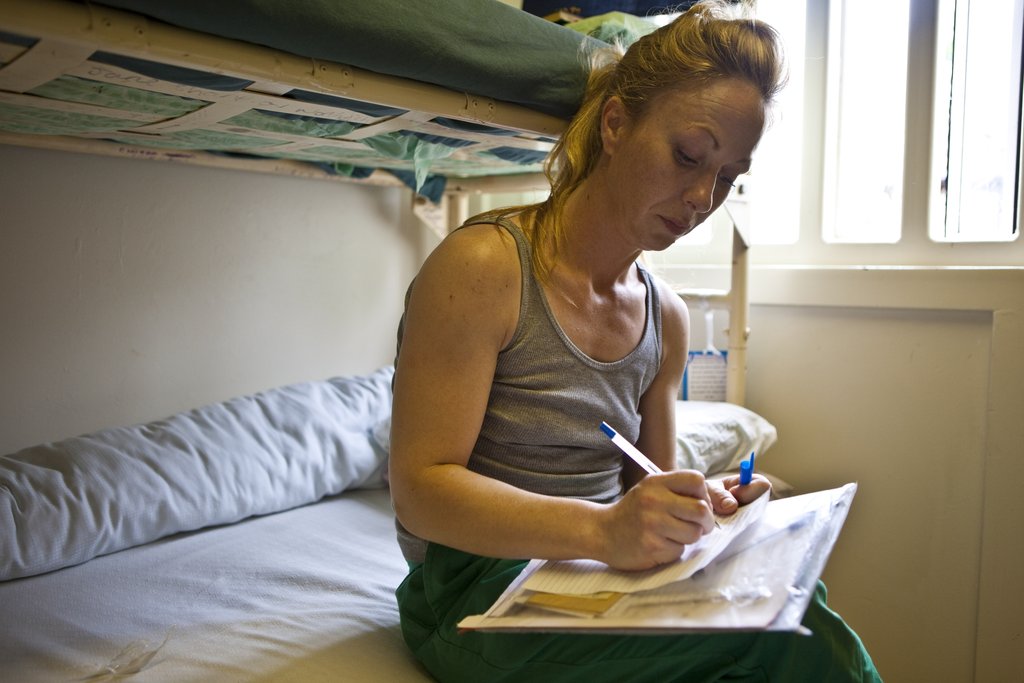
Over the course of the last three months – January, February and March 2018 – PAS continued to deliver Outreach Clinics in women’s prisons, providing eight clinics in four prisons during this period: HMPs Bronzefield in Surrey, Downview in Surrey, New Hall in West Yorkshire and Send in Surrey. Over the three month period, we helped 73 women face-to-face through Outreach Clinics alone.
In addition, we responded to a total of 37 letters, seven phone calls and three e-mails from women prisoners – from those prisons listed above, and from the remaining women’s prisons: HMPs Askham Grange in North Yorkshire, Drake Hall in Staffordshire, East Sutton Park in Kent, Eastwood Park in Gloucestershire, Foston Hall in Derbyshire, Low Newton in County Durham, Peterborough in Cambridgeshire and Styal in Cheshire.
Working with Disabled Prisoners
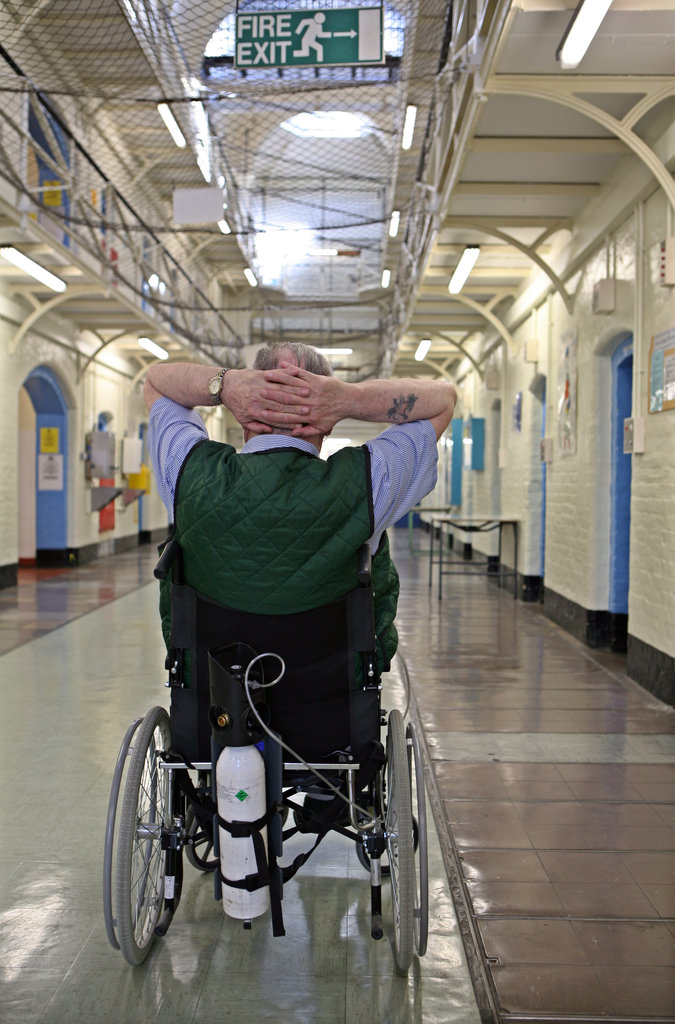
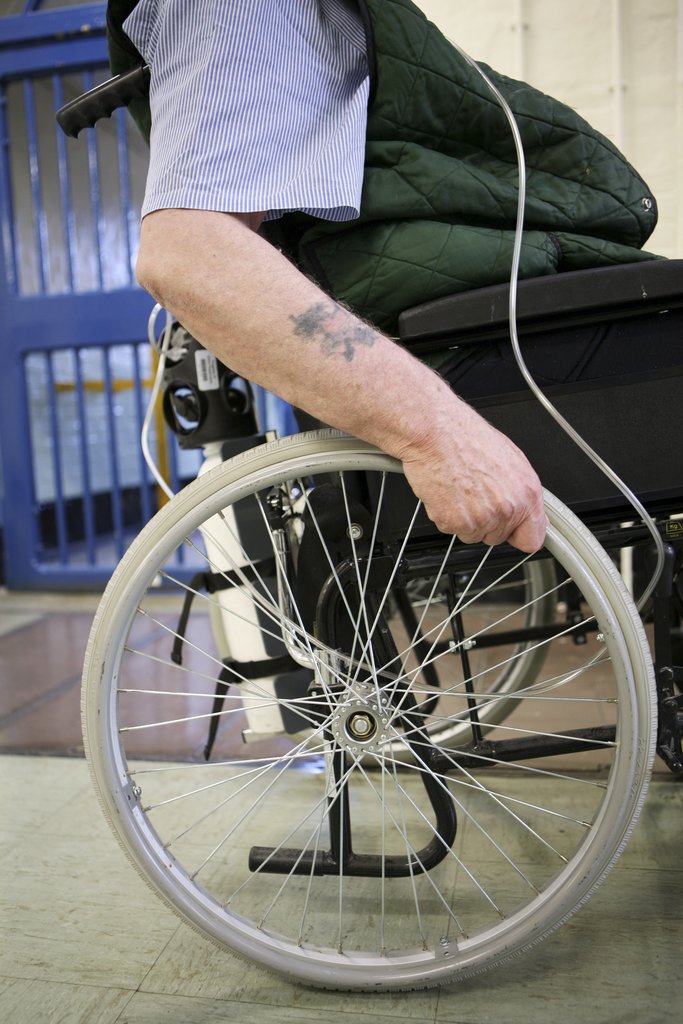
Over the last three months, your support has helped support our Community Care Caseworkers to deliver four Outreach Clinics in two prisons: HMPs Pentonville and Thameside, both in London. During clinics, our Caseworkers held 36 face-to-face meetings with individual, disabled prisoners. Your grant also helped Caseworkers to respond to a total of 46 telephone calls and letter enquiries from disabled prisoners during this three month window.
PAS helps prisoners with disabilities to obtain the auxiliary aids that they require, for example, crutches, wheelchairs, etc. We assist prisoners to gain access to prison workshops and to education classes. Our caseworkers can request that such classes be moved to the ground floor if disabled access to upper floors is not possible. We also work to ensure extended library book loans for dyslexic prisoners and the provision of large print books for visually impaired prisoners.
Case Study 1: Double Amputee Released to Adapted Accommodation
Prisoner A is a double amputee whose Home Detention Curfew (HDC) release date was fast approaching when he contacted PAS on our advice line. He was concerned that due to a delay in completing his Home Circumstances Report, he would lose the specially adapted bungalow to which he hoped to be released. Prisoner A had been told by the prison that because there were rent arrears outstanding on the property, the Home Circumstances Report could not be completed and the property could not be approved.
Prisoners’ Advice Service contacted the housing association which owned the bungalow and made enquiries as to how Prisoner A should go about paying off the rent arrears. There had been a lack of effective communication between the housing association and the prison, which meant that this issue had not been resolved. The housing association assured PAS that once the rent arrears were paid off, the bungalow would be held for the prisoner. Prisoner A was then able to arrange for a friend to pay off his arrears.
PAS confirmed this had happened with the housing association and wrote to the Probation Service asking them to expedite Prisoner A’s HDC Home Circumstances Report. Within a week, the Probation Service confirmed the HDC release date could now be arranged as his Home Circumstances Report had been completed and his property approved. Prisoner A was then released on HDC to his adapted bungalow.
Case Study 2: Court Orders Contact With Her Children for Prisoner
Prisoner B, had been convicted of killing her mother-in-law, receiving a sentence of Life with a minimum term of 11 years because the judge had found some relevant provocation in the form of domestic violence when considering her case, including from her mother-in-law when she visited from India. This was reflected in her minimum tariff (for which the usual starting point is 15 years).
Prisoner B was on a Therapeutic Community wing in prison, having been sent there as she was suffering from poor mental health and the effects of trauma. Being of Indian origin, she had limited use of the English language.
Prisoner B had not seen her two sons for over two years. She had received visits from them (brought by their father) when she was first on remand but the frequency gradually reduced until she was receiving no visits. She had no contact either, apart from a phone call when the children were visiting her family in India. The father was refusing contact and had filed for divorce.
PAS’ Women Prisoners’ Caseworker advised the prisoner that she could apply for a Child Arrangements Order for contact with her children in the family courts. PAS completed her application; communicated with the court to ensure a Production Order was granted for her to attend the first hearing; wrote to the court to highlight her vulnerabilities and drafted a Position Statement for her, setting out her perspective for the court. This was particularly important as her English was limited.
The court made an interim order for contact, allowing her to see her youngest child, a minimum of three times before her final hearing (the oldest was over 16 and the court only makes orders for children between 16 and 18 in exceptional circumstances). The court also ordered indirect contact through letters and phone calls, and letters to the eldest son. At the time of going to print, PAS was hopeful that the court would also order contact with the eldest child at the final hearing.
In Conclusion
Prisoners’ Advice Service remains most grateful to GlobalGIving for helping to support our work with female and disabled prisoners in England and Wales. Without the assistance of charitable organisations such as your own, the work that we do with vulnerable prisoners would be severely curtailed.
Links:
Project reports on GlobalGiving are posted directly to globalgiving.org by Project Leaders as they are completed, generally every 3-4 months. To protect the integrity of these documents, GlobalGiving does not alter them; therefore you may find some language or formatting issues.
If you donate to this project or have donated to this project, you can receive an email when this project posts a report. You can also subscribe for reports without donating.