By Geof Jarvis | Fundraising and Communications Manager
1 January to 31 March 2018
Delivery of Outreach Clinics for Women and Disabled Prisoners
Since our last report, your kind donations have continued to help us to expand our outreach services for women and the disabled in prison across England and Wales.
Our Services for Women Prisoners
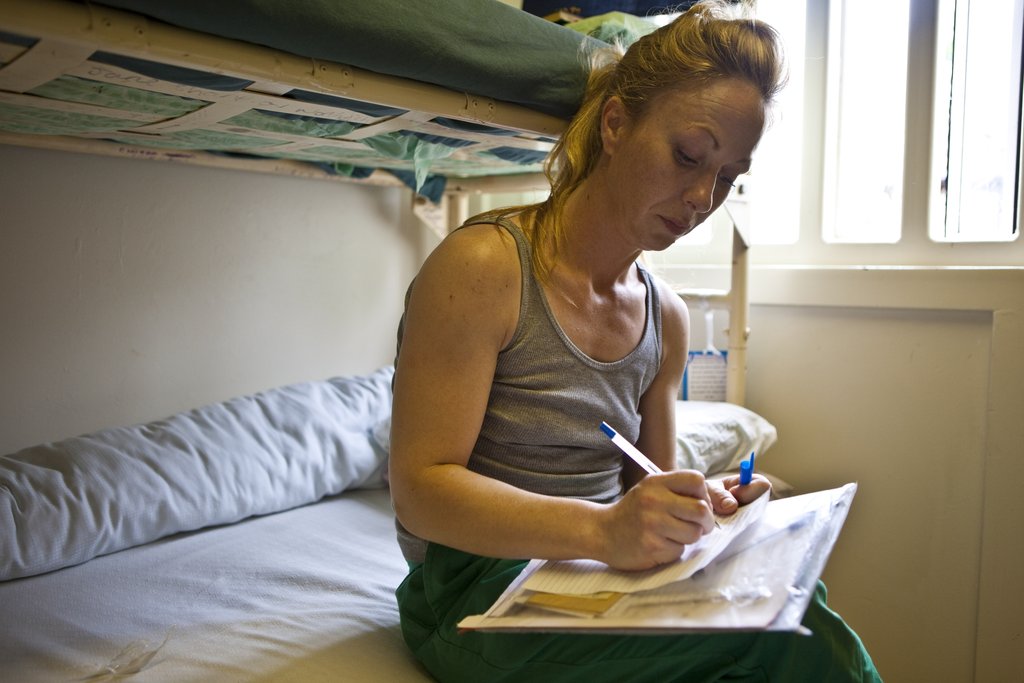
Over the course of the last three months – January, February and March 2018 – PAS continued to deliver Outreach Clinics in women’s prisons, providing 10 clinics in five prisons during this period: HMPs Bronzefield in Surrey, Downview in Surrey, New Hall in West Yorkshire, Styal in Cheshire and Send in Surrey. Over the three month period, we helped 79 women face-to-face through Outreach Clinics alone.
In addition, we responded to a total of 24 letters, 11 phone calls and two e-mails from women prisoners – from those prisons listed above, and from the remaining women’s prisons: HMPs Askham Grange in North Yorkshire, Drake Hall in Staffordshire, East Sutton Park in Kent, Eastwood Park in Gloucestershire, Foston Hall in Derbyshire, Low Newton in County Durham and Peterborough in Cambridgeshire.
Working with Disabled Prisoners
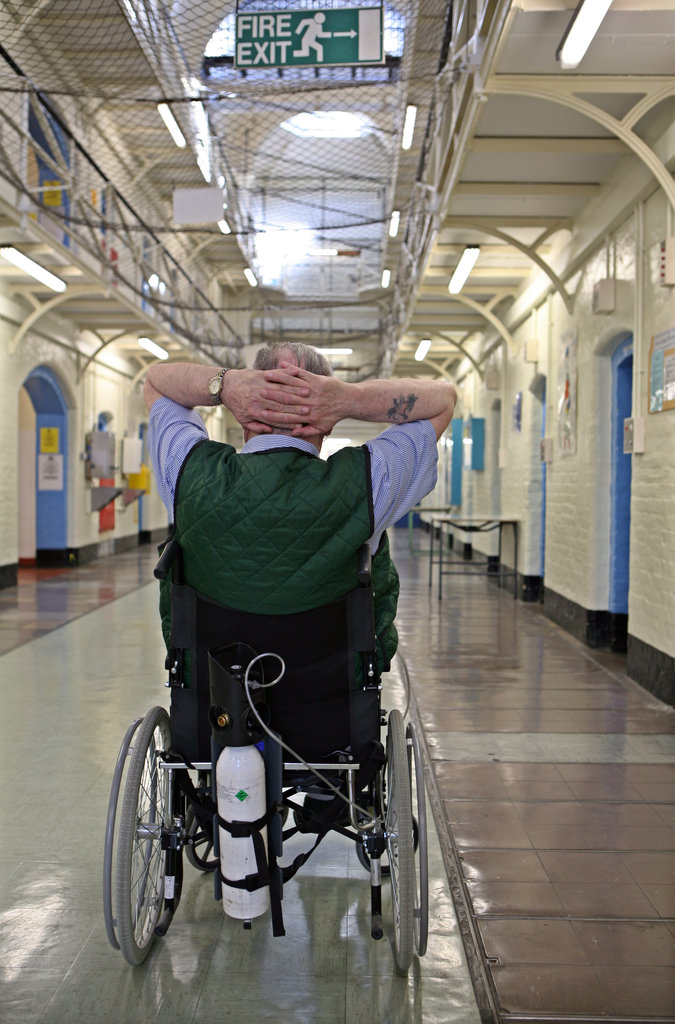
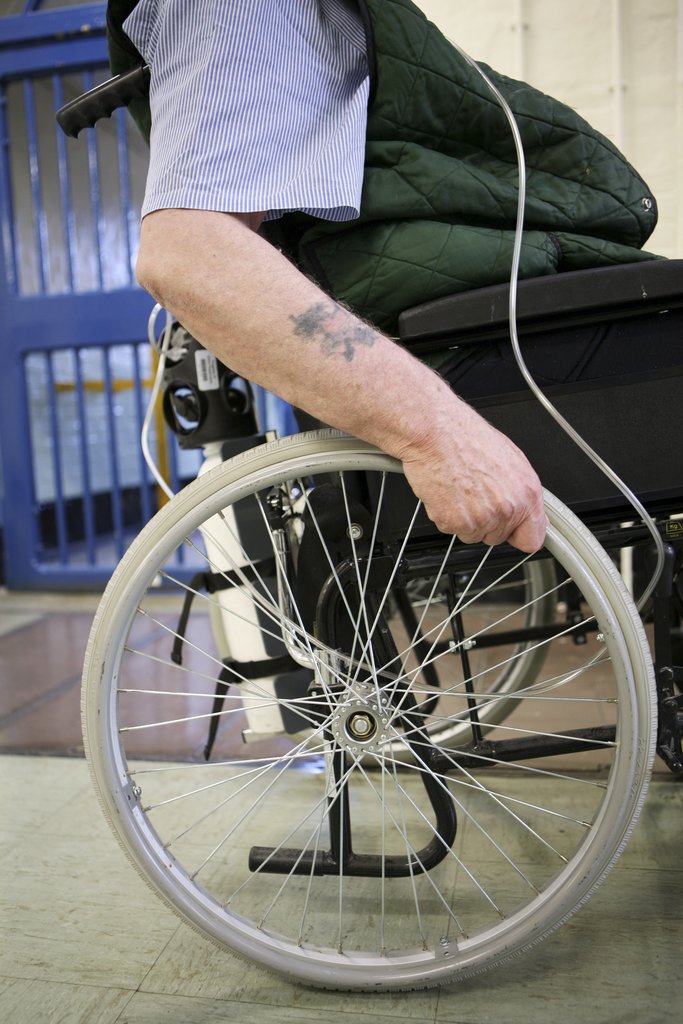
Over the last three months, your support has helped support our Community Care Caseworkers to deliver seven Outreach Clinics in three prisons: HMPs Lewes in East Sussex and Pentonville and Thameside, both in London. During clinics, our Caseworkers held 74 face-to-face meetings with individual, disabled prisoners. Your grant also helped Caseworkers to respond to a total of 46 telephone calls and letter enquiries from disabled prisoners during this three month window.
PAS helps prisoners with disabilities to obtain the auxiliary aids that they require, for example, crutches, wheelchairs, etc. We assist prisoners to gain access to prison workshops and to education classes. Our caseworkers can request that such classes be moved to the ground floor if disabled access to upper floors is not possible. We also work to ensure extended library book loans for dyslexic prisoners and the provision of large print books for visually impaired prisoners.
Case Study 1: Successful Parole Case for a Client with Disabilities, whose Mother Was Dying
PAS recently represented disabled Prisoner A – who suffered from back, neck and hip problems – at a parole hearing to determine whether he might be released in order to care for his mother, who was dying. In response to his index offence, Prisoner A had been given a sentence of Imprisonment for Public Protection (IPP) and was now more than six years over tariff. Prisoners sentenced to an IPP are set a minimum term (tariff) which they must spend in prison. After they have completed their tariff they can apply to the Parole Board for release. The Parole Board will release a prisoner only if it is satisfied that it is no longer necessary for the protection of the public for the prisoner to be confined.
Prisoner A was an enhanced prisoner (one who has shown that he is able to abide by the prison rules and who has exceeded expectations of good behaviour) with no adjudications and no failed – recent – mandatory drug tests (MDTs). Now his physical condition was deteriorating and his mother was dying. He was anxious to be released so he could help look after her.
Due to his condition, Prisoner A had relied heavily on pain medication in the past. Substance misuse was a key element of his index offence and was considered to be at the heart of his risk. He had previously failed in open conditions five times due to substance misuse or failed medication audits, which complicated the current issue. Release or a move to open conditions were not being considered. Prisoner A’s Offender Supervisor (OS) and Offender Manager (OM) were both recommending a progression regime in closed conditions followed by a programme designed for people with a personality disorder.
PAS instructed an independent psychologist to assess the Prisoner A’s risk and to comment on his suitability for the recommended programme. The psychologist gave clear evidence that the programme being suggested was not appropriate – since the prisoner did not have a personality disorder – and that his risk could now be managed safely in the community. The Parole Board adjourned the case asking the Offender Manager to amend the prisoner’s risk management plan. This she did and following the adjourned hearing the Parole Board directed Prisoner A’s release.
Case Study 2: Judicial Review Case for Disabled Prisoner Being Denied Basic Care
PAS represented disabled Prisoner B, who, although paralysed from the chest down, was not receiving any specialist care. He was having many falls and was developing pressure sores since he was not able to wash himself properly. We sent a letter before claim to the prison and local authority requesting that they provide Prisoner B with the relevant care, to which he was entitled.
The prison immediately transferred him to a prison where his treatment was even worse. He was held in a cell where he was unable to access the toilet or shower and was having to defecate on the floor. PAS sent another pre-action letter and issued judicial review proceedings against the prison. Only then was Prisoner B moved to a more suitable cell. Damages claims for his previous treatment were referred to other solicitors. (In fact, although Prisoner B was moved to a better cell he was still not always receiving all the care he needed. However, he didn’t want us to take any further action because he was worried he would simply be shipped out to another prison where conditions would, again, be horrific.)
In Conclusion
Prisoners’ Advice Service remains most grateful to GlobalGIving for helping to support our work with female and disabled prisoners in England and Wales.
Without the assistance of charitable organisations such as your own, the work that we do with vulnerable prisoners would be severely curtailed.
Links:
Project reports on GlobalGiving are posted directly to globalgiving.org by Project Leaders as they are completed, generally every 3-4 months. To protect the integrity of these documents, GlobalGiving does not alter them; therefore you may find some language or formatting issues.
If you donate to this project or have donated to this project, you can receive an email when this project posts a report. You can also subscribe for reports without donating.