By Geof Jarvis | Fundraising and Comunications Manager
Further expansion of Outreach Clinics for Women, the Disabled and Older Prisoners
Since our last report, your kind donations have continued to help us to expand our outreach services for women, the disabled and older prisoners across England and Wales.
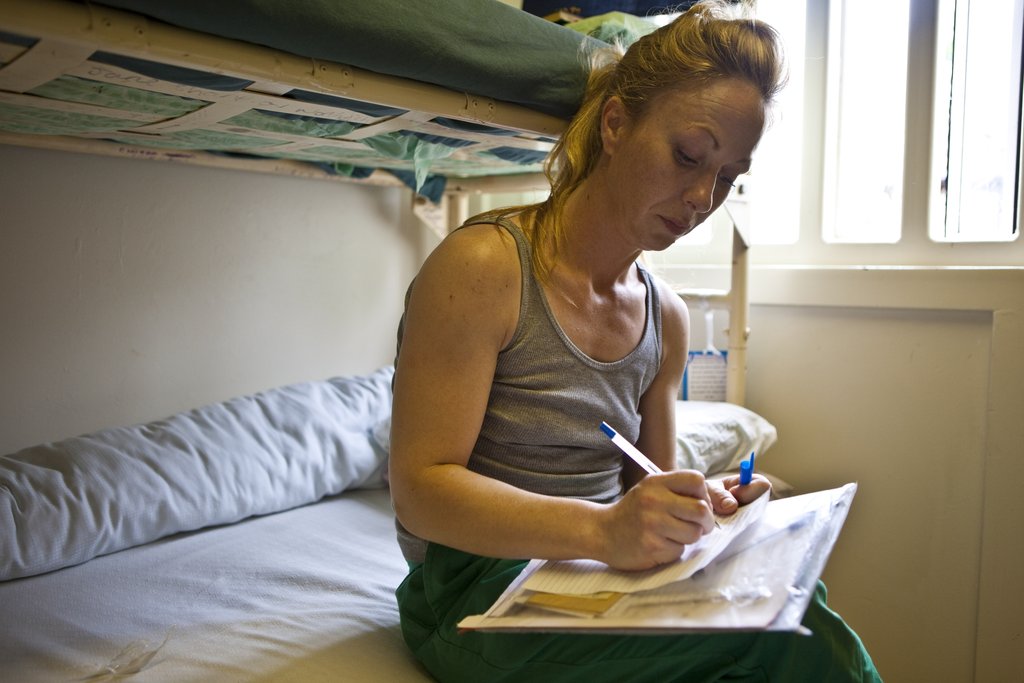
Our Services for Women Prisoners
Between 1993 and 2005, the number of women in prison trebled. 8,562 women were sent to prison in the year to June 2016. (Prison Reform Trust, Autumn 2016 Prison Factfile.)
Over the course of 2016, PAS continued to deliver more Outreach Clinics in women’s prisons, providing some 30 clinics in six women’s prisons: HMPs Downview (in Surrey), Send (in Surrey), Bronzefield (in Surrey), New Hall (in West Yorkshire), Styal (in Cheshire) and – for older female prisoners – Eastwood Park (in Gloucestershire). A further 18 clinics were delivered to female prisoners by Peer Advisers who had been trained by us. Overall, we helped some 433 women prisoners in the past year through Outreach Clinics alone, and hundreds more through telephone calls, letters and casework.
As the need for services for female prisoners grows, it is our intention to continue to expand these services throughout the course of the next three years.
New Family Law Pilot Project for Women Prisoners
Though PAS’ Outreach Clinics provide free expert legal advice on Prison Law matters, advice on Family Law has historically been absent from the service.
PAS is now preparing to run a three year pilot project that will ultimately provide specialist Family Law advice to women prisoners facing potential childcare proceedings. Initially located in four prisons, PAS will work partnership with the organisation Rights of Women (RoW) to finally deliver a more holistic service to women prisoners across England and Wales.
RoW is training two PAS Caseworkers in key aspects of Family Law, particularly in relation to adoption, care proceedings and child arrangements.
The desired outcome of this project will be that, despite their imprisonment, mothers are able to assert their legal rights in relation to their children and engage effectively in Family Law proceedings. We hope to reduce the separation of children permanently or temporarily from their families. We will be able to help mothers to secure better long-term living arrangements for their children during their imprisonment. This in turn will enable them to maintain as active a role as possible in their children’s lives. We will also ensure that, where possible, mothers being released from prison are housed with their children.
Children are often the unseen victims of imprisonment. Approximately 200,000 children in England Wales have a parent in prison at some point each year, with too many being adopted or going into foster care. Children with a parent in prison are more likely to become withdrawn or aggressive, and to indulge in truancy or to get involved with drugs and alcohol.
Subject to funding and the success of the pilot project, our intention is to roll it out more widely across the women’s estate.
Working with Older Prisoners
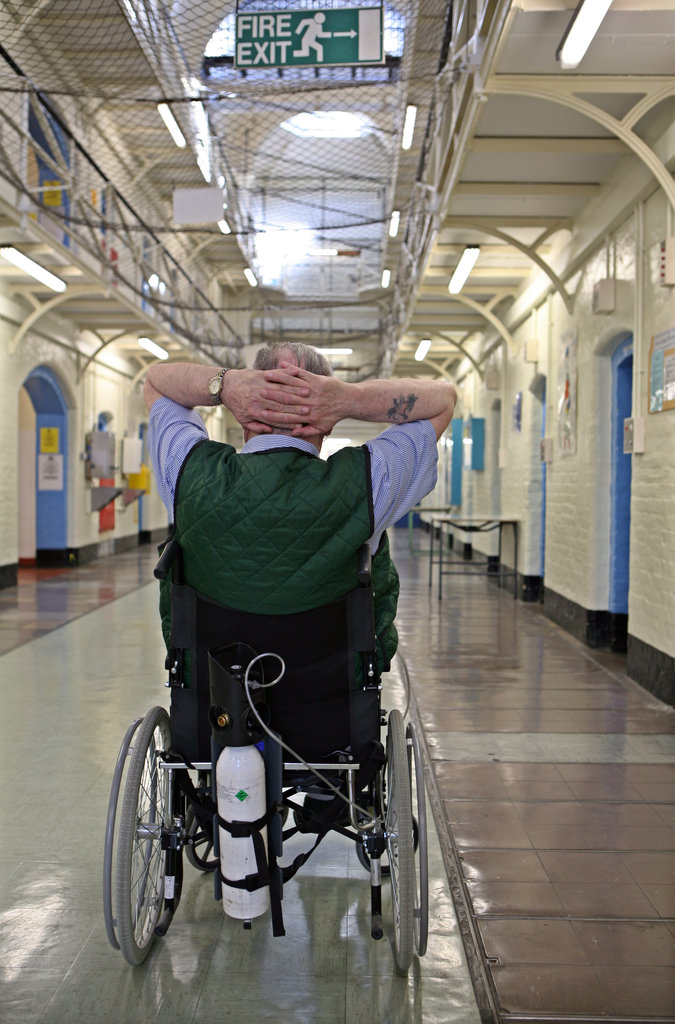
People aged 60 and over are the fastest growing age-group in the prison estate. 15% of the prison population are now aged 50 or over. (Prison Reform Trust, Autumn 2016 Prison Factfile.)
The total prison population in England and Wales has nearly doubled since 1993 and, with prison sentences getting longer, more people are growing old and dying of natural causes behind bars. One reason for this is that sentences are becoming longer; another is the advance in technology in forensic DNA analysis, which has increased the number of older people convicted for cases that date back decades.
By responding to telephone calls, writing advice letters, and organising outreach advice clinics in prisons, we are uniquely well positioned to help alleviate problems faced by older prisoners. Our knowledge of relevant legislation enables us to inform older prisoners about their rights and to remind prison governors of their legal obligations, enforcing them on older prisoners’ behalf when necessary.
Face-to-face Disability/Elderly/Female Outreach inside Prison
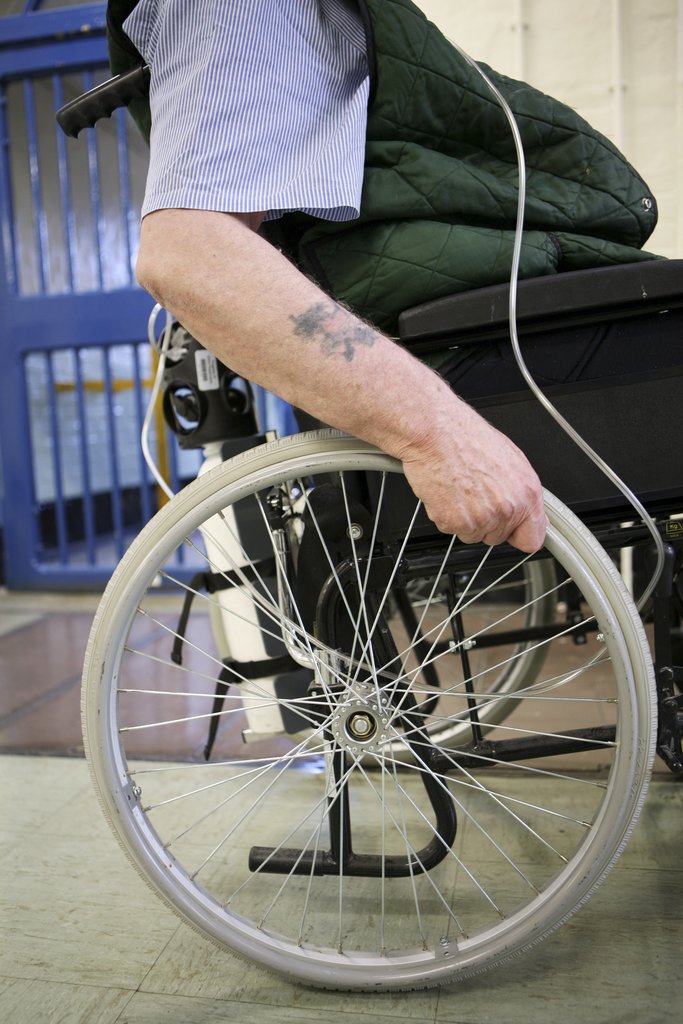
36% or prisoners are estimated to have a physical, or mental, disability – compared with 19% of the general community. Seven percent have both mental and physical disabilities. (Prison Reform Trust, Autumn 2016 Prison Factfile.)
20% to 30% of people in prison have learning disabilities or difficulties that interfere with their ability to cope with the criminal justice system. At the same time, inspectors found that people with learning disabilities are not adequately identified. (Prison Reform Trust, Autumn 2016 Prison Factfile.)
During 2016, your support helped support our Community Care Caseworkers to deliver 14 Outreach Clinics in six prisons: HMP Pentonville, HMP Thameside, HMP Wandsworth, HMP Leyhill, HMP Eastwood Park and HMP Lewes. During clinics, our Caseworkers held 143 face-to-face meetings with individual, disabled prisoners. Your grant also helped Caseworkers to deal with hundreds of telephone and letter enquiries, and to work on a number of ongoing cases advising disabled prisoners.
There is a sizeable group of prisoners at HMP Leyhill who are disabled and / or experiencing age-related healthcare complications, and 2016 was our second year of running clinics there, as well as at HMP Eastwood Park, a female prison with older prisoners, also in Gloucestershire.
In 2016 we also gave presentations to “The Rubies” reading group, run by Resettlement and Care for older ex-Offenders and Prisoners (RECOOP), in HMP Eastwood Park. The group provides direct services for older women prisoners there, some of whom may have a disability. Our presentations and introductions at Eastwood Park reached 17 women and eight individual consultations followed.
Case Study 1: Securing a Disabled Prisoner’s Release on Parole
A disabled female prisoner’s release on parole had been delayed twice for over a year because no suitable supported accommodation had been identified. PAS acted for her in her parole case. We sent a pre-action letter to the Local Authority with a warning of Judicial Review regarding the accommodation situation, and then liaised/negotiated with the Local Authority/National Health Service teams. The prisoner was then offered a place in a therapeutic care home with 24-hour support. The parole board deemed this accommodation suitable to meet her complex needs and directed her release.
Case Study 2: Ensuring Improved Facilities for a Disabled Prisoner
A disabled prisoner had been transferred to a prison that did not have modified cells, in-cell sinks, or single showers available. The prisoner is doubly incontinent. At his previous prisons, where the facilities were better, he had been able to clean himself up in his cell and officers would unlock him to go to take a shower. In his new prison, all the showers were communal, and officers would not unlock him to allow him out of his cell to wash. He remained at this prison, enduring these conditions, for one month until he contacted us. We made representations to the Governor and Head of Healthcare at the prison that such conditions risked breaching Article 3 of the European Convention on Human Rights which concerns ‘inhuman and degrading treatment’. After our intervention, the prisoner was promptly transferred to a suitable prison that can meet his disability needs.
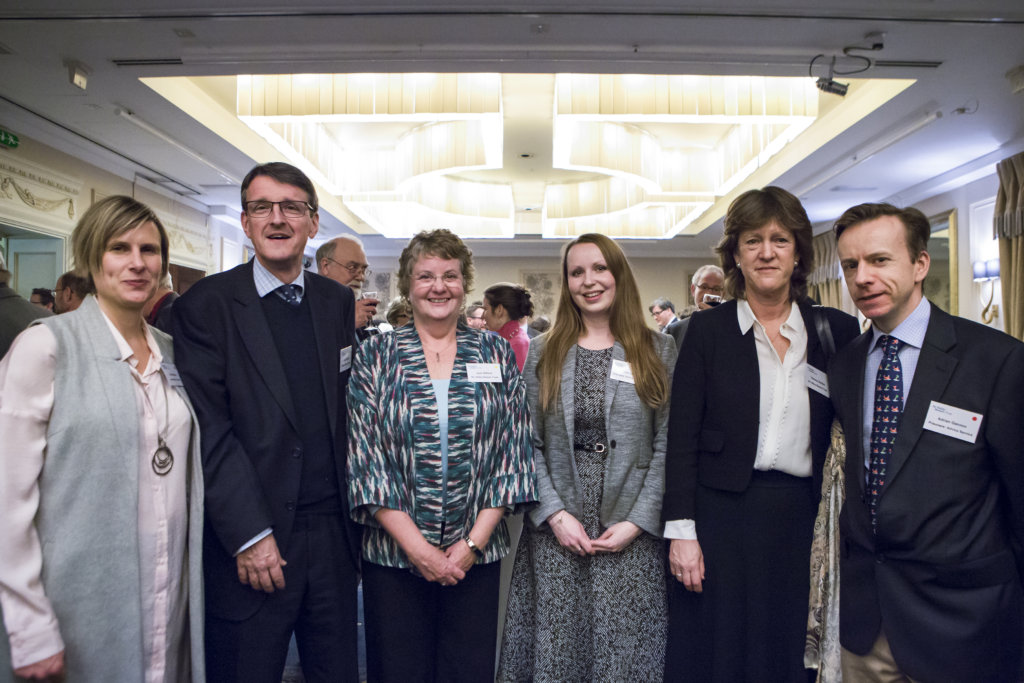
Thank you to all at Global Giving for your generous support of our work with vulnerable prisoners across England and Wales
By Geof Jarvis | Fundraising and Comunications Manager
By Adrian Gannon | Fundraising & Communications Director
Project reports on GlobalGiving are posted directly to globalgiving.org by Project Leaders as they are completed, generally every 3-4 months. To protect the integrity of these documents, GlobalGiving does not alter them; therefore you may find some language or formatting issues.
If you donate to this project or have donated to this project, you can receive an email when this project posts a report. You can also subscribe for reports without donating.