By Geof Jarvis | Head of Fundraising and Communications
Delivery of Outreach Clinics for Older and Disabled Prisoners
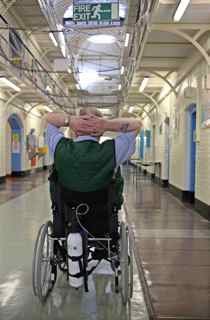
Since our last report, your kind donations have continued to help us to maintain our outreach services for older and disabled prisoners across England and Wales.
Working with Older and Disabled Prisoners
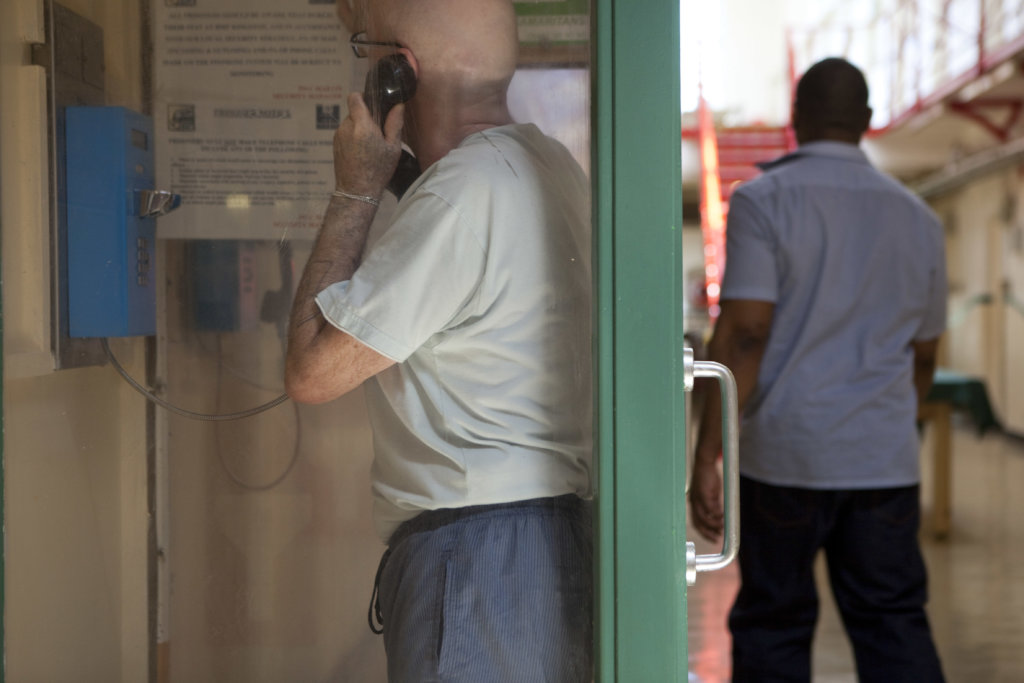
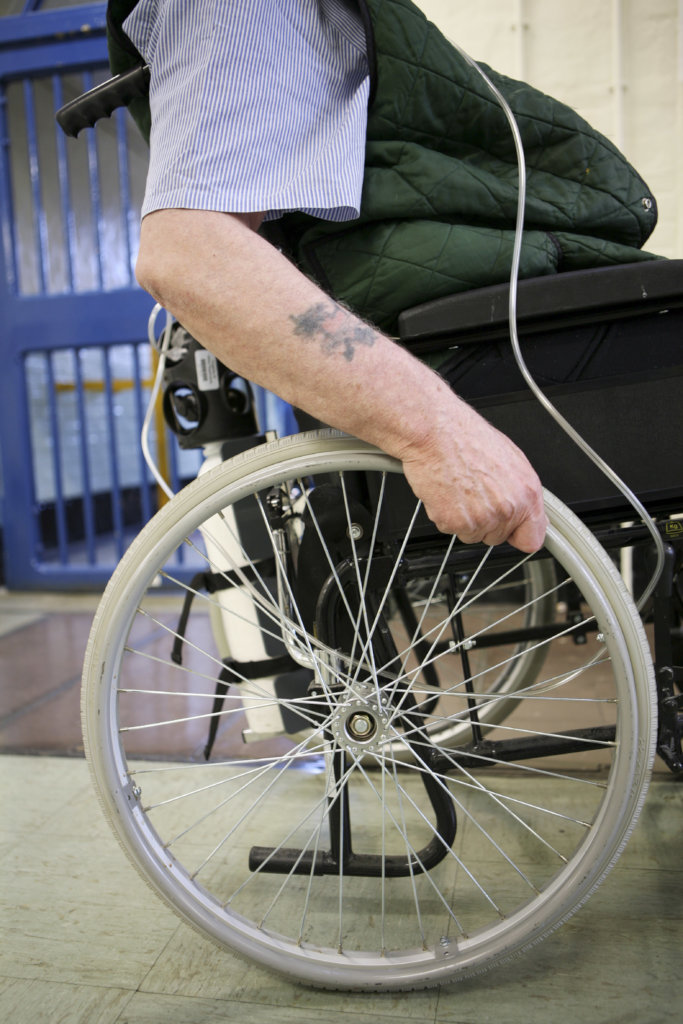
Over the third quarter of 2019, your support helped support our Community Care Caseworker to deliver three Outreach Clinics in three prisons: HMPs Thameside and Wandsworth, both in London. During these clinics, our Caseworkers held 34 one-to-one meetings with individual older and/or disabled prisoners.
Your support also helped our Caseworkers to open five new cases on behalf of older and/or disabled prisoners between the beginning of July and the end of September.
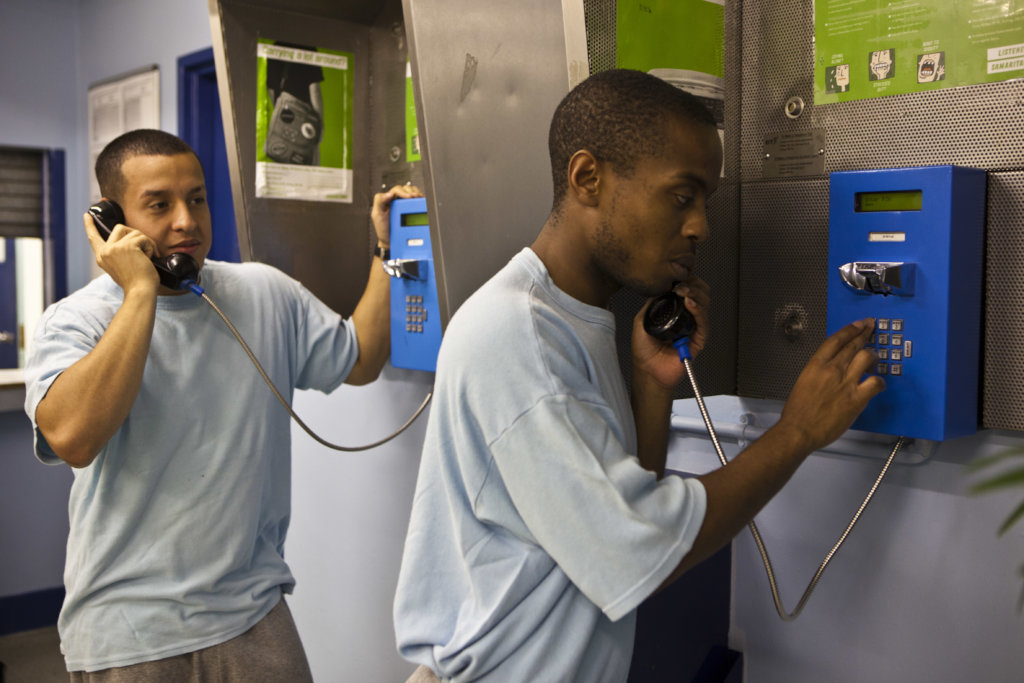
43% of calls to our telephone Advice Line between July and September came from prisoners who self-identified as suffering from health issues or disabilities. 24% came from prisoners over the age of 51.
Case Study: PAS Helps Woman Prisoner Suffering Significant Mental Illness
PAS helped Prisoner A, a woman in her late 50s, who had been convicted of two counts of manslaughter and one of arson and had received an Imprisonment for Public Protection (IPP) sentence with a minimum tariff of eight years (meaning that she could be retained in custody after her sentence had been served). The prisoner committed her crimes in order to fund her drug addiction, which began at eight years old as a result of the abuse she suffered at the hands of her mother. She had no history of violence or arson offences, but set fire to a chair in her flat, which then spread, killing two of her neighbours.
Prisoner A suffered from significant mental illness, which was undiagnosed at the time of the offence. She had previously been sectioned but was released without treatment or support. She also suffered from cognitive difficulties, functioning in the Extremely Low and Borderline Range. Illiterate when she entered prison eight years ago, she is now able to read and write a little.
The prisoner had become eligible for parole, and wanted to request a transfer to open prison conditions rather than release, which would have been unlikely, due to the IPP nature of her sentence. The psychiatrist who assessed her for the purposes of parole concurred that she had been let down by mental health services and that she was not being appropriately treated at the time of the offence, going so far as to suggest that, had she been receiving treatment, it might not have occurred.
PAS represented Prisoner A at her parole review, requesting that she be transferred to open conditions. Due to enduring mental illness and illiteracy, she found it very hard to understand, and remember, the parole process, which made taking instructions from her difficult. These also meant that PAS could not communicate with her by letter. Our Women Prisoners’ Caseworker visited Prisoner A regularly – more frequently than is usual – and arranged telephone calls throughout the process to ensure that she understood what was happening.
During her minimum tariff, Prisoner A’s illiteracy had meant that she wasn’t able to engage in any offender behaviour courses, to which the Parole Board attach great weight. PAS was able to persuade the board that this should not pertain in this instance, and that to keep her in closed conditions now would amount to punishment for low levels of intellect and cognitive ability.
As a result of our intervention, the Parole Board recommended that Prisoner A be transferred to open conditions, which would be required in order to convince the board to ultimately release her. PAS continued to assist the prisoner to ensure she was able to access the support she needed whilst in open conditions in order to progress to her eventual release.
In Conclusion
Prisoners’ Advice Service remains most grateful to GlobalGIving for helping to support our work with older and disabled prisoners in England and Wales. Without the assistance of donations from individuals such as yourself, the work that we do with vulnerable prisoners would be severely curtailed.
Links:
Project reports on GlobalGiving are posted directly to globalgiving.org by Project Leaders as they are completed, generally every 3-4 months. To protect the integrity of these documents, GlobalGiving does not alter them; therefore you may find some language or formatting issues.
If you donate to this project or have donated to this project, you can receive an email when this project posts a report. You can also subscribe for reports without donating.