By Geof Jarvis | Head of Fundraising and Communications
Delivery of Outreach Clinics for Older and Disabled Prisoners
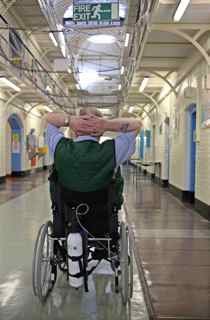
Since our last report, your kind donations have continued to help us to maintain our outreach services for older and disabled prisoners across England and Wales.
Working with Older and Disabled Prisoners
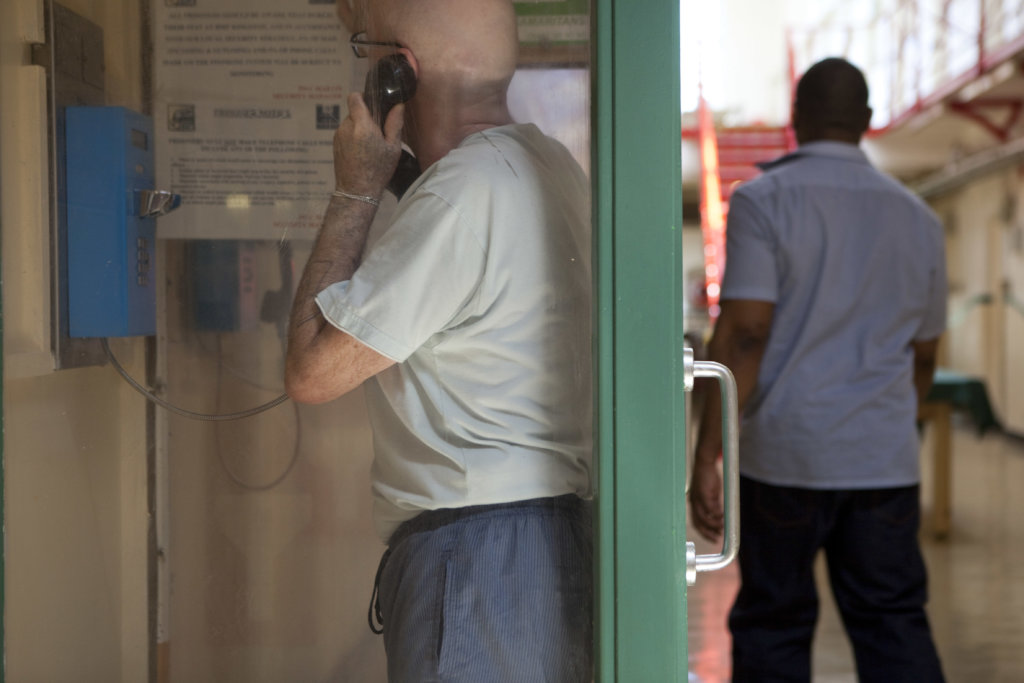
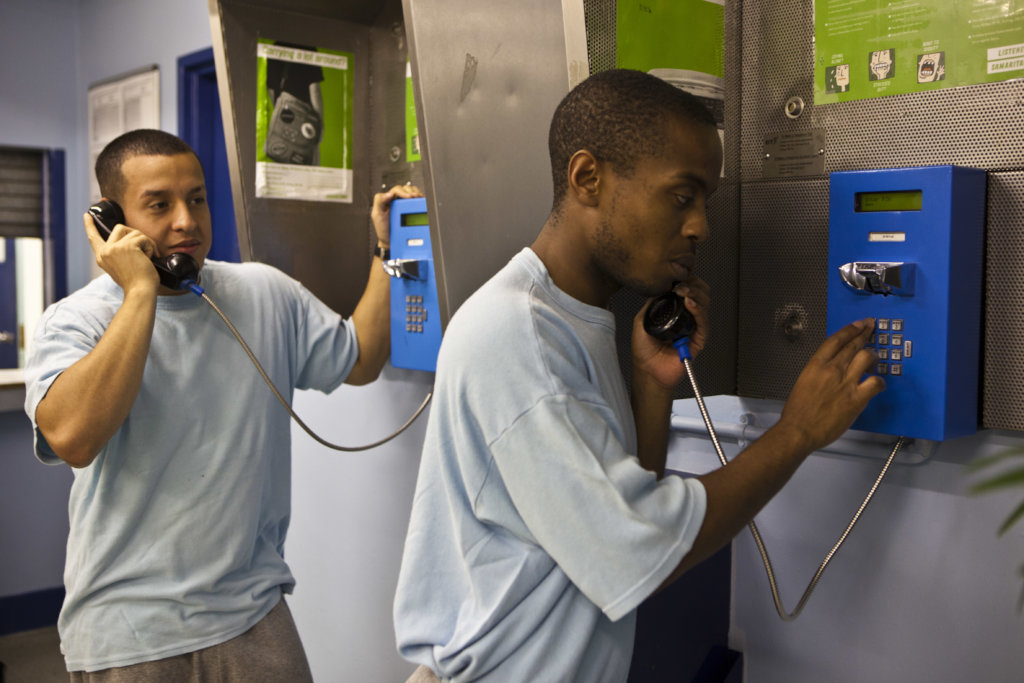
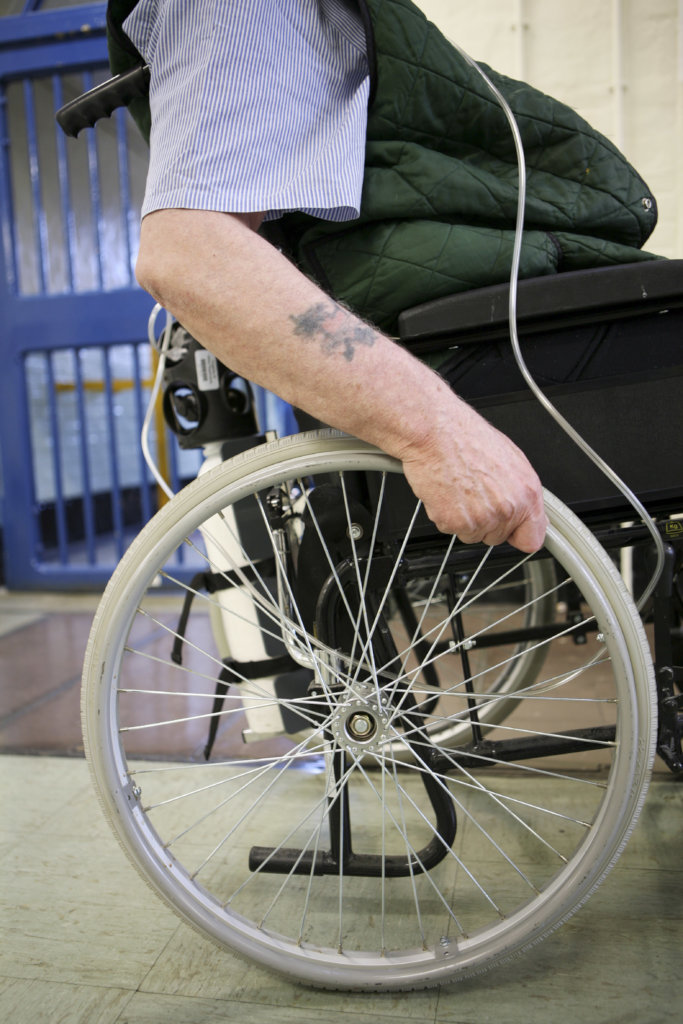
Over the first quarter of 2019, your support helped support our two Community Care Caseworkers to deliver six Outreach Clinics in three prisons: HMPs Pentonville and Thameside, both in London, and Lewes in East Sussex. During these clinics, our Caseworkers held 56 one-to-one meetings with individual older and/or disabled prisoners. Your support also helped our Caseworkers to open five new cases on behalf of older and/or disabled prisoners between the beginning of January and the end of March.
Case Study
Prisoner A, who had received a sentence of Imprisonment for Public Protection (IPP) with an original tariff of 20 months, was nine years over tariff when he contacted PAS.
An IPP sentence is a form of indeterminate sentence introduced by the Criminal Justice Act 2003 (with effect from 2005), and abolished in 2012 (although sentences given before this date remain lawful). It was intended to protect the public from those whose crimes were not serious enough to merit a long sentence but who were thought too dangerous to be released when the term of their original sentence had expired. It is composed of a punitive "tariff" intended to be proportionate to the gravity of the crime committed and an indeterminate period which commences after the expiration of the tariff and lasts until the Parole Board judges that the prisoner no longer poses a risk to the public and is fit to be released.
Prisoner A had – arguably understandably – experienced some mental health and self-harm issues during his prolonged sentence and had had to spend 18 months in a medium security hospital. After he was returned to the prison estate, there were no further concerns about his mental health and he became an enhanced Category B prisoner, working in a trusted position. However, in subsequent parole reviews, his offender manager and supervisor both recommended that he stay in closed conditions. They suggested that he should do a further three year mental health programme before they would recommend any progression. This would have kept him inside for an additional three to four years.
Throughout this time, Prisoner A had not had any legal representation at the parole reviews and was not given an oral hearing to determine his suitability for release. One of PAS’ Community Care Caseworkers requested that such a hearing take place, with PAS representation, should the Parole Board find itself unable to direct release, or make a direction for open conditions, based solely on the submitted paperwork. The Parole Board did then direct an oral hearing, in the run-up to which, Prisoner A maintained exemplary behaviour. With our representation, the prisoner was not only made Category C and offered a prison job, but his release from prison was finally directed.
In Conclusion
Prisoners’ Advice Service remains most grateful to GlobalGIving for helping to support our work with older and disabled prisoners in England and Wales. Without the assistance of charitable organisations such as your own, the work that we do with vulnerable prisoners would be severely curtailed.
Links:
Project reports on GlobalGiving are posted directly to globalgiving.org by Project Leaders as they are completed, generally every 3-4 months. To protect the integrity of these documents, GlobalGiving does not alter them; therefore you may find some language or formatting issues.
If you donate to this project or have donated to this project, you can receive an email when this project posts a report. You can also subscribe for reports without donating.