By Geof Jarvis | Head of Fundraising and Communications (PAS)
Updated GlobalGiving Report 1 October to 31 December 2018
Delivery of Outreach Clinics for Older and Disabled Prisoners
Since our last report, your kind donations have continued to help us to maintain our outreach services for older and disabled prisoners across England and Wales.
Working with Older and Disabled Prisoners and those with Chronic Health Issues
Over the last quarter of 2018, your support helped support our two Community Care Caseworkers to deliver eight Outreach Clinics in three prisons: HMPs Pentonville and Thameside, both in London, and Leyhill in Gloucester. During these clinics, our Caseworkers held 84 face-to-face meetings with individual older and/or disabled prisoners. Your support also helped our Caseworkers to respond to a total of 26 telephone calls and letter enquiries from older and/or disabled prisoners.
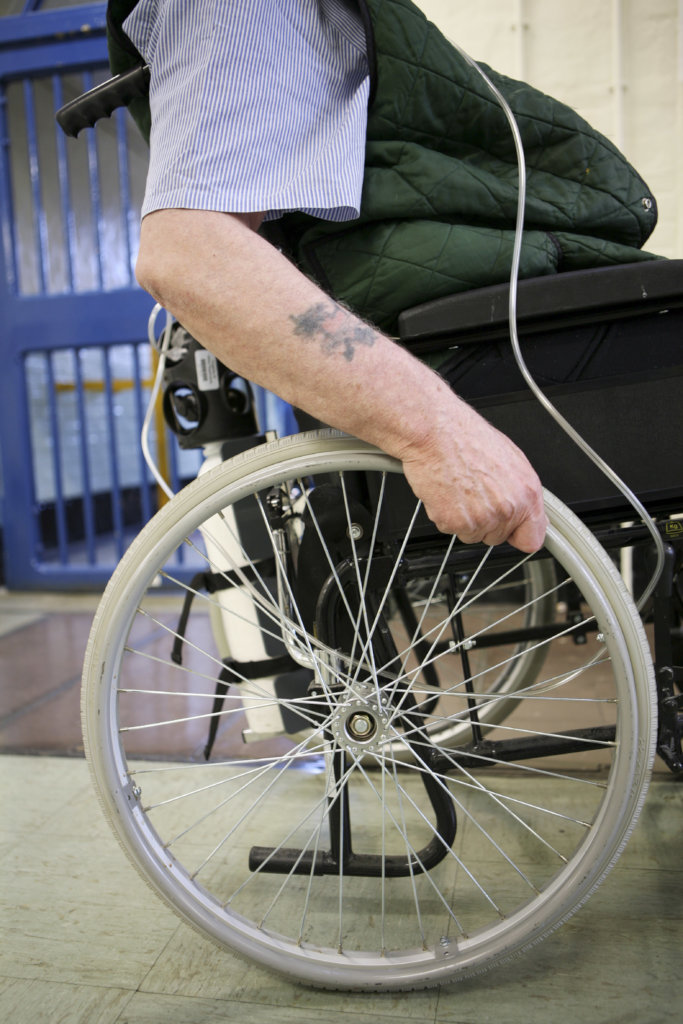
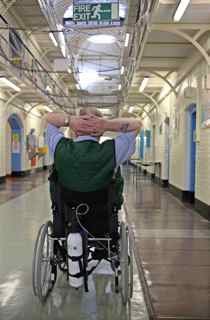
PAS helps prisoners with disabilities to obtain the auxiliary aids that they require, for example, crutches, wheelchairs, etc. We assist prisoners to gain access to prison workshops and to education classes. Our caseworkers can request that such classes be moved to the ground floor if disabled access to upper floors is not possible. We also work to ensure extended library book loans for dyslexic prisoners and the provision of large print books for visually impaired prisoners.
Case Study
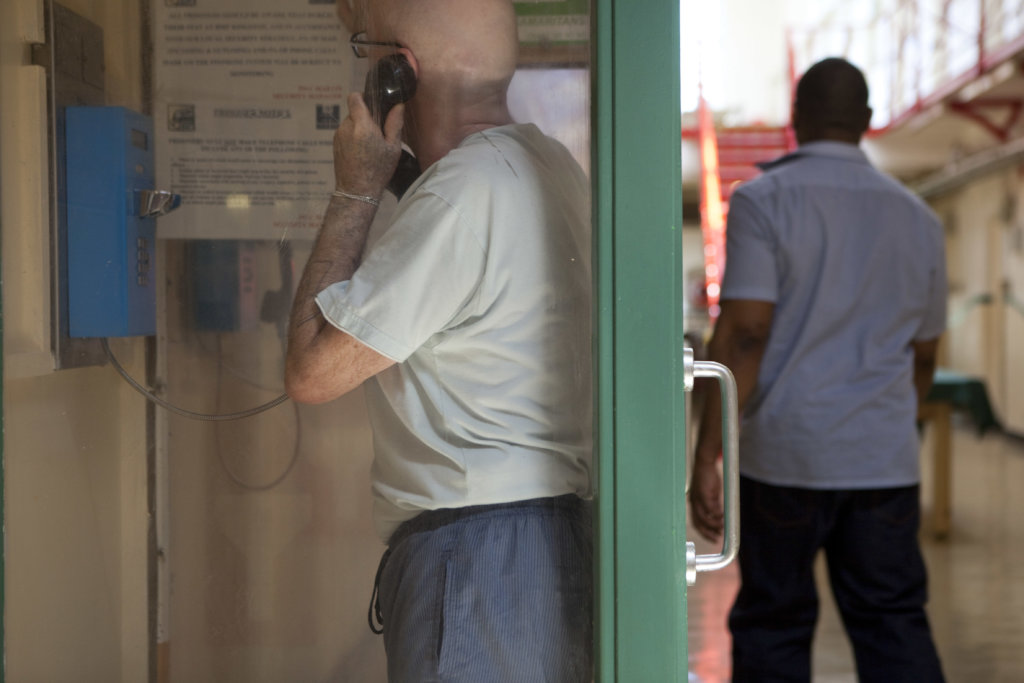
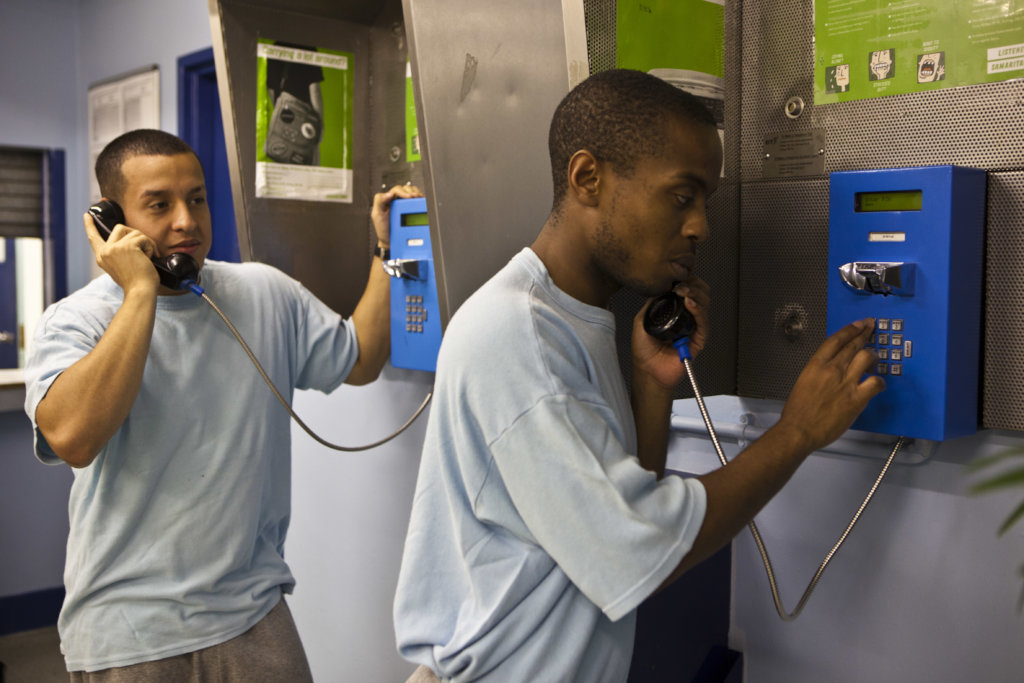
Prisoner A suffers from sensorineural hearing loss in both ears and a pronounced speech impediment. As a result, he has had repeated problems with communication – both listening and speaking – throughout his prison career; at HMPs Belmarsh, Littlehey and Highpoint and, now, at HMP Dartmoor, where he has consistently reported being unable to hear what is being said when using the prison payphones,.
Prisoner A often takes time to process what others are trying to say to him and often speaks loudly in response, while moving closer to Prison Officers to hear. As a result, his actions are often interpreted by both staff, and other inmates, as aggressive, leading to regular Incentive and Earned Privileges (IEP) warnings about his behaviour. Further, Prisoner A felt that the perception that he was aggressive was compounded by the fact that he was a black man encountering predominantly white officers.
PAS made representations to the Prison Governor that reasonable adjustments needed to be put in place so as not to put Prisoner A at a disadvantage compared to other prisoners who were not disabled –in accordance with sections 18 and 20 of the Equality Act 2010. Specifically, we requested that our client be allowed to make, or take, phone calls in the prison office at quiet times and not on the payphones. We also requested that a negative behaviour warning on our client’s record, which may have been issued without due regard to disability, be rescinded.
The prison agreed to our requests and Prisoner A can now use the phone with relative ease.
In Conclusion
Prisoners’ Advice Service remains most grateful to GlobalGIving for helping to support our work with older and disabled prisoners in England and Wales. Without the assistance of charitable organisations such as your own, the work that we do with vulnerable prisoners would be severely curtailed.
Links:
Project reports on GlobalGiving are posted directly to globalgiving.org by Project Leaders as they are completed, generally every 3-4 months. To protect the integrity of these documents, GlobalGiving does not alter them; therefore you may find some language or formatting issues.
If you donate to this project or have donated to this project, you can receive an email when this project posts a report. You can also subscribe for reports without donating.