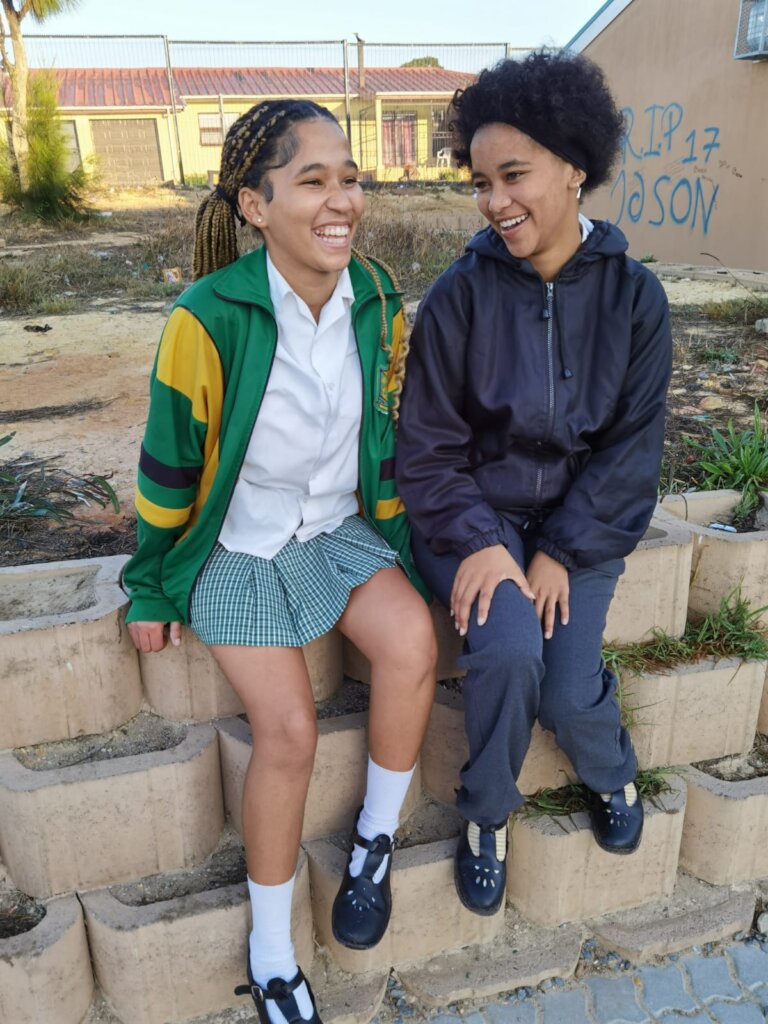
By Chine Crouch | Project Manager
A Space to Grow: Progress from the First Half of 2026
The Cape Flats, a sprawling peri-urban area on the outskirts of Cape Town, is home to communities shaped by decades of poverty, inequality, and social instability. For young people growing up here, the journey through school is rarely just an academic one. Many carry invisible burdens: fractured family relationships, exposure to violence, and a deep uncertainty about their own worth and potential. In this context, the ability to name an emotion, to trust a peer, or to ask for help becomes not just a life skill but an act of quiet courage.
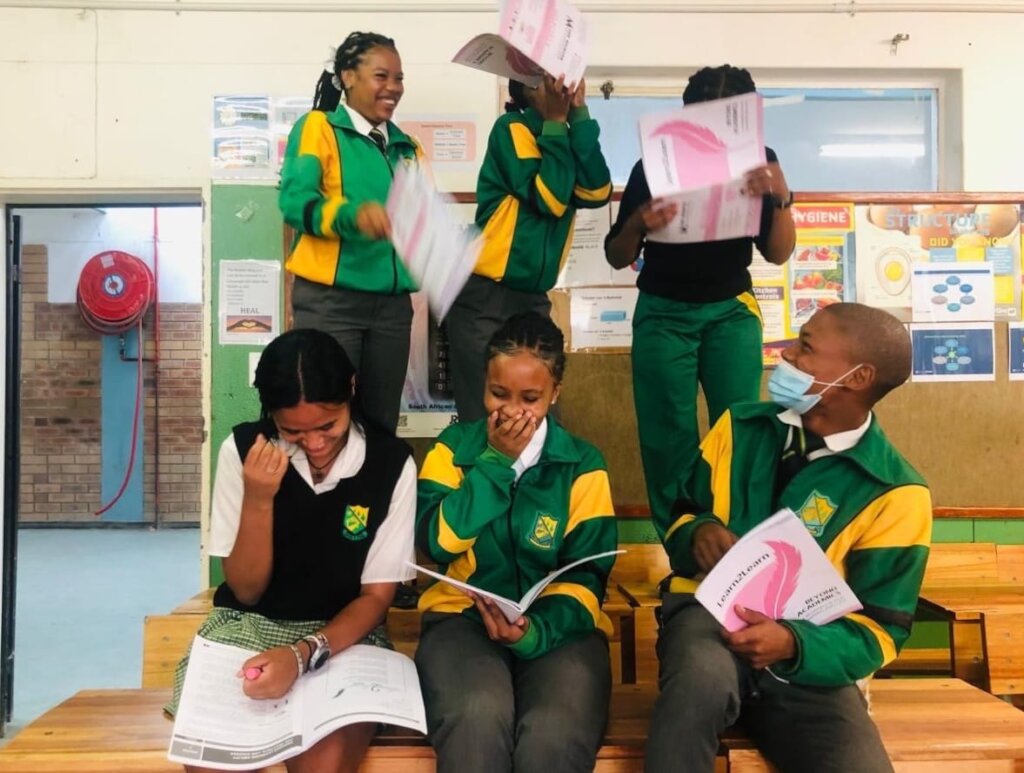
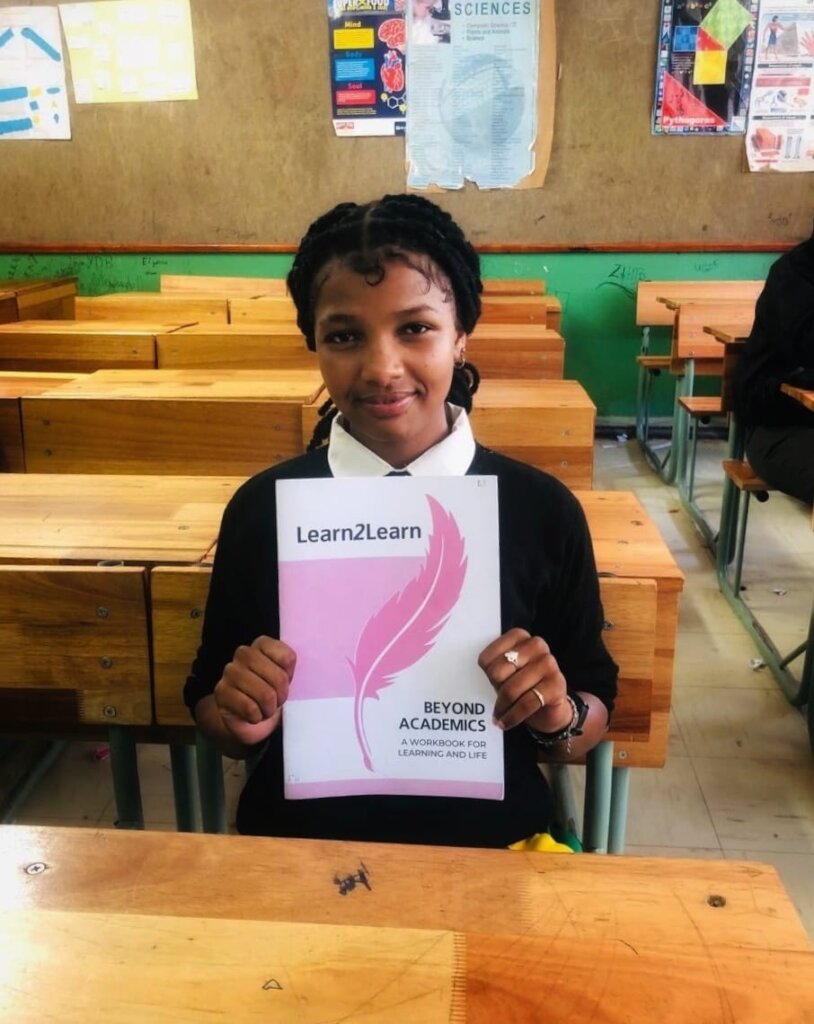
Learn2Learn exists to nurture exactly that kind of courage. This psychoeducational skills development programme works with senior-phase learners, providing structured, facilitated sessions that develop emotional intelligence, self-awareness, resilience, and practical life skills. The goal is not to fix young people, but to give them tools and a safe space in which to grow.
This report covers the period from January to June 2026 and reflects on what has been achieved, what has been learned, and where the programme is headed.
Programme Reach and Progress to Date
In 2026, Learn2Learn is working with 636 enrolled learners across 15 classes at schools on the Cape Flats. By mid-year, facilitators have completed between 6 and 13 sessions per class - a range that reflects both the breadth of the programme and the real-world complexity of working in under-resourced school environments, where disruptions such as load-shedding, exam periods, and community unrest are part of the landscape.
Across these sessions, learners have been exploring themes including self-esteem, identity, family and friendship relationships, emotional regulation, and decision-making. These are not abstract concepts. For many participants, these sessions represent some of the first structured opportunities they have had to reflect on their inner lives in a safe, supported setting.
Emerging Themes and Learner Growth
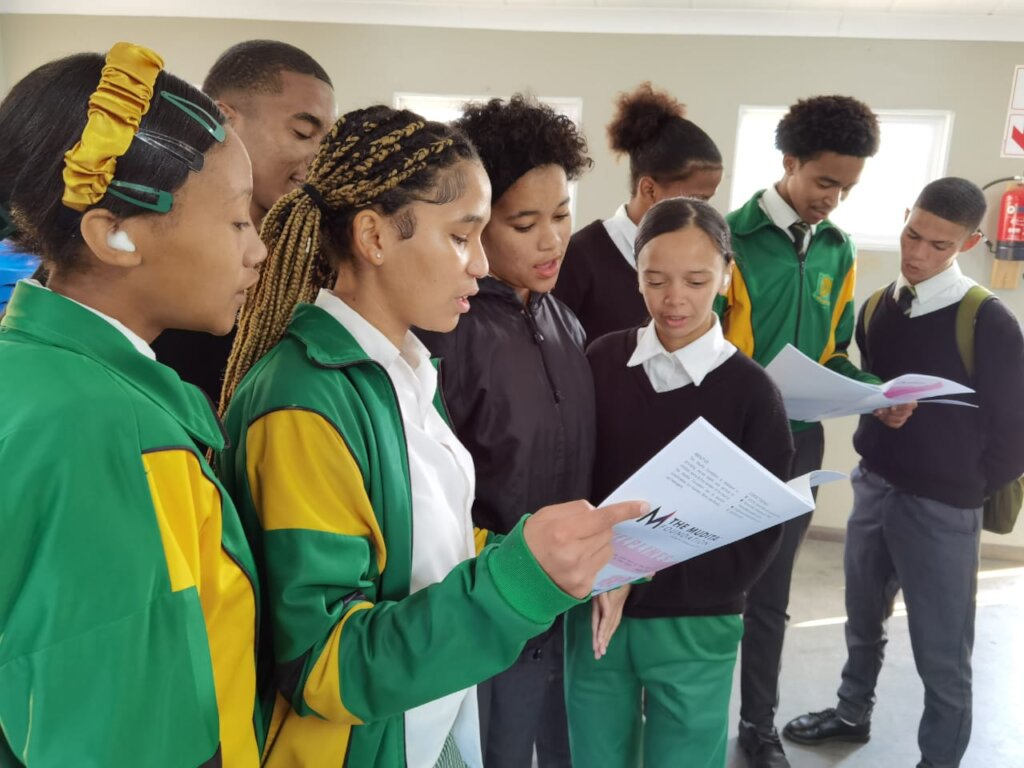
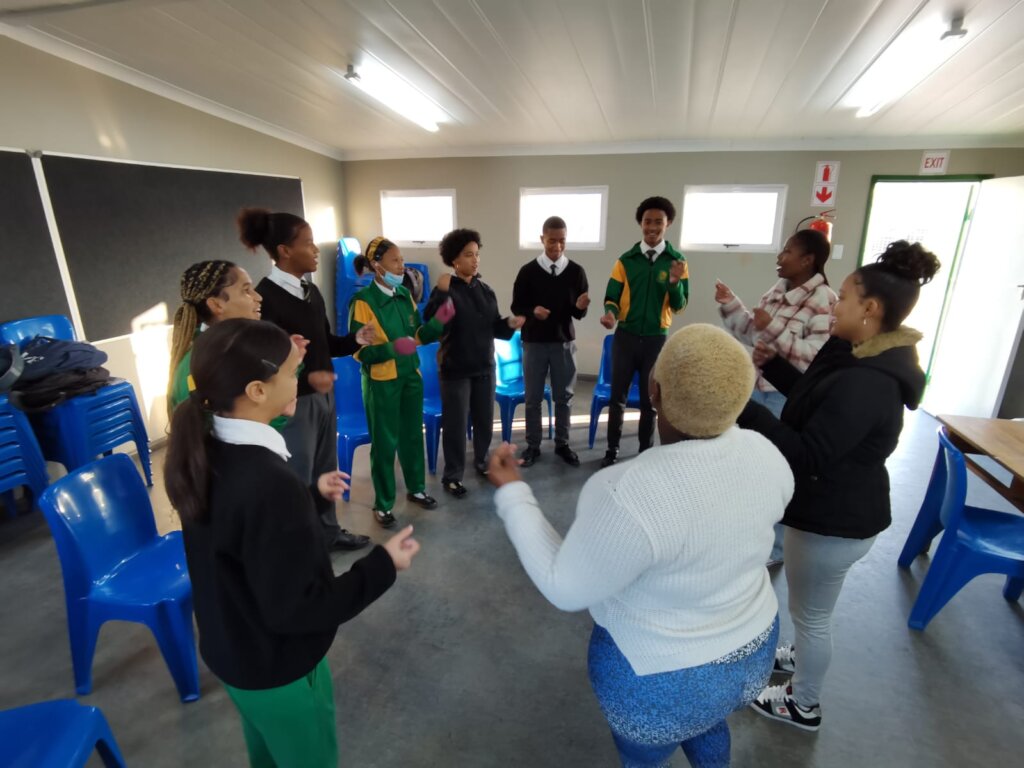
A consistent pattern emerged across classes this year: learners who were initially quiet and guarded gradually became more willing to participate, share, and connect. One facilitator described the shift clearly - many learners were quiet at first, but over time they became more comfortable sharing and participating in discussions. What stood out was how important it is for young people to have a safe space where they feel listened to and supported.
This observation points to something fundamental about the programme's design. Learn2Learn does not simply deliver content; it builds conditions. When young people feel genuinely seen and respected, their willingness to engage, with ideas, with peers, and with themselves, begins to change. By mid-year, facilitators across classes were reporting measurable growth in confidence and participation, with learners initiating conversations, asking deeper questions, and showing greater empathy toward their classmates.
Self-esteem has been a particularly prominent theme. For adolescents navigating the pressures of township life, where negative peer influence, family stress, and economic hardship are ever-present, developing a stable sense of self is both challenging and essential. The programme's consistent, weekly presence in learners' lives creates the kind of relational stability that makes this development possible.
Facilitator Perspectives and the Power of Lived Experience
One of the most distinctive features of Learn2Learn is who delivers it. Several of the facilitators working with learners today were themselves participants in the programme in previous years. Their journey — from a young person sitting in a circle, learning to name their emotions, to a trained facilitator holding space for the next generation — is not incidental to the programme's impact. It is, in many ways, its clearest proof.
This continuity matters for two reasons. First, it provides young learners with role models who are credible in the deepest sense: people who have walked a similar path and are visibly thriving. Second, it means that facilitators bring an authentic empathy to their work that cannot be trained into someone - it is lived.
That authenticity comes through clearly in how facilitators describe their work. One facilitator, now in her third year with the programme, reflected that working with different learners each year has helped her learn how to connect with different personalities and needs while still creating a safe and supportive space. Another noted a particularly important insight gained through experience: learners can feel whether your energy is fake or real towards them. This kind of attunement, hard-won and genuine - is what makes Learn2Learn's facilitation distinctive.
Challenges and Adaptations
Growth rarely happens without friction, and this year was no exception. Facilitators were candid about the challenges they faced, and equally candid about what those challenges taught them.
For newer facilitators, the process of building trust took time and intention. One described the early months as a process of earning openness: learners initially did not fully want to open up, but gradually began to trust, express themselves, and show genuine gratitude. This facilitator also navigated the demands of administrative responsibilities for the first time, learning an important lesson in the process — to take things step by step, not to be hard on oneself when the work is unfamiliar, and to ask for help.
Managing the energy of a room full of teenagers - keeping learners focused after active or emotionally charged exercises - was another recurring challenge. One facilitator described it simply as getting learners to quiet down after a fun activity, and found that the most effective approach was not control, but authentic presence and consistent energy.
Facilitators also noted the complexity of supporting learners who are navigating significant personal and emotional difficulties outside the programme. This taught the importance of patience, empathy, consistency, and simply listening without judgement - qualities that are not just professional skills, but human ones.
Looking Ahead: Priorities for the Second Half of 2026
As Learn2Learn moves into the second half of the year, the focus will be on deepening the work already begun. With trust now established in most classes, facilitators can move into more complex material — exploring topics such as goal-setting, healthy relationships, conflict resolution, and future planning.
The programme will also continue investing in facilitator development. Reflective practice, peer learning, and ongoing support for newer facilitators remain priorities, ensuring that the quality of facilitation continues to strengthen as the year progresses.
Where possible, the team will work to complete as many sessions as planned per class, recognising that consistency and continuity are themselves therapeutic. For learners whose daily environments can feel unpredictable, showing up reliably and warmly — week after week — is part of the intervention.
A Note of Gratitude
None of this would be possible without the generosity of donors who believe that young people deserve more than a curriculum, they deserve care, mentorship, and the chance to discover their own strength.
Your support funds the sessions, the facilitators, and the small but significant moments that accumulate over a year into something lasting: a teenager who raises their hand when they once would have looked away; a young person who, having once sat in that circle themselves, now stands at the front of it, guiding others.
Thank you for making Learn2Learn possible. The work continues and its impact extends far beyond what any single report can capture.
Links:
Project reports on GlobalGiving are posted directly to globalgiving.org by Project Leaders as they are completed, generally every 3-4 months. To protect the integrity of these documents, GlobalGiving does not alter them; therefore you may find some language or formatting issues.
If you donate to this project or have donated to this project, you can receive an email when this project posts a report. You can also subscribe for reports without donating.



Support this important cause by creating a personalized fundraising page.
Start a Fundraiser