By Alison Crosbie | CEO
Real Stories from the Heart of the Program
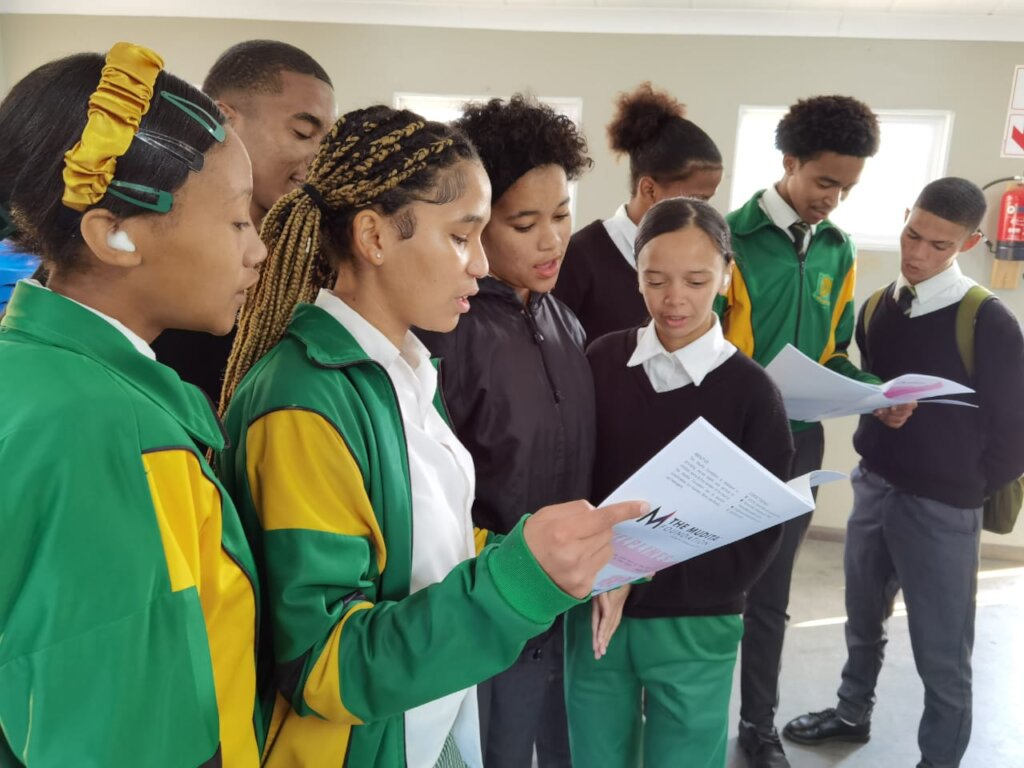
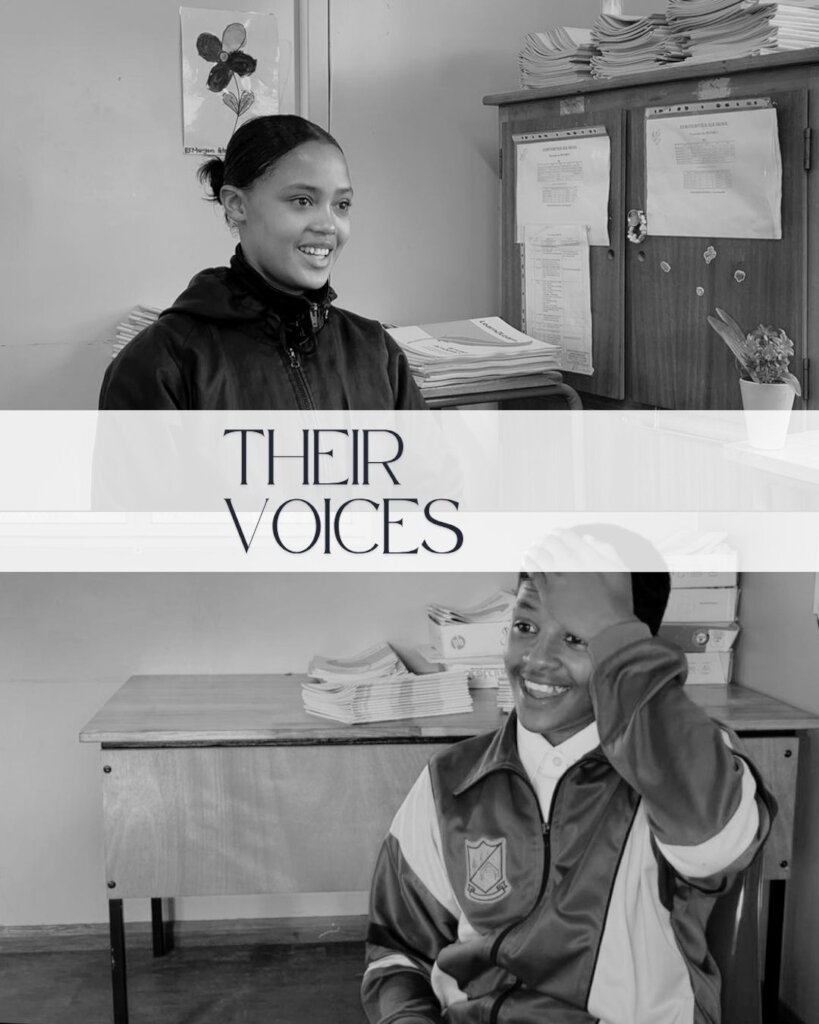
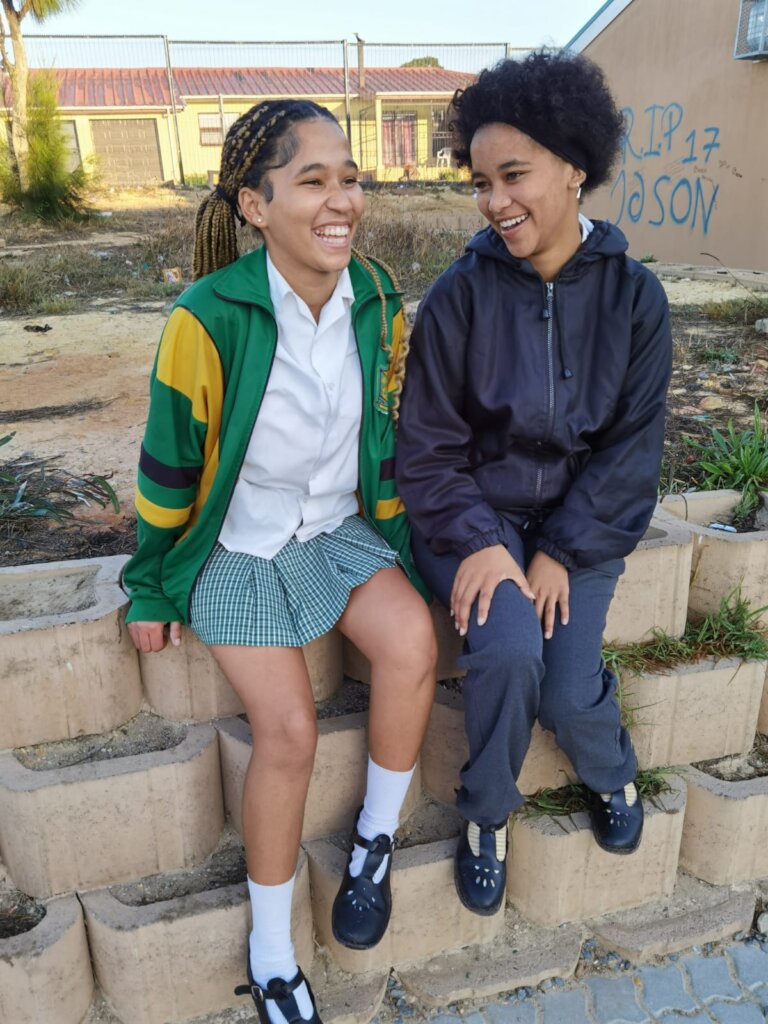
At the heart of Learn2Learn are the young people we serve — not as passive recipients of knowledge, but as active participants in shaping their own futures. Their voices reflect the urgency of their environments, the weight they carry daily, and the glimmers of hope that emerge when someone finally listens. These are not just stories. These are lived truths, shared in their own words.
In the community where Learn2Learn is active, learners face more than just the pressure of schoolwork. They are navigating streets shaped by violence, fear, and survival.
“There does live gangsters around the area, there are school fights and then I wonder how do I get home.”
“It’s gangster stuff ma’am, I will get hurt.”
“My community is starting to become like a place you need to be scared of, there’s gangsterism, there’s shooting, people are dying, young people.”
These aren’t abstract worries — they are part of the daily calculation our learners make just to move from home to school and back. Their memories carry stories from family elders:
“My grandma always used to tell me there was never stuff like gangsterism. There was apartheid, they had their times, but they never had to be scared to walk down their own road.”
This fear doesn’t stay on the streets. It comes into the school gates, into the classroom.
“People at school sees what’s happening in the streets, community. Then they come to school with knives, they are gangsters, it makes it difficult for us to learn in an environment like that. Quick example, someone takes your pen, you can’t ask it back because he is a gangster — so now you can’t write, because this person can hurt you.”
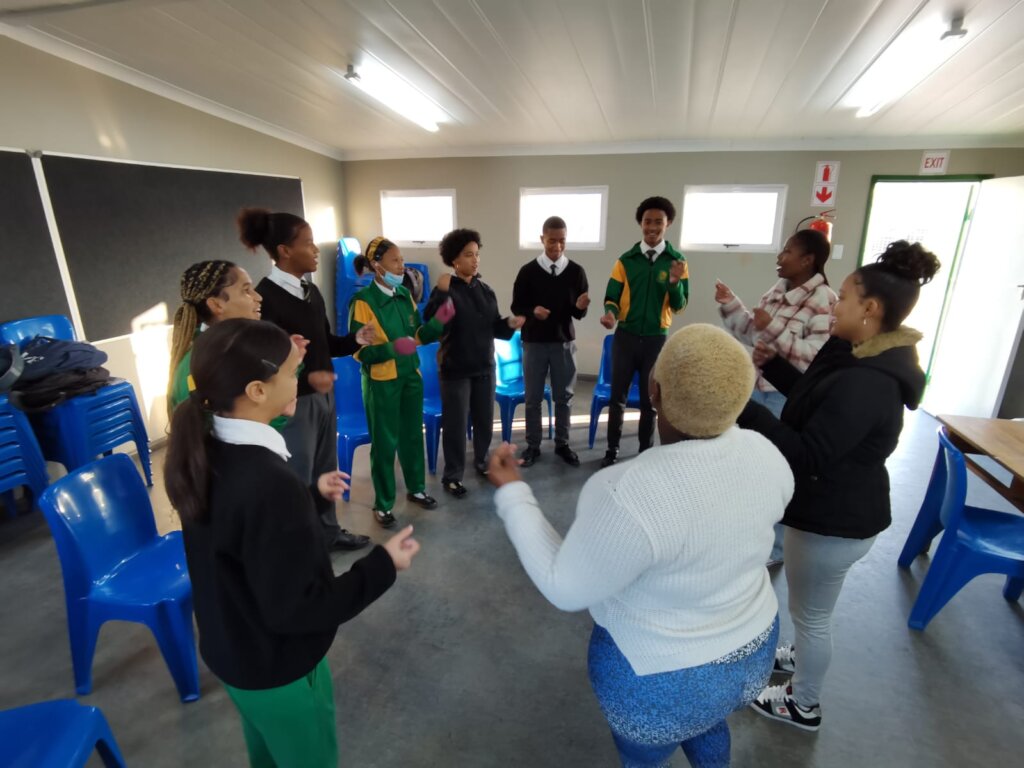
And yet — in the middle of these difficult truths — Learn2Learn creates small sanctuaries. Spaces of reflection. Opportunities for laughter. Lessons that feel real.
Some learners didn’t immediately see the value of the program. One young person shared honestly:
“At first I thought this was so boring, why don’t we leave this… like aaahhhhh… I don’t want to pay attention to this. But then it became interesting, like oh, this is actually life lessons… you see ma’am, like learn from it, like in the book they show you how to be a better version of yourself.”
That shift — from disengagement to insight — is one of the most powerful markers of change. Through carefully crafted sessions, learners begin to explore emotions they’ve never had the chance to name before.
“When I was in this program, it learn me a lot about how to handle your anger. Like I am a short-tempered person, so that also helped me a lot and I have learned a lot.”
“Managing emotions is the lesson that meant the most to me. At times where I felt depressed or anxious, managing emotions would pop up.”
“Don’t let your emotions stop you from being who you want to be.”
These emotional insights are often hard-won. For many, this is the first time they’ve been encouraged to talk about self-esteem, loss, identity — or even to cry safely.
“I learned about self-esteem — you must never look down on yourself.”
Learners begin to understand that their emotions matter — and that there are healthy ways to express them. One girl, in particular, offered a striking reflection:
“That’s why so many teenagers go out and do substance abuse ma’am — because they can’t express their emotions. They keep it to themselves. They maybe can’t speak to their parents, because they drink all the time or shut them down you see.”
The classroom environment itself begins to shift. Many participants say they’ve seen a visible difference in their peers.
“This class really grew stronger over these lessons because now they are more likely to respect teachers, they don’t talk back anymore and we are more like understanding of each other. I don’t know why but for me it felt like these lessons made them come to their senses.”
Even those considered “naughty” by teachers or peers are finding their way into the program.
“It is — a life changing program, it changes lives, makes people better. Like naughty boys in my class also want to come for an interview. They could’ve gone to gamble and smoke weed, but they’ve decided that they want to be here.”
The relationships formed through Learn2Learn are just as important as the content. For many, their peers are their greatest source of strength.
“We were talking to her, that’s what good friends do.”
“I don’t love school, I don’t like maths, I just love school because my friends are here.”
Belonging, connection, understanding — these are building blocks of resilience. And once learners discover this space where they are seen and heard, many begin to look at their futures with more clarity.
“I have learned that even when it’s tough at school, it won’t be tough forever.”
A Program That Listens, Learns, and Loves Back
These reflections are not a marketing strategy. They are a call to action. They are the raw and real evidence that programs like Learn2Learn are not optional extras — they are essential lifelines. When young people are given the chance to explore their thoughts, understand their triggers, express their emotions, and build community, something powerful happens.
They stop surviving and begin to grow.
They see value in themselves — and in one another.
They become the authors of their own stories.
And in a world that often writes young people off, these stories from the heart of the program remind us that healing, transformation, and hope are not only possible..... they are already happening.
Project reports on GlobalGiving are posted directly to globalgiving.org by Project Leaders as they are completed, generally every 3-4 months. To protect the integrity of these documents, GlobalGiving does not alter them; therefore you may find some language or formatting issues.
If you donate to this project or have donated to this project, you can receive an email when this project posts a report. You can also subscribe for reports without donating.



Support this important cause by creating a personalized fundraising page.
Start a Fundraiser