By Alison Crosbie | CEO
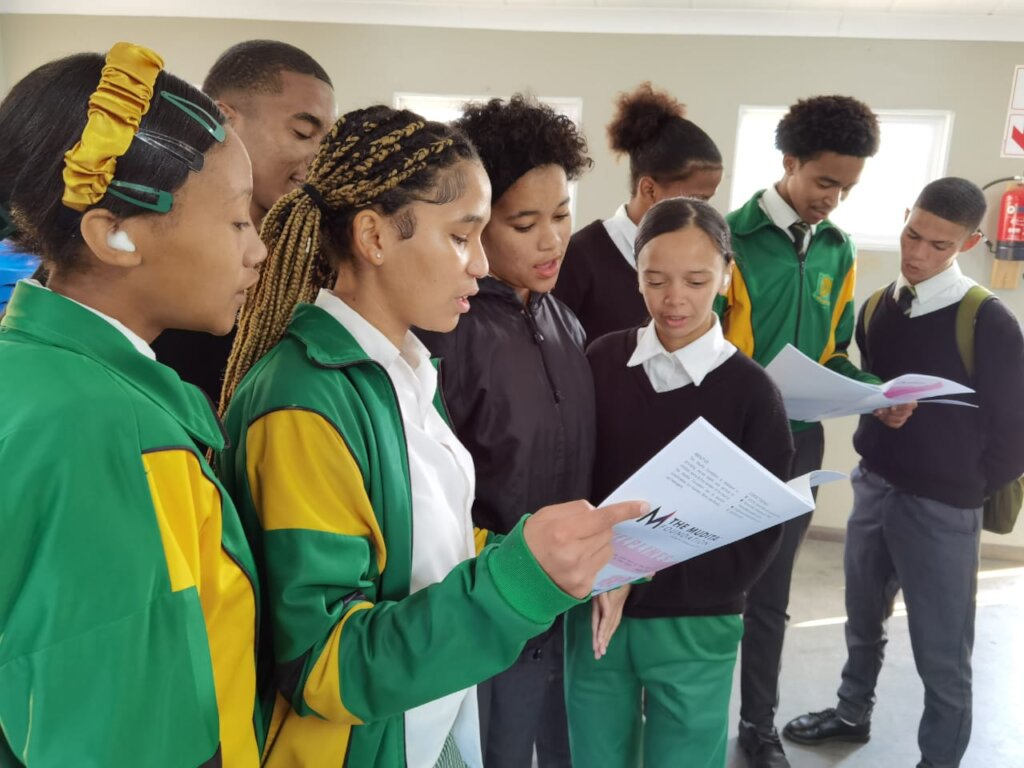
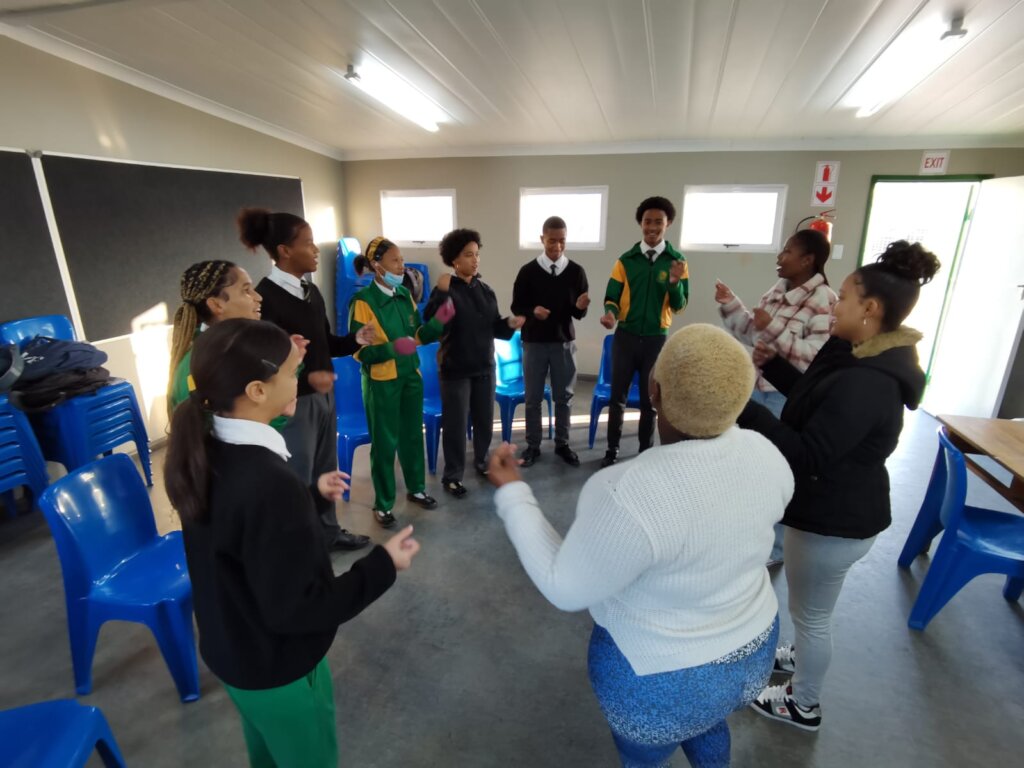
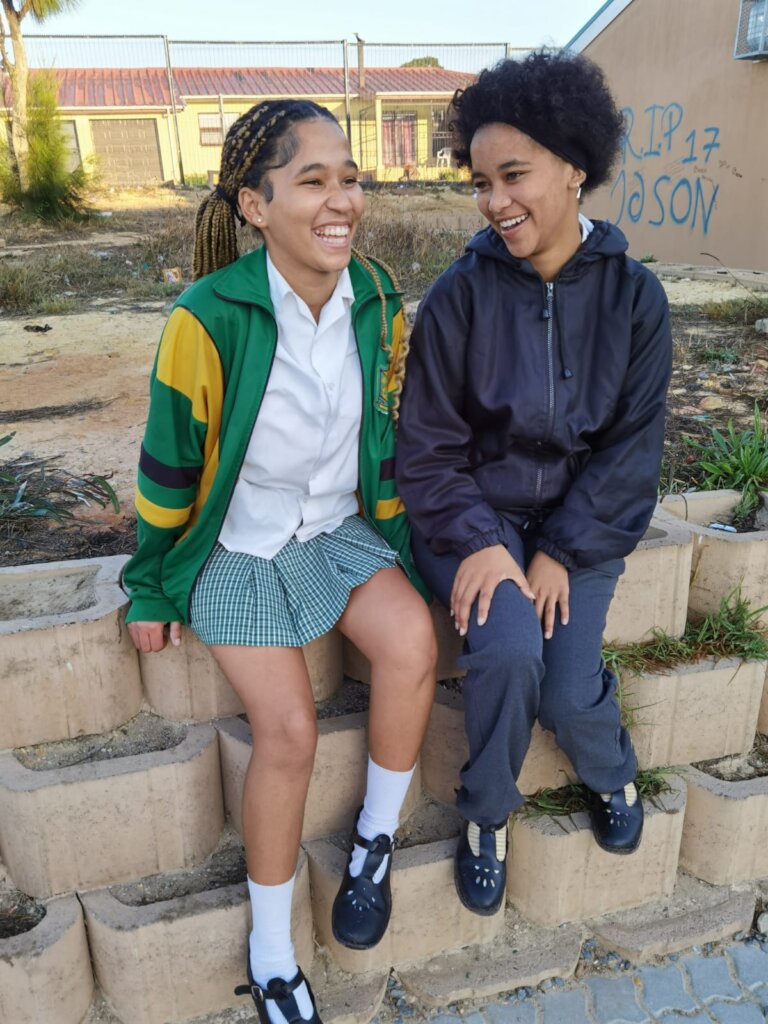
"It is an absolute privilege to witness the continued growth and transformation of our Grade 10 learners in the Learn2Learn program. Each year, we see young individuals stepping into the program with curiosity and, by the end, walking away with a stronger sense of self, resilience, and confidence. One of the most rewarding aspects of this journey has been watching our learners find their voices. Where there was once hesitation, we now see hands raised eagerly, learners engaging in role-plays, and open discussions that reflect not just their learning but their growing self-assurance. The joy on their faces—whether during an interactive activity or an affirmation song—reminds us why this work matters." Project Manager, Chine Crouch
The Learn2Learn program continues to make a meaningful impact on the lives of our Grade 10 learners by fostering emotional, behavioural, and educational growth. In 2024, we saw inspiring progress, with learners demonstrating greater confidence, improved emotional resilience, and a stronger sense of responsibility. These developments reflect the program’s ability to provide a nurturing and empowering learning environment where students can thrive. In the feedback below (or see full report for more details), we present outcomes from January to December 2024, capturing insights from both our two intervention schools and two non-intervention schools. By analyzing these findings, we aim to showcase the learning that has taken place and highlight the broader impact of the program.
A total of 680 learners from 22 classes participated in the intervention group, while 347 learners from control schools (Blackheath and Eersteriver) were included in the control dataset. Since there were no significant differences between the two intervention schools, their data were pooled into a single dataset. Similarly, the two control schools showed no substantial variation, allowing us to analyze them as one dataset. This approach enabled a direct comparison of results, providing valuable insights into the program’s effectiveness across four critical domains.
Comparing the control and intervention datasets revealed key insights.
In Domain 1, which focuses on enhancing learning ability for practical life success, the intervention group showed a substantial improvement. The percentage of correct answers in the pre-test was 7.15%, which increased dramatically to 90% in the post-test. This represents an 82.85% increase in conceptual literacy among learners exposed to the program. In contrast, the control schools started with a pre-test score of 10.75% and a post-test score of 10.16%, indicating a 0.59% decrease in conceptual literacy over the same period. This suggests that despite a year of academic growth, learners not exposed to the program did not experience the same level of improvement as those who participated.
In Domain 2, which focuses on enhancing emotional and behavioral well-being, the intervention group also demonstrated significant progress. The percentage of correct answers in the pre-test was 16.06%, increasing to 80.21% in the post-test. This reflects a 64.15% improvement in emotional and behavioral well-being among learners in the program. Conversely, the control schools had a pre-test score of 21.07%, which decreased to 16.99% in the post-test, representing a 4.08% decline. This data further supports the program’s positive impact, highlighting its role in fostering emotional resilience and behavioural improvements in learners.
In Domain 3, which focuses on personal development, the intervention group exhibited remarkable growth. The percentage of correct answers in the pre-test was 6.57%, rising sharply to 92.12% in the post-test. This translates to an 85.55% increase in personal development skills for learners who participated in the program. On the other hand, the control schools saw a decline, with pre-test scores at 11.81% and post-test scores dropping to 2.18%, indicating a 9.63% decrease. These findings highlight the program’s significant role in equipping learners with essential personal development skills, reinforcing the effectiveness of the intervention in fostering self-awareness, confidence, and interpersonal skills.
In Domain 4, which focuses on vocational awareness, the intervention group demonstrated outstanding progress. The percentage of correct answers in the pre-test was 18.37%, which increased significantly to 96.25% in the post-test. This reflects a 77.88% improvement in vocational awareness among learners who participated in the program. In contrast, the control schools started with a pre-test score of 29.5% and improved to 38.75% in the post-test, reflecting a 9.25% increase. While the control group did experience some improvement, the intervention group showed a far greater increase in vocational awareness, demonstrating the program’s effectiveness in preparing learners for future career opportunities and aspirations.
One possible reason for the control group’s stagnation or decline in performance is the lack of structured support and targeted interventions in key developmental areas. While learners in intervention schools received guided learning, emotional support, and vocational exposure, those in control schools continued with standard curriculum-based education without additional reinforcement. This highlights the crucial role of focused interventions in fostering meaningful improvements in learning, well-being, personal development, and career awareness.
The data clearly demonstrates that the intervention program makes a significant difference in knowledge acquisition, conceptual literacy, and confidence across the four domains. Learners in intervention schools consistently showed remarkable growth compared to their counterparts in control schools. The findings strongly support the effectiveness of structured intervention programs in equipping learners with the necessary skills and knowledge for academic success, emotional resilience, personal development, and career readiness. Given the positive outcomes observed, the program serves as a valuable model for future initiatives aimed at enhancing holistic learner development.
The data analysis underscores the transformative impact of the intervention program, particularly in domains crucial to learner development, such as personal development, vocational awareness, and emotional well-being.
The substantial improvements seen in the intervention group, particularly the sharp rise in personal development skills and vocational awareness, illustrate the program’s ability to equip learners with vital life skills and career readiness.
The contrast between the intervention and control schools highlights the importance of structured support in fostering growth.
While the intervention group displayed notable increases, the stagnation or decline in the control schools’ performance emphasizes the limitations of a standard curriculum without targeted interventions. This disparity serves as a clear indication of how structured programs can bridge significant knowledge and skills gaps, particularly in areas like self-awareness, interpersonal skills, and vocational aspirations, which are essential for learners’ long-term success.
Further reflecting on the findings, the results reinforce the significance of emotional and behavioural support alongside academic knowledge. The marked improvement in emotional well-being and conceptual literacy in the intervention group highlights the holistic nature of the program, which addresses not just academic success but also emotional resilience and behavioural growth.
Links:
Project reports on GlobalGiving are posted directly to globalgiving.org by Project Leaders as they are completed, generally every 3-4 months. To protect the integrity of these documents, GlobalGiving does not alter them; therefore you may find some language or formatting issues.
If you donate to this project or have donated to this project, you can receive an email when this project posts a report. You can also subscribe for reports without donating.



Support this important cause by creating a personalized fundraising page.
Start a Fundraiser