By Emma Wen | Annual Fund Officer
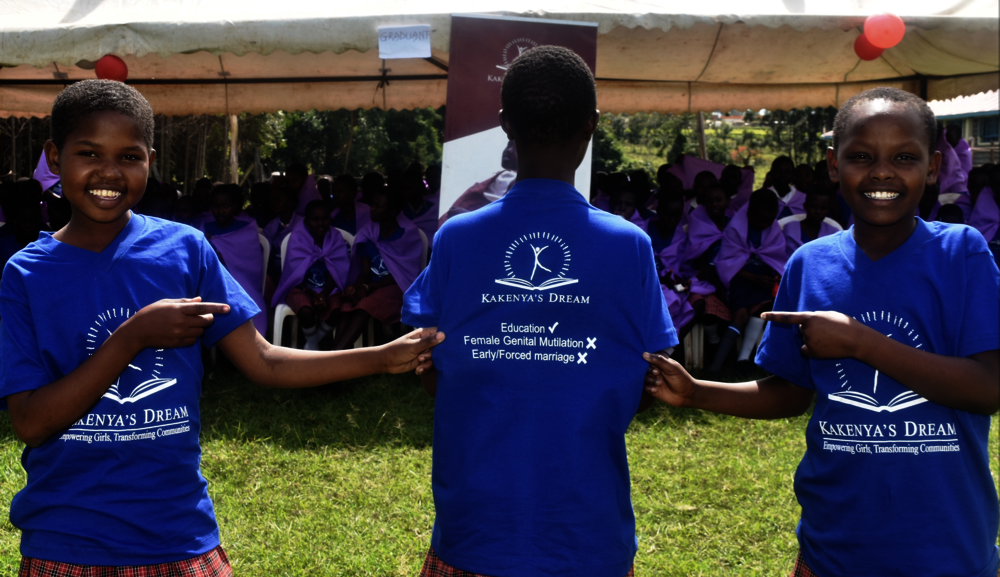
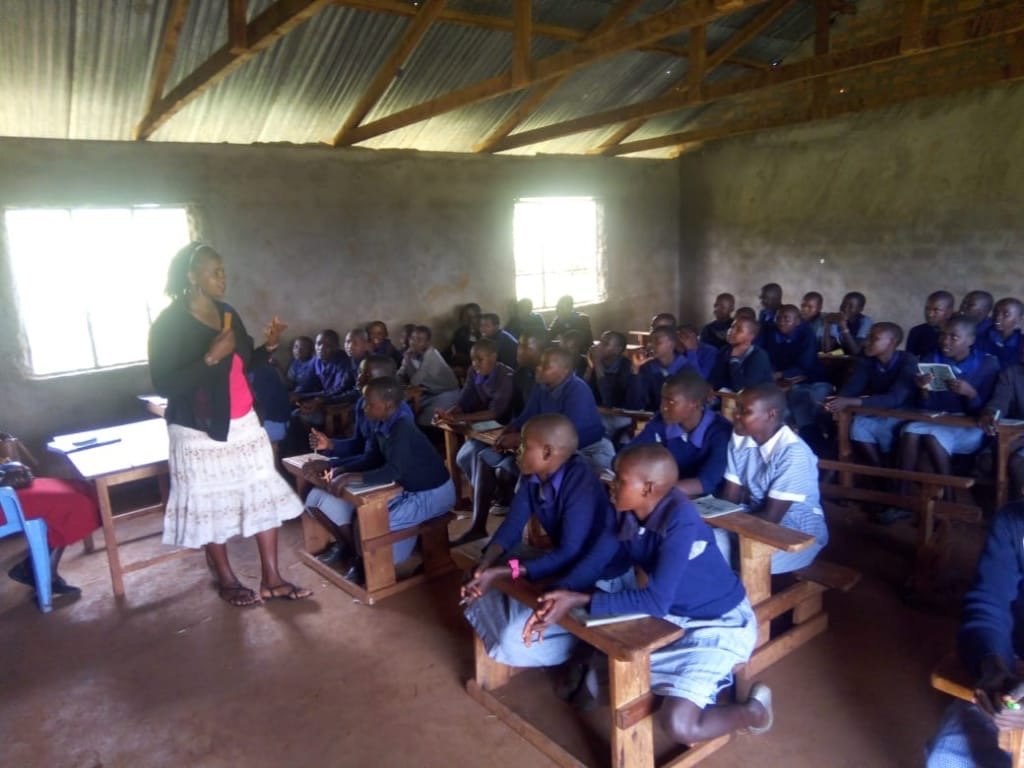
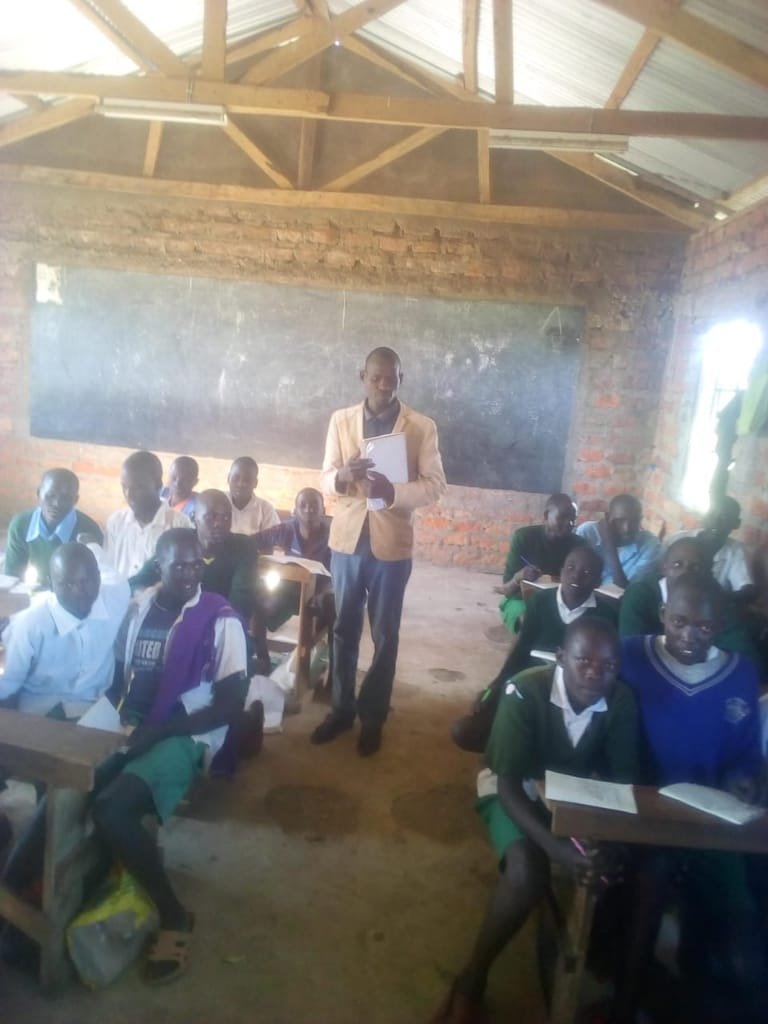
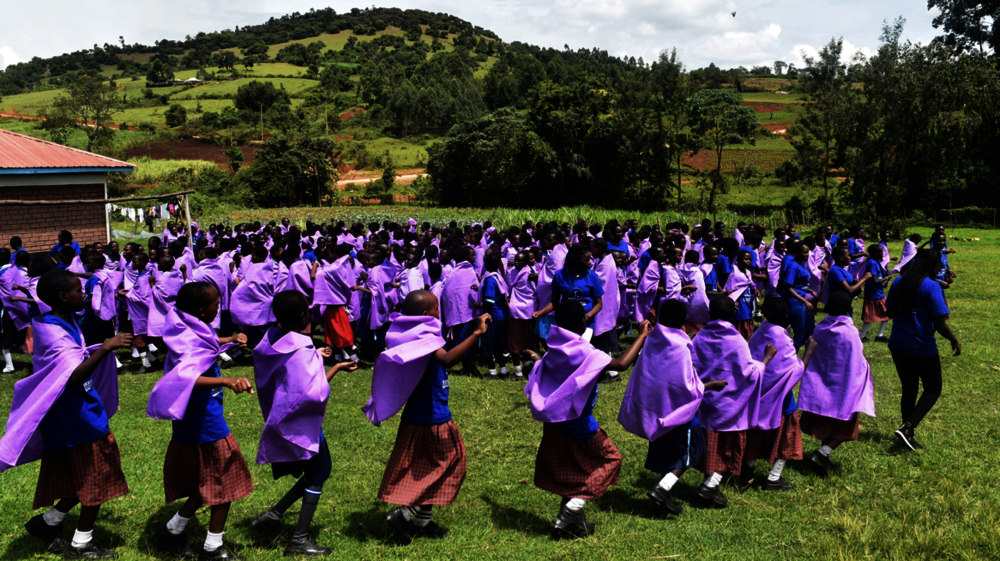
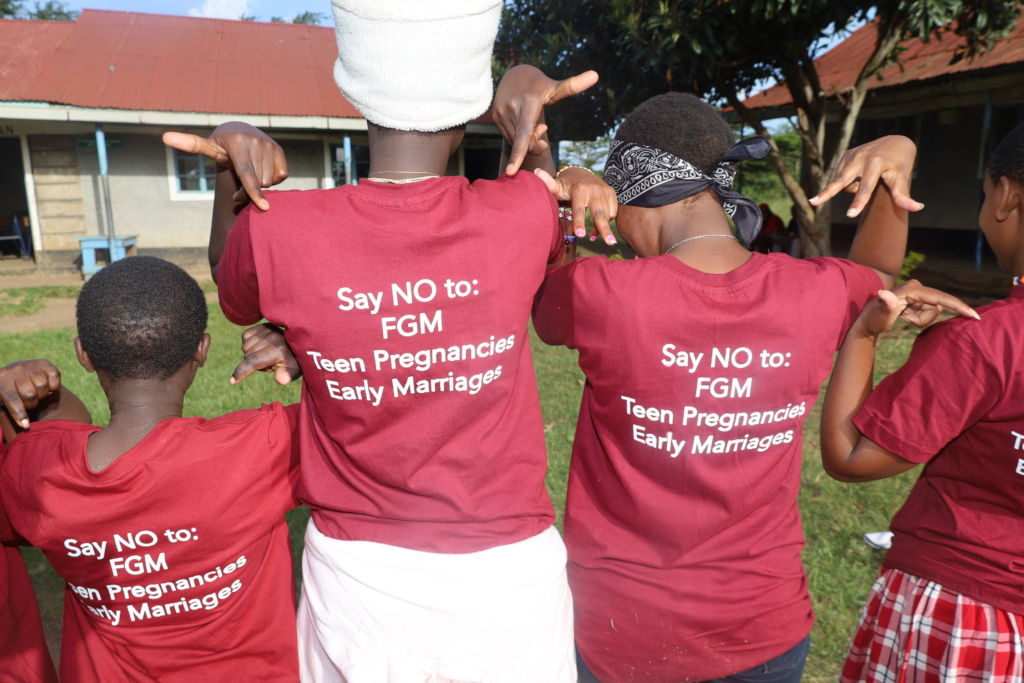
This year, our Health and Leadership Training Program was active in 57 partner schools across Narok and Kisii Counties. The afterschool curriculum teaches boys and girls about their adolescent health, gender-based violence prevention, legal rights, public speaking, and leadership skills, reaching 10,321 youth in grades five to seven. After listening to outside evaluations on ways to deepen participant retention and ensure sustainability, we revised the program into a three-year curriculum last year. A consultant conducted a baseline survey of students last spring; a midline survey was completed this summer to track ongoing changes in participants’ attitudes around gender, discriminatory social norms, and self-esteem. The initial findings have been encouraging with positive trends of girls and boys increasingly rejecting harmful norms around FGM and discriminatory attitudes around teenage pregnancy. Since the baseline survey:
In focus group discussions, students shared how they saw these changes around gender norms play out in the classroom. Seeing the value in co-ed collaboration, one boy shared, “There can be a girl who knows the class work, and then the boys have alienated themselves from her. So, if you go and work together with her, you will collaborate and you will both pass exams.” Another boy noted how chores traditionally seen as girls’ work were now being approached more equitably: “In the past, when we were given work—for instance, to sweep—we would leave it to the girls to do. But right now, since [the program] started, we now do the sweeping together.” These shifts speak to the program’s effectiveness in promoting mutual respect, undoing gender stereotypes, and fostering a culture of fairness. Ultimately, we aim for each participant to carry forward more equitable norms and behaviors in all aspects of their lives. Our revised curriculum also includes opportunities for teachers, school administrators, and parents to engage in these sensitive topics, with the ultimate goal of transferring ownership of the program to each school in the long term.
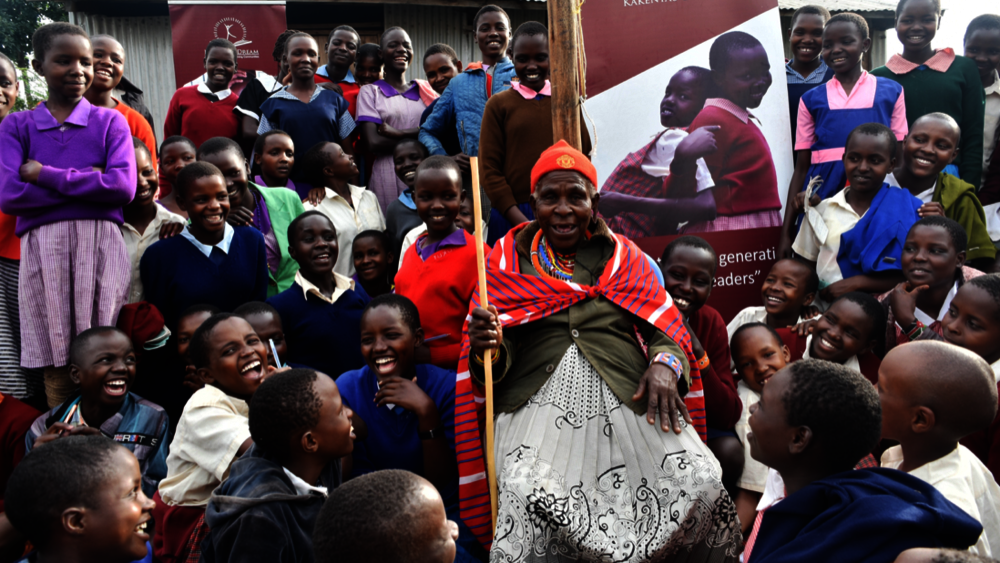
The program works in tandem with our other community engagement initiative, the Linda Dada Campaign (“Protect a Sister” in Swahili). The campaign facilitates monthly forums with community members on taboo topics in sexual and reproductive health, the negative effects of child marriage and FGM, and sexual violence. Since launching in 2020, the campaign has reached parents, village elders, religious leaders, and youth across three sub-counties, including over 10,000 in this year alone. Community participation remains strong, with forums held in both same-sex and mixed-sex formats to encourage open dialogue and inclusive engagement. Notably, men are increasingly opening up on sensitive issues such as FGM. Since men are the gatekeepers to this longstanding, harmful traditional practice who reinforce expectations around it, this is a positive step to shift their attitudes, and eventually behaviors, towards more equitable gender norms.
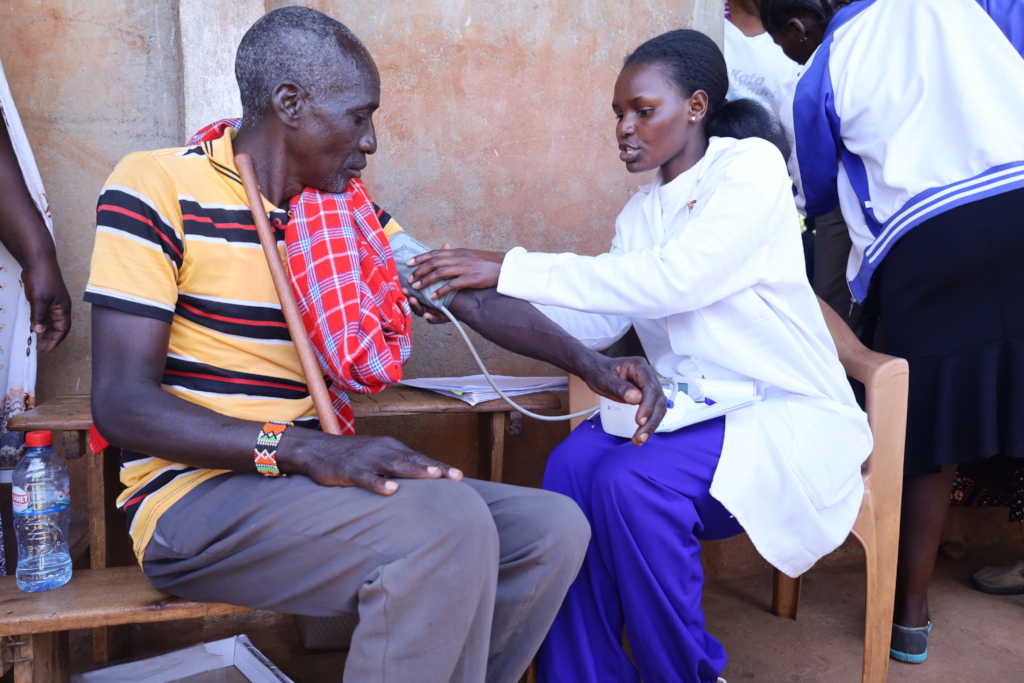
Our health clinic, the Kakenya Health and Wellness Center, supports these education and engagement programs by offering essential care to our rural community, expanding healthcare access for girls, women, and youth. Since opening in 2024, it has reached over 13,000 individuals with primary, maternal, and mental health services. Throughout the year, we partnered with the Enoosaen Health Centre, a government facility, to conduct monthly mobile visits to bring services and education directly to high-need, remote communities where traveling to our clinic is challenging. These mobile outreaches were well received with increased uptake across our services. Looking into the new year, we aim to continue using our multi-pronged approach of direct services, youth education, and community engagement to address the barriers to health that girls face while reshaping the social norms that drive them.
We are deeply grateful for your contributions through GlobalGiving, which are bringing vital healthcare to girls and transforming their communities to value and support them. Thank you!
Project reports on GlobalGiving are posted directly to globalgiving.org by Project Leaders as they are completed, generally every 3-4 months. To protect the integrity of these documents, GlobalGiving does not alter them; therefore you may find some language or formatting issues.
If you donate to this project or have donated to this project, you can receive an email when this project posts a report. You can also subscribe for reports without donating.



Support this important cause by creating a personalized fundraising page.
Start a Fundraiser