By Emma Wen | Annual Fund Officer
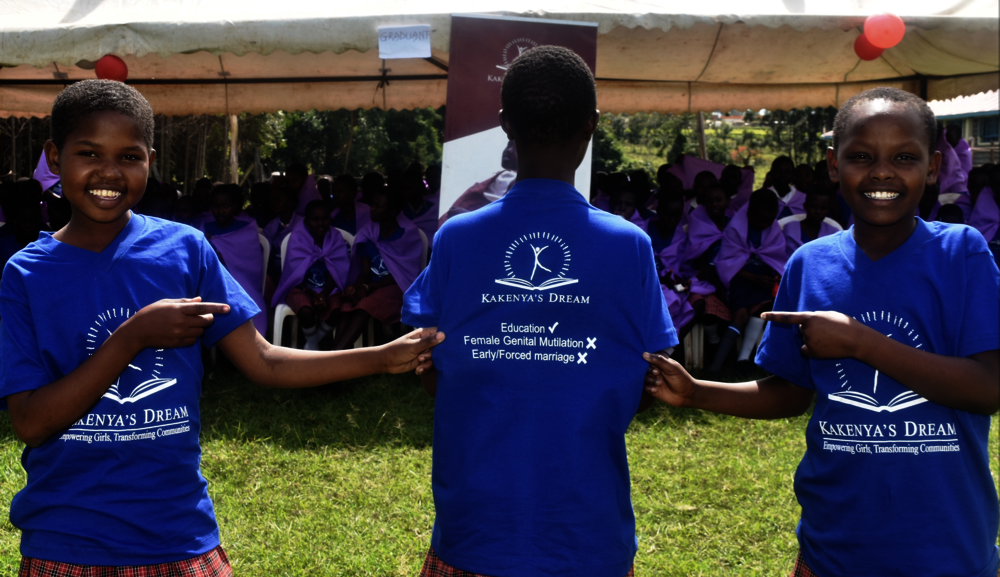
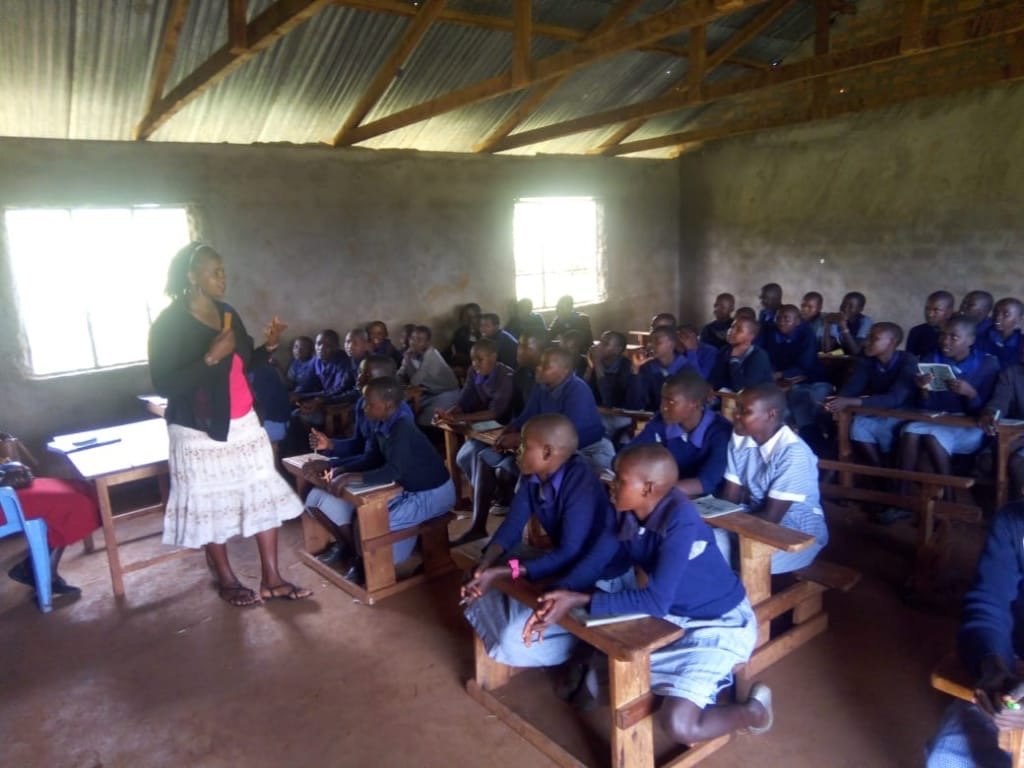
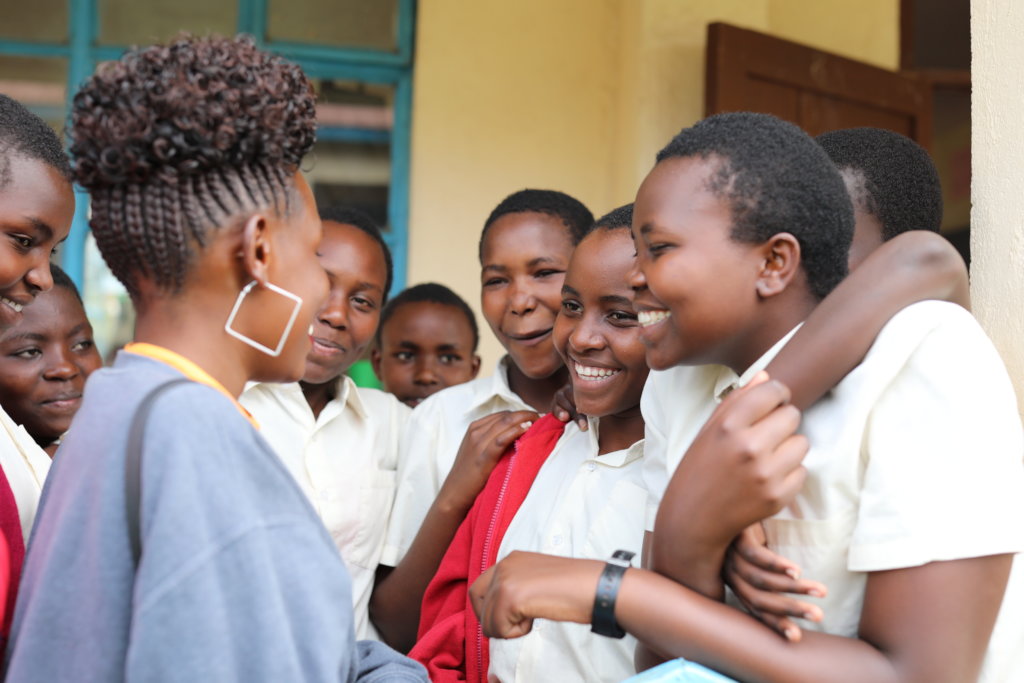
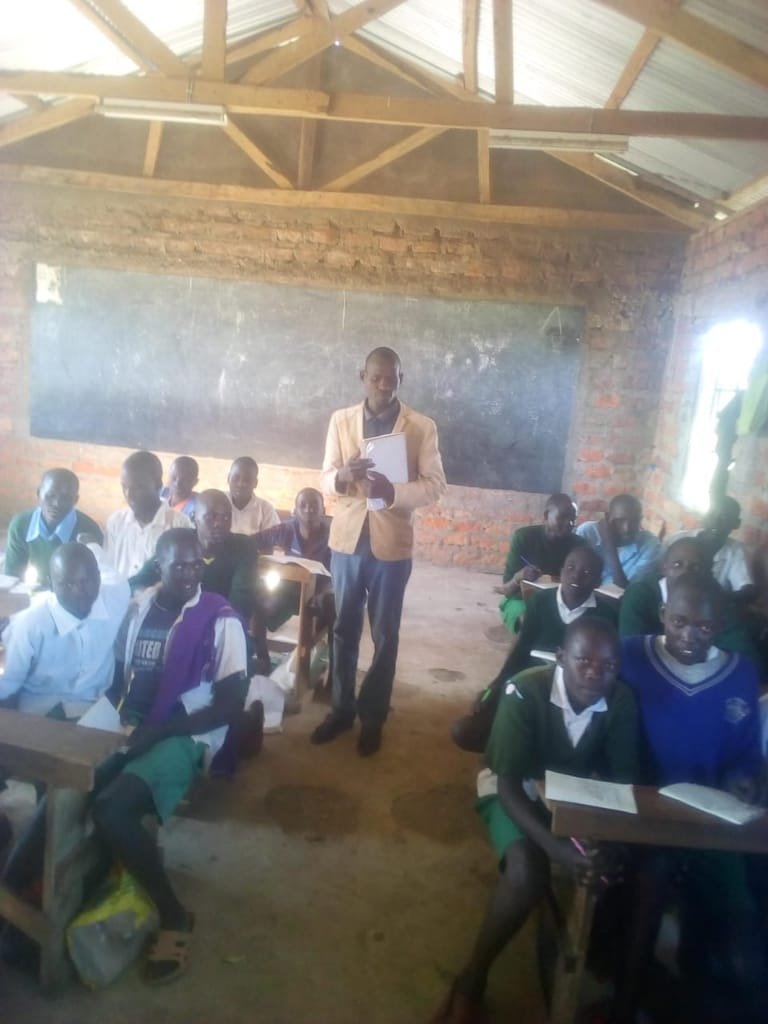
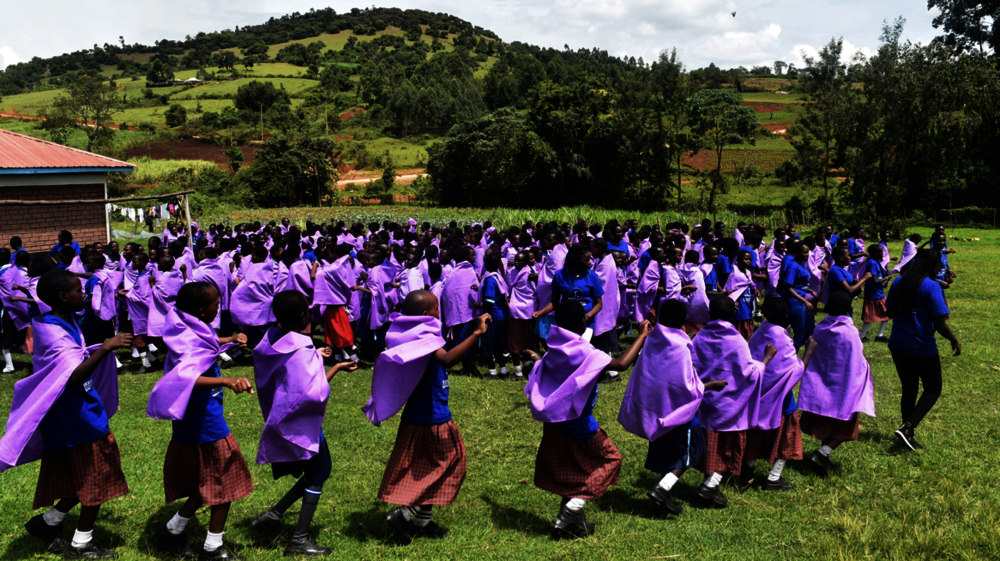
Over the past three months, we have worked closely with the Ministry of Education to identify 15 new schools where we will roll out our Health and Leadership Training Program, known locally as Jijue, which means "know yourself" in Swahili. The program equips girls and boys with essential life skills, including sexual and reproductive health education, leadership development, and a clear understanding of their legal rights. Sexual and reproductive health are taboo topics in the rural communities we serve, meaning most girls and boys do not have an accurate understanding of how their bodies work or limited options to seek help. Jijue is designed to provide youth with critical knowledge and support on these issues, including peer-led conversations that help combat the stigma through encouraging more open communication around otherwise sensitive issues. Since its inception in 2011, the program has reached more than 34,000 students across three counties. Since 2019, we have delivered the curriculum though an after-school model.
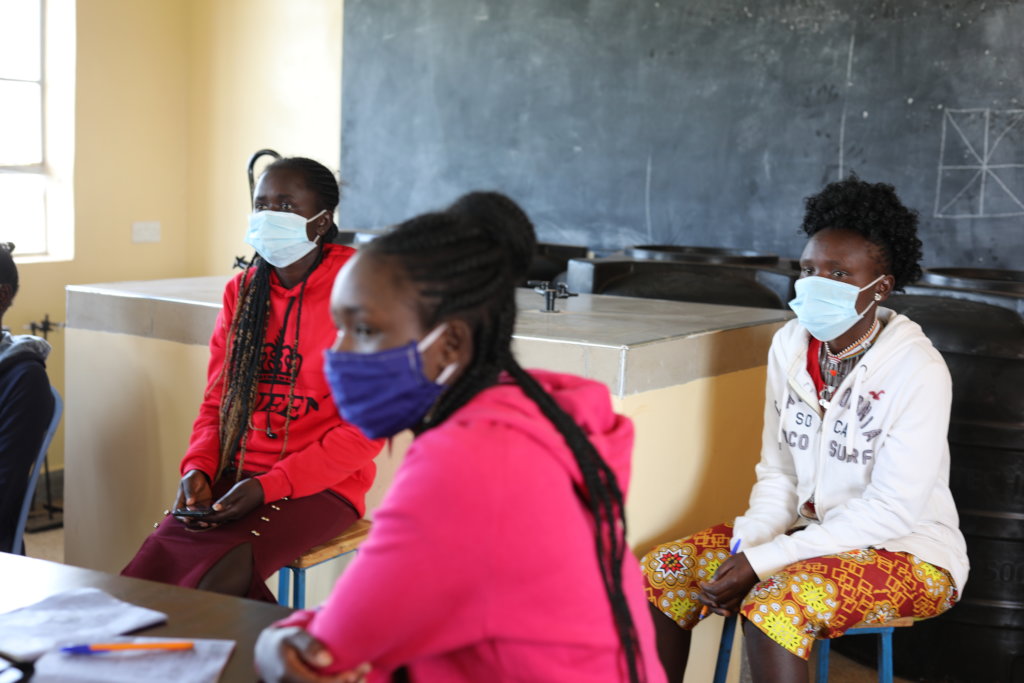
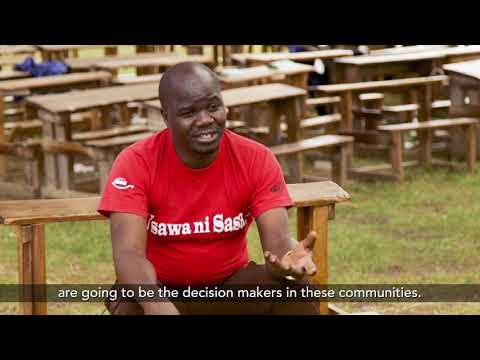
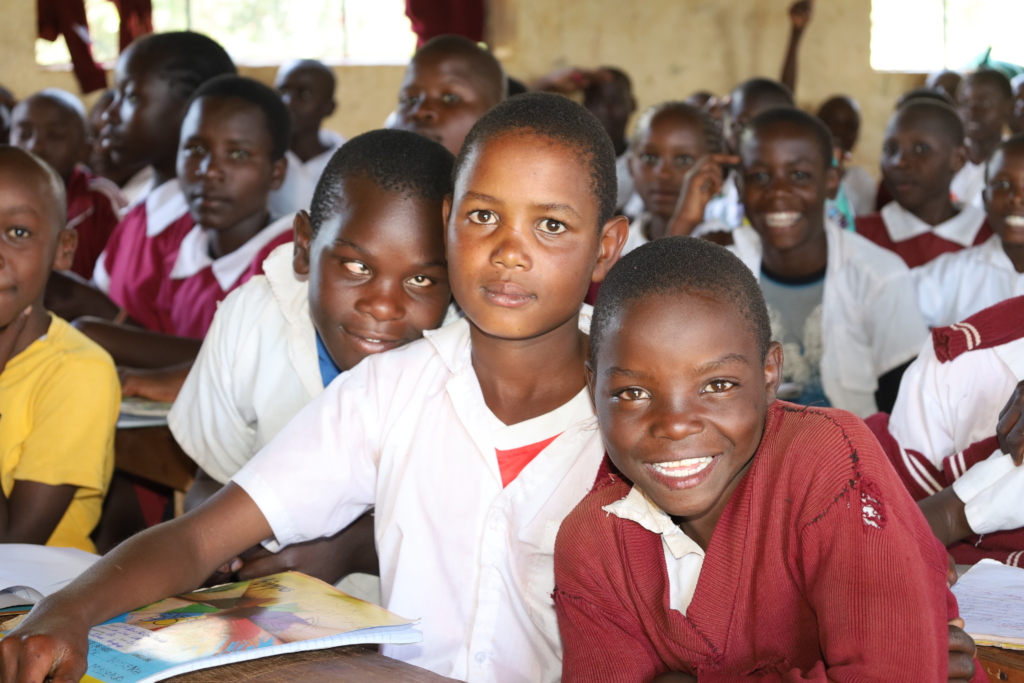
This year, we are reaching 10,321 students in grades five through seven across 55 partner schools in Narok and Kisii Counties, an increase from 40 schools last year. We currently employ 59 locally recruited peer facilitators to lead the sessions, creating valuable employment opportunities and fostering leadership among young people in the community. In February, we hosted a meeting with partner school representatives to generate buy-in and promote sustainability as we aim to eventually pass ownership of the curriculum directly to partner schools after three years. With this expansion to more schools, we look forward to developing new allies for gender equality. One of these upcoming champions for girls’ empowerment is Brian, a sixth grader who joined the program last year:
"Before we began Jijue training, I used to believe that some roles were meant for girls, like washing utensils and fetching water from the river. I also thought being a girl is not as important as being a boy. But now, I’ve learned that we are all equal, and I know how to treat my sisters and girls in my school with respect.” - Brian, Grade 6, Mumeita Primary School
Jijue begins in fifth grade and runs over three years, actively involving teachers and parents to reinforce student learning and development both in and out of the classroom.
The program works in tandem with our other health initiatives, like the youth-friendly clinic that we opened last year to serve approximately 10,000 community members who previously had little to no access to healthcare. So far this year, the clinic has provided essential health services such as primary and preventative care, counseling, stigma-free sexual and reproductive health education resources, and pharmacy and lab services to over 3,900 patients. By pairing direct services with the Jijue program’s focus on education and youth engagement, we meet the urgent health needs of our remote community while transforming the underlying social norms that drive women and girls’ unequal access to healthcare.
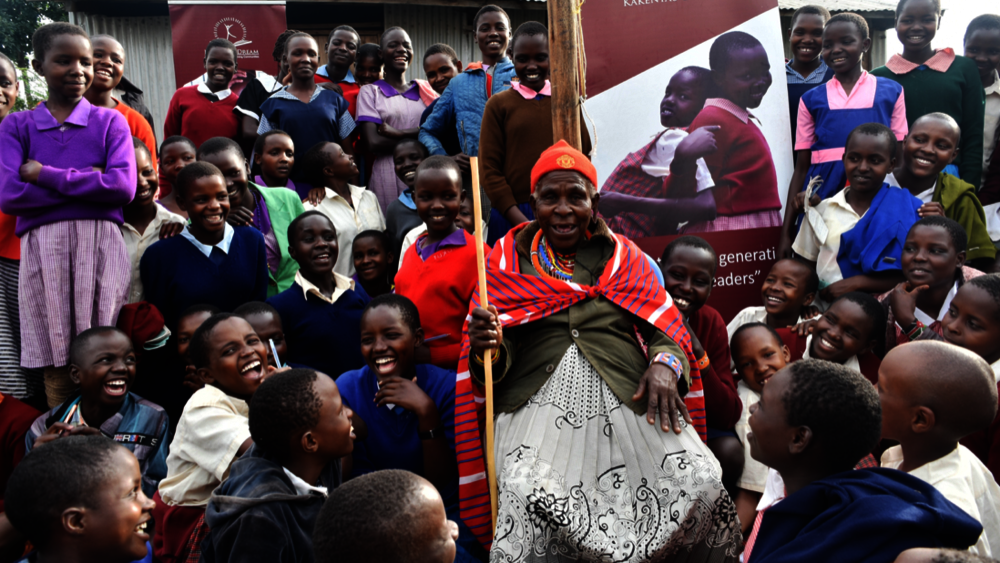
Thank you to the GlobalGiving community. Your generosity is transforming centuries-old gender-biased ideologies and harmful traditional practices, moving us toward gender equality. Thousands of girls and boys are becoming empowered to advocate for themselves, their health, and their rights. We are deeply grateful for you!
Project reports on GlobalGiving are posted directly to globalgiving.org by Project Leaders as they are completed, generally every 3-4 months. To protect the integrity of these documents, GlobalGiving does not alter them; therefore you may find some language or formatting issues.
If you donate to this project or have donated to this project, you can receive an email when this project posts a report. You can also subscribe for reports without donating.



Support this important cause by creating a personalized fundraising page.
Start a Fundraiser