By Jan Tomasz Rogala | Artistic Director Doctor CLOWN
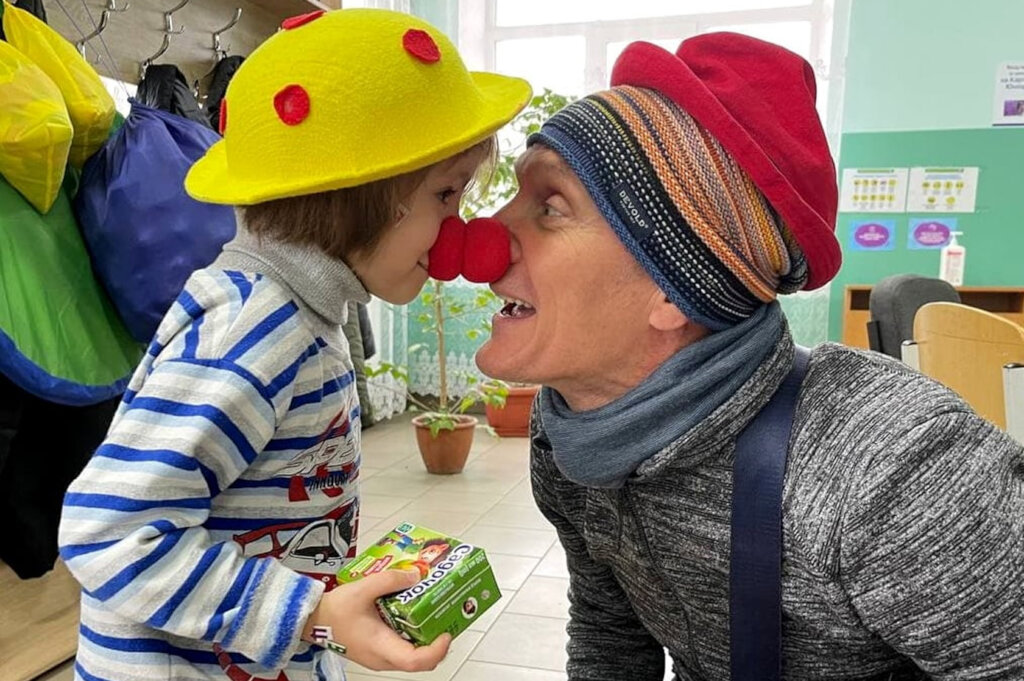
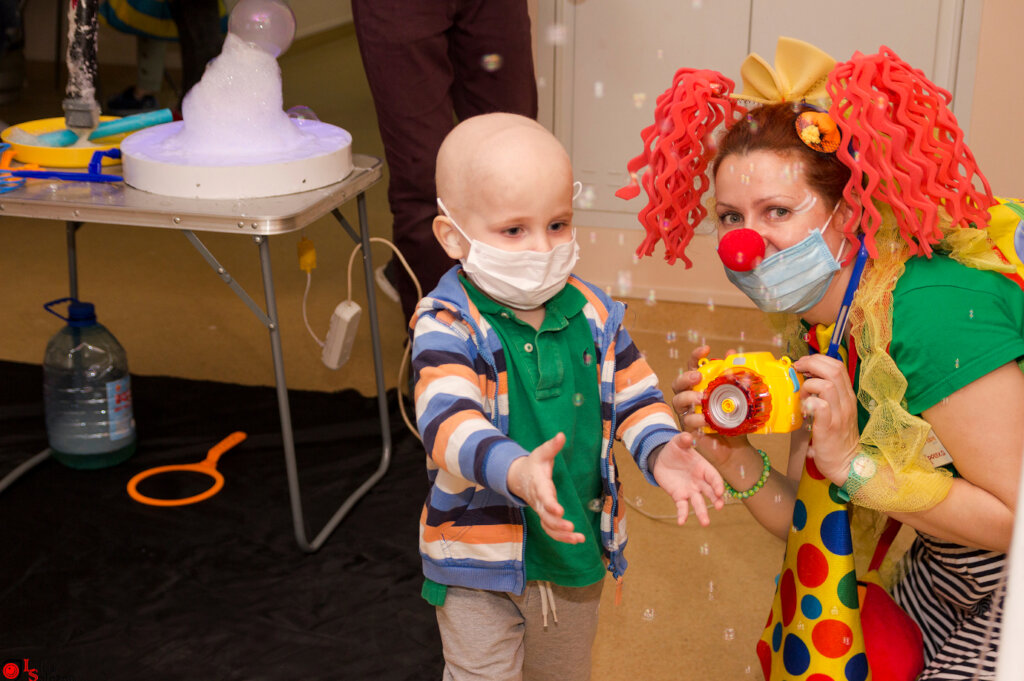
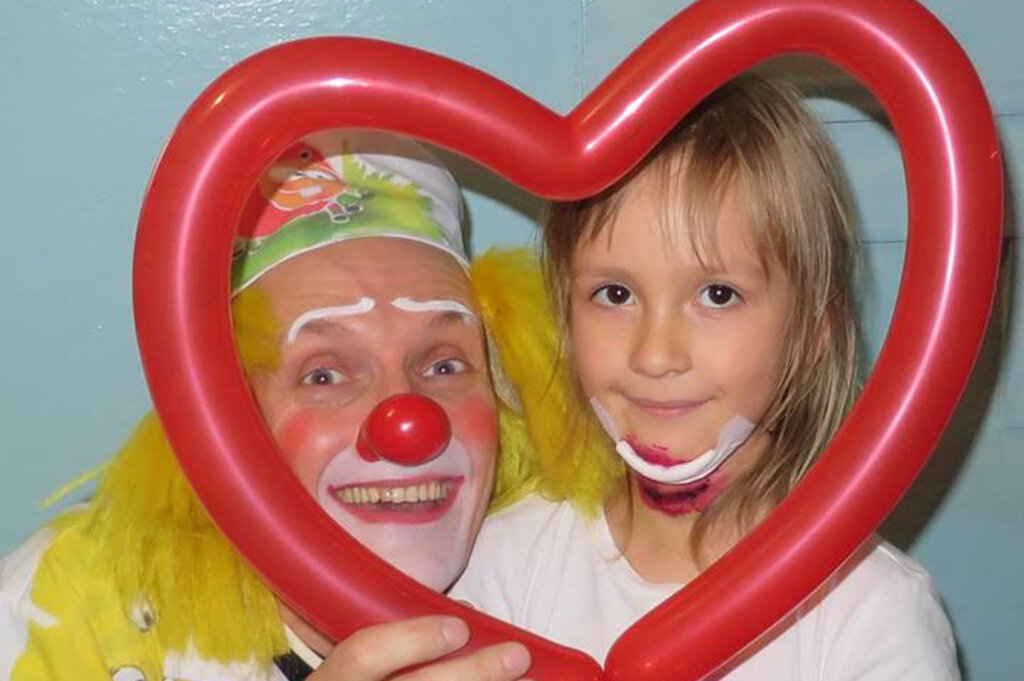
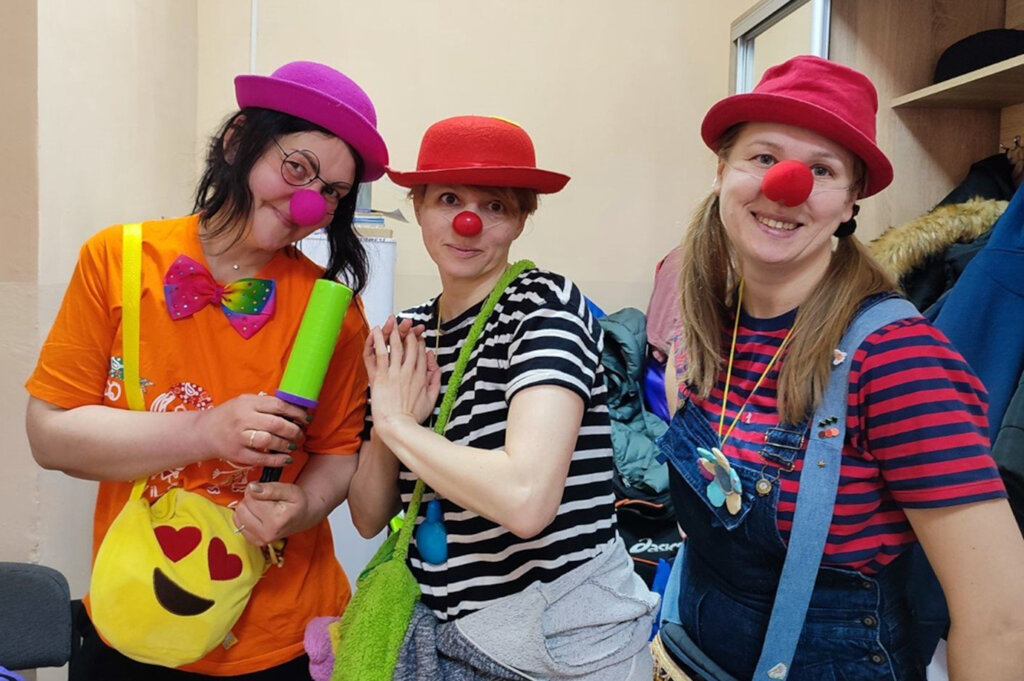
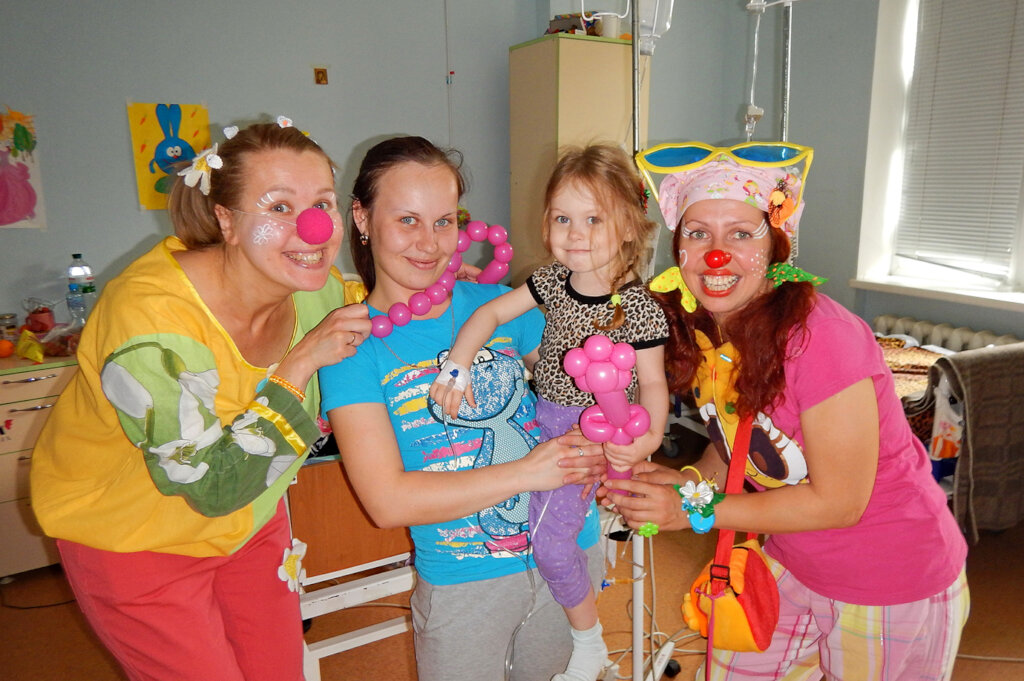
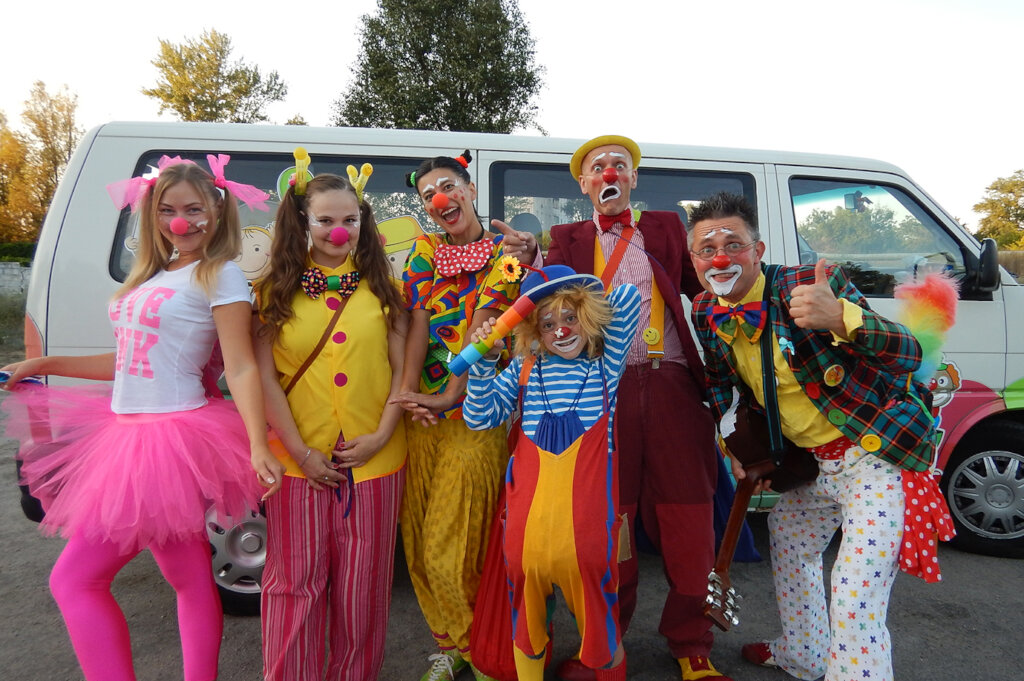
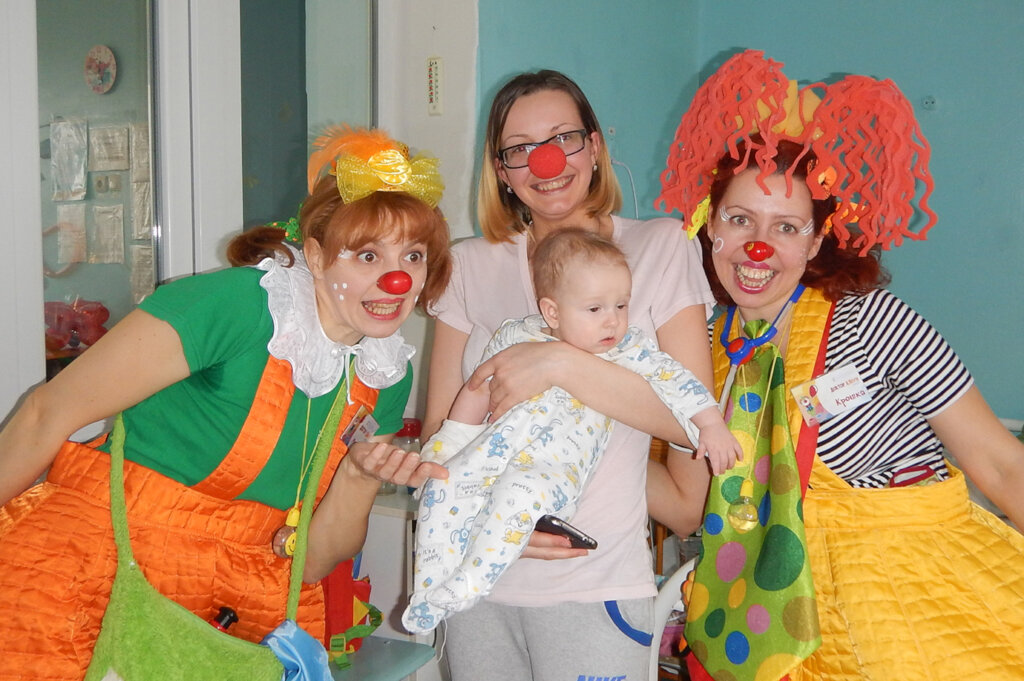
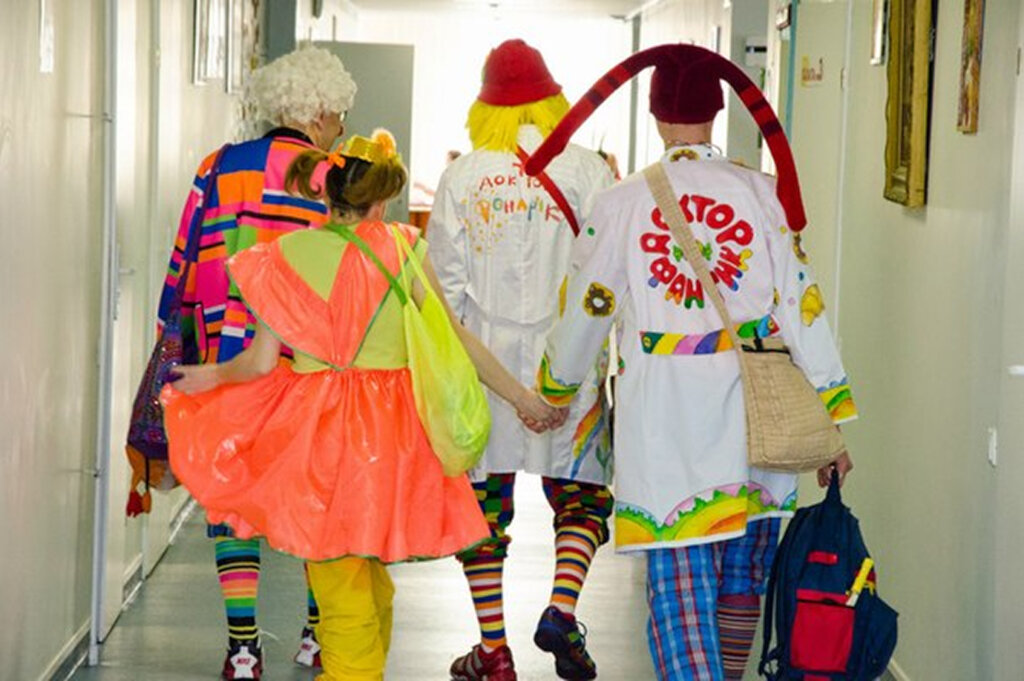
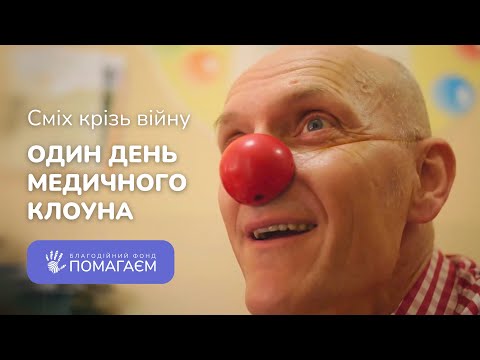
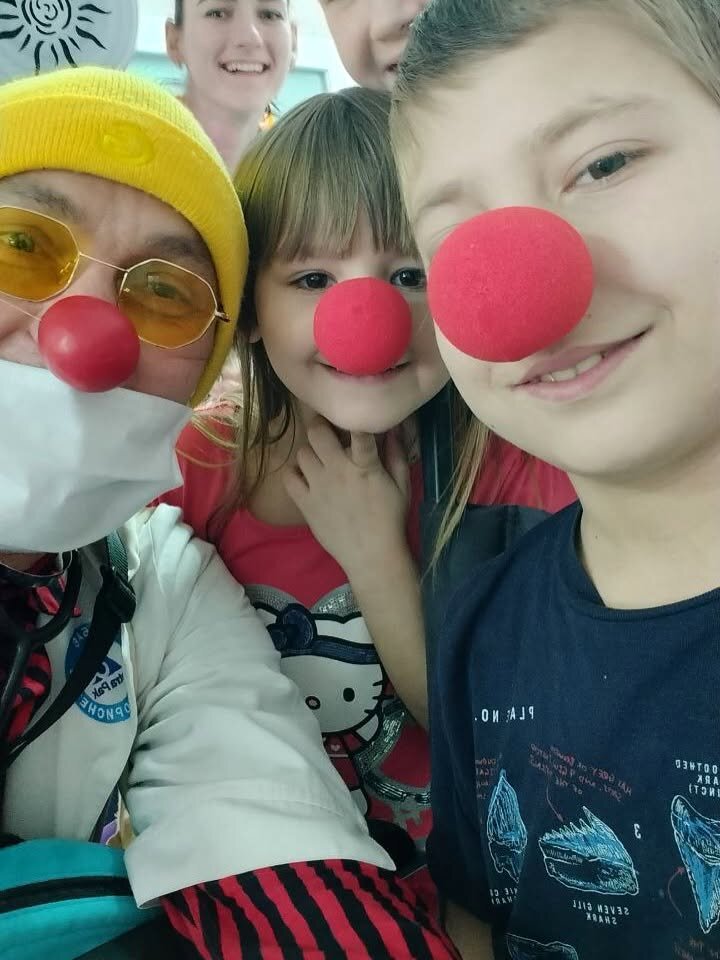
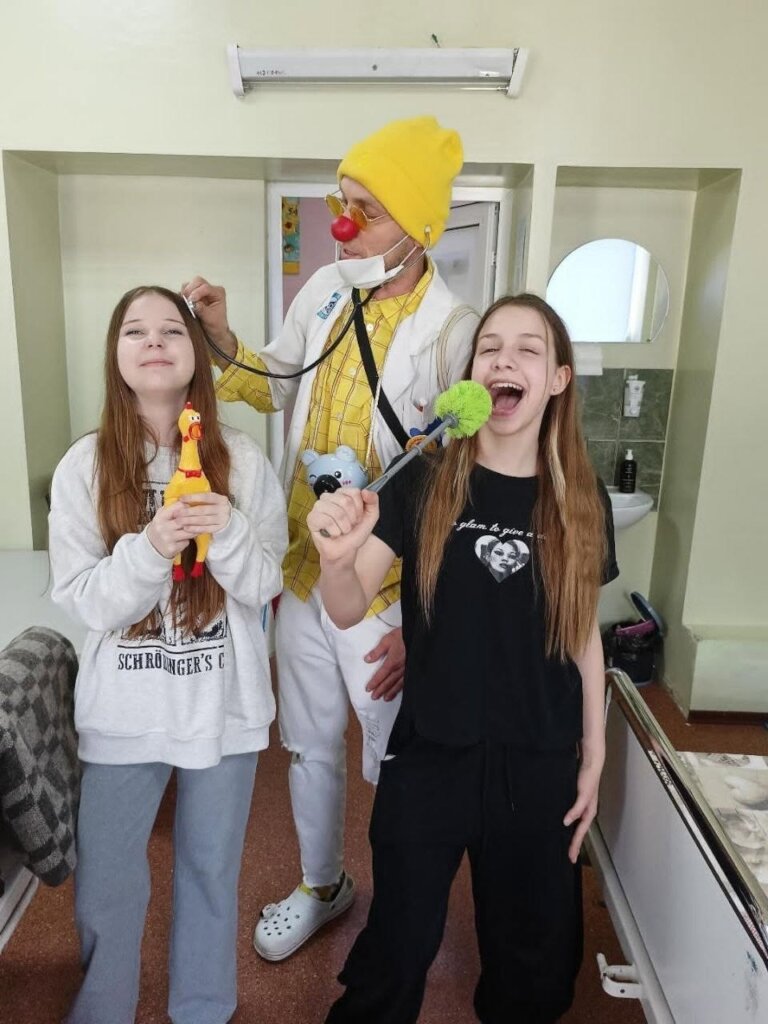
Throughout this reporting period, the Doctor Clown Dnipro team continued regular visits to children in the hospital, including the oncology department. Behind the red noses, magic tricks, and improvisation is serious preparation: hospital clowns train for every visit, learning how to connect with a child, recognize their emotional state, and create a space where treatment, fear, and anxiety can fade into the background, even for a little while. During one visit, we asked children about their dreams. Their answers were beautifully simple: to go swimming, visit the seaside, pass their exams, get a small doll, or simply enjoy their favorite chips. For us, this was another reminder that even during illness and war, children need the chance to be children - to dream, play, and laugh.
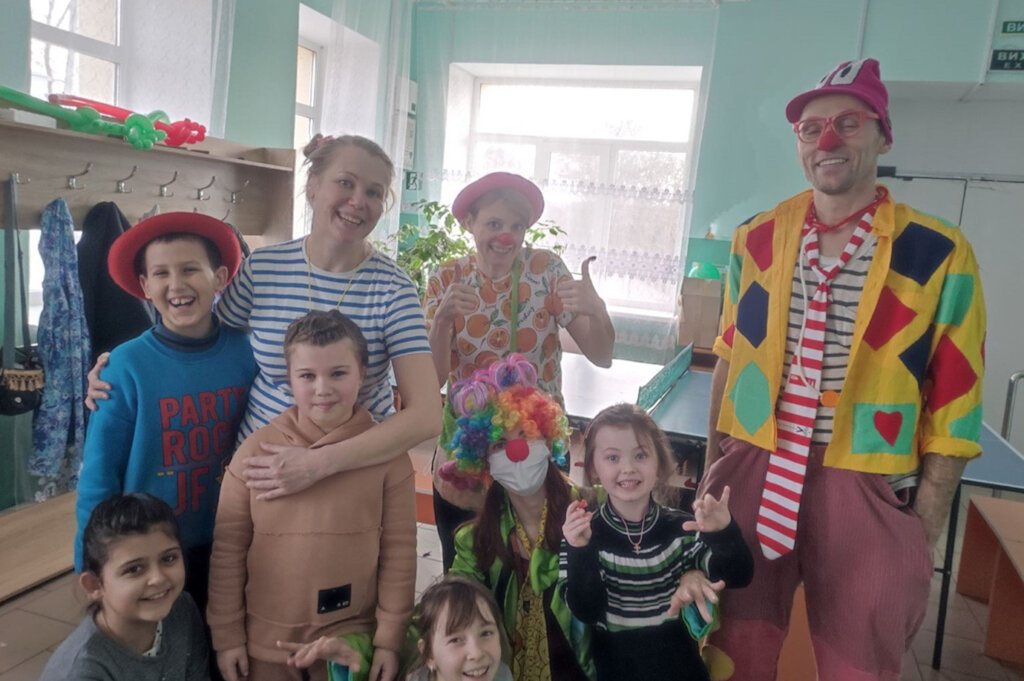
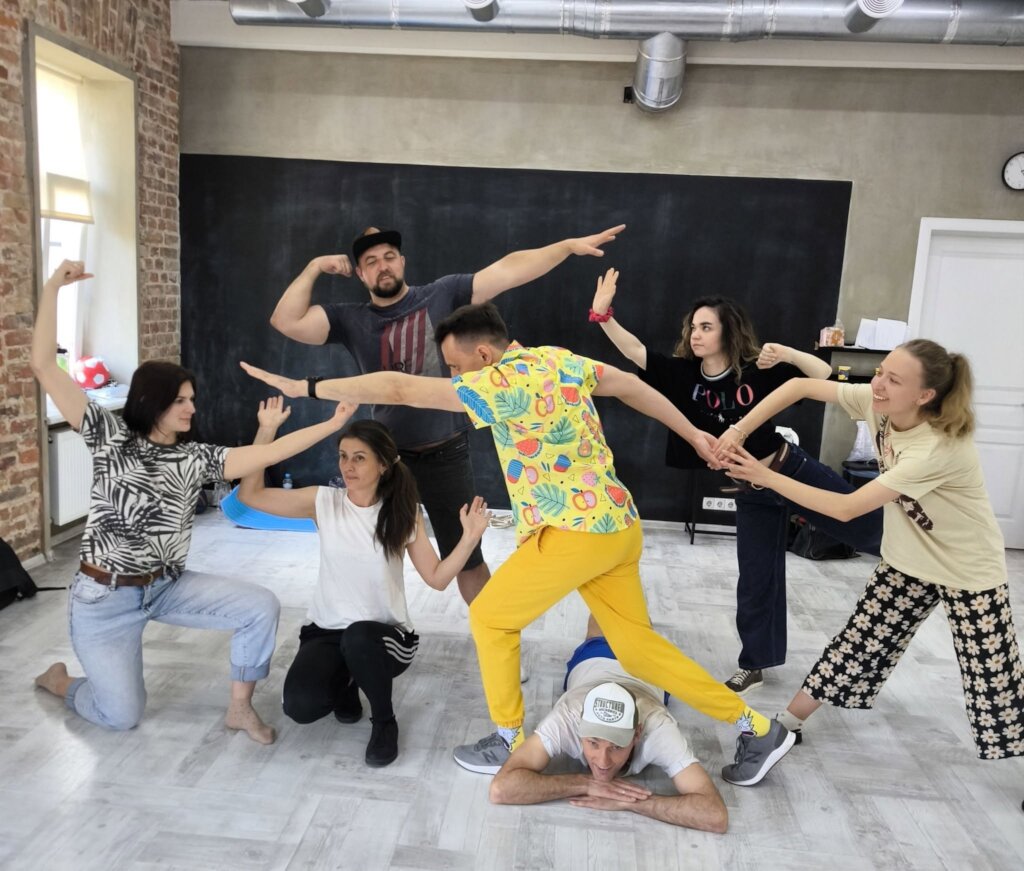
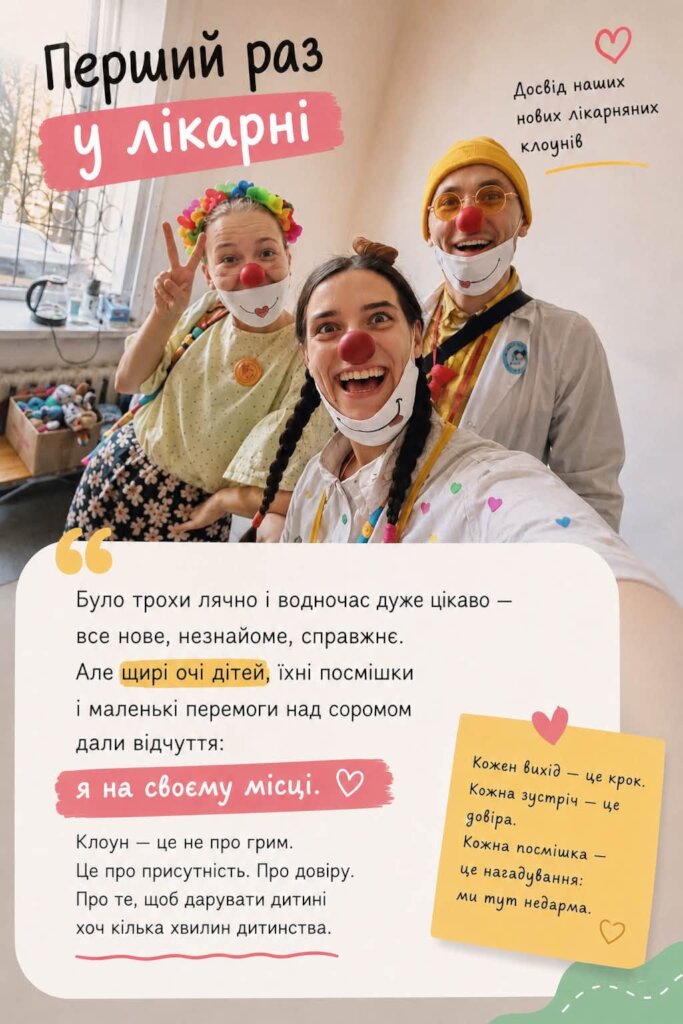
One of the most important developments this period was the reopening of our Hospital Clown School. The war has significantly reduced what was once a large team, so training new hospital clowns is critical to sustaining the program. Participants are learning improvisation, emotional awareness, non-verbal communication, teamwork, and, most importantly, how to listen and build trust. After several training sessions, one new participant has already made her first visit to children in the hospital. For us, this is a small but very meaningful milestone: the Doctor Clown Dnipro team is beginning to grow again.
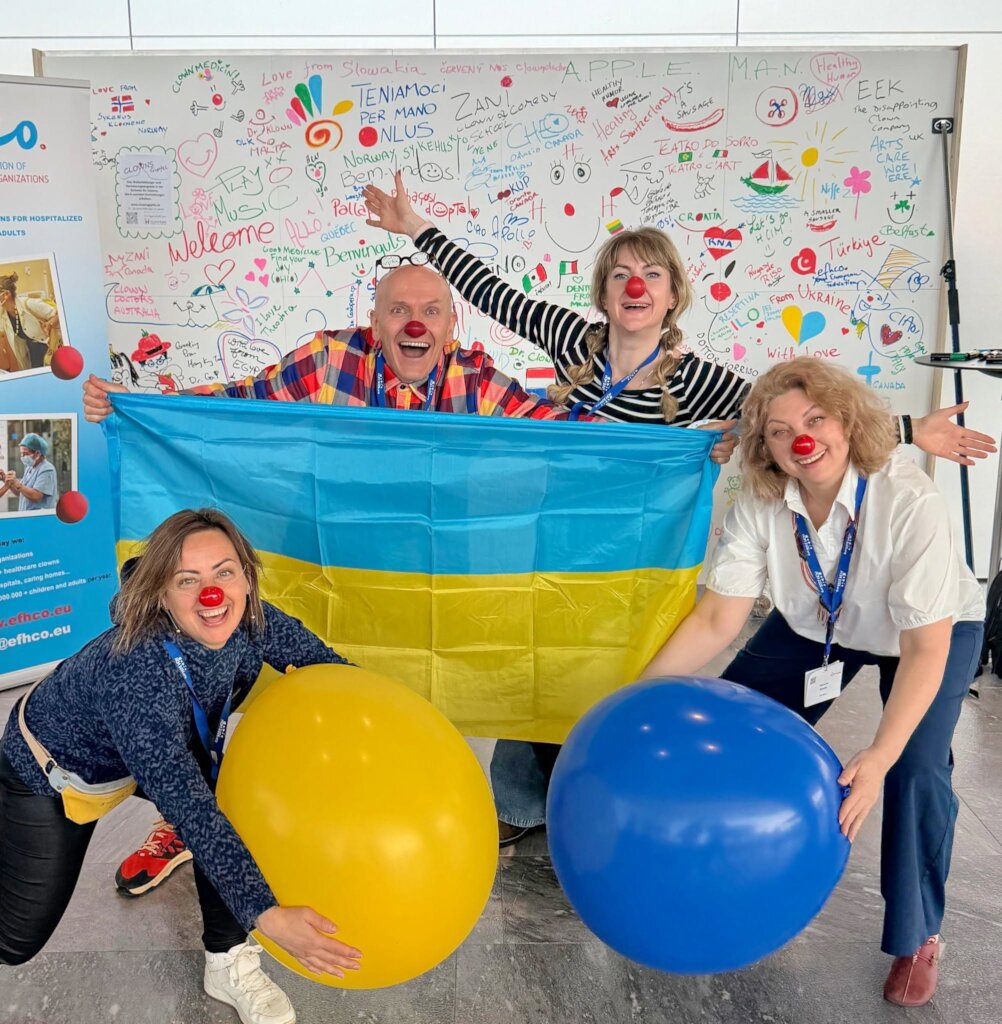
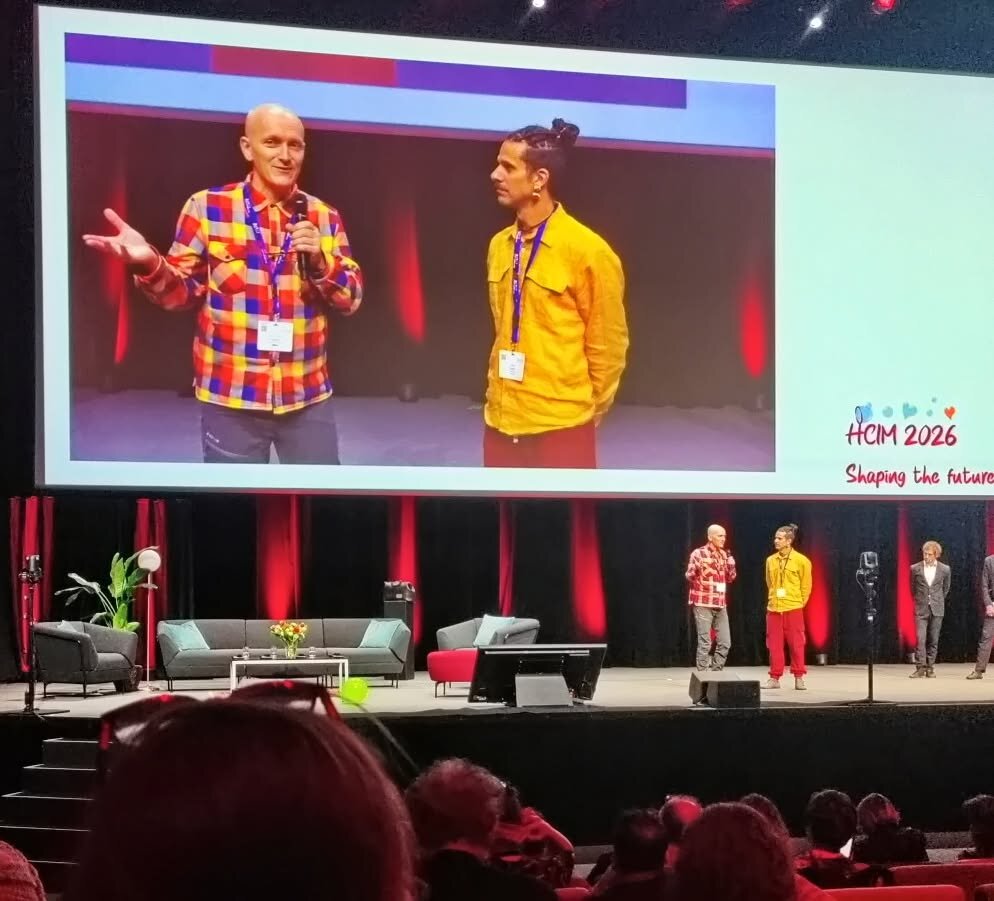
At the same time, we continued investing in the professional development of our team and hospital clowning in Ukraine. Members of our team joined the first strategic session of the Ukrainian Association of Hospital Clowns, bringing together teams from different regions of Ukraine to develop a shared mission, structure, and direction for the field. Another important milestone was the participation of a Doctor Clown Dnipro representative in the Healthcare Clowning International Meeting in Switzerland, a global gathering held once every four years that brings together healthcare clowns, artists, healthcare professionals, psychologists, researchers, organizational leaders, and other professionals from around the world. This year's three-day meeting welcomed more than 650 participants from 43 countries and over 140 organizations from around the world, including four representatives from Ukraine. For us, it was an important opportunity to learn from the international professional community, deepen our practice, and share Ukraine's unique experience of hospital clowning in the highly stressful environment of a prolonged war. It was also a valuable opportunity to reconnect and strengthen relationships with international colleagues who have provided emotional and material support to the Ukrainian hospital clowning community during the past four years.
We also continue to accompany children through difficult and sometimes very long periods of treatment. One of our young friends recently underwent a successful stem cell transplant after surgeries and chemotherapy. Whenever our clowns visited him, he eagerly waited for a new magic trick and always wanted to learn how to do it himself. Moments like these remind us why this work matters: alongside treatment, hospital rooms, and difficult procedures, there should always be room in a child's life for curiosity, play, and laughter.
Links:
Project reports on GlobalGiving are posted directly to globalgiving.org by Project Leaders as they are completed, generally every 3-4 months. To protect the integrity of these documents, GlobalGiving does not alter them; therefore you may find some language or formatting issues.
If you donate to this project or have donated to this project, you can receive an email when this project posts a report. You can also subscribe for reports without donating.



Support this important cause by creating a personalized fundraising page.
Start a Fundraiser