By Heather Wilcox | Director of Annual Giving & Advancement Services
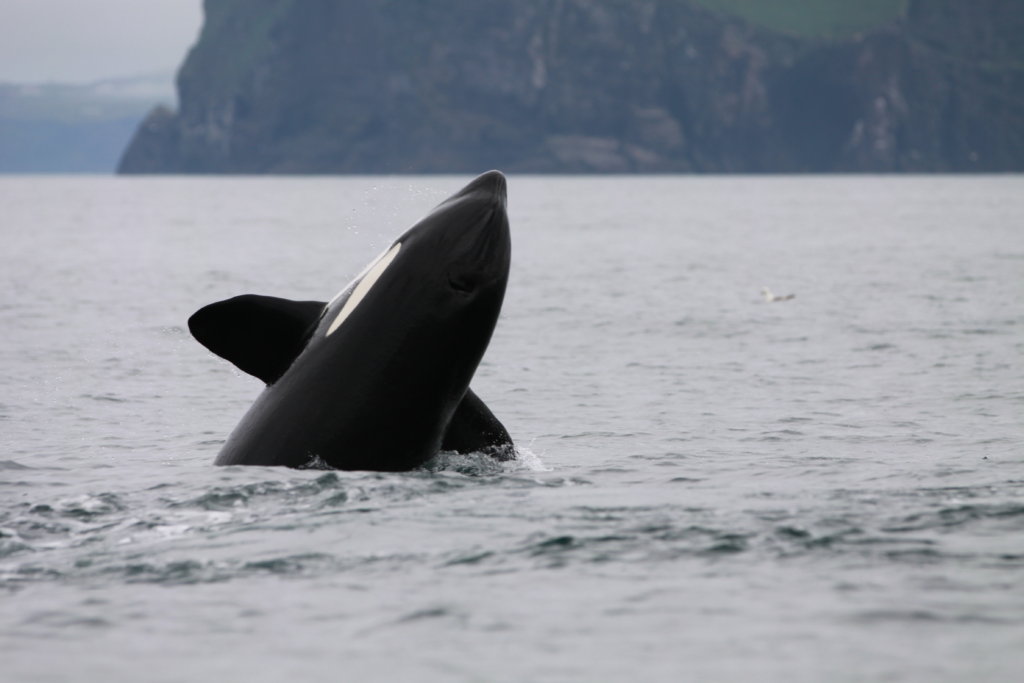
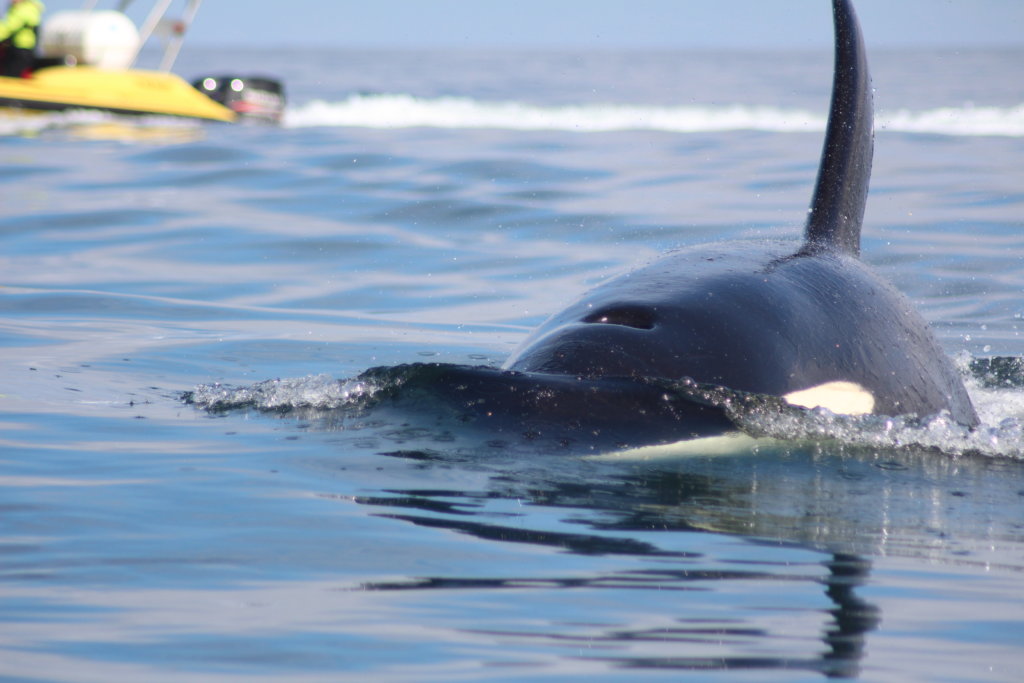
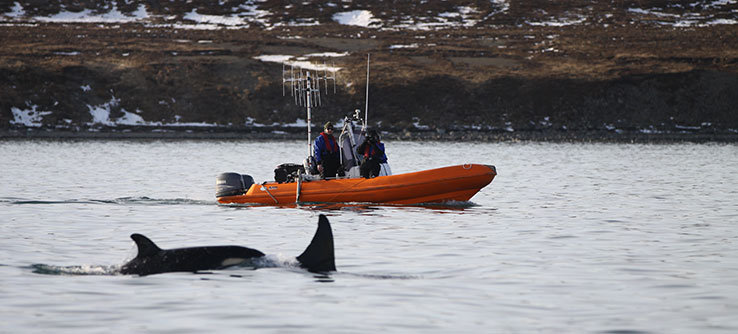
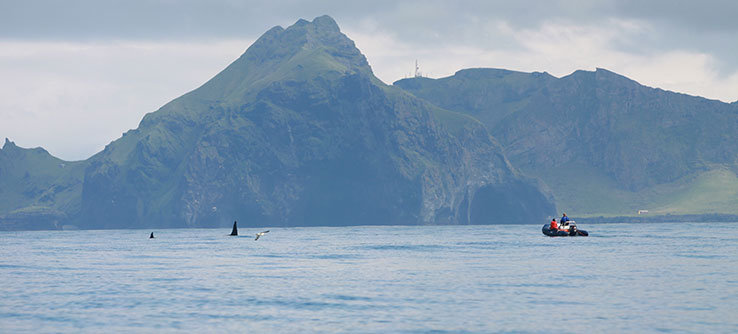
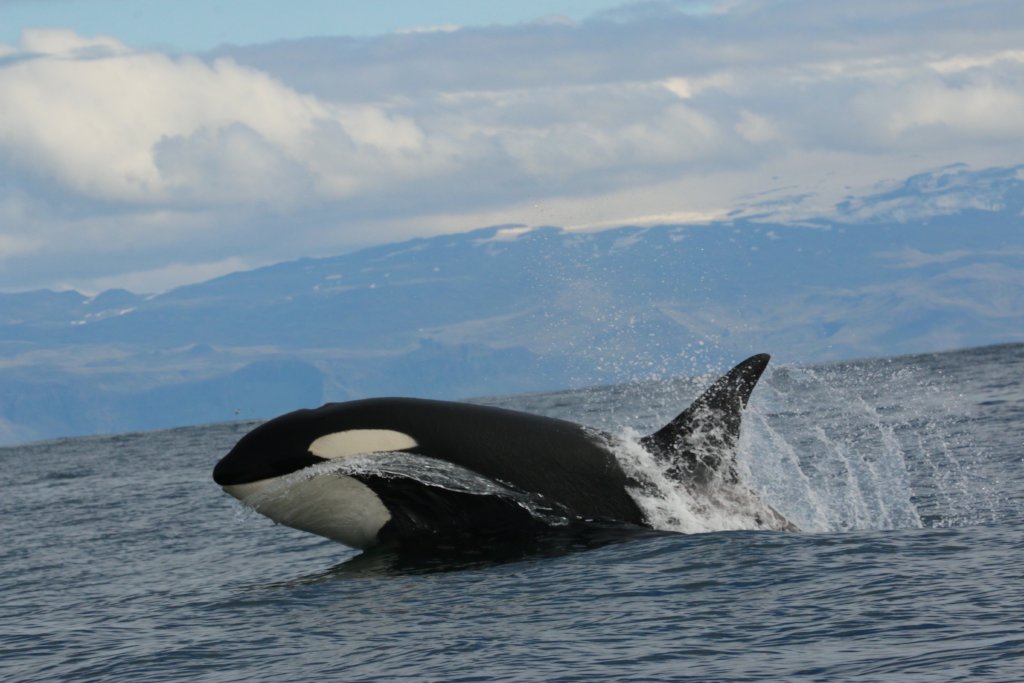
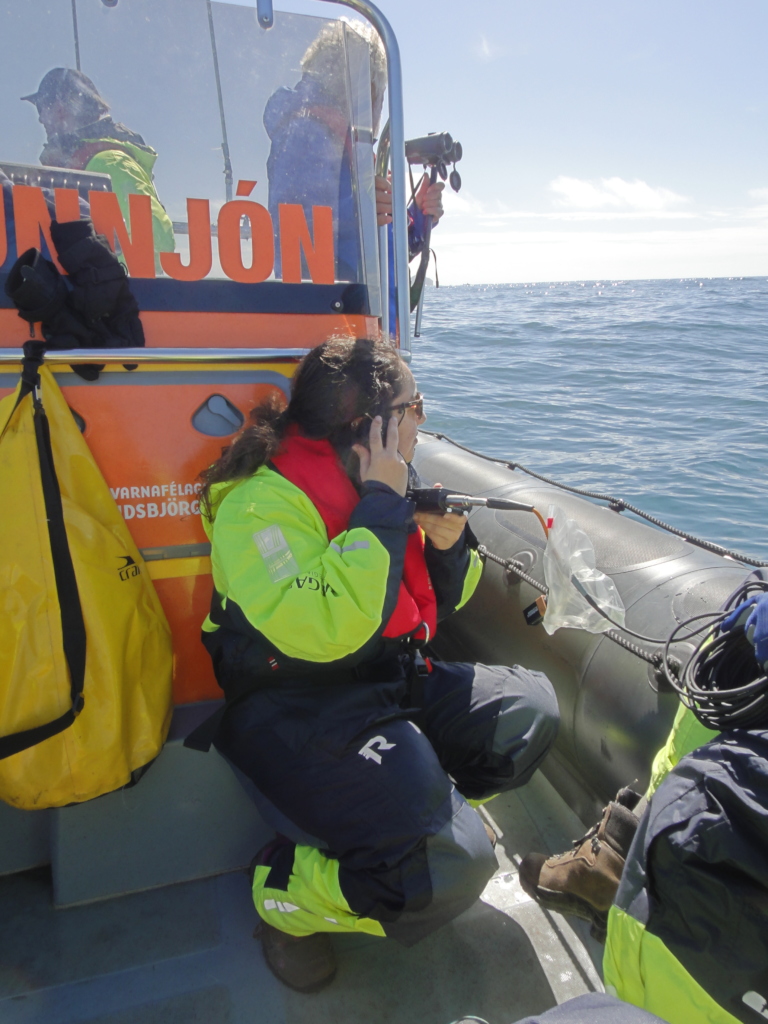
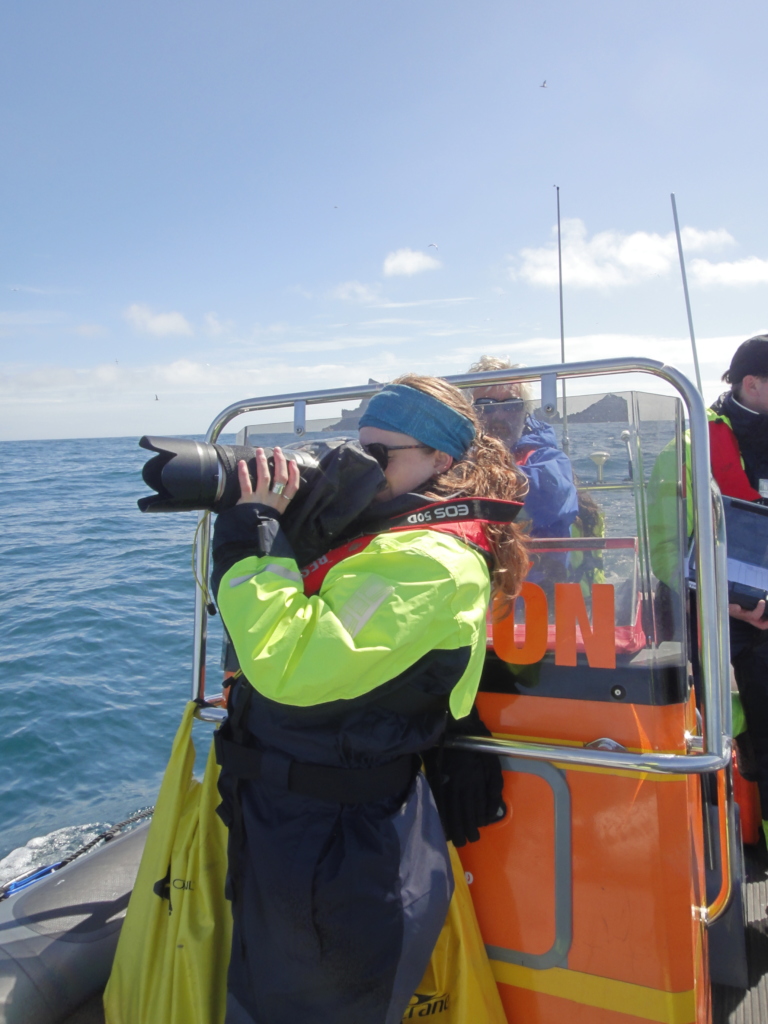
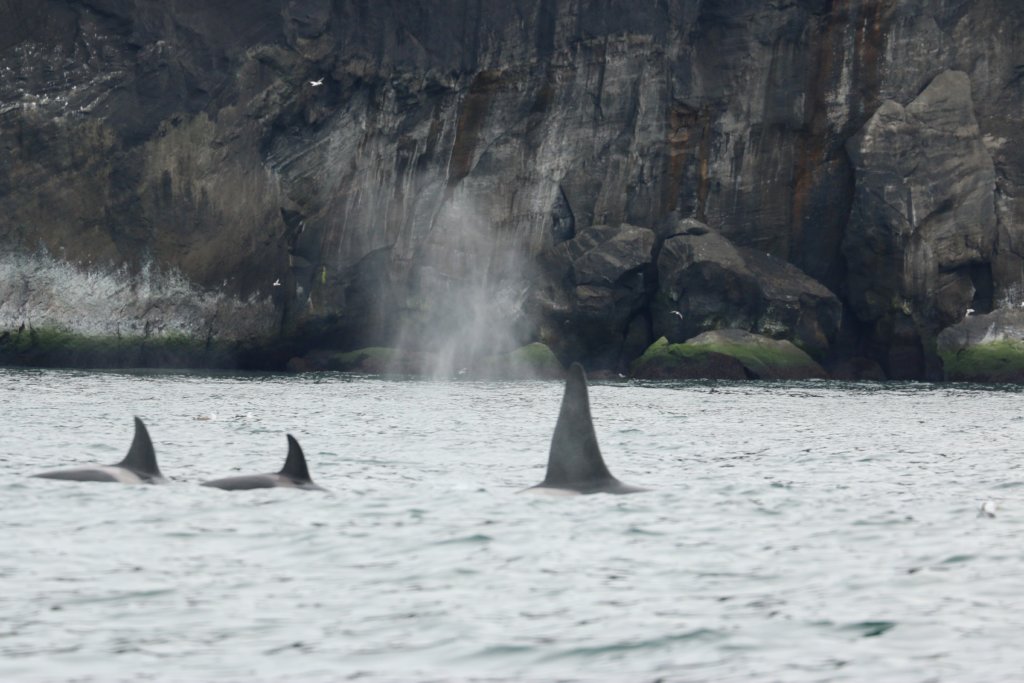
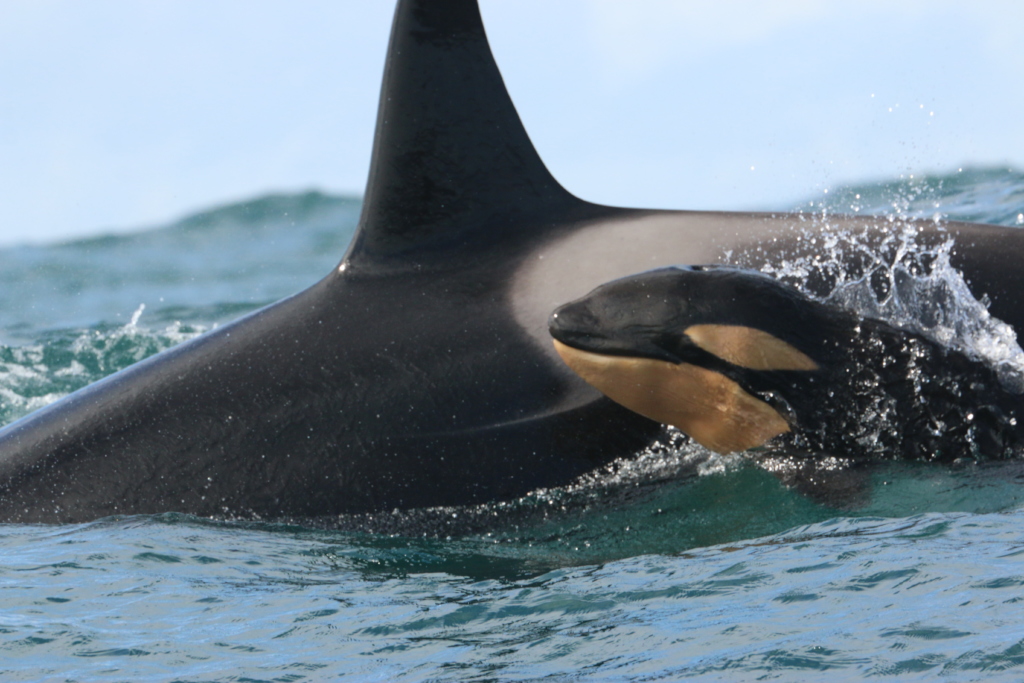
Earthwatch’s Killer Whales in Iceland research expedition has completed its second research season, which ran from June – August. During this time, five teams of 30 volunteers joined Dr. Filipa Samarra and her staff in Iceland to collect important observations on the health and behaviors of killer whales.
Killer whales have long been known to inhabit Iceland but this study represents the first long-term research program dedicated to understanding their ecology, behavior and conservation status. Our work to date suggests that within this population there are remarkably different feeding strategies; while some whales appear to follow the herring migration exclusively, others appear to supplement with other prey, including marine mammals. Such prey switching is unusual for killer whale populations observed elsewhere. However, the extent to which different whales may be adopting different strategies is unknown. Understanding if a large proportion of the Icelandic killer whale population feeds primarily on herring, or has adopted a more generalist feeding strategy, is particularly relevant in the face of changing environmental conditions and will help our ability to predict how these whales will adapt.
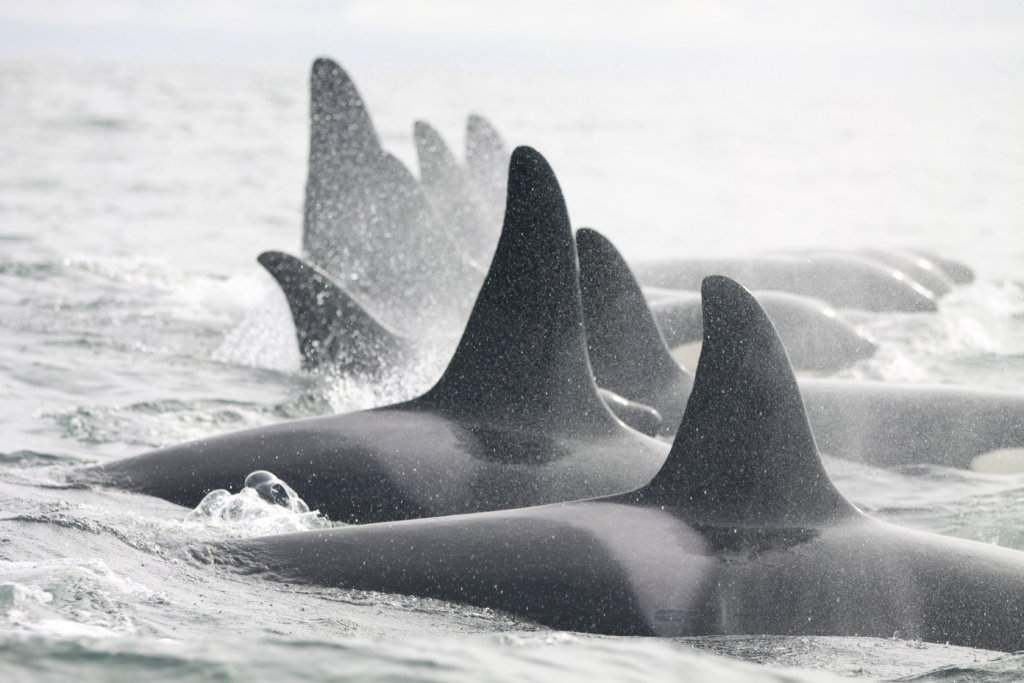
Killer whales were consistently observed throughout the season, however, sighting numbers fluctuated daily. Some days involved observations of large aggregations of whales (>50) and on other days only small groups were found. Over 10,000 photos were taken and analysis so far has identified 103 individual whales that were re-sighted from previous years. Analysis to determine sighting frequencies is still ongoing, and will be used to calculate the amount of time the study area was used by different individuals. This will provide information on the importance of this area and how habitat use may vary across different individuals. Combined with the behavioral observations of feeding events, this data will allow us to determine whether individuals are specializing on herring or have adopted a generalist feeding strategy.
More broadly, the monitoring of different cetacean species will also allow us to help characterize the local marine ecosystem, as well as its importance for different top predators. With the continued support of generous donors like you, Dr. Samarra’s work will contribute significantly to our understanding of Iceland’s marine ecosystems in the face of increasing pressures from climate change and human activities such as fishing, hunting, and coastal development. We look forward to sharing new insights from the 2018 season once data analysis is complete, in early 2019.
In the meantime, thank you for all you do to help multi-year conservation studies like this one. Together, we are making a real difference in the fight to sustain our planet, one species, one donation, and one day at a time.
Wishing you and yours a joyous holiday season,
Heather Wilcox
Director of Annual Giving
978-450-1208
hwilcox@earthwatch.org
P.S. Remember - you don't just have to read about this research from afar... you can be at the center of the action as an Earthwatch research volunteer! Visit the expedition sign up page to see which teams are still accepting volunteers in 2019.
** Photos provided courtesy of Dr. Filipa Samarra and Earthwatch volunteer Kathy Kelly **
Links:
Project reports on GlobalGiving are posted directly to globalgiving.org by Project Leaders as they are completed, generally every 3-4 months. To protect the integrity of these documents, GlobalGiving does not alter them; therefore you may find some language or formatting issues.
If you donate to this project or have donated to this project, you can receive an email when this project posts a report. You can also subscribe for reports without donating.



Support this important cause by creating a personalized fundraising page.
Start a Fundraiser