By Suzanne Thomson | CFK Organizational Consultant
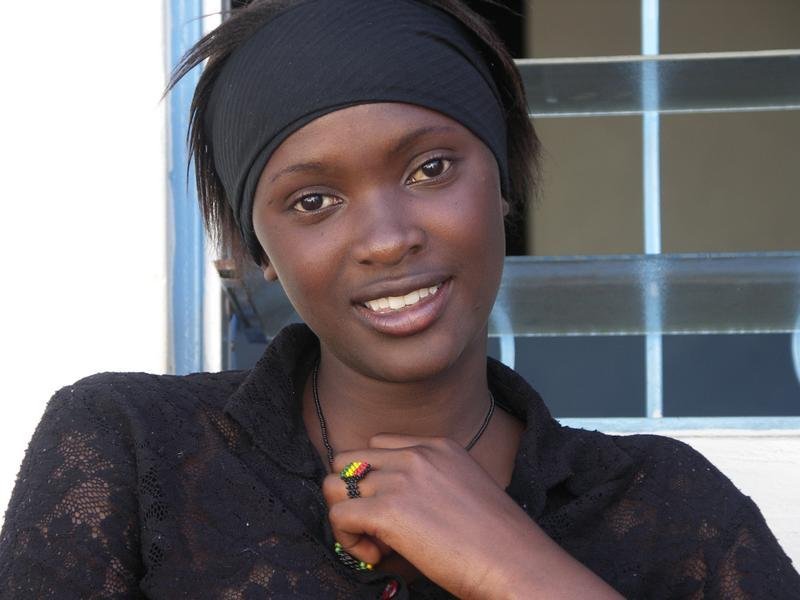
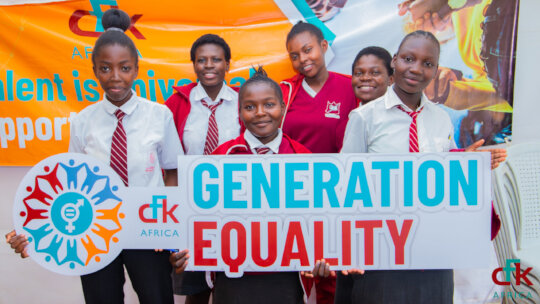
They filed into the Tabitha Medical Clinic, seemingly identical in their school uniforms. Quiet and shy, they crammed close together on the benches of the reception area and spoke softly to one another. An elegant Kenyan woman appeared with a bright smile for all the girls. “Good morning,” she said, clapping her hands together. “My name is Macrine. I’m a nurse here at the Tabitha Clinic and I love myself. Let’s hear who you are,” she said, pointing to the girls to introduce themselves.
One by one, they stood and told the room their name, grade, and what they loved: themselves, their country, their families, their height, their school, recent Academy Award winner Lupita N’yongo (who is Kenyan), dancing, poems, everyone else in the room, their color, their tribe, soccer, smiling, music, the way they are. When the introductions were over, Macrine clapped her hands together and said, “This is good that we love ourselves and each other, and we have to remember to take care of ourselves and our bodies.”
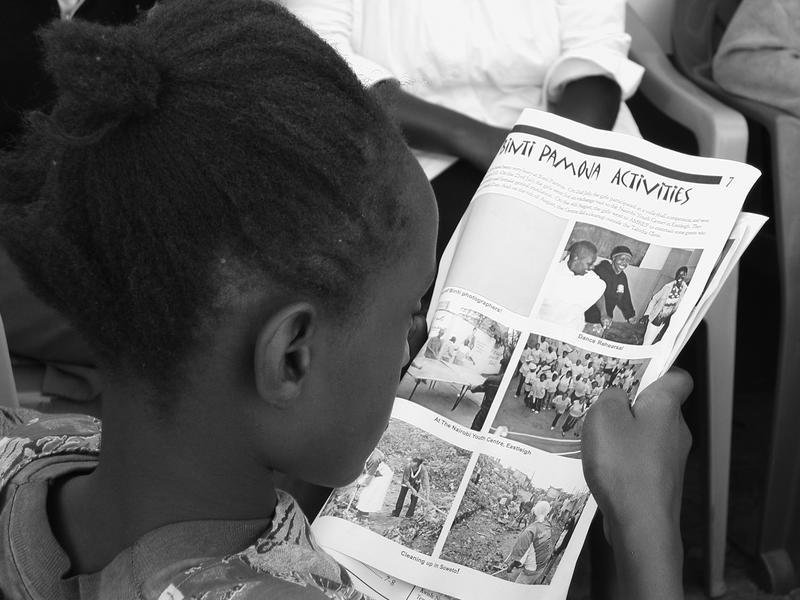
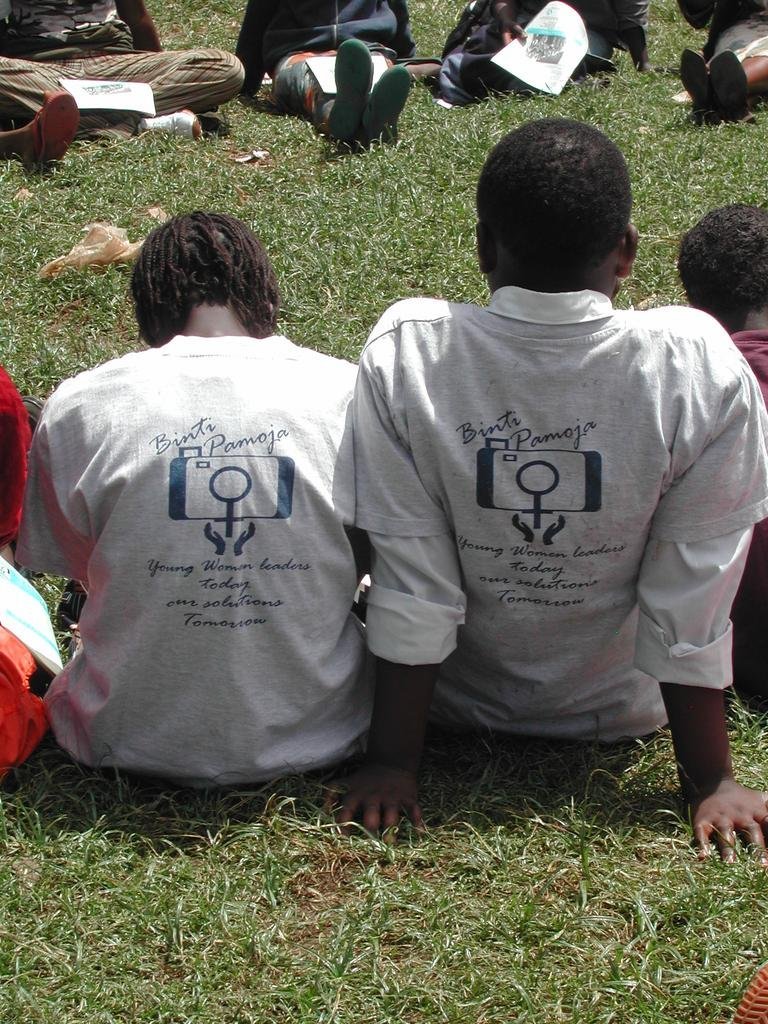
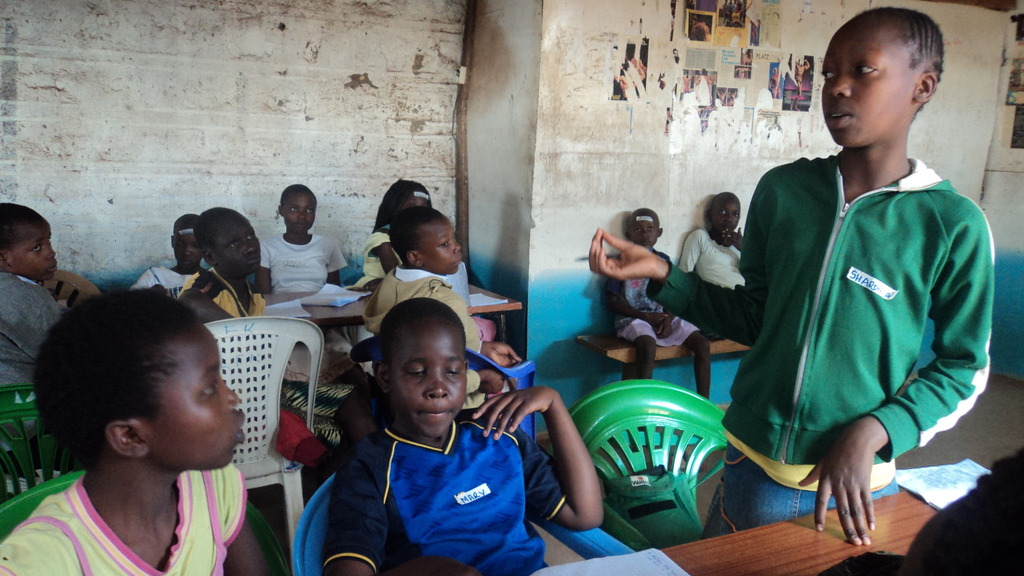
Organized by CFK’s Daughters United (Binti Pamoja) program, around 40 young girls spent the day at the Tabitha Medical Clinic with Macrine to talk about health issues that affect them and to ask any questions they have about their health while in a safe environment. Topics ranged from ways young girls in Kenya should take care of themselves, the importance of taking preventative measures if engaging in sex, and the importance of being screened for cervical and breast cancer.
When the topic of breast cancer came up, one of the girls raised her hand. “What causes breast cancer?” she asked. Macrine turned the question to the group and asked what they had heard were the causes. Another girl raised her hand, “When you sleep on your stomach for too long, the breast doesn’t get enough blood and the result can be cancer.” A few others shared what they had heard about the disease before Macrine gave them new—and correct—information.
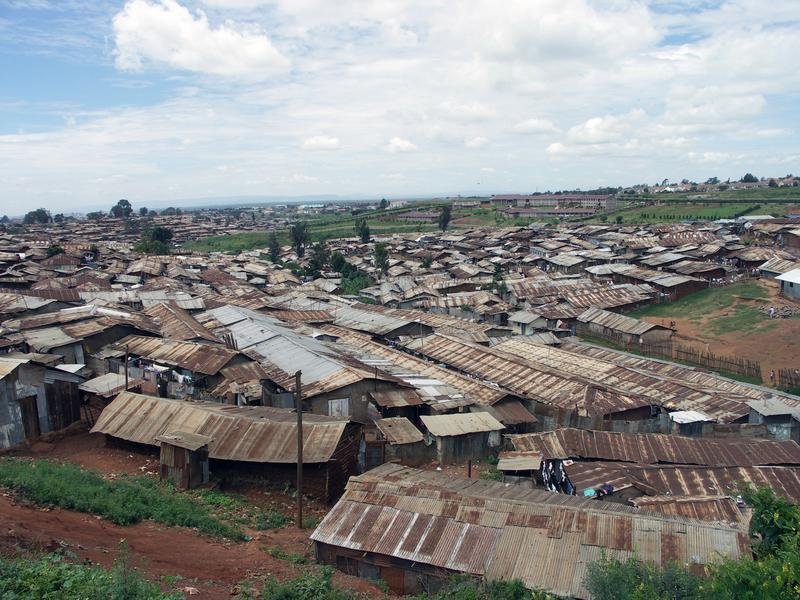
In Kibera, there’s an astounding amount of misinformation about important health issues like cancer, HIV/AIDS, STIs, and other medical conditions. Young girls grow up hearing myths that lead to real-life consequences. Regular, open health discussions like these help dispel incorrect information and stigma surrounding these health issues.
Project reports on GlobalGiving are posted directly to globalgiving.org by Project Leaders as they are completed, generally every 3-4 months. To protect the integrity of these documents, GlobalGiving does not alter them; therefore you may find some language or formatting issues.
If you donate to this project or have donated to this project, you can receive an email when this project posts a report. You can also subscribe for reports without donating.