By Constance Hunt | Executive Director
Dear Donors:
Encouraged by new partnerships with the Kenyan government and other civil society organizations, KWENCH is expanding the ecological/economic integration concept of the Kakamega Rainforest Restoration Project to five, cross-border ecoregions. These comprise the Eastern Arc Mountains (Kenya/Tanzania), Karamoja Cluster (arid & semi-arid region shared by NW Kenya, SW Ethiopia, SE South Sudan, NE Uganda), Kenya Tanzania Transboundary Conservation Area (marine ecosystem along the Kenya/Tanzania Indian Ocean coastline), Lake Victoria (Kenya, Tanzania, Uganda) and Mt. Elgon (Kenya/Uganda).
In early 2025, the Kenyan Ministry of Foreign Affairs committed to adopting a circular approach for developing a “...multilateral trade and financial system...founded on equity, inclusion and fairness." Because the Foreign Affairs Cabinet Secretary, Musalia Mudavadi, is also the Prime Cabinet Secretary, this committment is binding across the Kenyan government.
KWENCH's Circular Economy Pilot project will add environmental sustainability to the qualifiers for realizing this vision. In cooperation with partners great and small, we will introduce products indigenous to keystone, East African biomes into regional and global markets, allowing small, ecosystem-dependent producers to earn income without leaving their native homelands. By enticing particularly young people to make a living at home, the project will strengthen stewardship of these ecosystems while helping to stem rural-urban migration.
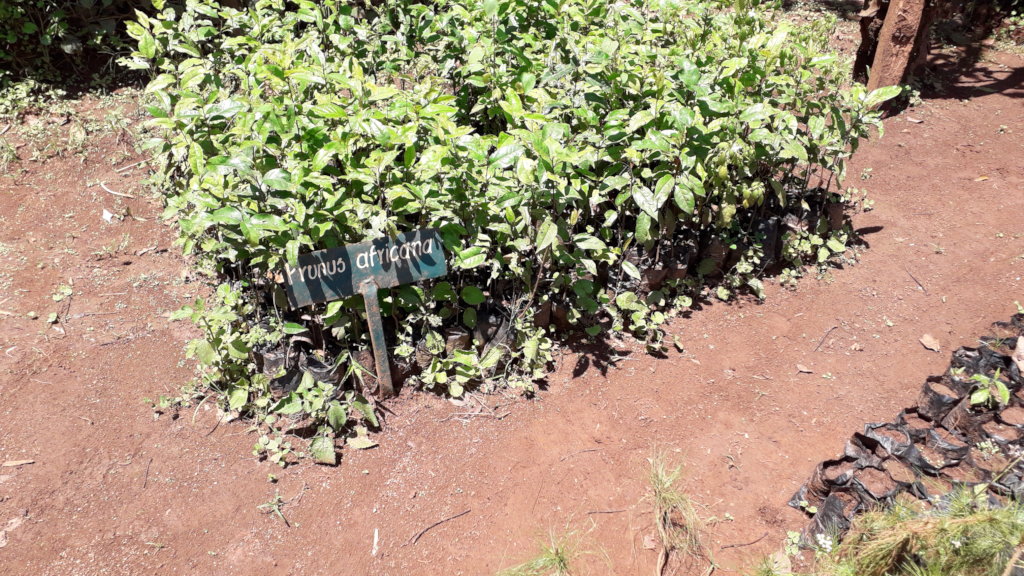
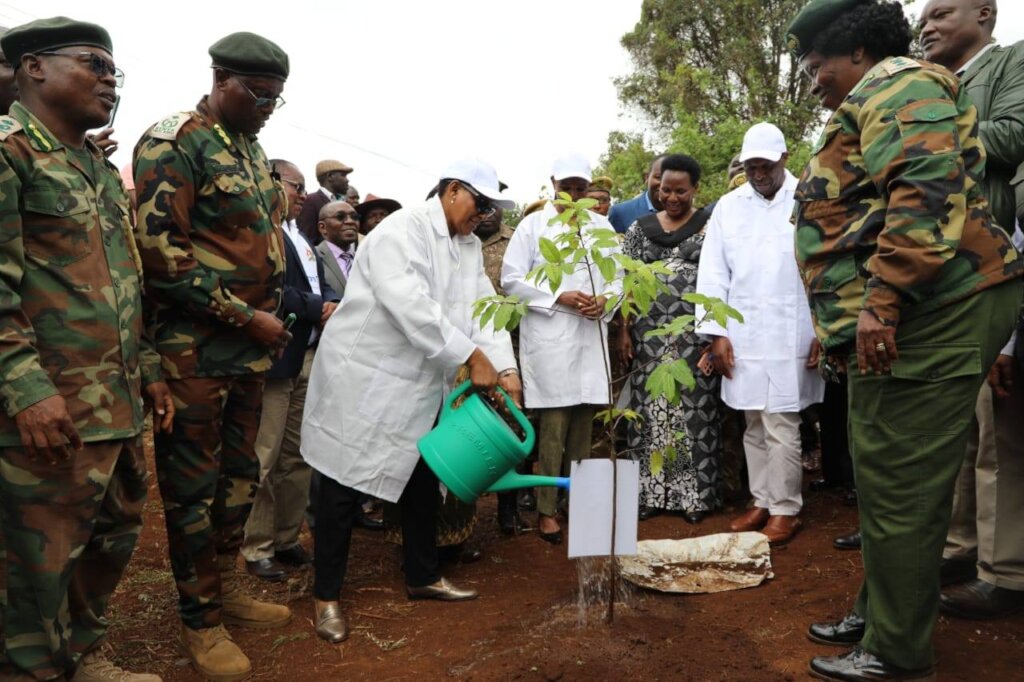
The scoping phase for the Circular Economy Pilots will commence in Western Kenya in July. As our first priority, KWENCH will establish a nursery on Mt. Elgon in cooperation with the Kenya Forest Service. The nursery will produce plants and other biota for restoration and income generation both on Mt. Elgon and in the Kakamega Rainforest, with a focus on plants used to treat serious illnesses, such as HIV and cancer.
The focus on medicinal plants is a strategic response to the recent abolition of USAID, which has made drugs for these diseases difficult to obtain and prohitively expensive in Africa. Counterfiet pharmaceuticals are now flooding the Kenyan market, leading to severe health complications, treatment failures and even fatalities. In addition, the Director General of the World Health Organization, Tedros Adhanom Ghebreyesus, warned on May 1 2025 that the world is facing "the greatest disruption to global health funding in memory" triggered by the withdrawal of U.S. funding from WHO.
The dearth of pharmaceuticals is already causing desperation amongst low income families in rural Africa who face the suffering and loss of their loved ones. In Kenya, the lack of access to commercial drugs for treating serious diseases is motivating families to aggressively invade natural ecosystems. Communities are intensifying their use of traditional medicines, thus accelerating the extirpation of medicinal biota. We intend to bolster these resources while contributing to their sustainable consumption.
Among the plants we are planning to reproduce and which are common to both the Kakamega Rainforest and Mt. Elgon ecosystems are:
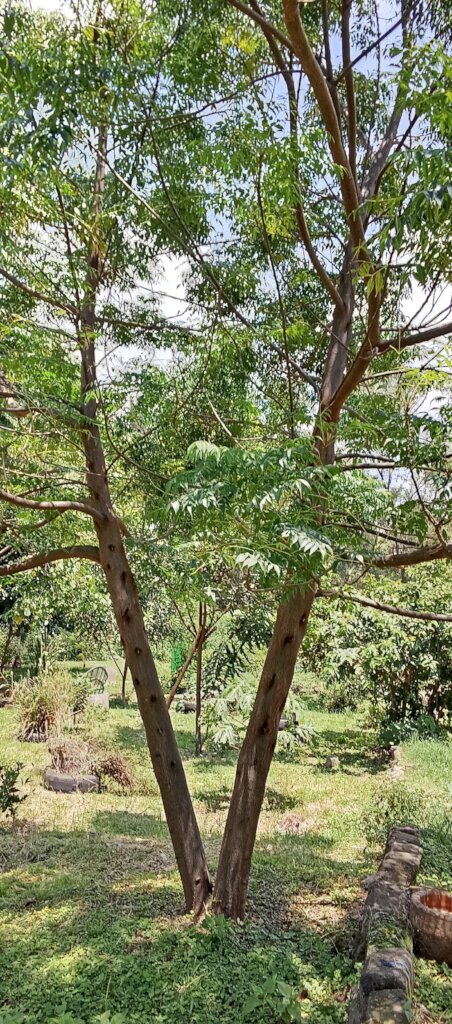
Ekbergia capensis (Cape Ash): Potential for treating cancer and HIV. Compounds derived from this tree inhibit breast cancer and leukimia as well as HIV-1 reverse transcriptase.
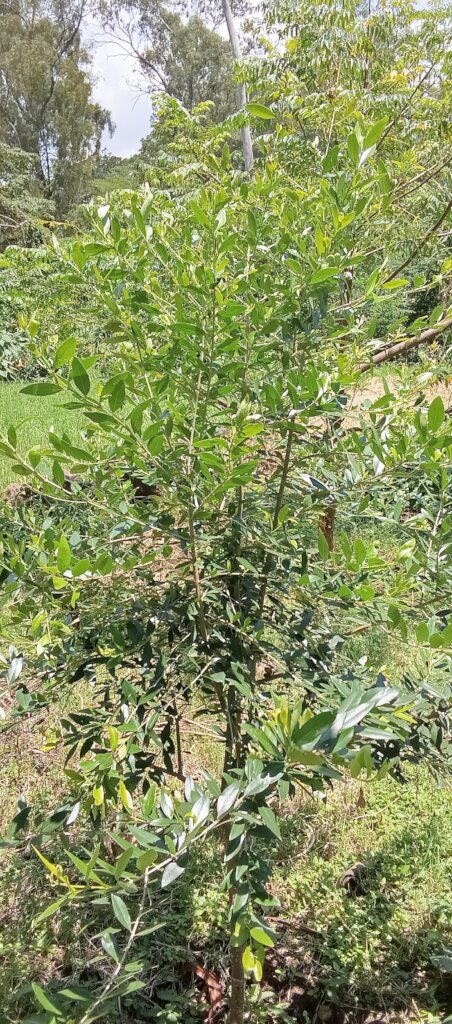
Olea africana (African Wild Olive): Potential for treating leukimia through antiproliferation, apoptosis (death of cancer cells) induction and cell cycle arrest. Studies have shown that extracts can inhibit HIV-1 replication and modulate host cell gene expression related to HIV-1 infection.
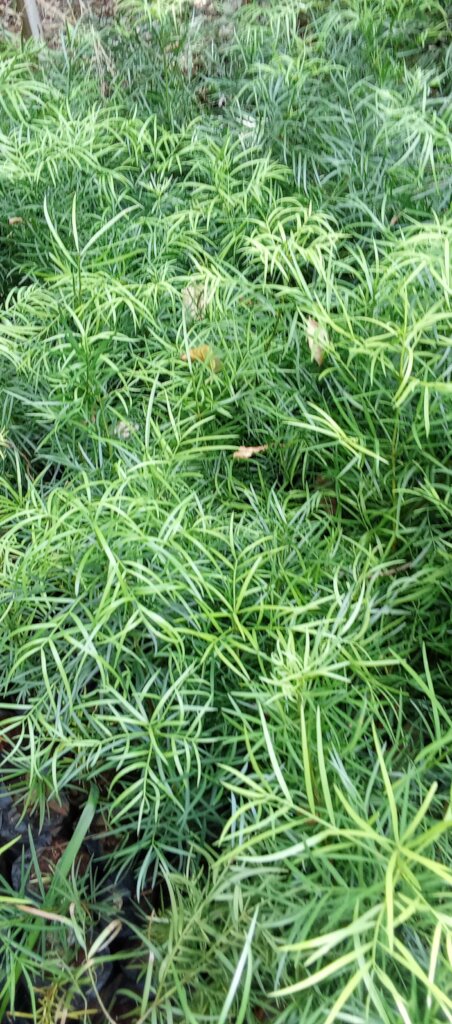
Podocarpus spp.(Podo, Yew Plum Pine or Buddhist Pine): Compounds found in Podocarpus have shown potential for treating cancer and HIV. PD-1 inhibitors, used to treat certain cancers, may also help control HIV by preventing the virus from evading the immune system. Compounds such as EBC-46 analogs have shown promise in both cancer treatment and as potential HIV cure agents.
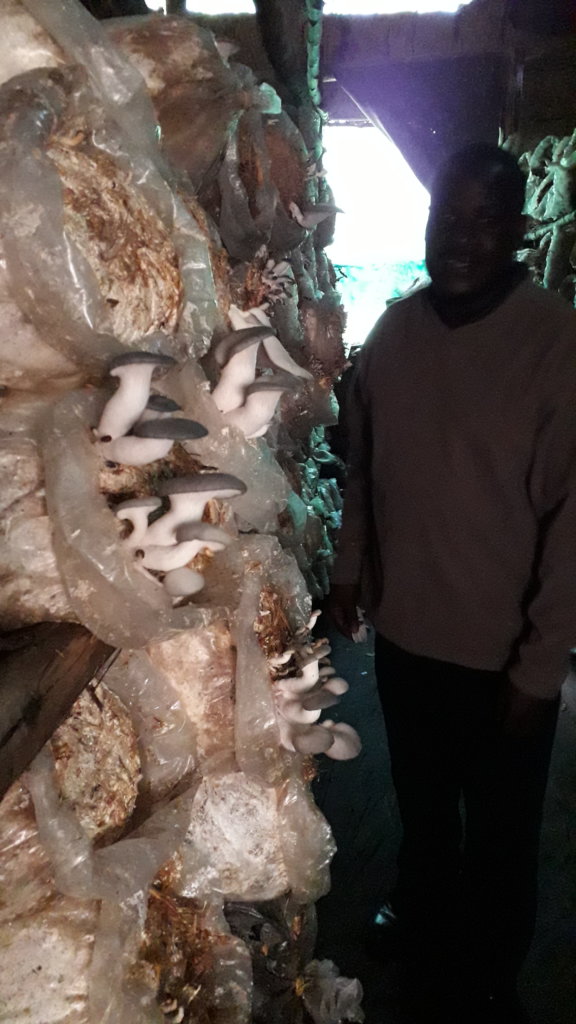
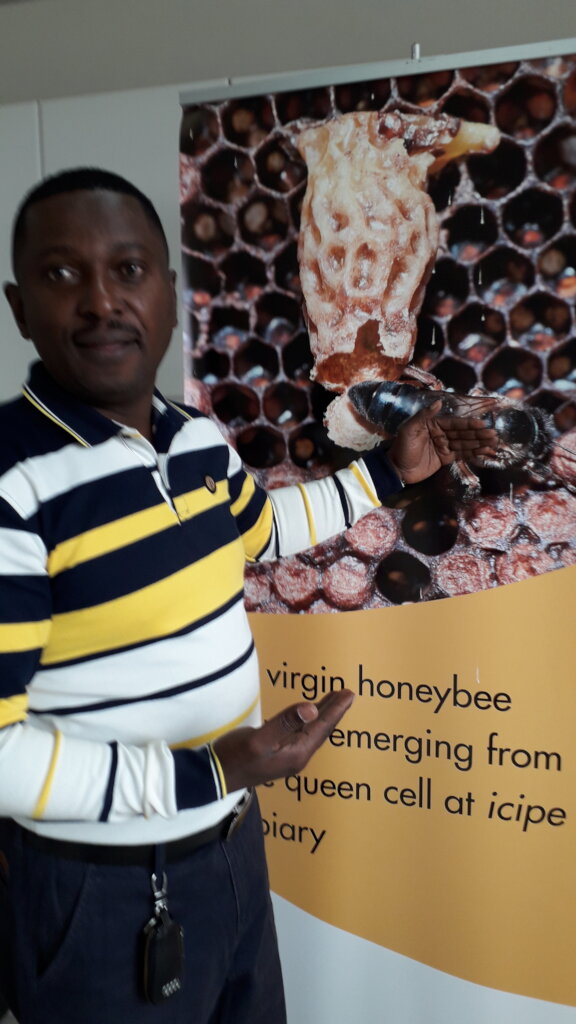
We plan to use the same nursery area to replicate colonies of wood ear mushroom and stingless bee species (in cooperation with the International Centre of Insect Physiology and Ecology - ICIPE) common to both forests. Stingless bee honey exhibits anti-cancer effects; wood ear mushrooms have the potential to block the growth of cancer cells. Our field crews were unable to find viable colonies of either in the Kakamega Rainforest. KWENCH is now forming a partnership with the Cheptkale Indigenous People Development Project that will enable us to cultivate colonies from Mt. Elgon for replenishment of both ecosystems.
Your support will be crucial in scaling up our approach. Please tell your friends, colleagues and family members!
Links:
Project reports on GlobalGiving are posted directly to globalgiving.org by Project Leaders as they are completed, generally every 3-4 months. To protect the integrity of these documents, GlobalGiving does not alter them; therefore you may find some language or formatting issues.
If you donate to this project or have donated to this project, you can receive an email when this project posts a report. You can also subscribe for reports without donating.



Support this important cause by creating a personalized fundraising page.
Start a Fundraiser