By Constance Hunt | Executive Director
Dear Donors:
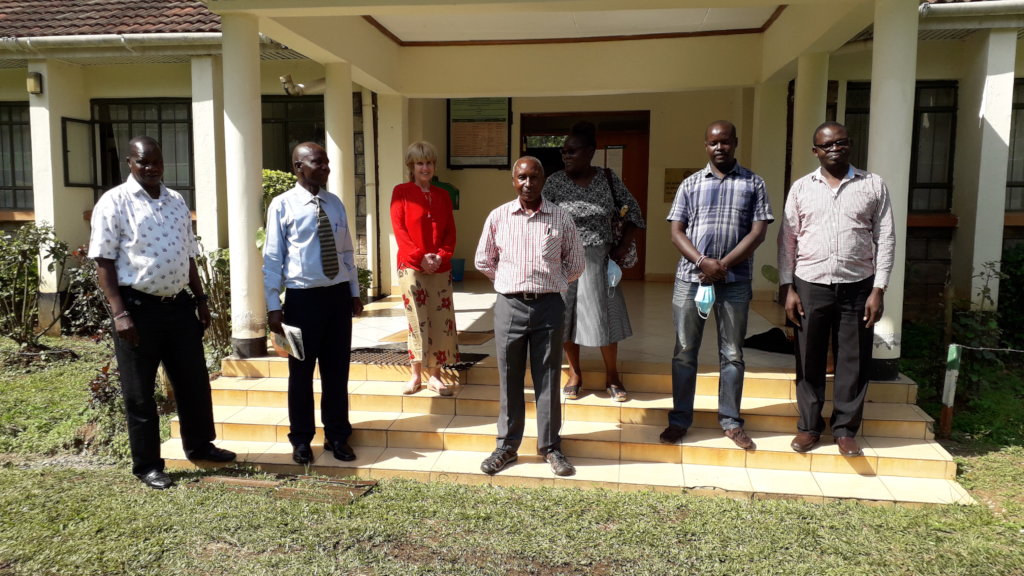
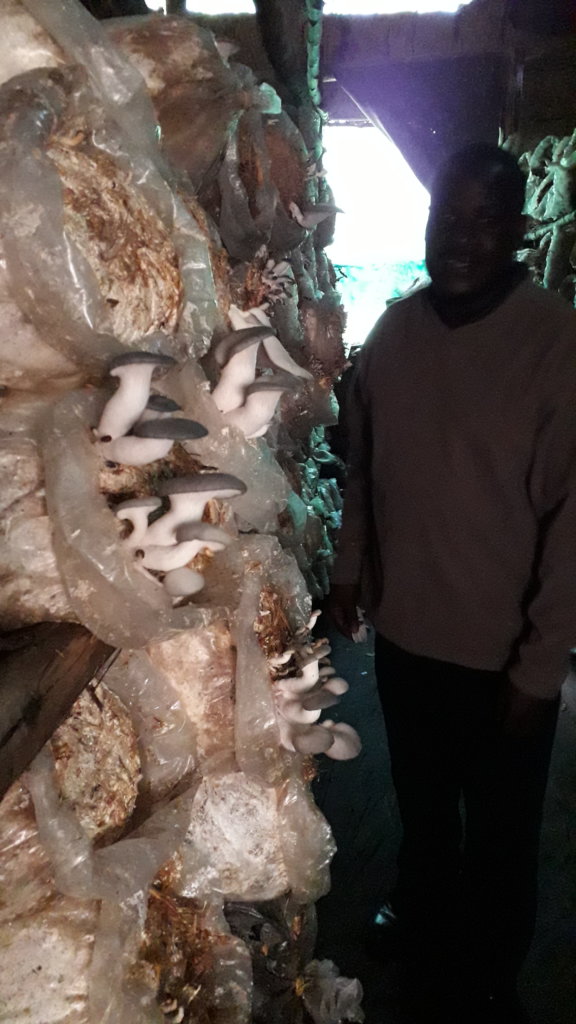
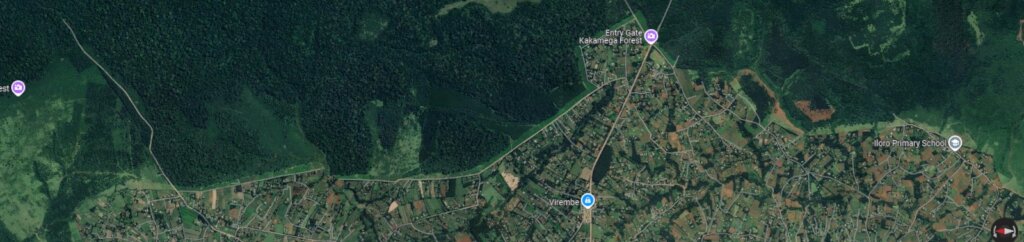
KWENCH and partners have gained traction and experience from the honey, oyster mushrooms and hardwood seedlings generated at our micropilot in Kakamega's Iloro subcounty. We have just conducted a scoping exercise for a full pilot, in which we hope to include up to 100 smallholder farmers. The pilot will be located in Shinyalu subcounty, which also borders the Kakamega Rainforest. In Shinyalu, our farmers will enjoy more direct access to technical experts quartered at the neighboring Kenya Forest Service's Kakamega Forest Station, the Muliru Farmers Conservation Group and the Agribusiness Youth Society of Kenya.
Building on our experience with mushrooms, bees and hardwoods at the micropilot site, the pilot will integrate species that have more specialized and lucrative value chains designed to appeal to today's health and environment-conscious consumer. The new IGAs are based on species that are indigenous to the Kakamega Rainforest. In the case of the stingless bees, they are endemic to Kakamega forest - they are found nowhere else on Earth. Because they have co-evolved with the trees, they form natural synergies with them.
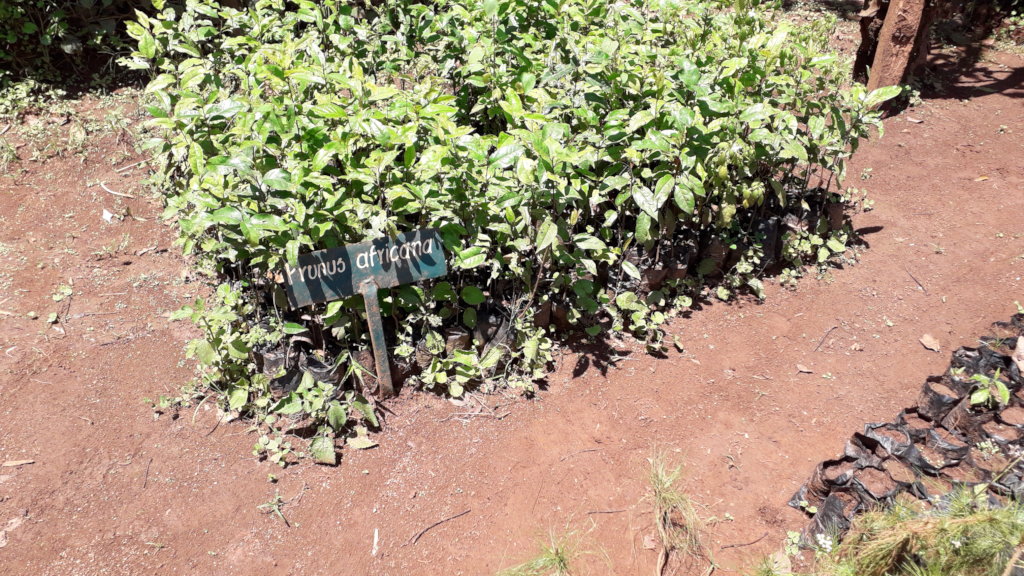
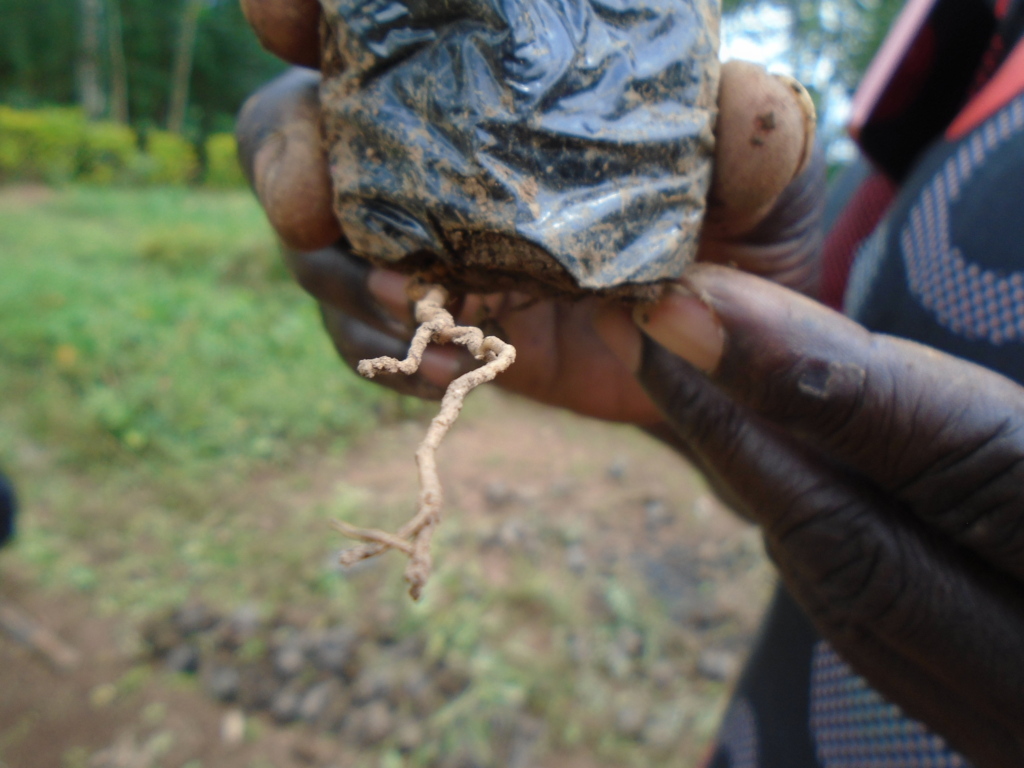
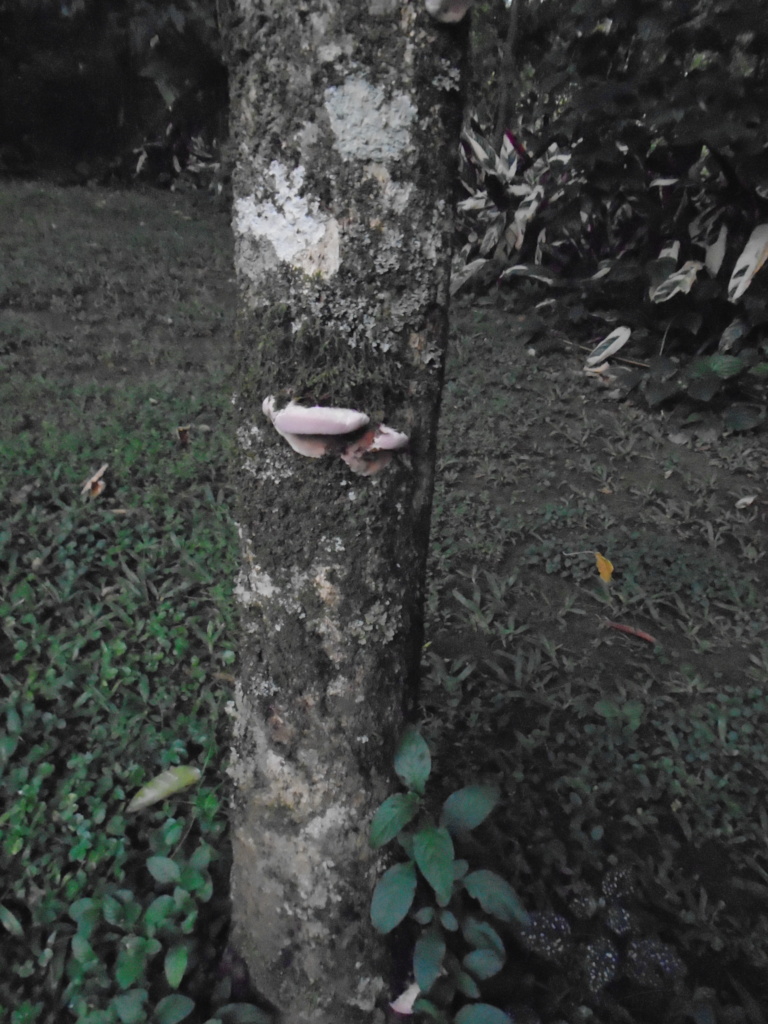
Wild woodear mushrooms (Auricularia spp., or "matere") grow on rotting wood in the forest's moist climate. They provide an important source of income and nutrition for local communities. Matere currently retails in the U.S. for US$31 per kg., nearly 10 times the price of button mushrooms. Stingless bees feed only on flower pistils, so their honey is of uniquely high quality and has medicinal value, as well. Stingless bee honey fetches US$44 per 200 grams in 2024 compared with US$2.42 per pound - 8 times the volume! - for conventional honey. African ginger powder (Mondia whitei or "mukombero") sells online for US$100 for just 200 grams. Mukombero is used to add flavor to stews and soups. It is also brewed into wine, beer and tea for a nutritional boost. The leaves can be cooked and consumed like spinach. We will, of course, plant native hardwood seedlings on the pilot farms as well, both to support the new IGAs and to create habitat continuity with the forest. The trees are eventually destined to adorn homes as furniture, doors, flooring and cabinets.
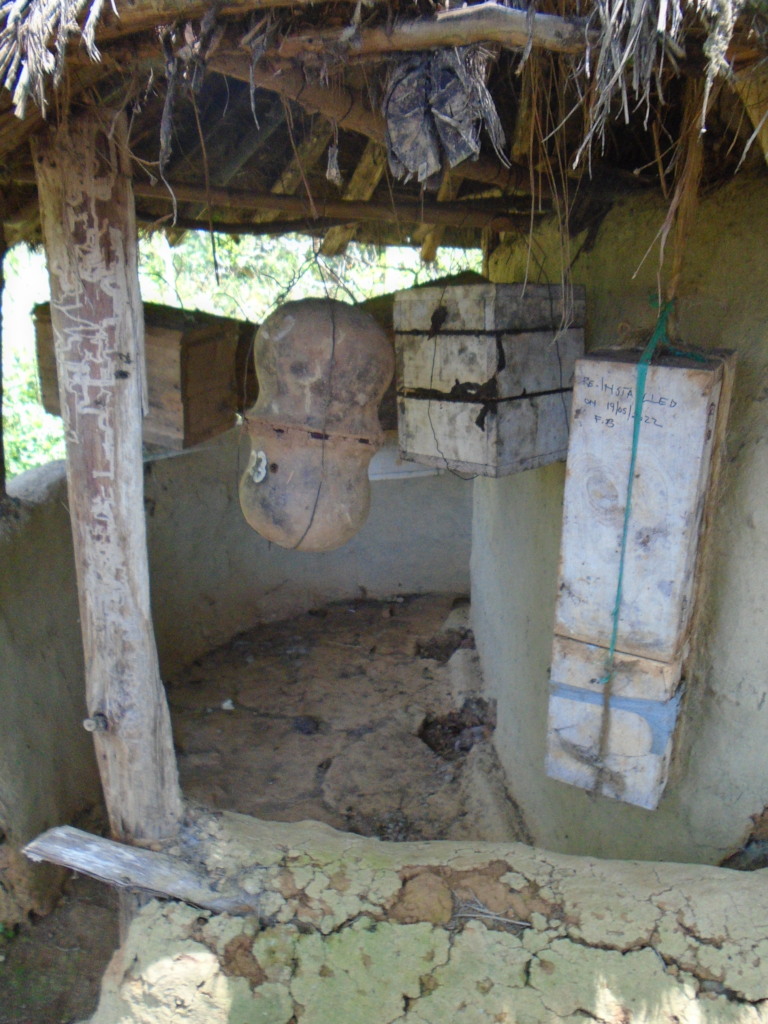
All of the new IGAs can be produced in vertical rather than horizontal value chains, so they will not compete for scarce space with food crops. Matere spores thrive on standing, dead tree trunks and can also grow on downed logs. Mukombero vines climb skywards on live tree trunks. The stingless beehives will dangle from rafters in open-air sheds surrounded by beds of the bee's favorite foraging blossoms, including beans, pumpkins and other vegetables and fruits.
The new IGAs will address the challenges presented by the fencing of the forest and by the carbon credit market. They will provide substantial on-farm income in a short period of time, largely supplanting the motivation to produce fast-growing, exotic tree species to earn carbon credits. They will also reduce the motivation for smallholder farmers near the forest to encroach into the forest to harvest mukombero, matere and honey because they will be producing these resources on their farms.
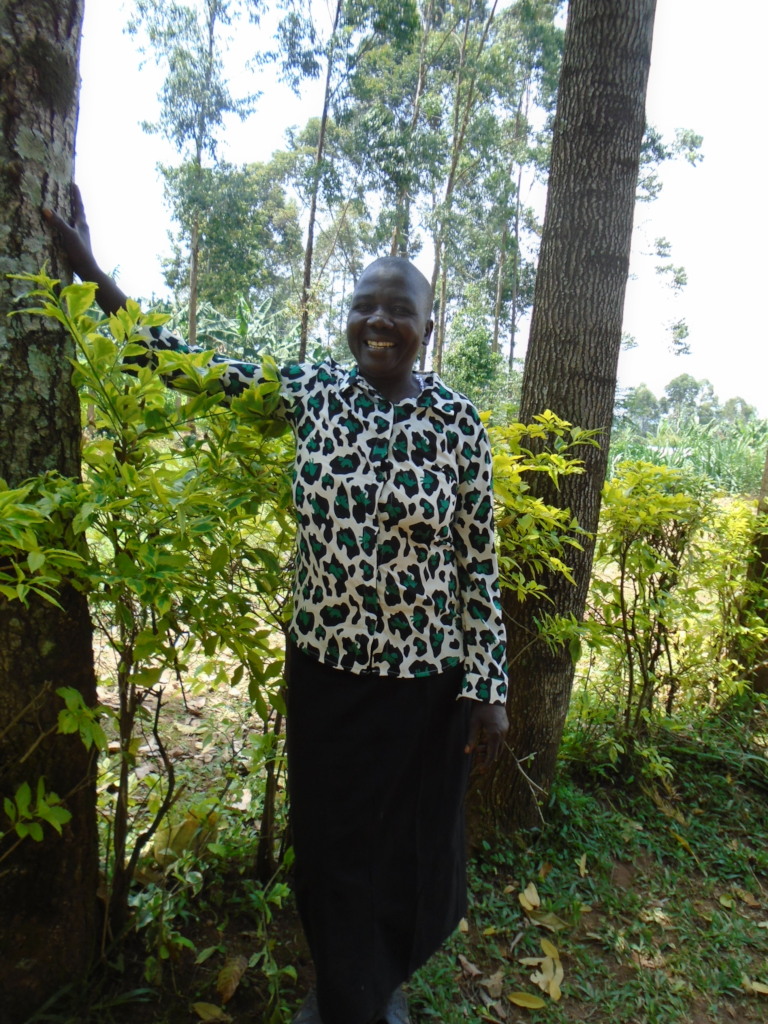
Beatrice Muchesia, a smallholder farmer, community leader and producer of native hardwoods and mukombero, will be our first ambassador to the new farming community. Other partners we are enticing to join us include the Kenya National Farmers Federation, for market facilitation, and the Catholic Justice and Peace Department, to foster appreciation of the sacred relationship between God, humanity and the rest of God's creation.
As our efforts scale up in ambition and scope, our funding needs are also increasing. We greatly appreciate your support and encourage you to recruit and rally your friends and business colleagues. With your help, we hope and expect that the pilot will birth a true African Spring of life thriving in connectivity and prosperity.
Project reports on GlobalGiving are posted directly to globalgiving.org by Project Leaders as they are completed, generally every 3-4 months. To protect the integrity of these documents, GlobalGiving does not alter them; therefore you may find some language or formatting issues.
If you donate to this project or have donated to this project, you can receive an email when this project posts a report. You can also subscribe for reports without donating.



Support this important cause by creating a personalized fundraising page.
Start a Fundraiser