By Constance Hunt | Executive Director
Dear Donors:
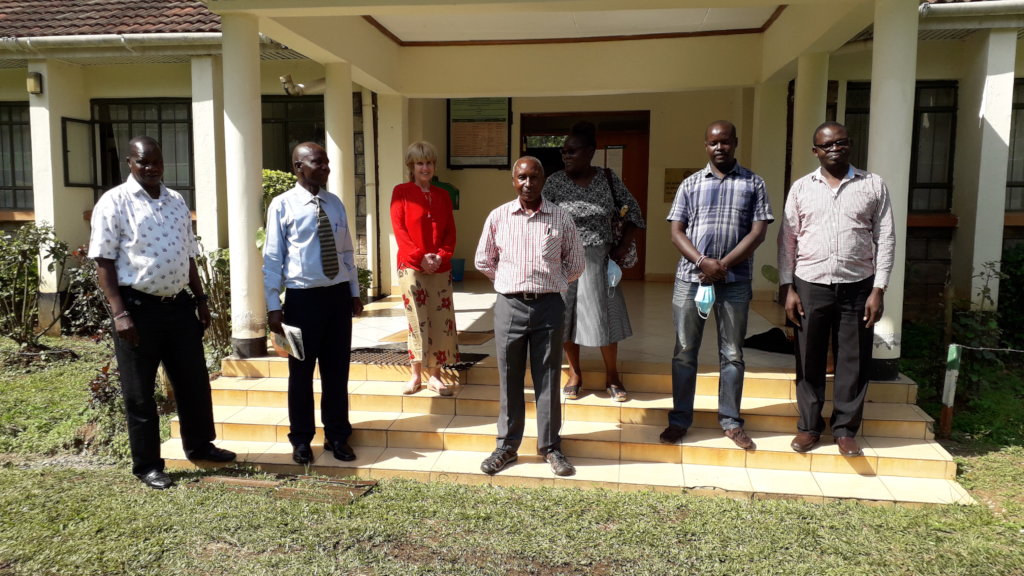
Welcome to a window of change in Africa! I spent last week in Kakamega forming new and surprising partnerships to fuel the expansion of our project. Our prospective new partner in the scaling up of the IGA component is the Kakamega County Government; for the restoration component, it may be the Kenya Prisons Service!
Among the events shaping the project are the institution of carbon credit markets, fencing of national forests, the Kenyan government commitment to plant 15 billion trees by 2032 as part of the African Landscape Restoration Initiative (AFR100), and a county-wide effort to plant trees on farms and schools through the World Bank "Financing Locally Led Climate Action" (FLLOCA) program. In 2024, these events have combined to form a perfect storm, creating both challenges and opportunities for our project.
Opportunities include the creation of synergies between our project, the Kakamega County Government's tree planting efforts and the expansion of the Kenya Forest Services' Adopt-a-Forest project, which KWENCH's restoration work pioneered in Kakamega.
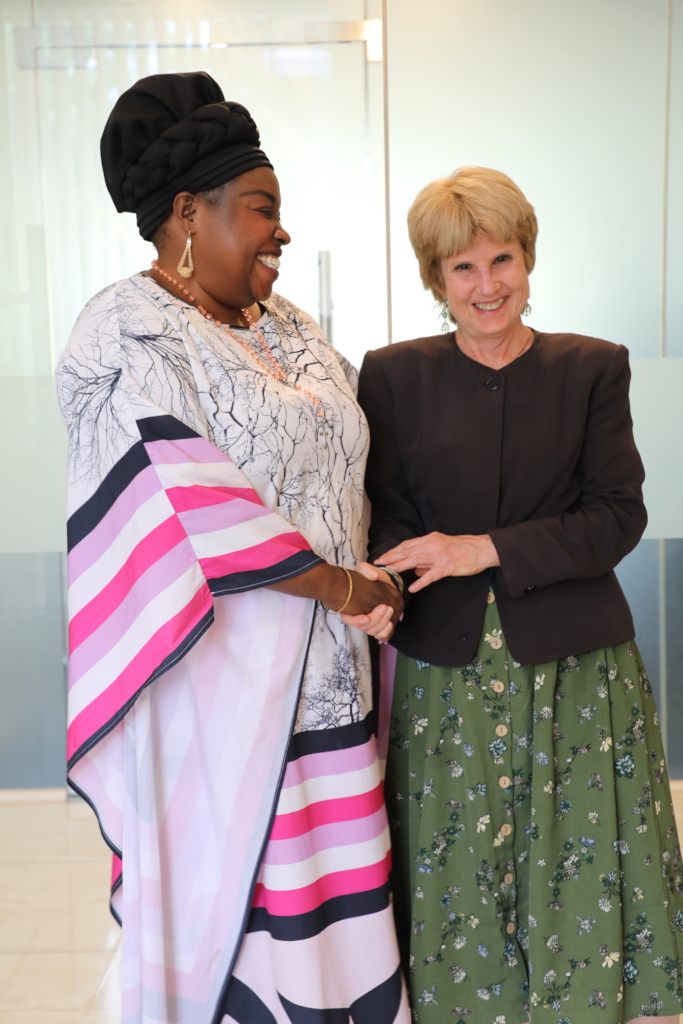
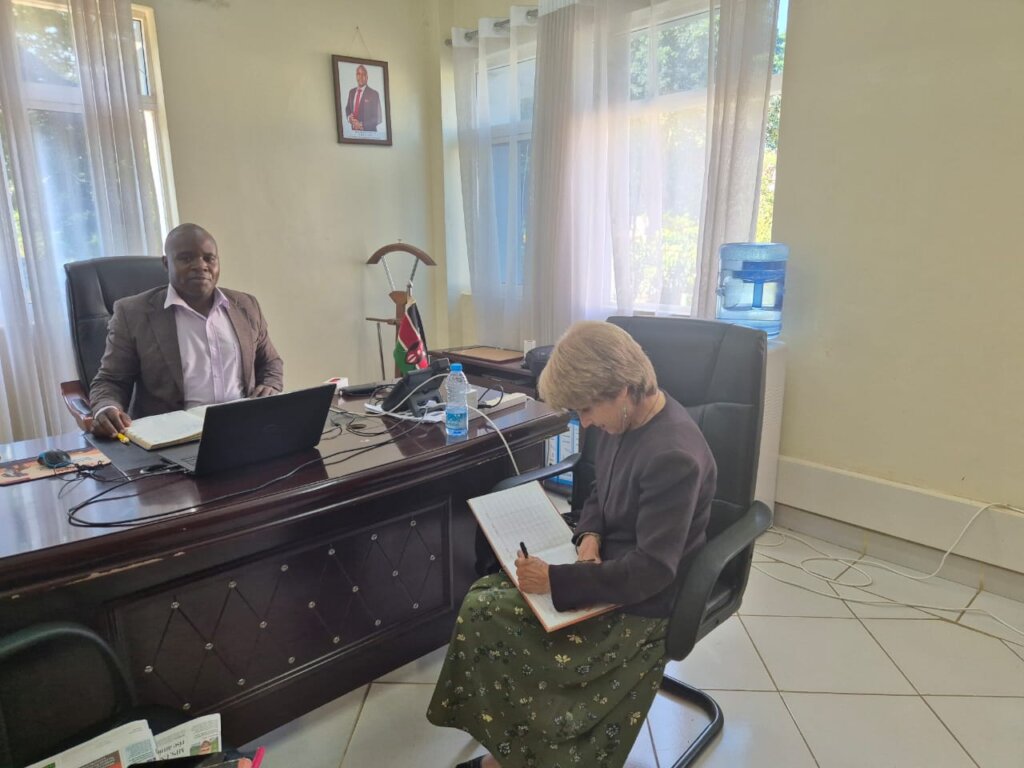
I met with Kakamega Governor Fernandes Barasa's Chief of Staff, Kassim Were, and the County Executive Committee member in charge of Environment, Water, Natural Resources Management and Climate Change, Peninah Mukabane, on 3 July. Our efforts to harmonize community income streams with forest ecology overlap. Both strategies aim to subsidize the lengthy maturation periods of native hardwoods with rapid turnover, ecologically-compatible income-generating activities in areas outside the forest boundaries.
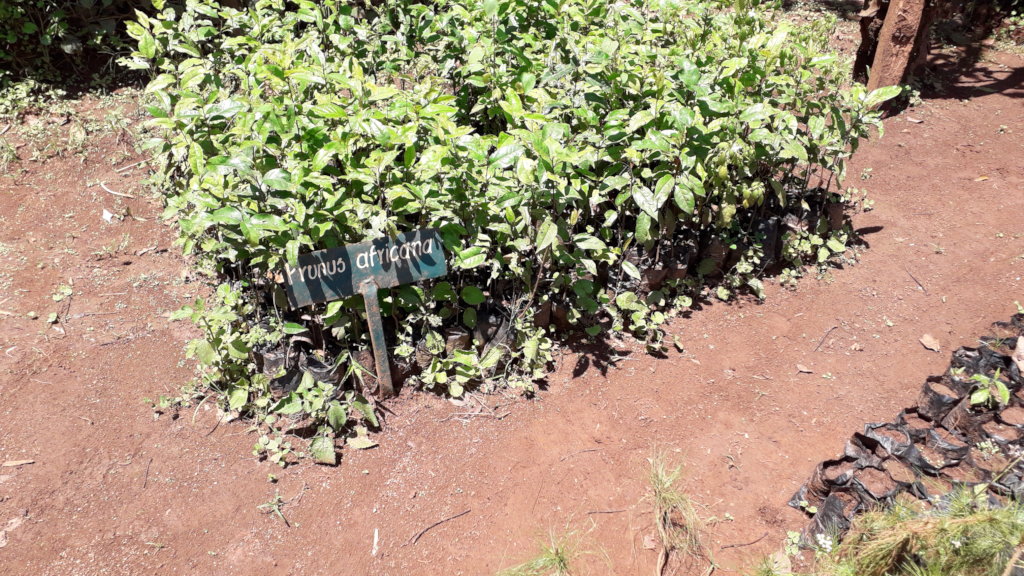
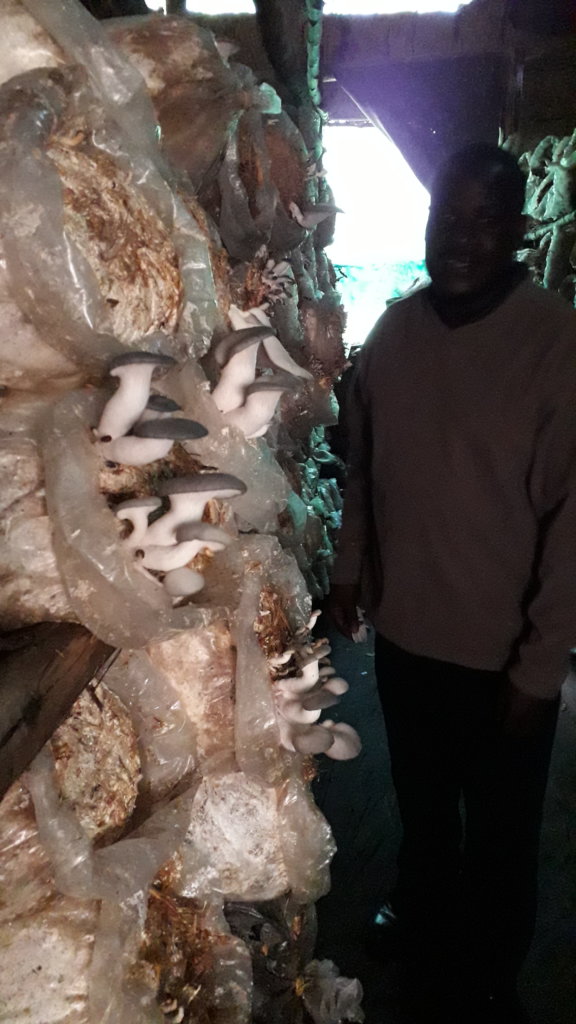
While KWENCH is supporting agroforestry using native tree species, apiaries and mushroom cultivation on farms, the county is providing fruit and native tree seedlings to schools. Through collaboration with county ward officers for agriculture, forestry and livestock (bees are livestock!), and given adequate funding, we can exponentially increase our collaboration with forest-adjacent communities by working through the County.
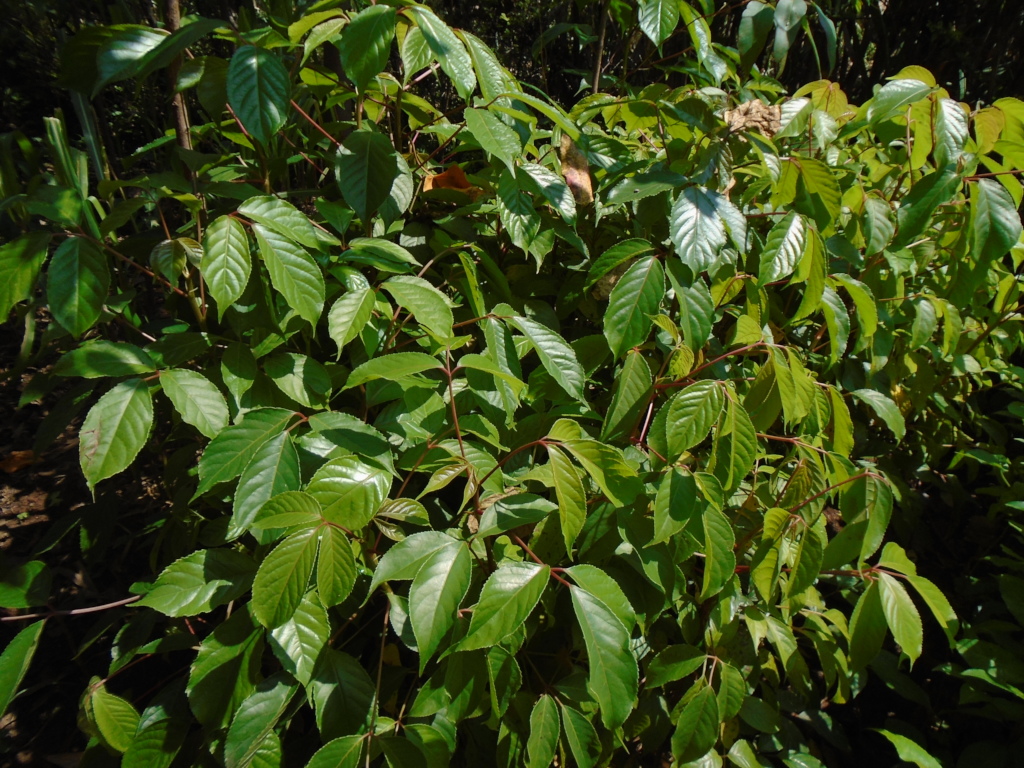
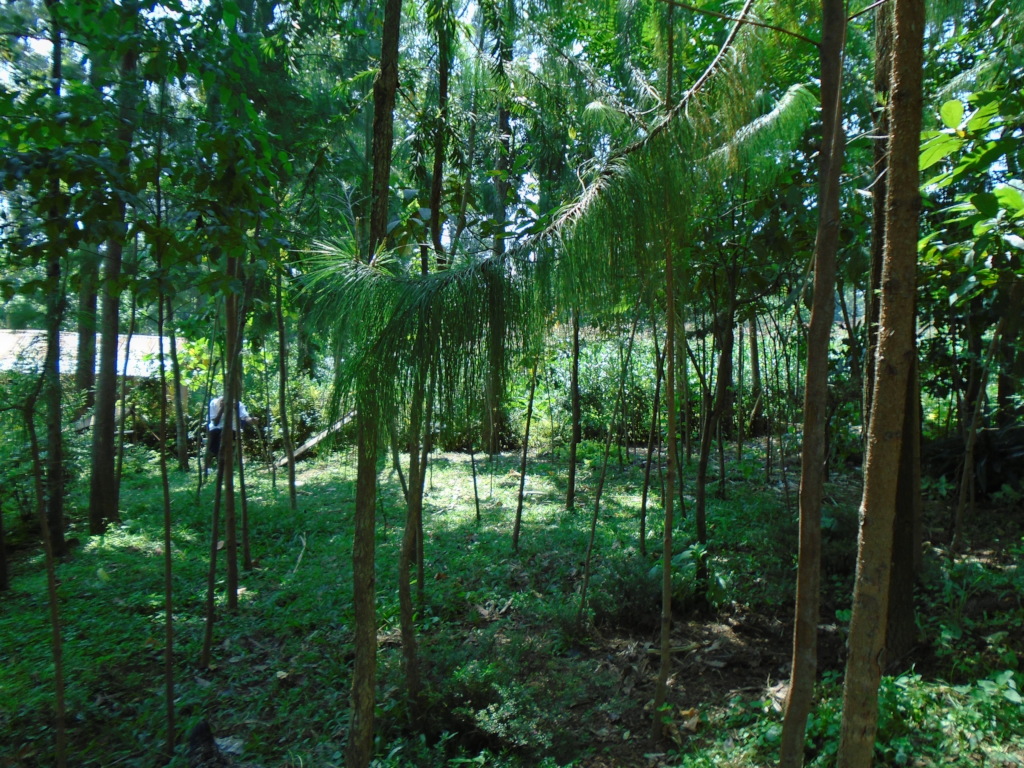
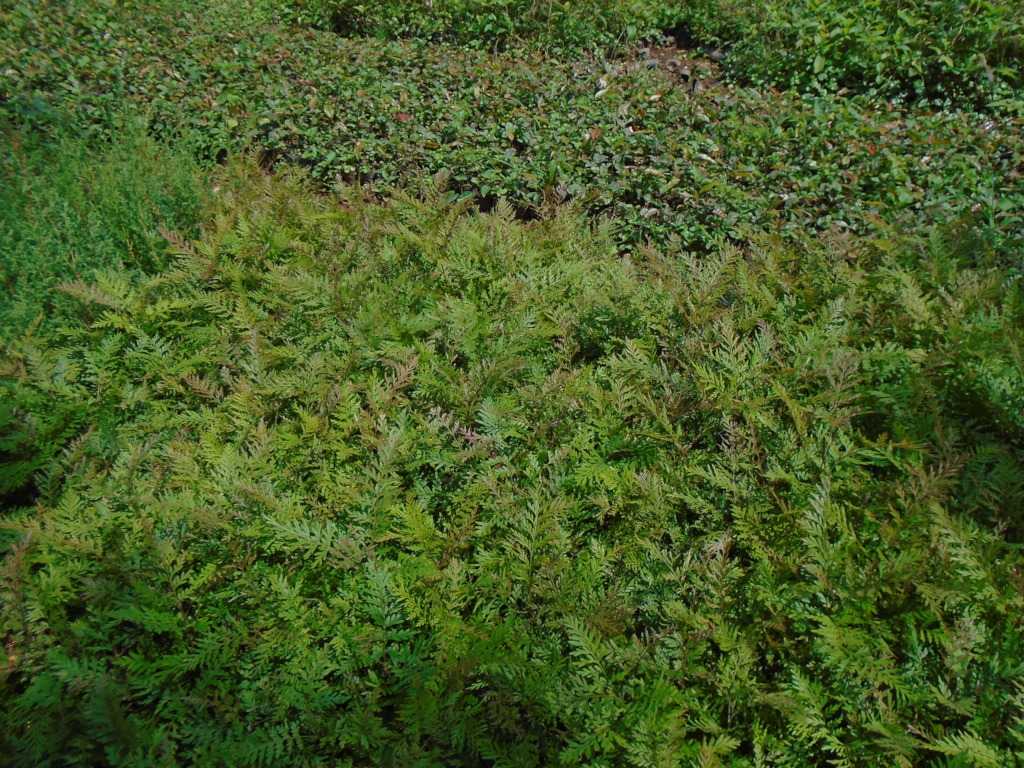
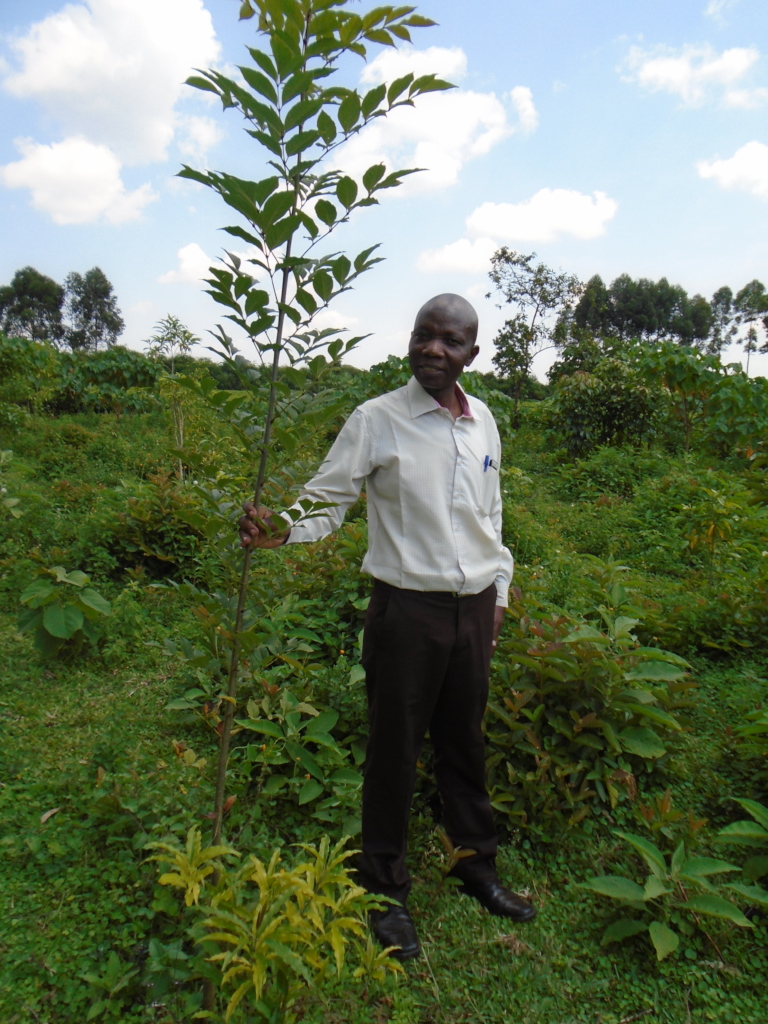
I spent one entire day with KFS Kakamega Forester Julius Nandwa. We discussed our ongoing partnership and toured the Iloro section of the forest, where our restoration area is located, to view ongoing restoration efforts. Forester Nandwa recommended mechanical removal of guava (Psidium guajava), an invasive exotic species native to southern Mexico, in order to catalyze natural, ecological succession in deforested areas. Ecological succession promotes gradual canopy formation and the regeneration of organic soils. Natural repopulation by native hardwood trees is already happening at experimental plots within the forest. This approach can expand our restoration work without substantially increasing costs, as we will not need to supply seedlings but only marginally increase labor expenditures.
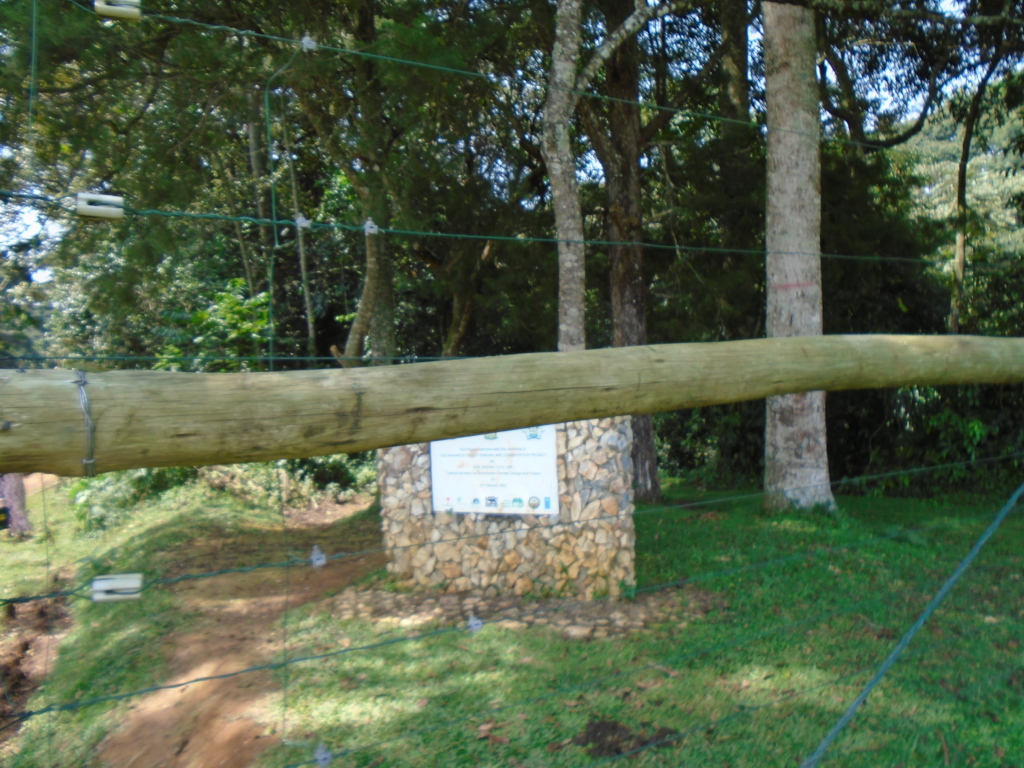
The income-generating activity (IGA) component of our project has gained importance with the ongoing deployment of an electric fence around the forest by the Kenya Forest Service (KFS) to prevent tree poaching. Rural communities in Kakamega have historically supplemented their diets with honey and mushrooms harvested in the forest, from which they also collect firewood. Our IGAs replicate these resources on the farms, so that smallholders can harvest mushrooms and bee products for markets while retaining some for household use. The fallen leaves and branches of the indigenous trees provide them with a sustainable source of firewood and livestock fodder.
In a setback to the revival of native tree populations in Kakamega, the onset of the carbon credit market has triggered massive plantings of exotic tree species. Species including weeping pine (Pinus patula, native to the highlands of Mexico), whistling pine (Casuarina equisetifolia, an Australian native), Mexican cypress (Hesperocyparis lusitanica) and southern silky oak (Grevillea robusta, native to Australia) and others are under cultivation in many of the nurseries, farms and schools that we visited. A KFS ranger told me that they had recently sold 50,000 Eucalyptus seedlings to a single buyer; another colleague said he had sold Grevillea to the Kakamega County Water and Sanitation Department.
Carbon payments are made based on estimates of tons sequestered in biomass. Many exotic species are faster-growing than native hardwoods and, therefore, worth more money in carbon markets over the short term. Native hardwoods are more valuable over time for making durable, heirloom products such as furniture, doors and cabinets because of their dense and beautiful heartwood, which requires many years to form.
Carbon credit buyers in Kenya include Netflix, Apple, Shell, KLM and Delta Airlines, the Australian mining company BHP and French fashion house Kering, which was founded as the timber trading company Pinault S.A. in 1962. Their purchases of carbon credits permit them to continue emitting carbon through their production processes because the emissions are, in theory, offset by the credits. Unfortunately, carbon sequestration estimation is an inexact art rather than a science, while the effects of global climate change on African landscapes and production systems are already quite tangible.
In closing, the healthiest, best-managed nursery I saw during the past week was at Shikusa Prison in the northern part of the county. When Kenya's First Lady, Rachel Ruto, made tree-planting headlines at the prison in June, 2023, the prison's reforestation program was already close to a decade old. Their seedlings are thriving because they use a circular production system, with compost enriching and building soil structure in seedling beds. The compost is produced from the post-harvest corn husks and other debris from field crops they cultivate to feed themselves.
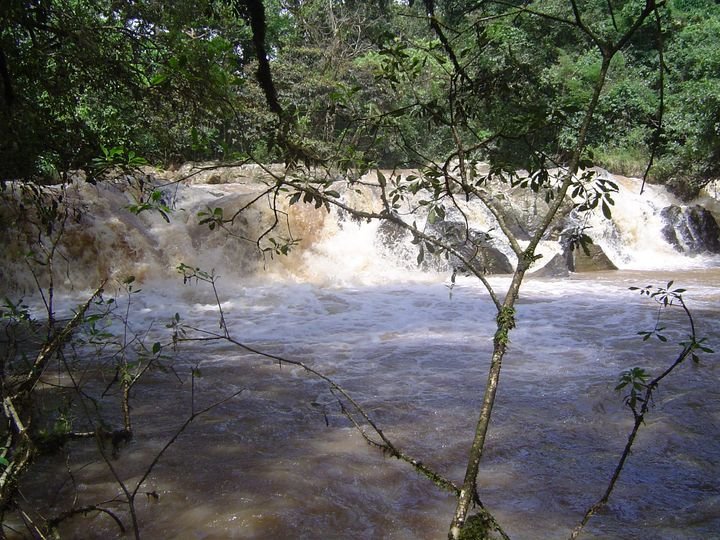
Because of security regulations, I was not allowed to photograph the prison's vigorous nursery. But I did manage take a few shots of their restoration site on the northern side of the Kakamega forest, outside of the prison gates. We hope to make arrangements with Kenya prison authorities to hire the prisoners, many of whom are unconvicted juveniles awaiting trial for petty offenses, to work on our restoration sites. This arrangement would benefit us by taking advantage of their expertise while benefiting them with a change of scenery in the scenic, rolling Iloro landscape.
Project reports on GlobalGiving are posted directly to globalgiving.org by Project Leaders as they are completed, generally every 3-4 months. To protect the integrity of these documents, GlobalGiving does not alter them; therefore you may find some language or formatting issues.
If you donate to this project or have donated to this project, you can receive an email when this project posts a report. You can also subscribe for reports without donating.



Support this important cause by creating a personalized fundraising page.
Start a Fundraiser