By Constance Hunt | Executive Director
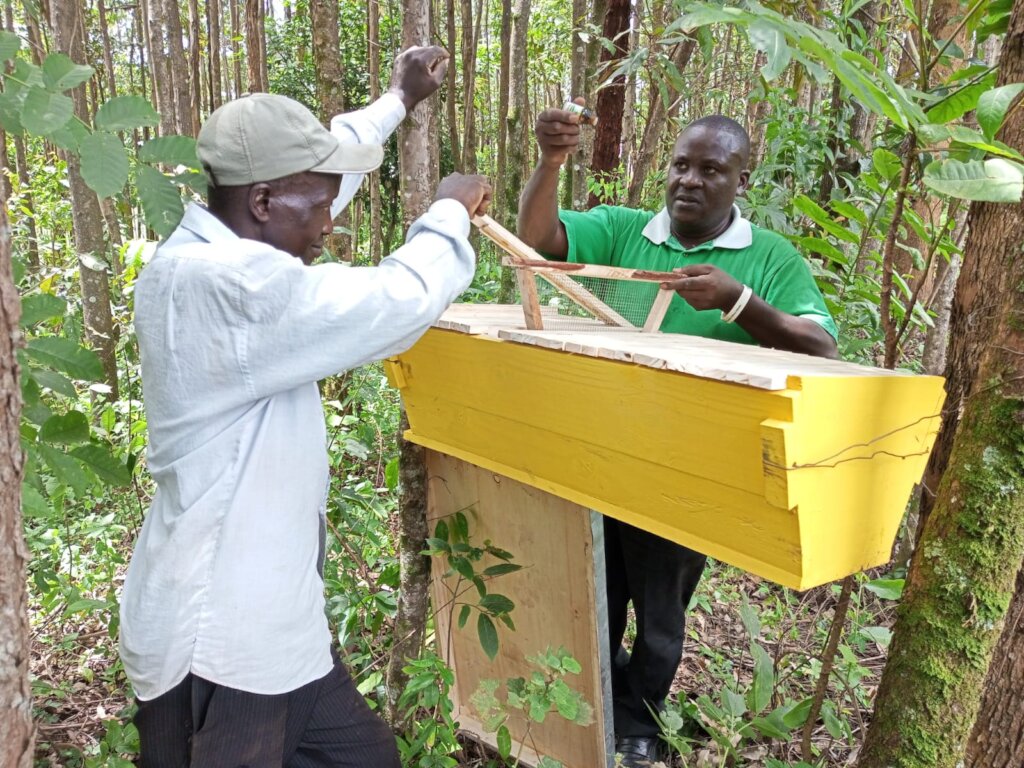
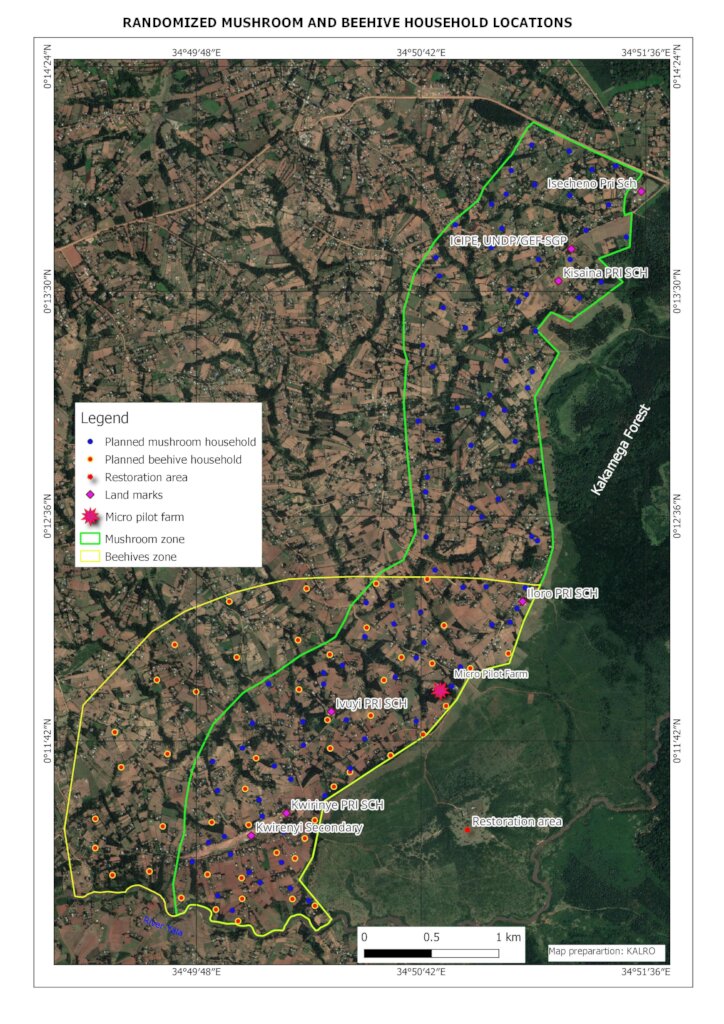
KWENCH and our partners have initiated a "micropilot" on one farm very close to our restoration site and to the forest. We signed the contract with the farmer on April 11. On the same day, we delivered 6 Kenya Top Bar beehives to his farm. By May 26, four of the hives had been colonized by African bees. The bees are a big boost to the population of pollinators around the forest, as well as to the farmer's crops. The hives are now heavy with honey, the start of what we expect to be a value chain with several branches that will help the farmer to earn more income in the midst of a challenging economic climate in Kenya.
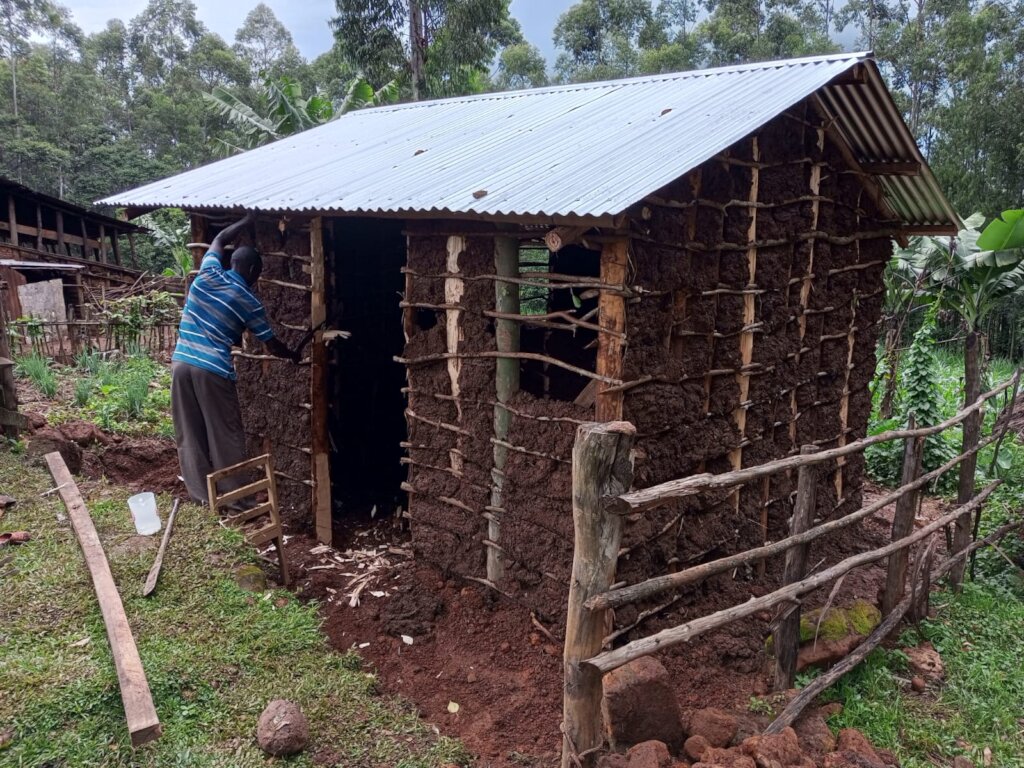
With the help of the farmer, we built a mushroom house on the micropilot farm in the beginning of May. The house is constructed of locally-sourced materials, such as timber poles and "mabati" or corrugated steel roofing sheets, supplemented with mud and sticks found around the farm. The interior is fitted with shelves made from timber "offcuts," the scraps of wood left over after logs are cut to produce other products, such as 2x4 boards.
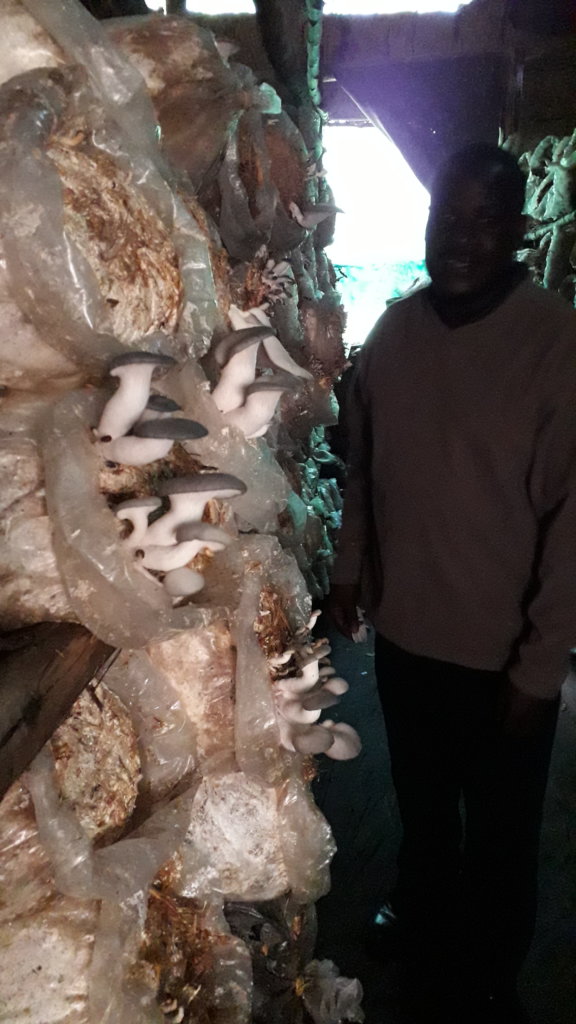
When the season of short rains starts in August, we will use the shelves to support substrate sacks innoculated with spawn from both commercial oyster mushrooms and wild mushrooms. The oyster mushrooms will form the trunk of a second "tree" of value chains for the farmers, producing fresh mushrooms for sale on local markets and to restaurants and hotels. The branches of the value chain will include dried and powdered mushroom products that can be exported to more distant sales points.
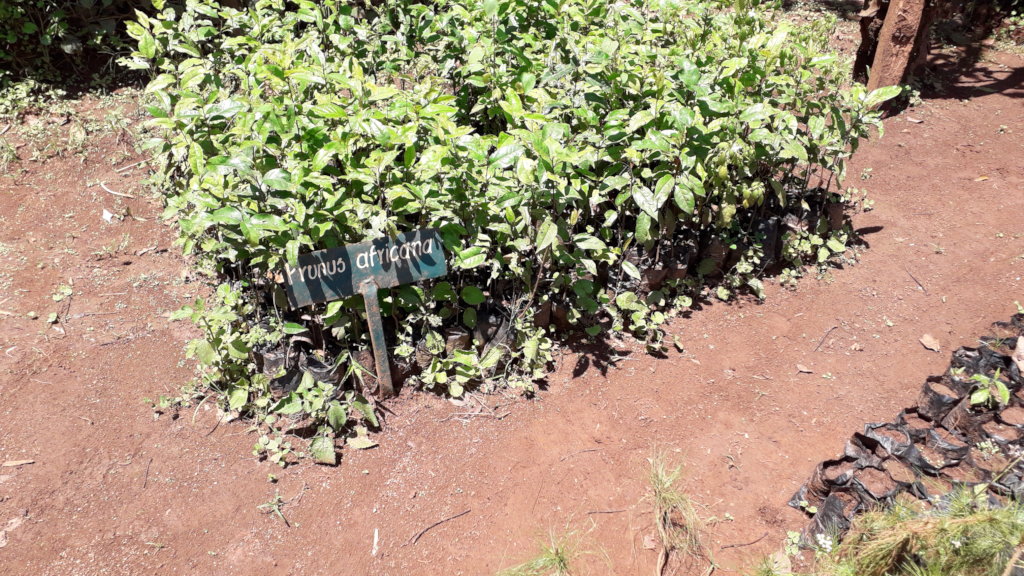
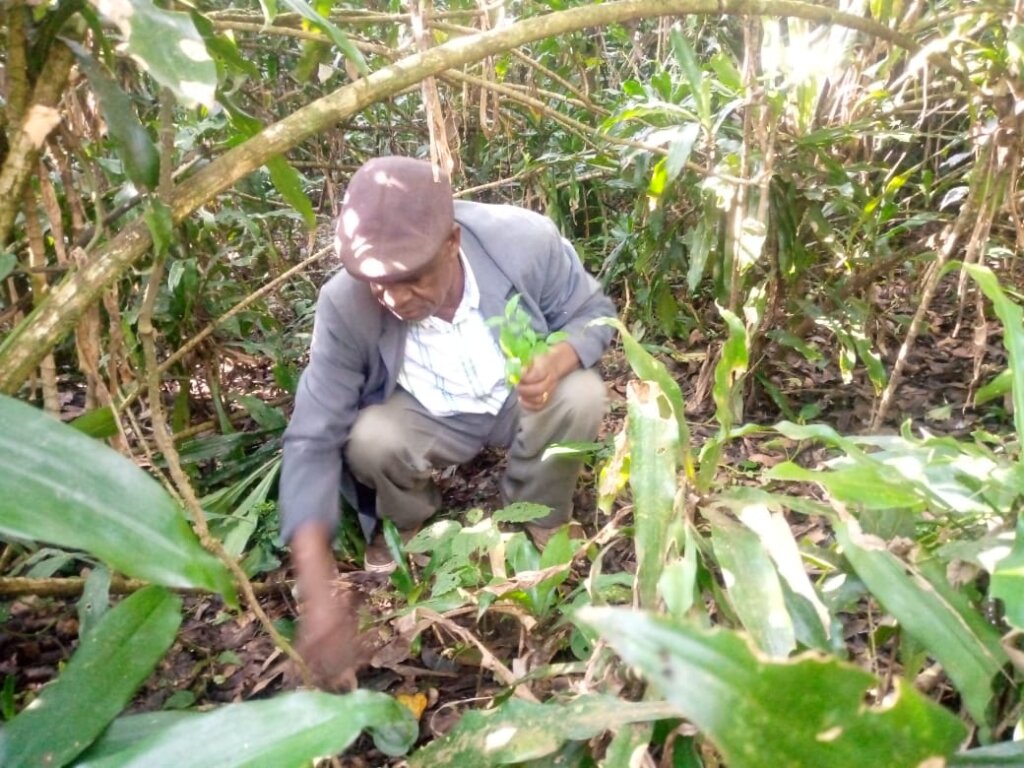
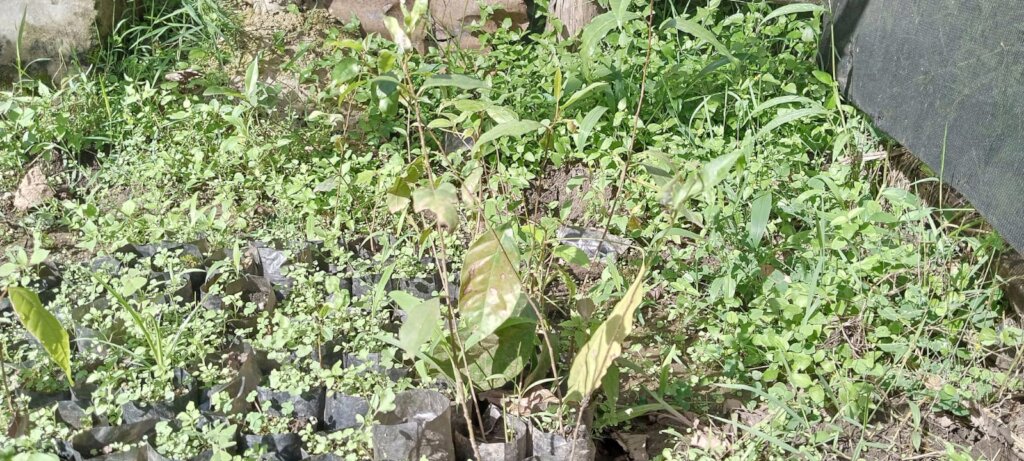
Local tree experts are supporting the agroforestry component, which started with the collection of "wildlings" (extremely small seedlings that grow from seeds of the parent trees in the wild). The tree experts transported the wildlings to a nursery near the Isecheno Nature Reserve in the heart of the Kakamega Forest. They are now lovingly tending the little trees until they are big enough to transplant during the short rains.
Our team collected and transported 22,210 wildings, including Olea capensis welwitschii (Elgon teak - 2600 seedlings, Trichilia emetica (natal mahogany - 140), Prunus Africana (African cherry - 4000), Zanthoxylum gilleti (East African satinwood - 1300), Markhamia lutea (Nile tulip - 6000, and Croton megalocarpus (croton - 8000)
The collection of wildlings included one new species: Khaya anthotheca (East African mahogany - 170). This species is listed as "vulnerable" on the IUCN Red List partly because mature trees are commonly harvested from the wild for their valuable timber. The leaves of this tree are an important food source for the larvae of the white-barred charaxes butterfly, which is one of the fasted-flying butterflies in the world, reaching speeds of up to 40 miles per hour.
With the addition of Khaya, our project is now producing 16 species of trees native to the Kakamega Rainforest. In addition to enriching the micropilot with an agroforestry component, the trees will be planted on our restoration site in the forest and on other, nearby farms as we expand from the micropilot to the pilot phase of the project.
Project reports on GlobalGiving are posted directly to globalgiving.org by Project Leaders as they are completed, generally every 3-4 months. To protect the integrity of these documents, GlobalGiving does not alter them; therefore you may find some language or formatting issues.
If you donate to this project or have donated to this project, you can receive an email when this project posts a report. You can also subscribe for reports without donating.



Support this important cause by creating a personalized fundraising page.
Start a Fundraiser