By Constance Hunt | Executive Director
We have begun to plan pilot work on the Income-Generating Activities (IGAs) for our project. The pilot has a great deal of significance because it will need to demonstrate measureable cause and effect relationships between the IGAs, the income streams of the farmers we are working with and the ecological health of the forest.
It is our hope that, by executing an elegant and focused pilot project linking the IGAs with the ecological health of the forest, we will generate the evidence needed to convince more people and institutions to join and support our work in Kakamega.
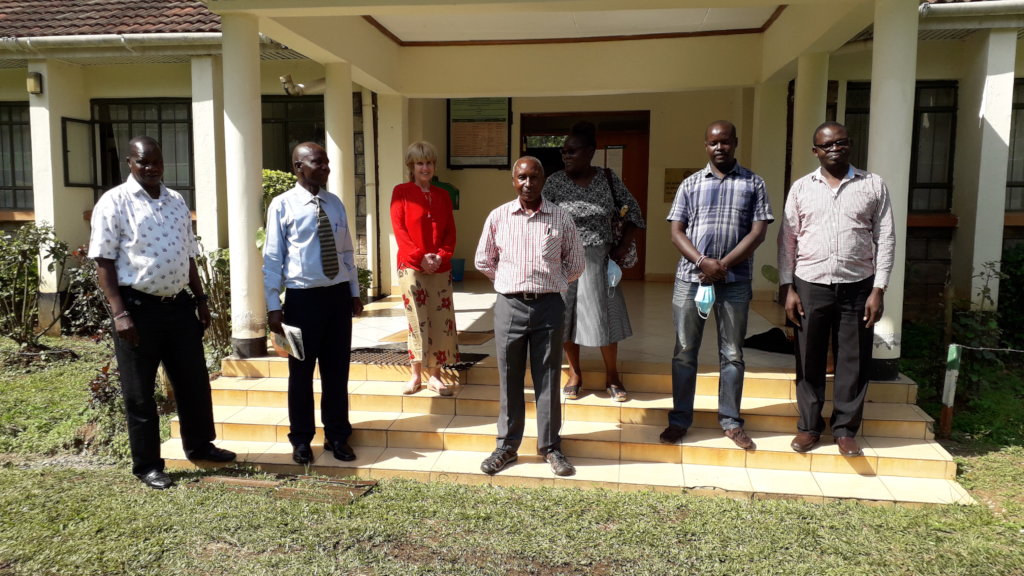
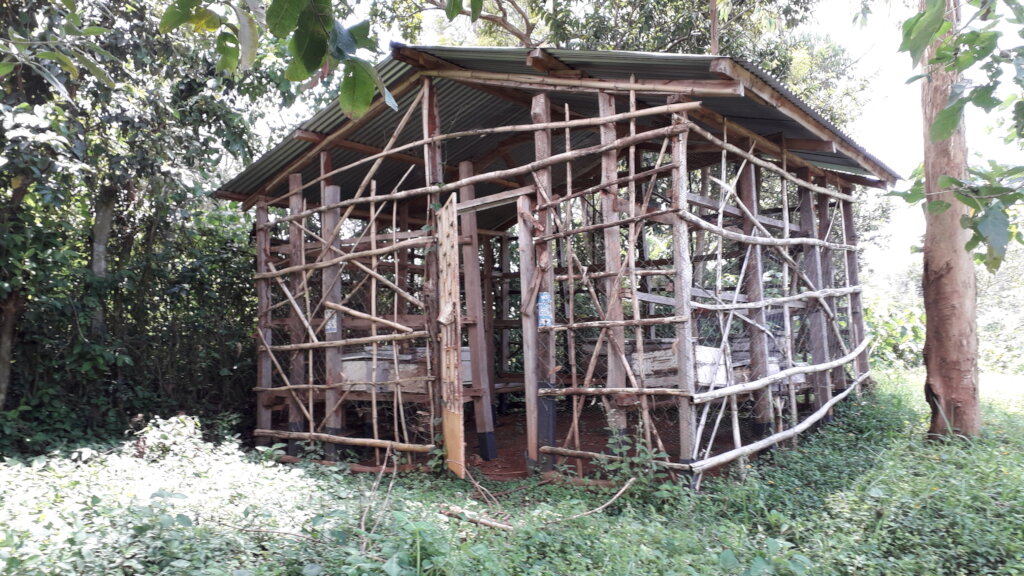
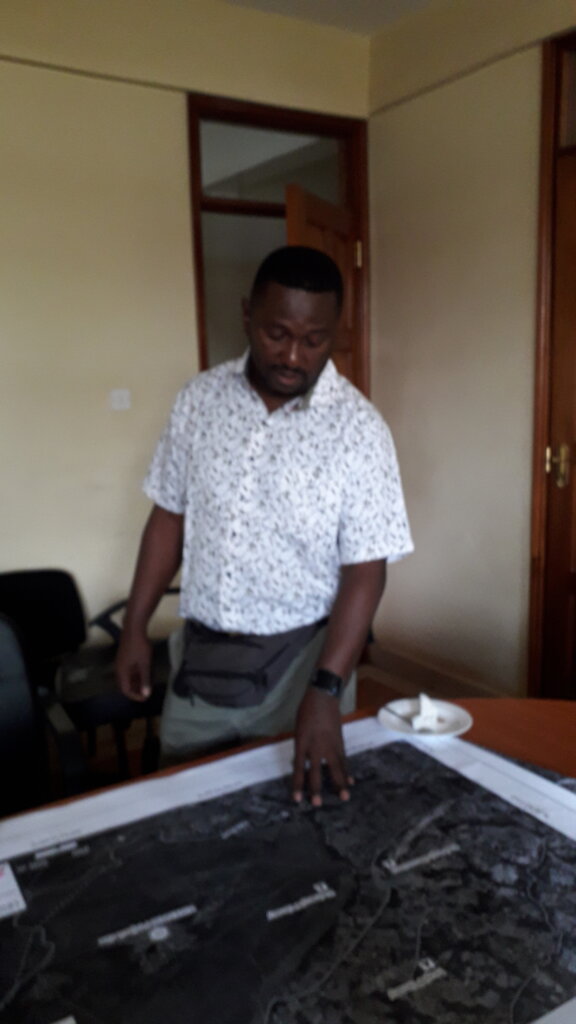
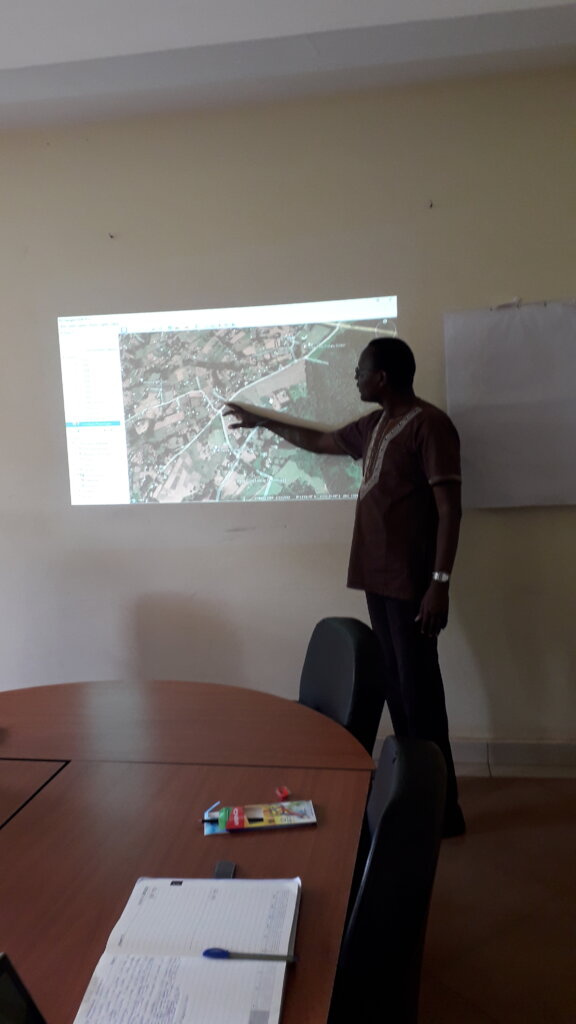
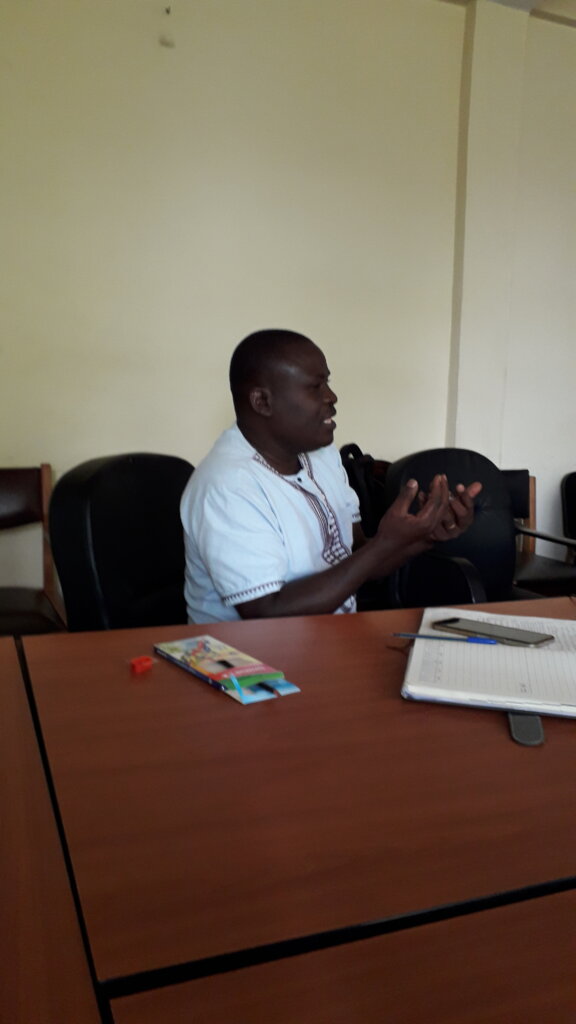
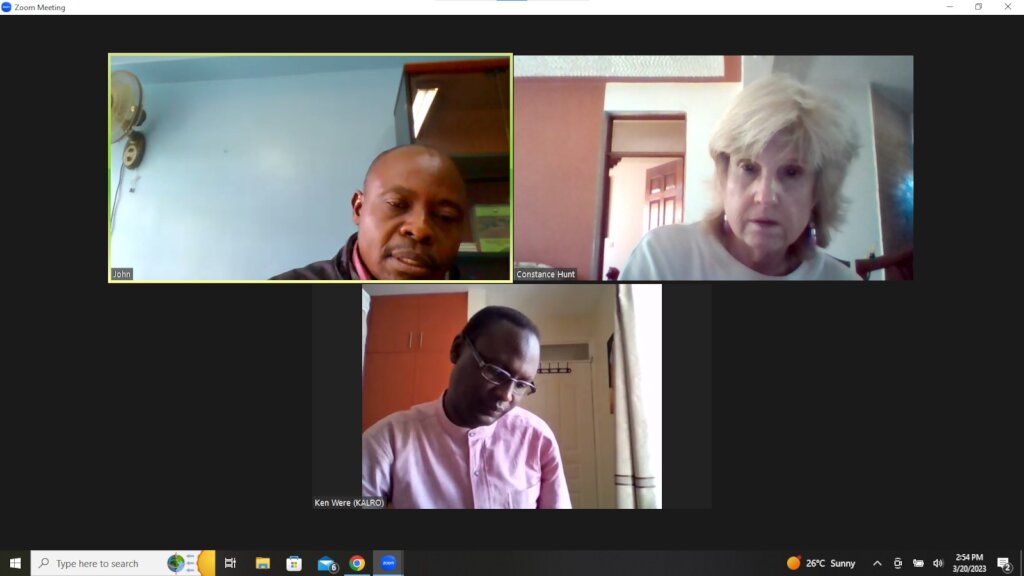
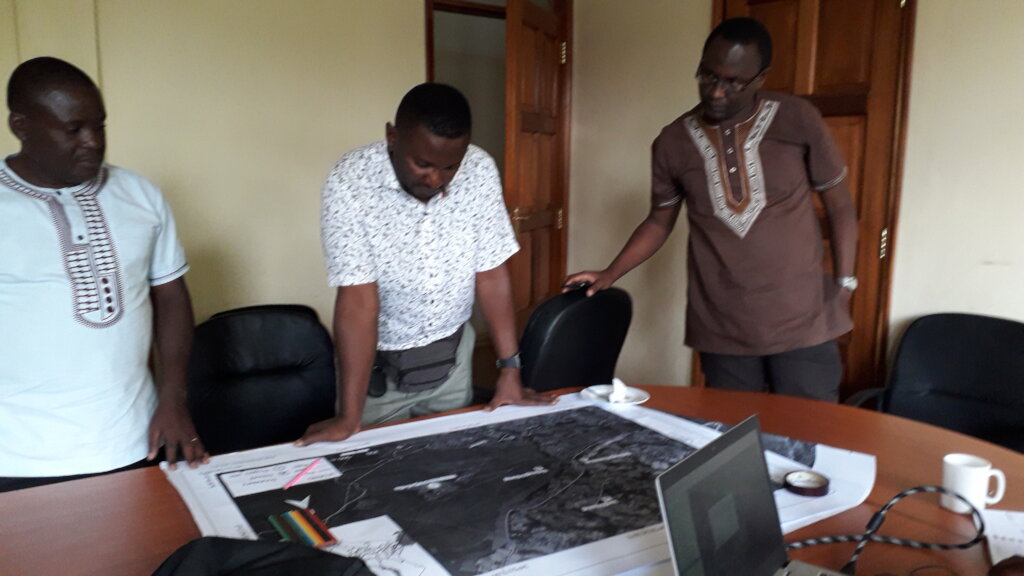
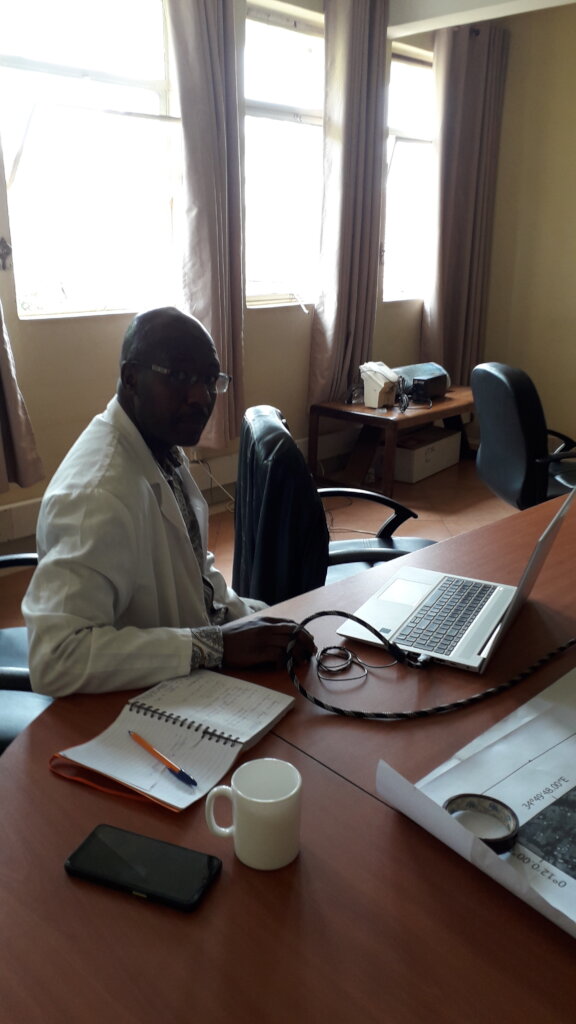
We held a workshop on the IGAs over two days: 17 March and 20 March 2023. The workshop was attended by eminent scientists and practitioners with experience in each IGA: mushroom cultivation, beekeeping and agroforestry using native trees. It was hosted and supported by the Kenya Agricultural and Livestock Research Institute (KALRO) GIS team.
Mushroom Cultivation
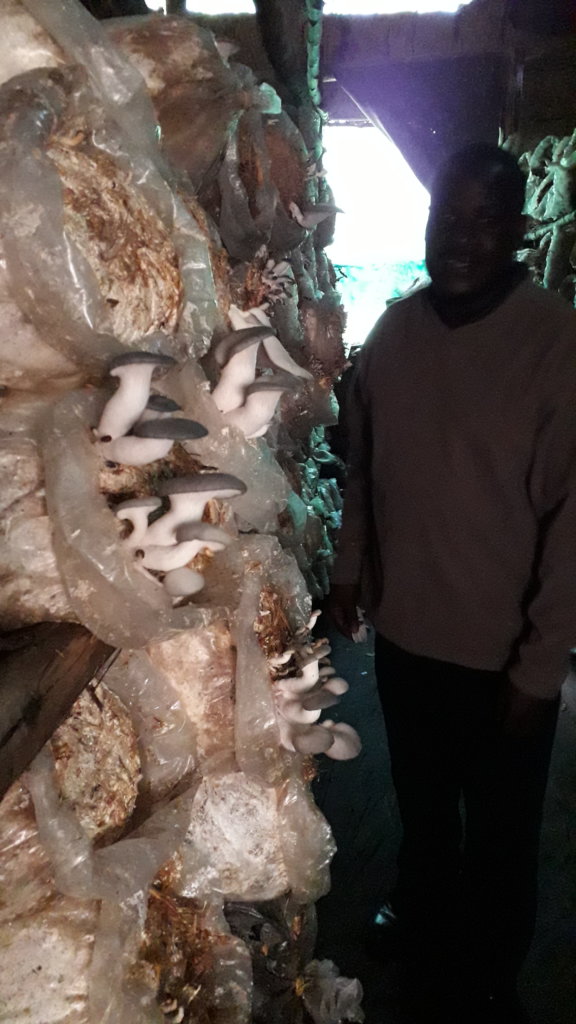
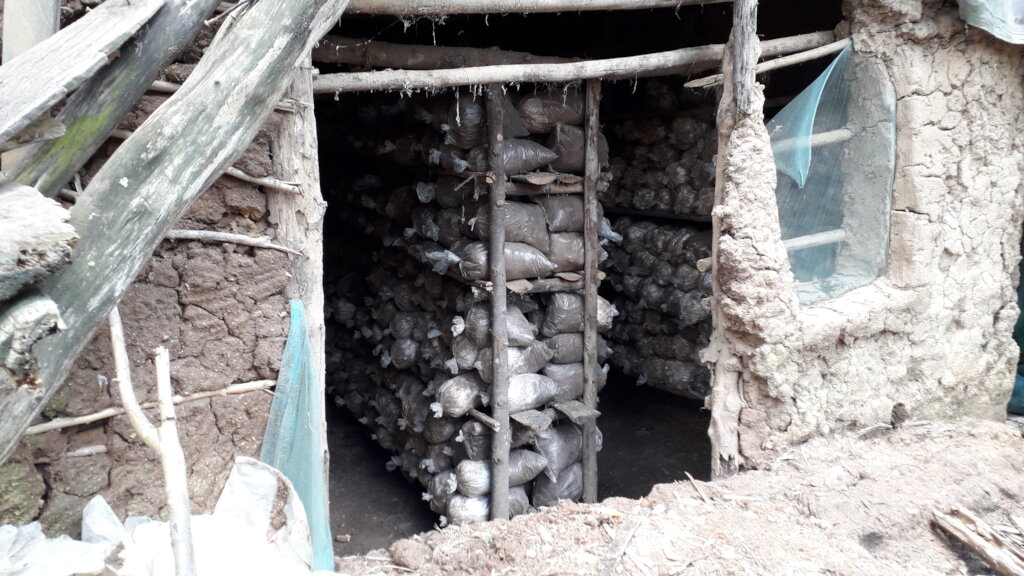
Paul Kisiangi, the founder of Galaxy Mushrooms, presented a slide show on forest mushroom production and commercialization. He emphasized the importance of mushrooms to people living around the forest and to the forest itself, including their value as a high protein and anti-oxident rich food and in mitigating serious health conditions such as Alzheimer's, heart disease, cancer and diabetes. Mushrooms are vital to forest health because of their role in biodegradation and ecosystem renewal through nutrient cycling. They are also an important food and habitat resource for forest wildlife.
Beekeeping
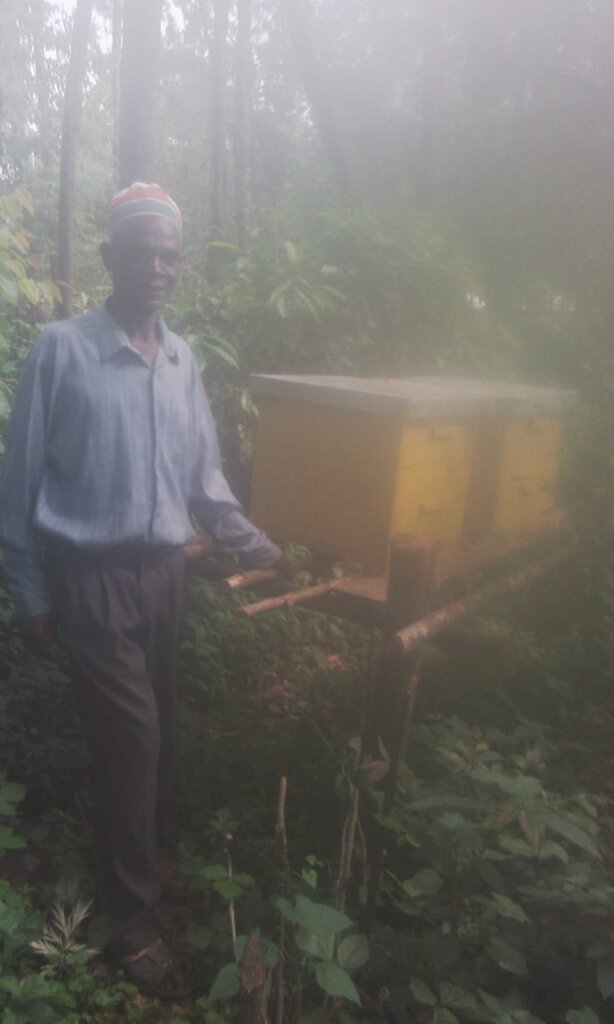
Nkoba Kiatoko, a research scientist with the International Centre for Insect Physiology and Ecology (ICIPE), spoke about the process and values of beekeeping. A recent study by ICIPE and the Pennsylvania Center for Pollinator Research suggests that African honey bees are being driven to extinction primarily by habitat loss and climate change. The United Nations Food and Agriculture Organization has estimated that bees are responsible for pollinating 71 of the 100 species of food crops that feed 90 percent of the global population, so their conservation is of global importance.
Agroforestry using Native Trees
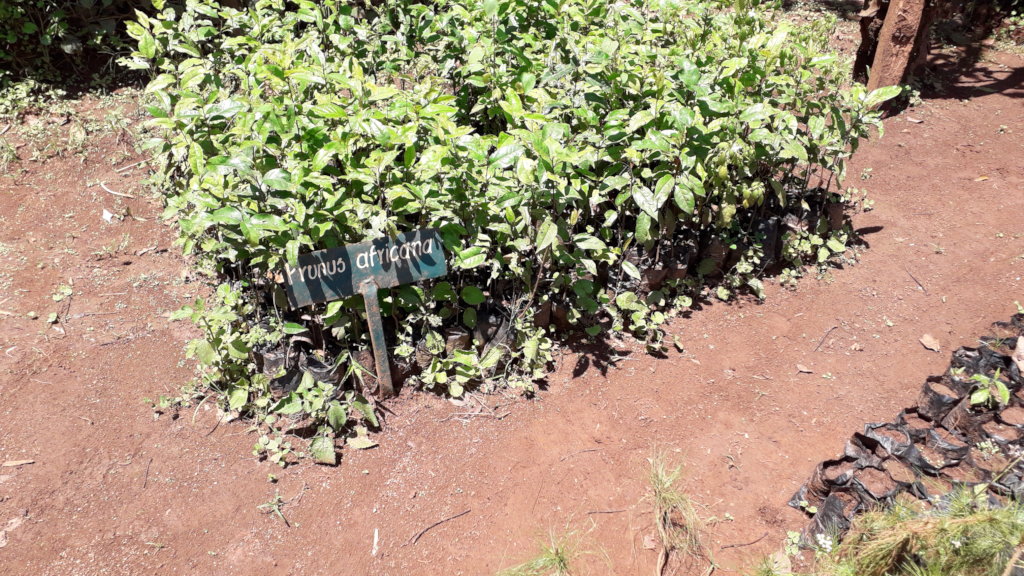
John Otuoma, Principal Research Scientist at the Kenya Forest Research Institute (KEFRI), discussed various options for incorporating the cultivation of native tree species on farms surrounding the Kakamega forest into farm production systems. Many of the tree species native to the Kakamega Forest are declining due to both loss of forest cover and the replacement of diverse, natural forests by commercial monocultures of pine and eucalyptus. This trend results in the decline of ecosystem services provided by the forest, such as climate and water regulation and provision of habitat for rare species of wildlife. It also diminishes cultural benefits to local communities as well as income from tourism and a wide range of forest products.
All of the IGAs interact in positive ways with each other, with the farms and with the forest ecosystem. Mushrooms benefit from the moist, cool climate maintained by the forest and grow on a substrate that can be made from leaves that fall from the agroforestry trees. Once used to grow mushrooms, the substrate can be recycled into mulch for farm crops. Bees pollinate crops, agroforestry trees and forest plants. Agroforestry trees provide shade for crops such as coffee and cocoa, create habitat connectivity for primates and birds and control soil erosion. Many tree species also fix nitrogen, replenishing the nutrient content of farm soils depleted after many years of maize production.
Having begun to hammer out the details for the design and interactions of the IGAs, we are all excited to start our outreach to local farmers very soon. Stay tuned!
Project reports on GlobalGiving are posted directly to globalgiving.org by Project Leaders as they are completed, generally every 3-4 months. To protect the integrity of these documents, GlobalGiving does not alter them; therefore you may find some language or formatting issues.
If you donate to this project or have donated to this project, you can receive an email when this project posts a report. You can also subscribe for reports without donating.



Support this important cause by creating a personalized fundraising page.
Start a Fundraiser