By Constance Hunt | Executive Director
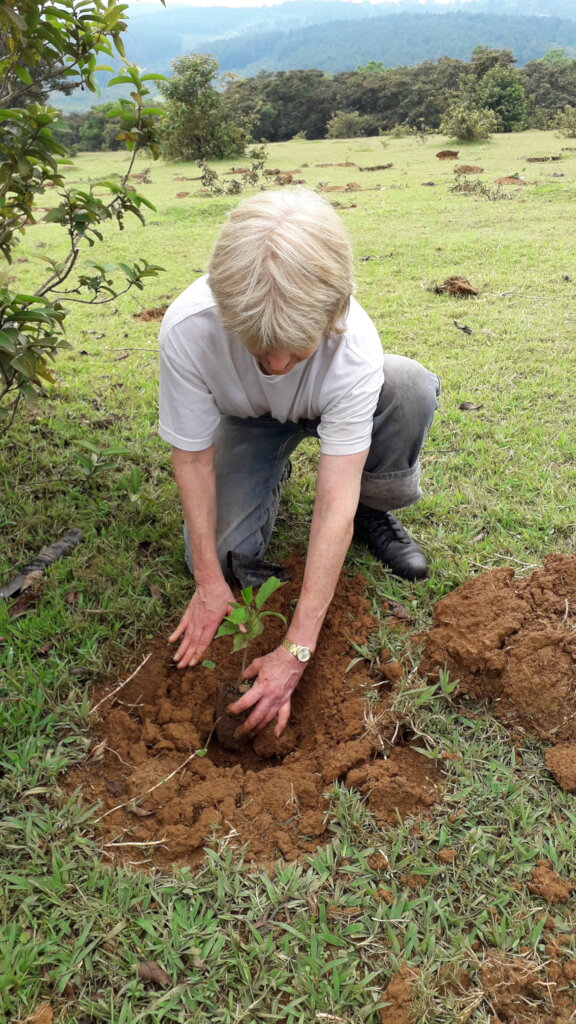
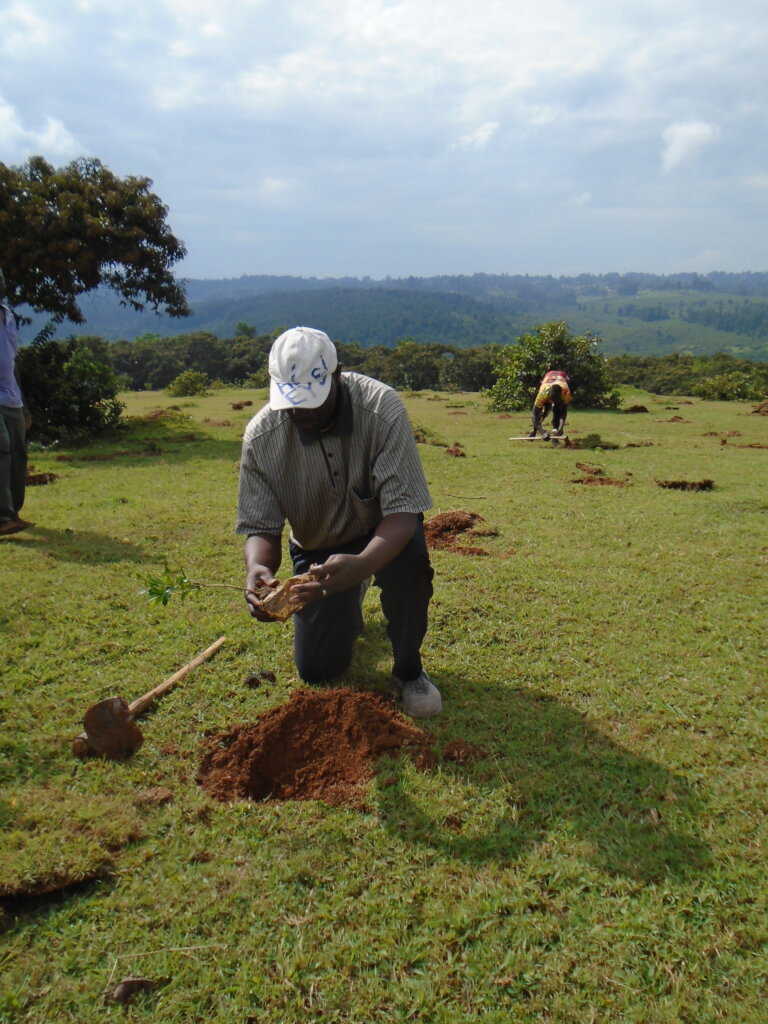
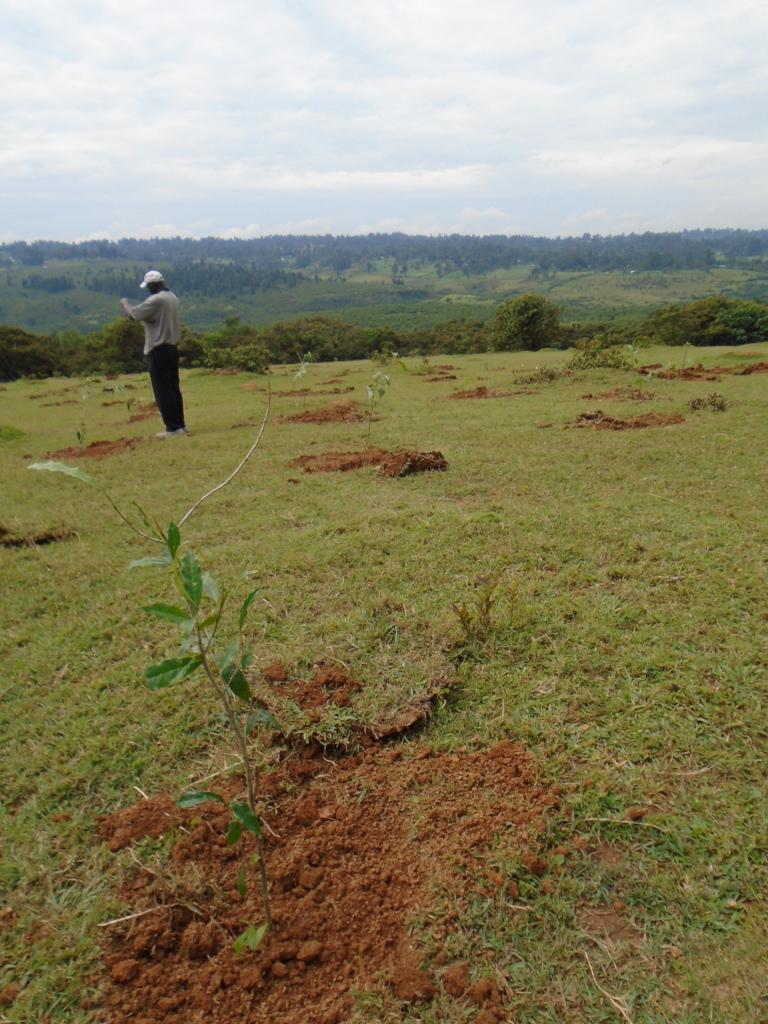
It is raining Colobus monkeys and bushpigs in Kakamega right now, so we decided to plant some more trees. We planted Markhamia lutea for the first time - 50 seedlings. This tree, commonly known as Nile tulip, provides forage for bees and is an excellent soil erosion control species. It has medicinal properties and is used for furniture and other carpentry products.
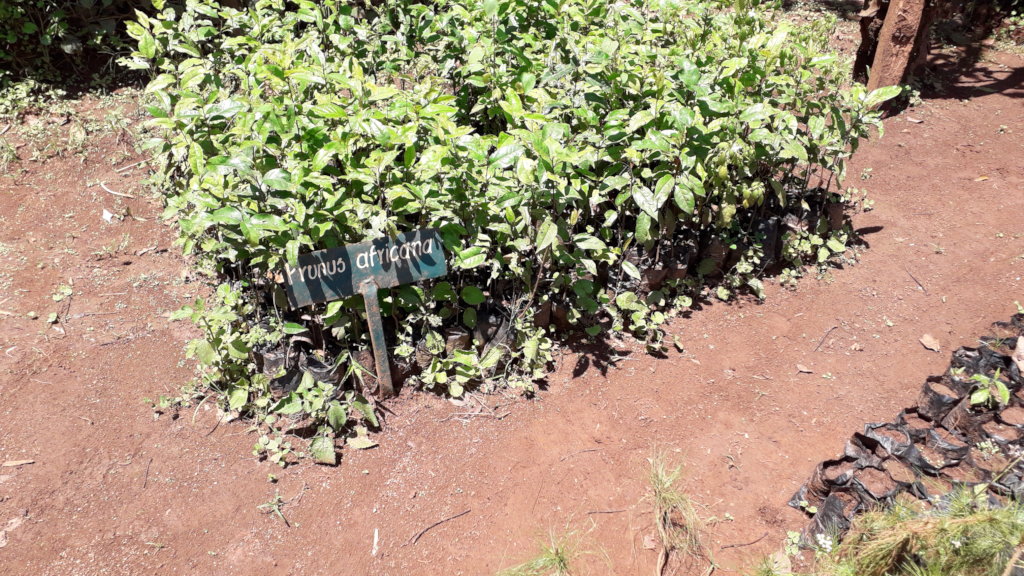
We also planted African cherry (Prunus africana - 460 seedlings), Elgon teak (Olea capensis welwitschii - 265), broad-leaf croton (Croton macrostachyus - 120), umbrella tree (Maeopsis eminii - 50), African satinwood (Zanthoxylum gilletii - 36) and parasol tree (Polycias fulva - 19).
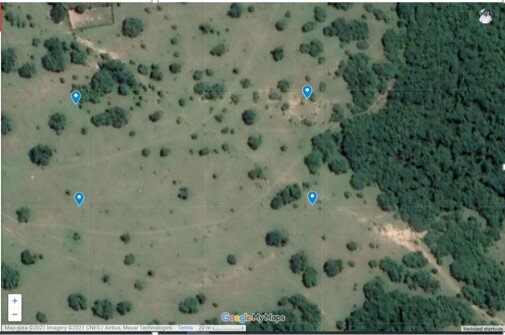
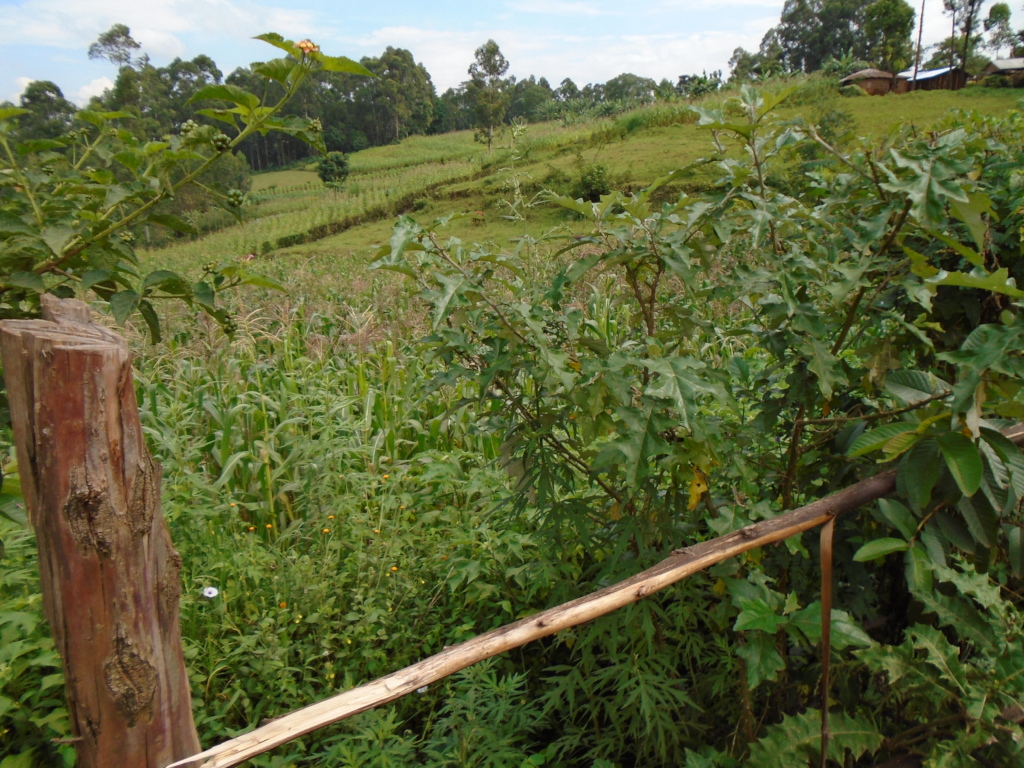
The restoration area is a glade that is being invaded by guava, which is native to Central and South America and the Caribbean but is an exotic invader in Kenya. Another shrub increasing in numbers on the site is Harungana madagascariensis, which is a "pioneer" species native to Kenya. The proliferation of harungana signals the first stage in succession from a glade to a forest. The harungana and guava will naturally give way to the native tree species we have planted as the trees mature and form a canopy.
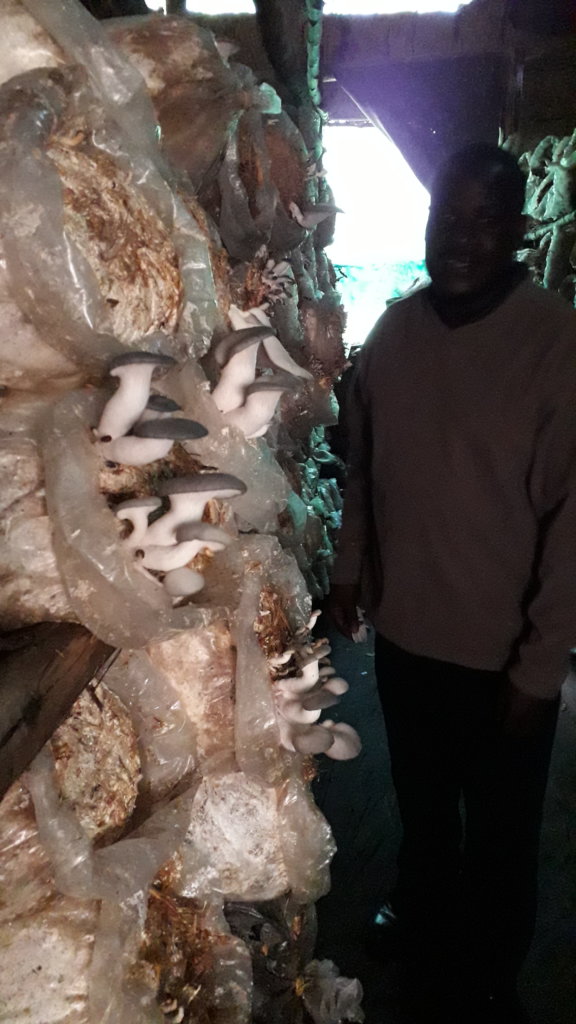
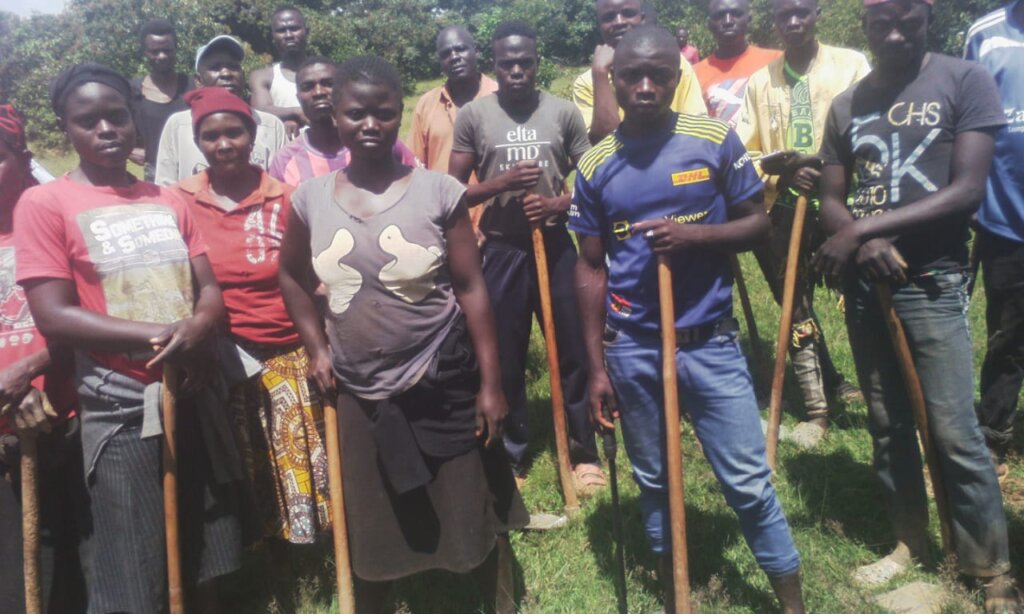
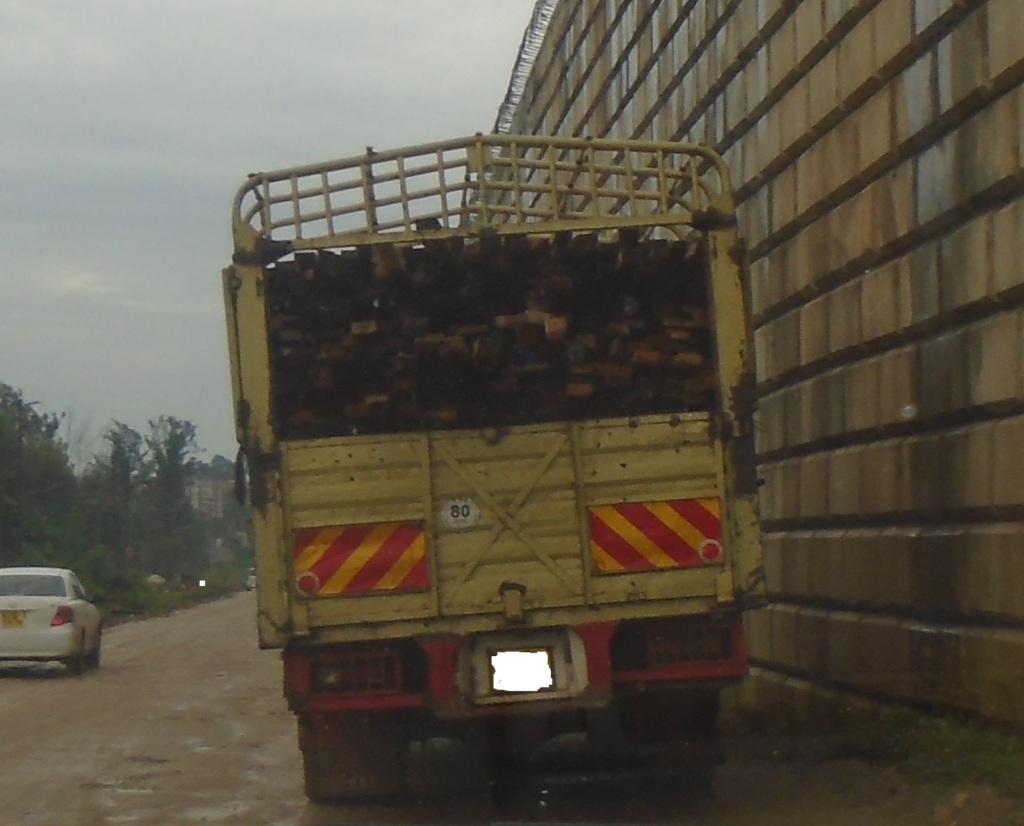
Because the area is accessible by road, it is also subject to illegal logging. We plan to involve the community around the site in the project by supporting income-generating activites (IGAs) on their small farms. These will be money-making ventures that are compatible with the ecology of the forest, such as beekeeping, mushroom cultivation and agroforestry using tree species native to the forest. By creating interdependence between the farms and the forest, the project will give the farmers around the site a more tangible stake in the forest's restoration and protection and reduce their temptation to collude with the loggers. We will pilot these activities in the near future, as soon as we have accumulated enough funding to support the equipment and training needed to make them successful.
Project reports on GlobalGiving are posted directly to globalgiving.org by Project Leaders as they are completed, generally every 3-4 months. To protect the integrity of these documents, GlobalGiving does not alter them; therefore you may find some language or formatting issues.
If you donate to this project or have donated to this project, you can receive an email when this project posts a report. You can also subscribe for reports without donating.



Support this important cause by creating a personalized fundraising page.
Start a Fundraiser