By Constance E Hunt | Executive Director and Secretary
Dear Donors and Other Supporters:
KWENCH has been hard at work getting the Kakamega Rainforest Restoration Project rolling. Since our application to GlobalGiving was approved in April of this year, we have made some administrative changes and have accomplished our first seed planting to produce the maiden crop of seedlings for our restoration work.
Administrative Adjustments
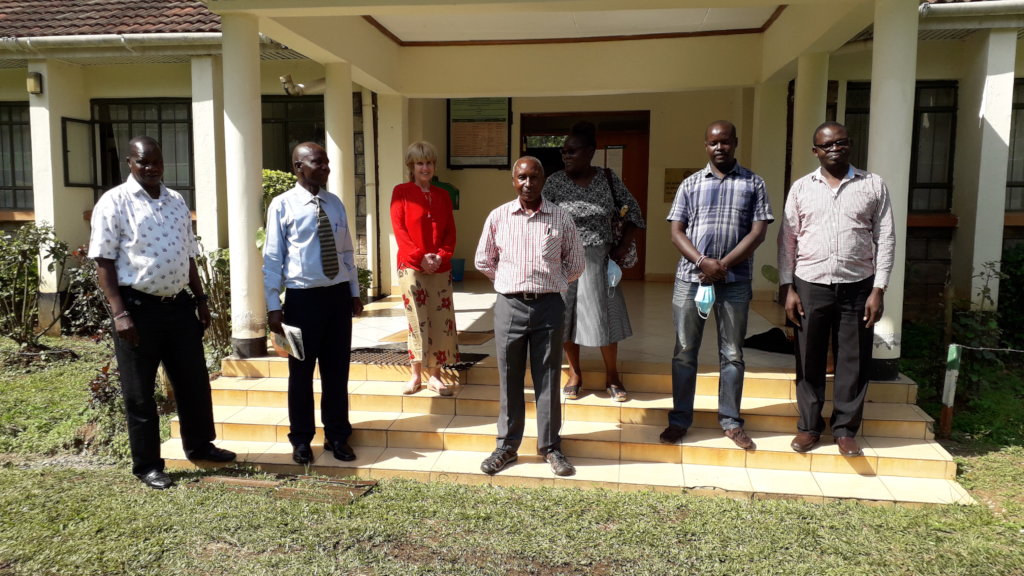
We amended KWENCH’s constitution so that it is broad enough to govern the forest restoration and ecosystem compatible, income-generating activities on small farms envisioned in the project. We also added several new board members to help us with the project’s development and implementation, including an agroecologist from Greenpeace; an associate program officer from the Alliance for a Green Revolution in Africa; a county employee who is also the Director General of a coalition of 88 community-based organizations in Kakamega County; a very senior-level, Kenyan government official to help us navigate the maze of government requirements and a former seminarian to guide the spiritual component of the project. To see their photos, please visit our Facebook page.
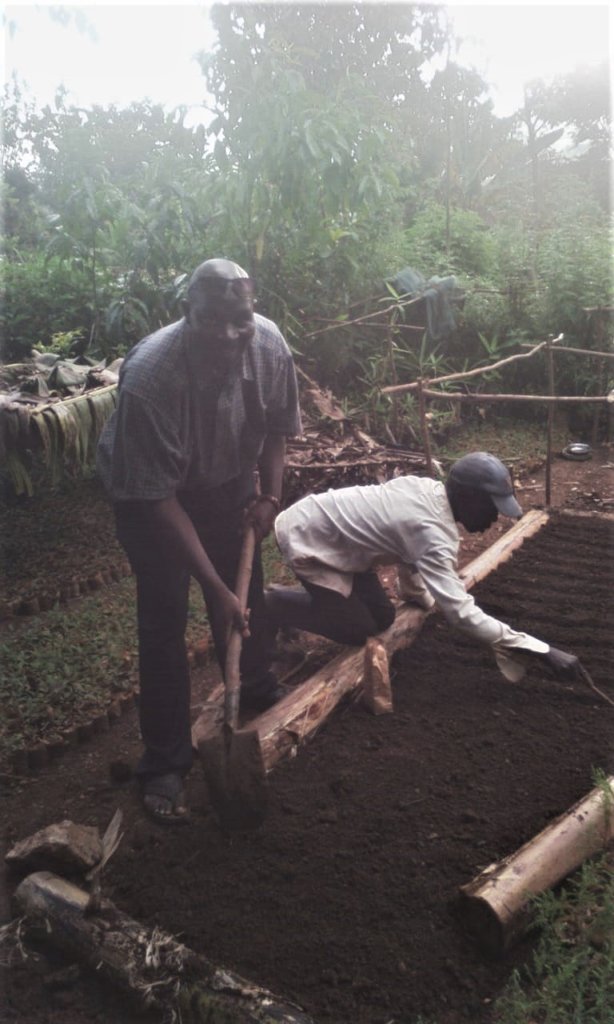
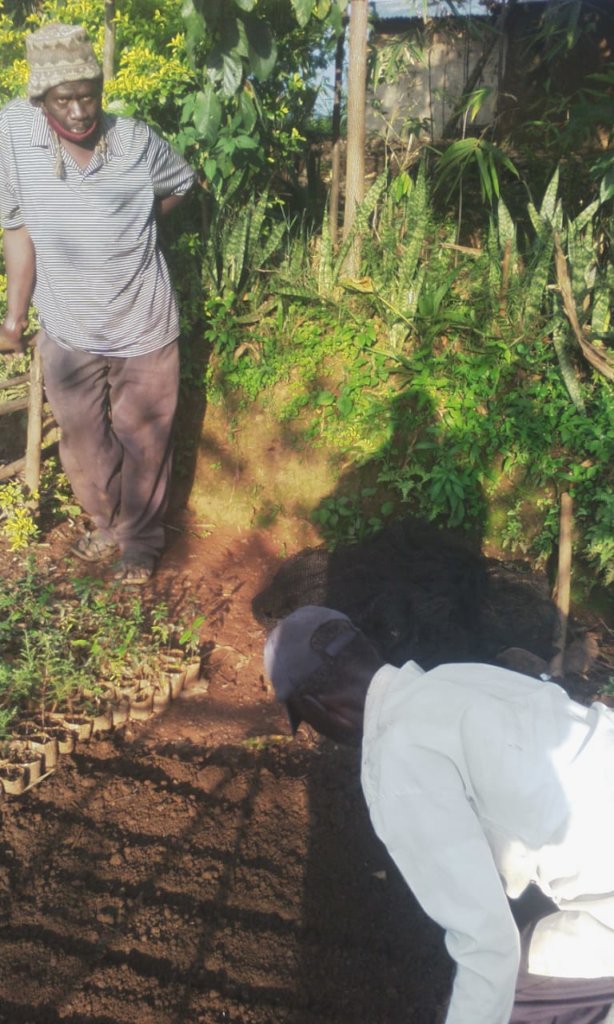
Seed Planting Near Iloro Forest, 28 August 2021
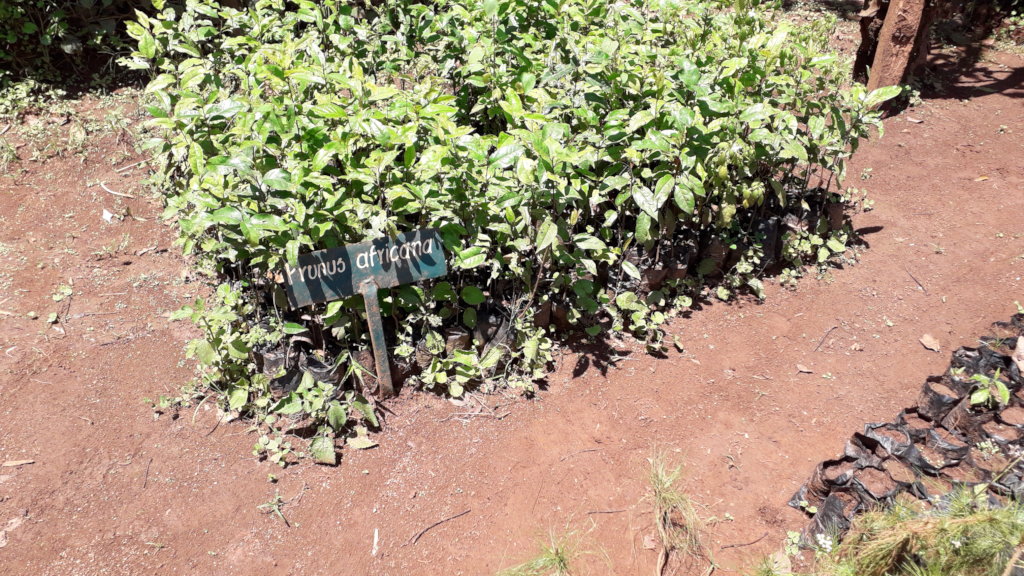
In anticipation of the project’s official launch and initial planting of seedlings in the forest, which we hope to accomplish in November, we have planted seeds of native trees on small farms near our intended launch site in Iloro Forest, which is part of the Kakamega Rainforest complex. The farmers, who have experience in agroforestry, will tend the germinating seeds until the young plants are big enough to transplant and will sell them back to the project team at a steep discount.
We have planted the seeds of two tree species native to the Kakamega Rainforest:
Croton macrostachyus Broad-leaf Croton. It is commonly planted as a shade tree in villages and coffee plantations in Kenya. The leaves and bark have many medicinal uses, including as an anti-malaria drug, and as a purgative and to treat stomach aches, and the wood is used for construction, flooring, and making tools and boxes.
Maeopsis eminii Umbrella Tree. It is frequently grown as a shade tree for crops and for regeneration of degraded forests, since it grows quickly. The wood is used for construction and firewood and the leaves are used as animal fodder.
Within the next week, we hope to acquire the seeds of additional native tree species and plant them on more farms.
Our work so far has been supported purely by the volunteer efforts of our board members, who are contributing their time, effort and cash to get the project going. To date, we have been banking your generous contributions because the project launch and initial planting will be expensive.
Please stay tuned: the hard work lies ahead and we need you on our team!
Links:
Project reports on GlobalGiving are posted directly to globalgiving.org by Project Leaders as they are completed, generally every 3-4 months. To protect the integrity of these documents, GlobalGiving does not alter them; therefore you may find some language or formatting issues.
If you donate to this project or have donated to this project, you can receive an email when this project posts a report. You can also subscribe for reports without donating.



Support this important cause by creating a personalized fundraising page.
Start a Fundraiser