By Daniel Wolf | Founder and CEO
Dear Lifeline supporters,
Seven in ten Ugandans depend on rainfed agriculture, and in one of the world’s most climate-vulnerable countries, the rains can no longer be counted on. Dry seasons are stretching longer, and for smallholder farmers that means seasonal hunger and incomes that rise and fall with the weather. Our Irrigating to Thrive initiative was built to break that cycle. We provide farmers living near open water with affordable foot pumps and drip irrigation systems on a lease-to-own basis, along with the training to use and maintain them.
Since launching the initiative several years ago, we have kept asking how to make it as cost-efficient and impactful as possible. In this report, we want to show you what your support looks like in the life of one farmer, and how her story reflects the program as a whole.
Meet Agnes Erate
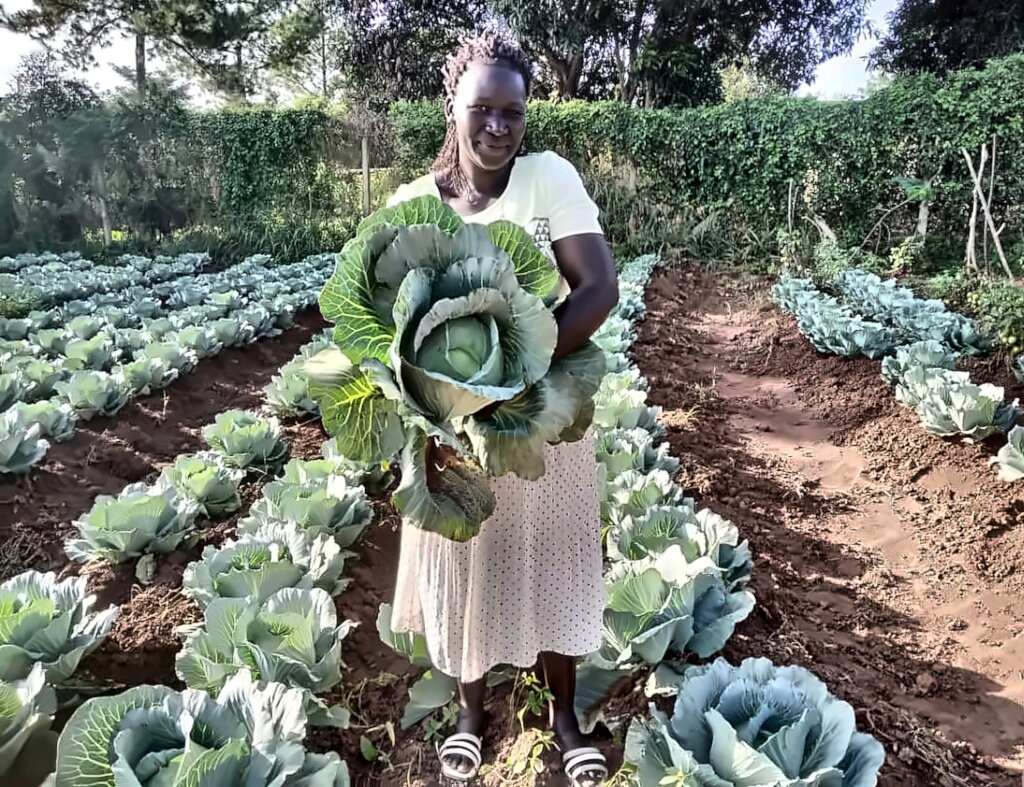
Agnes is one of the female farmers who joined Lifeline’s Drip Irrigation Program in March 2026. Before joining, she grew only maize and beans on a small plot and relied entirely on rainfall. Low yields and increasingly erratic seasons kept her income below $180 for the entire year. When the rains failed, so did her harvest, and there was little she could do but wait for the next season.
Through the program, Agnes received a drip irrigation system along with practical training in sustainable agronomic practices and in how to use and maintain her system. Drip irrigation delivers water directly to the roots of each plant, so very little is wasted, which matters a great deal when every litre has to be drawn by hand or by foot. With a reliable water supply, Agnes diversified into high-value vegetables, growing cabbage and tomatoes. In the last season alone, she earned $450, more than double what she previously earned in a full year.
“Lifeline has improved my life,” Agnes told us. “My household has more food, and we are more food secure because I can now grow throughout the year. My income increased in just one season. I am now able to pay my children’s school fees, and I no longer have to carry water in jerrycans and watering cans over long distances.”
That last point is easy to overlook, but it is one of the most meaningful changes. Hours that Agnes once spent hauling water are now hers to spend tending her crops, caring for her family, or taking her produce to market.
When we asked you to support this project, we said irrigation could help farmers double or triple their incomes and build resilience to unpredictable rainfall. Agnes is proof of both. She no longer worries about prolonged dry seasons, and because she pays for her system over time from her own harvests, she owns her success.
Her experience is not unique. Agnes is one of 12 farmers in the program, and across all of them the pattern is the same: a reliable water source turns a single uncertain season into a year-round livelihood, and the income that follows goes straight into food, school fees, and the next planting.
The lease-to-own model is what makes this sustainable. Farmers are not handed equipment they have no stake in. They invest in it, maintain it, and repay it from the very harvests it makes possible. As those repayments come in, they help put systems in the hands of the next farmers on our waiting list.
Every contribution brings another family closer to a year-round harvest. And because farmers repay their equipment over time, your gift keeps working long after it is made, passing from one farmer’s field to the next.
With gratitude,
The Lifeline Team
Links:
Project reports on GlobalGiving are posted directly to globalgiving.org by Project Leaders as they are completed, generally every 3-4 months. To protect the integrity of these documents, GlobalGiving does not alter them; therefore you may find some language or formatting issues.
If you donate to this project or have donated to this project, you can receive an email when this project posts a report. You can also subscribe for reports without donating.


Support this important cause by creating a personalized fundraising page.
Start a Fundraiser