By Enamul Hoque | Executive Director
Project Tittle: IOT (Internet of Things) base Direct Air Carbon Capturing with Air Purifier.
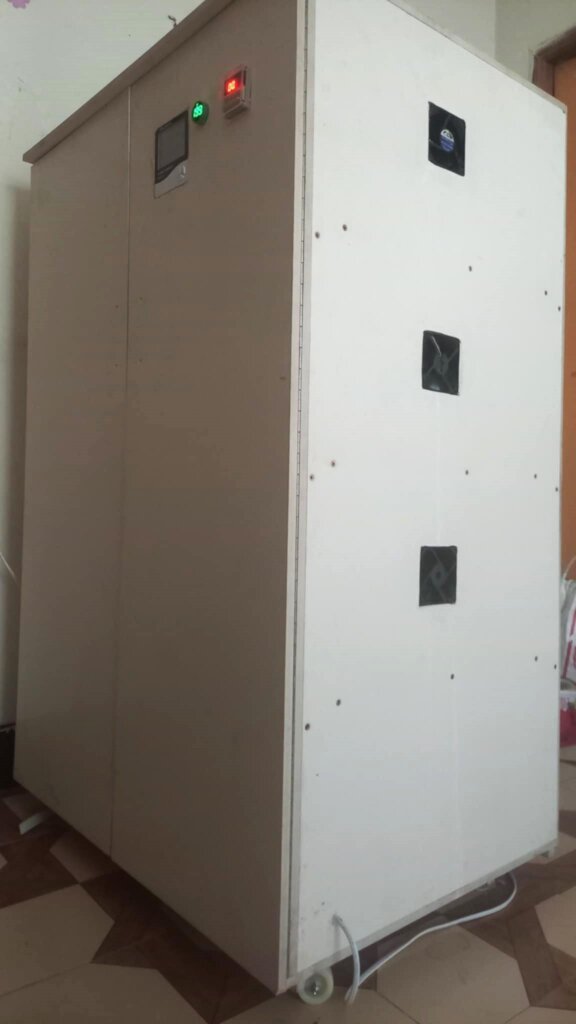
Project Summary: Dhaka, a city of 23.2 million people, is one of the top five most polluted cities in the world. It suffers from severe air pollution, a lack of trees, and excessive carbon dioxide emissions, which are causing the city to heat up. This pollution is affecting the lower-income people the most. Since there is not enough space left in the city to plant new trees, the Internet of Things (IOT)-based Direct Air Carbon Capturing and Air Purifier will be a way to overcome this problem. One machine will purify the air equivalent to about 1,000 trees and, in addition to absorbing carbon dioxide, will also show the amount of greenhouse gases in the air.
Project Area: - Around Dhaka City.
Project Period: 3 years. (From July,2025 to June 2028)
Targeted Stakeholders: Detailing the primary, secondary and tertiary-
Primary Stakeholders (Directly impacted or involved):
Improved Air Quality:
Each unit will purify approximately 709,560 kiloliters of air over three years, removing both carbon dioxide and toxic heavy metal particles such as cadmium, lead, and arsenic from the environment.
v Reduction in CO Levels:
The system will reduce atmospheric CO concentrations from dangerous levels of 480–500 ppm to a safer 250 ppm. Each unit will absorb 84,000 pounds of CO over 3 years.
v Health Benefits:
Each machine will directly and indirectly protect 1,500–1,600 people from pollution-related health risks, including respiratory diseases and heavy metal toxicity, especially among vulnerable low-income communities and children.
v Economic Impact:
By reducing air pollution, the system will help lower the average annual medical expense of 350–370 BDT per person, providing financial relief to economically disadvantaged populations.
v Data-Driven Public Awareness:
Real-time display of harmful gas levels and air quality data will raise public awareness, encourage behavior change, and inform policy decisions.
v Circular Economy Contribution:
Captured carbon dioxide will be converted into raw materials for eco-bricks and eco-feed, promoting sustainable production and environmental reuse.
Health and Community Impact
Environmental and Economic Circular Benefits.
v Use the captured carbon dioxide to produce:
v Eco-bricks for sustainable construction.
v Eco-feed as a byproduct, supporting green industry and recycling.
Strategic Site Analysis and Installation Planning
l Identify high-pollution zones based on data and studies (e.g., areas with high levels of cadmium, zinc, and lead).
l Prioritize installations in areas lacking greenery or with vulnerable populations (e.g., schools, slums, hospitals).
Appeals:
We would like to say only 25 USD has been received in this connection. However, since we have started some necessary interventions VIEW borne the operational cost out of our resources. Without funding support how long we will continue the intervention is a matter of concern. Some activities have been just started and while others activities will also be taken into consideration to implement. Budgetary funding is necessary to implement the programmes. This project would not have been possible without the kind support and help of donors, friends and any individuals. Every donation, no matter how small or big rather it will makes a significant difference and building more resilient communities. Together, we can make a real impact and support the project on their path to a better future.
Project reports on GlobalGiving are posted directly to globalgiving.org by Project Leaders as they are completed, generally every 3-4 months. To protect the integrity of these documents, GlobalGiving does not alter them; therefore you may find some language or formatting issues.
If you donate to this project or have donated to this project, you can receive an email when this project posts a report. You can also subscribe for reports without donating.