By Dr Bomby KABONGO | Executive Director
Background, Justification and Objectives
Adolescents and young people (AYP) continue to face significant vulnerability to HIV/AIDS, which remains a persistent public health issue globally. In Central Africa, and notably within the Democratic Republic of Congo (DRC), the prevalence of HIV among youth aged 15–24 was estimated at 3.4% in 2024, exceeding the global average of 2.5%. There are substantial regional disparities in HIV prevalence within this age group, with rates ranging from less than 1% to more than 6%, as reported by UNAIDS (2025) and Gabonactu.com.
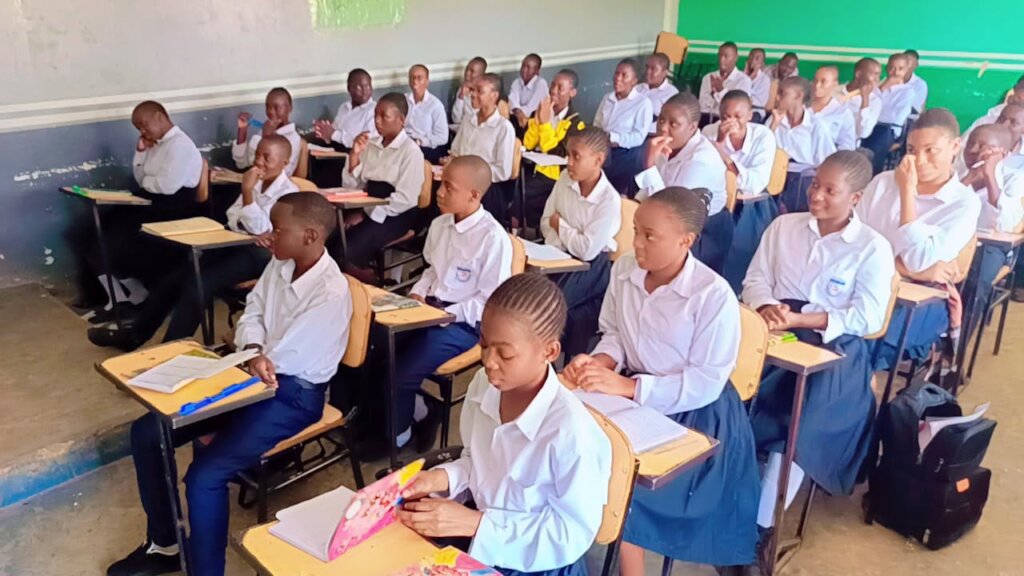
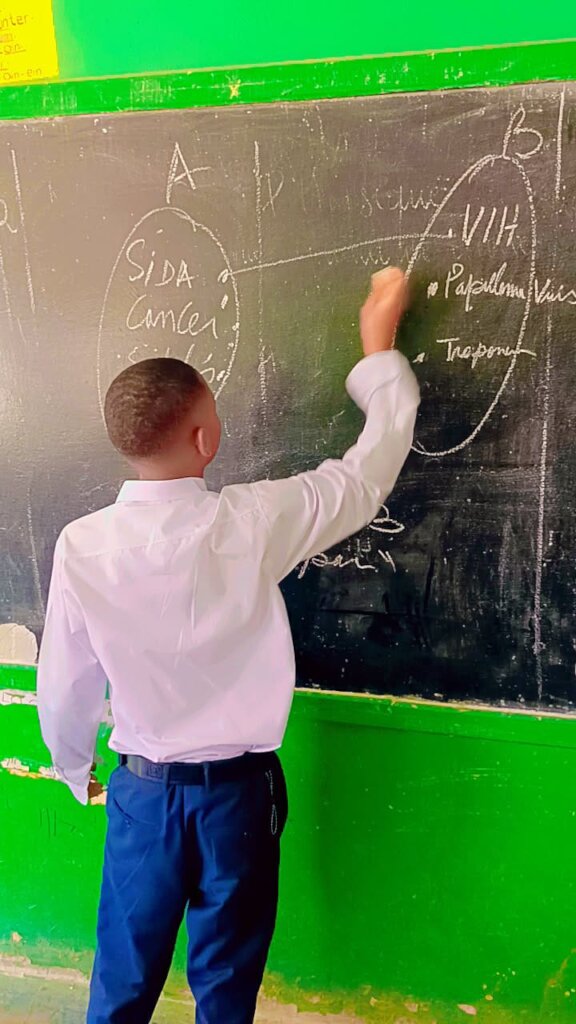
Early initiation of sexual activity further increases the vulnerability of young people to HIV infection. This underlines the critical importance of school-based education as a strategic intervention point. Integrating HIV/AIDS education into mathematics curricula is an innovative strategy that not only enhances critical thinking and HIV-related data literacy among students but also fosters greater public health awareness. Additionally, this approach addresses key areas such as behavioural change communication, the reduction of stigma, and the correction of misinformation, as highlighted by UNESCO (2021) and WHO (2022).
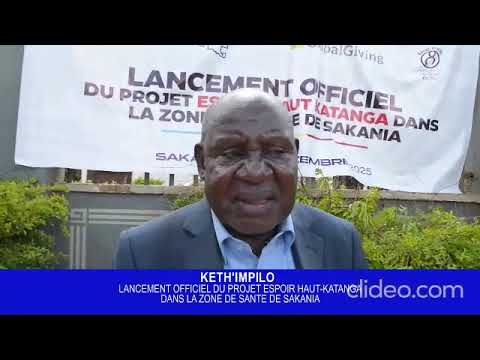
In response to these challenges, KHETHIMPILO-DRC (KI-DRC), a local non-governmental organisation, implemented a pilot programme integrating HIV/AIDS, gender, and sexuality education into mathematics curricula across secondary schools in two provinces. This initiative is aligned with international recommendations and is designed to strengthen adolescents’ abilities to assess their own risk, adopt safe and protective behaviours, and actively engage in self-care. Moreover, it aims to enhance awareness of sexual and reproductive health and rights among students. The current document presents preliminary findings from this ongoing intervention.
Integrating HIV Prevention and Health Education in Mathematics Curriculum
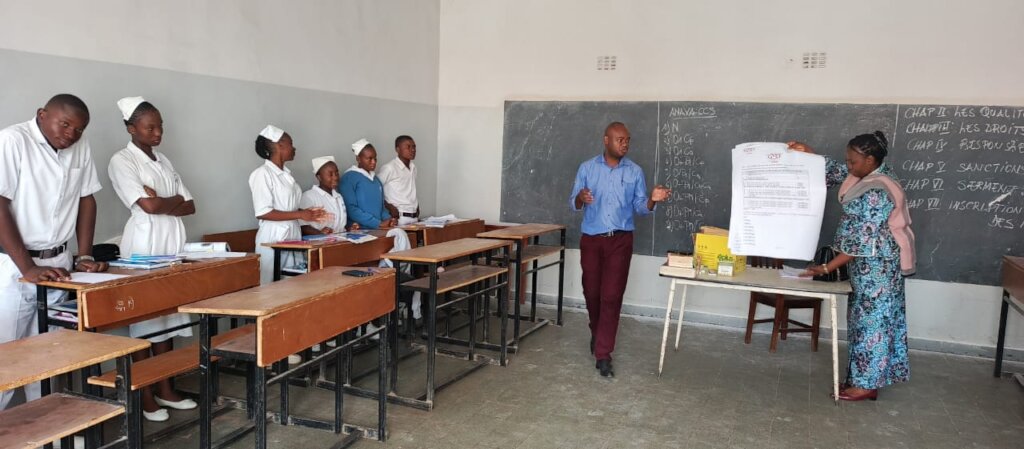
The study underscores ongoing HIV risk factors and the limited awareness and uptake of prevention services among adolescents across both provinces. In response, KI-DRC and its partners intend to implement interventions rooted in evidence and cultural sensitivity within the next three to six months. The planned approach centres on weaving HIV/AIDS, gender, and reproductive health topics into mathematics lessons, with collaboration from education authorities, health professionals, social scientists, and gender experts.
Curriculum Adaptation and Stakeholder Engagement
Adaptations to the curriculum will consist of teaching modules on human relationships, infectious diseases, regional HIV epidemiology, probability-based risk assessment models, and gender-aware data analysis. Mathematics teachers will receive training to deliver these integrated lessons. Complementary activities—including awareness campaigns, extracurricular programmes, and organised visits to health service centres—will be utilised to encourage greater use of available services. Peer education and participatory learning methods will serve to track student engagement and gather feedback on the programme's effectiveness.
Empowering Adolescents Through Integrated Learning
The initiative does not introduce new mathematical concepts but instead incorporates health-related messages into existing mathematics content. The primary objectives are to enable adolescents to recognise and assess their own risk, support informed decision-making regarding behaviour change or maintenance, reduce stigma associated with HIV, and foster safer practices within the community.
Links:
Project reports on GlobalGiving are posted directly to globalgiving.org by Project Leaders as they are completed, generally every 3-4 months. To protect the integrity of these documents, GlobalGiving does not alter them; therefore you may find some language or formatting issues.
If you donate to this project or have donated to this project, you can receive an email when this project posts a report. You can also subscribe for reports without donating.



Support this important cause by creating a personalized fundraising page.
Start a Fundraiser