By TULINABO BISHWEKA | Chef de projet
1. INTRODUCTION
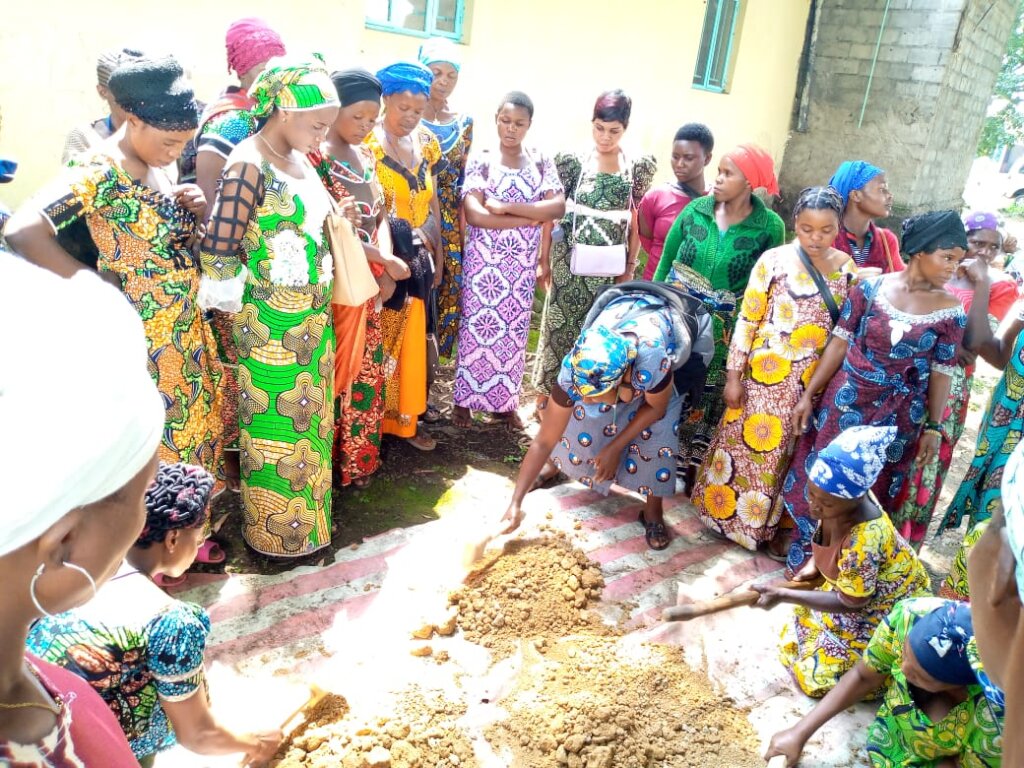
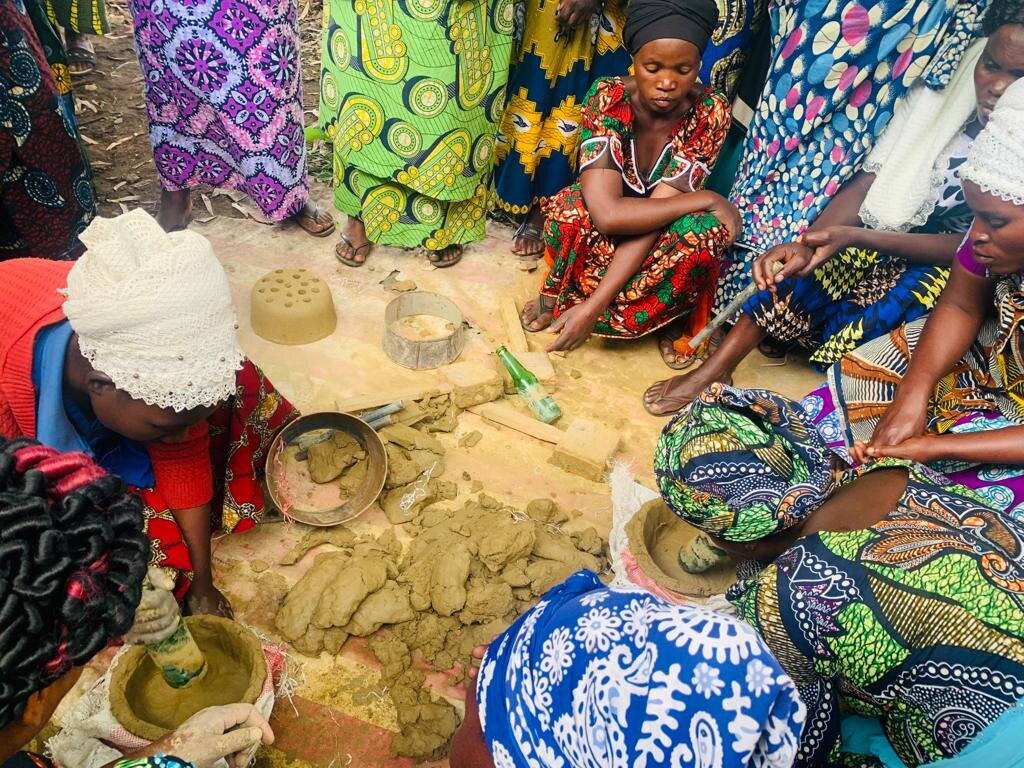
This report describes the training and support activities provided to 100 female heads of households in the construction of improved traditional stoves, an activity carried out in the Kalehe territory.
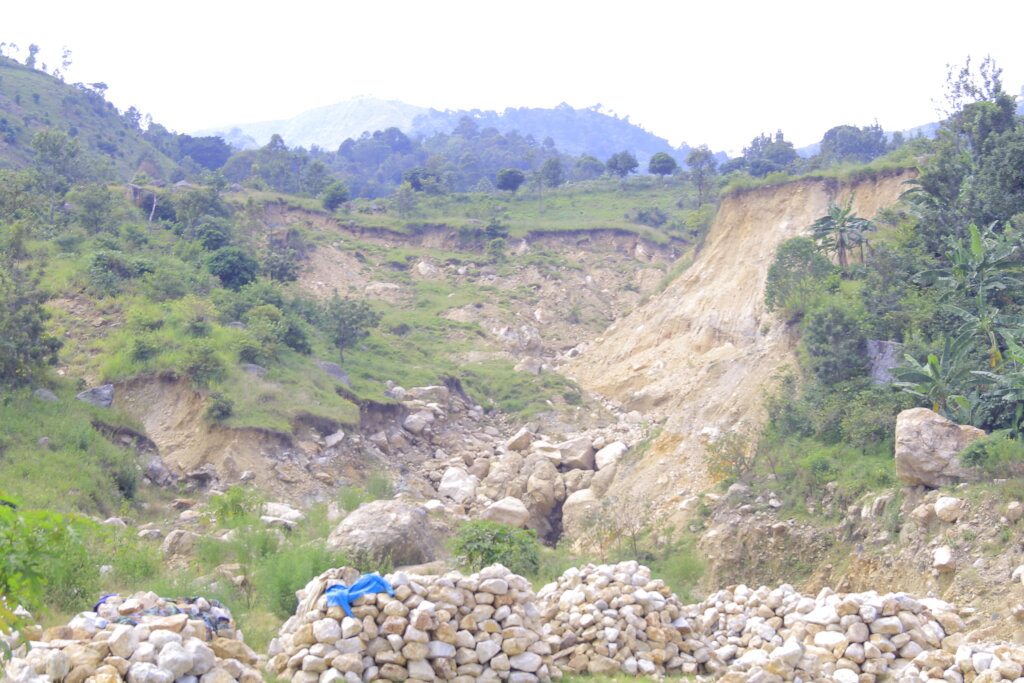
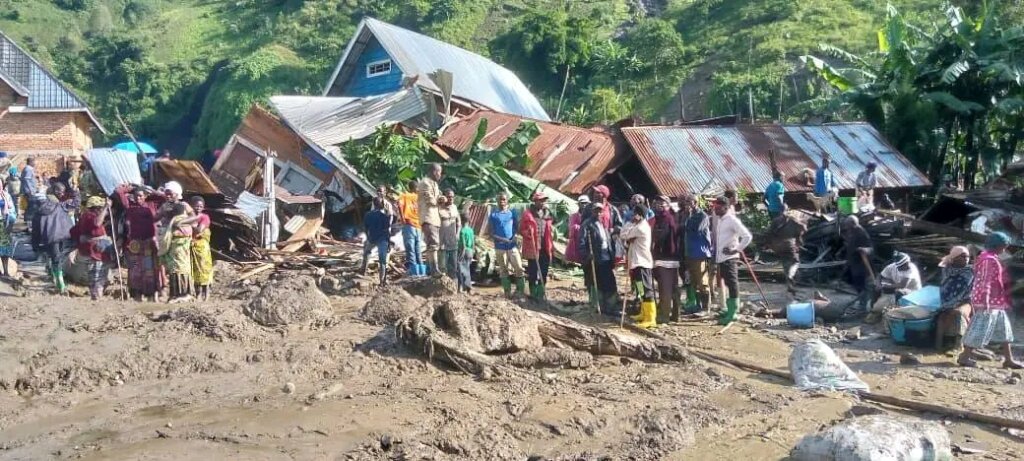
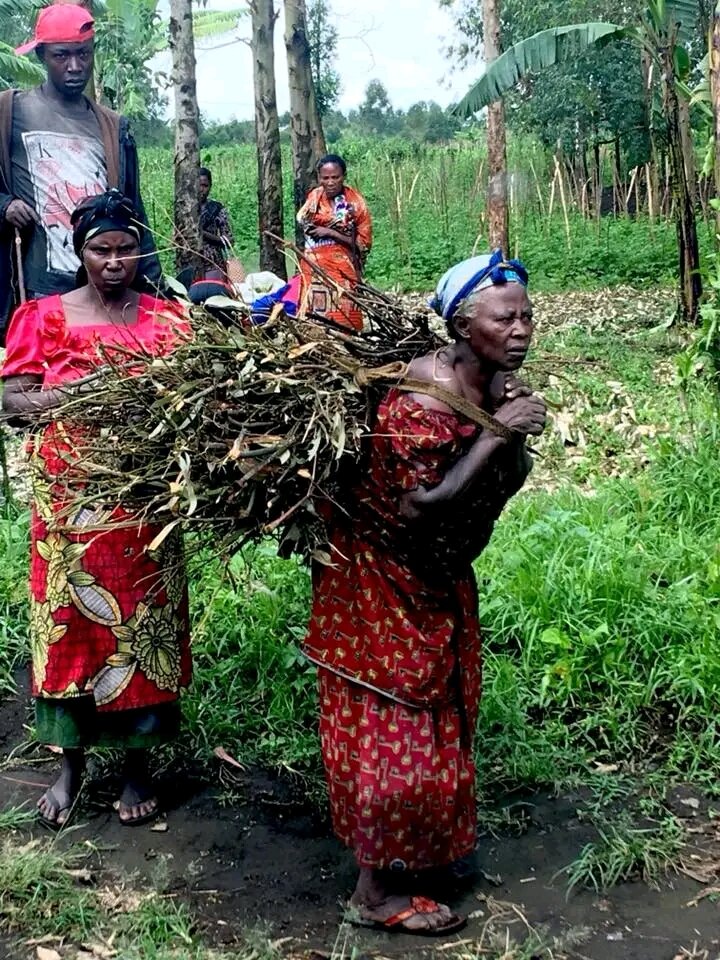
This activity is part of the project aimed at improving access to cooking energy to reduce and prevent sexual and gender-based violence for women affected by natural disasters in the villages of Bushushu and Nyamukubi in South Kivu, Kalehe.
2. TRAINING OBJECTIVE
The overall objective of this training was to train and support the women heads of household targeted by the project in the construction of improved stoves. This activity is part of environmental protection and the creation of income-generating activities. 3. TRAINING PREPARATION
COVIAC conducted a series of activities to deliver the training. The main criteria were:
Documentation on the improved stove training
Contacting trainers and selecting participants
Planning training sessions and inviting participants
3.1. Documentation on the improved stove training
COVIAC required documentation as part of the training on the manufacture of improved stoves.
3.2. Contacting trainers and selecting participants
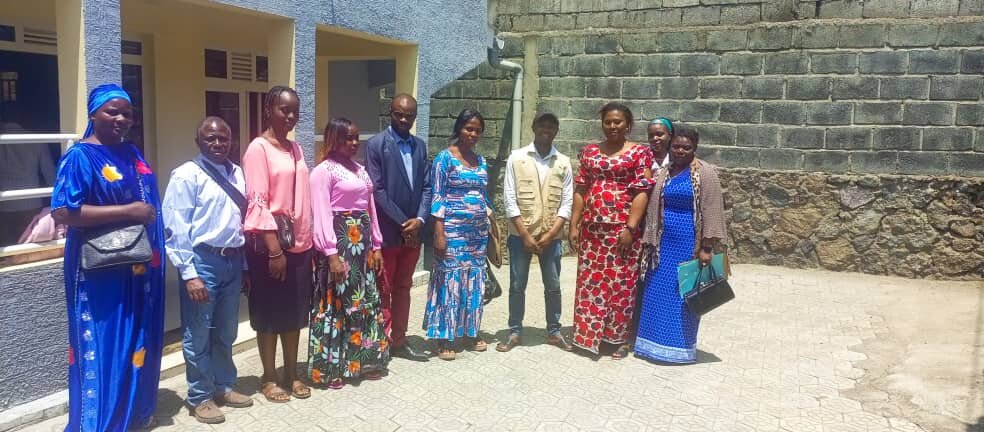
We contacted women whose main activity was the manufacture of improved stoves so that they would be useful to the women targeted by this activity.
We then moved on to selecting the female heads of household who participated in the training.
The selection criteria were as follows:
Being a female head of household affected by a natural disaster and at risk of gender-based violence; being old enough and able to learn a technical skill (being physically strong and mentally available).
3.3. Planning training sessions and inviting participants.
The training was to be held in three (3) sessions, spread across the three project sites. COVIAC helped identify the 100 women targeted for the activity and sent invitations to the participants. 4. Training Procedure
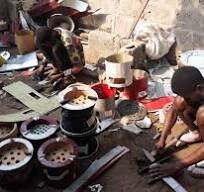
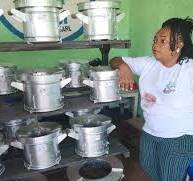
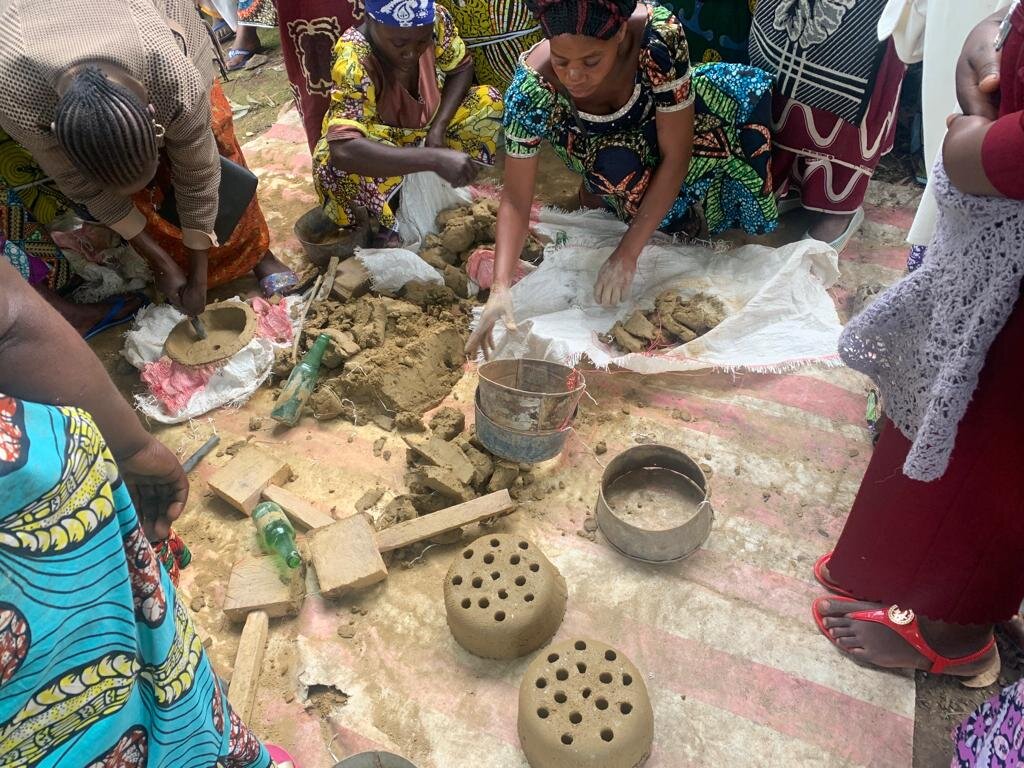
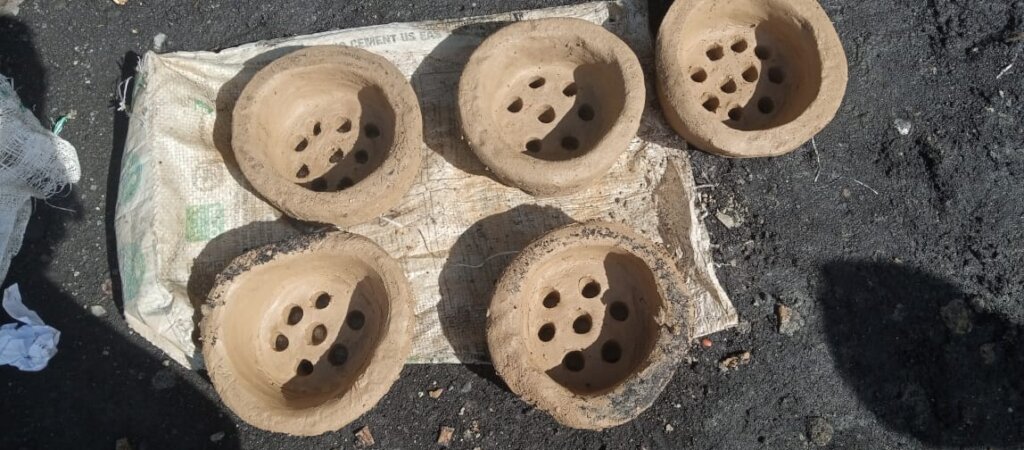
For this activity, the following table describes the production of earthenware bowls, metal frames, and braziers at various sites affected by the project:
Kalehe Ihusi Site :
Bushushu Site
Kalehe Zone Site
Comments
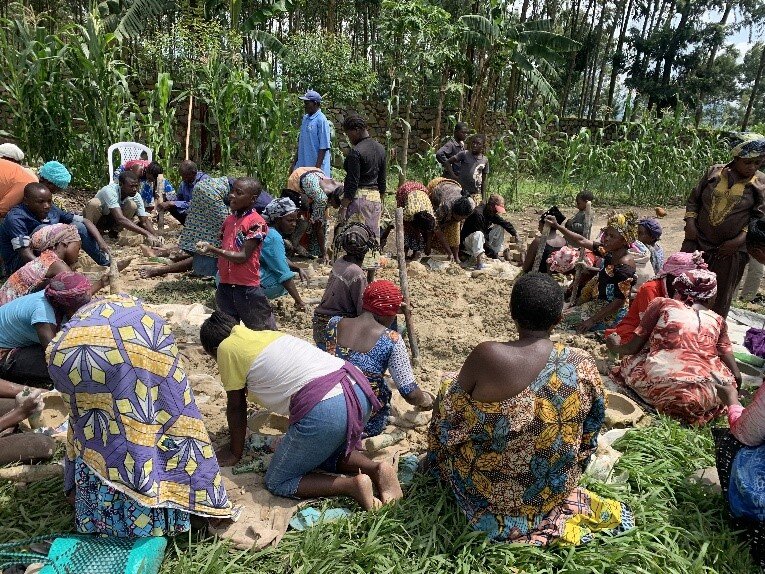
Initially, the training aimed to attract 100 women heads of household to participate; 100% of these women were reached through this activity.
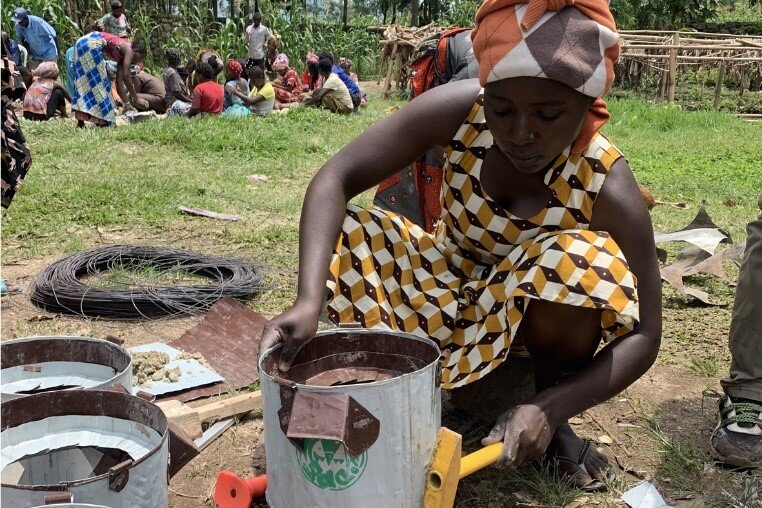
During the improved stove production process, we managed to produce 55 stoves/braziers. We also included 58 carcasses and 125 balls of brazier soil.
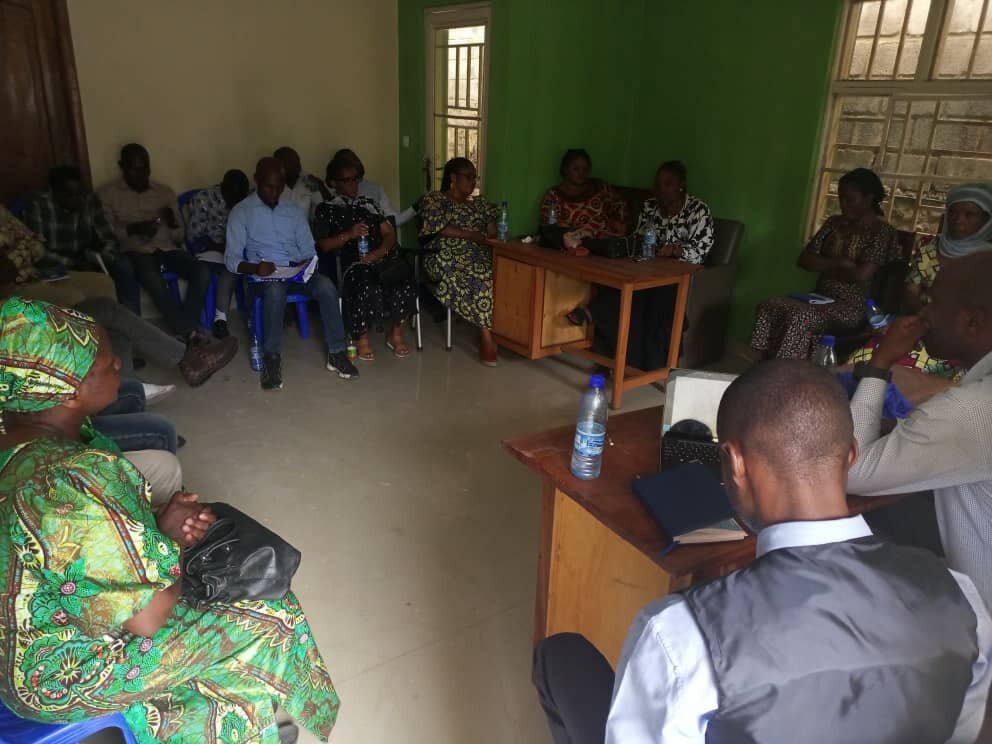
The training sessions were led by three experienced trainers, including two women and one man. Theoretical classes alternated with practical sessions, with theory accounting for 20% of the allotted time and practice for 80%.
CONCLUSION
COVIAC trained 100 women affected by the crisis, representing a 100% participation rate.
COVIAC concluded this training, enriched by experience, with the knowledge that women are capable of building their own improved stoves and thus contributing to socioeconomic life.
COVIAC is recommended to monitor post-activity actions, particularly with regard to the regrouping of beneficiaries interested in the activity, in order to effectively identify and prevent sexual and gender-based violence.
Links:
Project reports on GlobalGiving are posted directly to globalgiving.org by Project Leaders as they are completed, generally every 3-4 months. To protect the integrity of these documents, GlobalGiving does not alter them; therefore you may find some language or formatting issues.
If you donate to this project or have donated to this project, you can receive an email when this project posts a report. You can also subscribe for reports without donating.