By Melissa Adde | INCTR, Project Leader
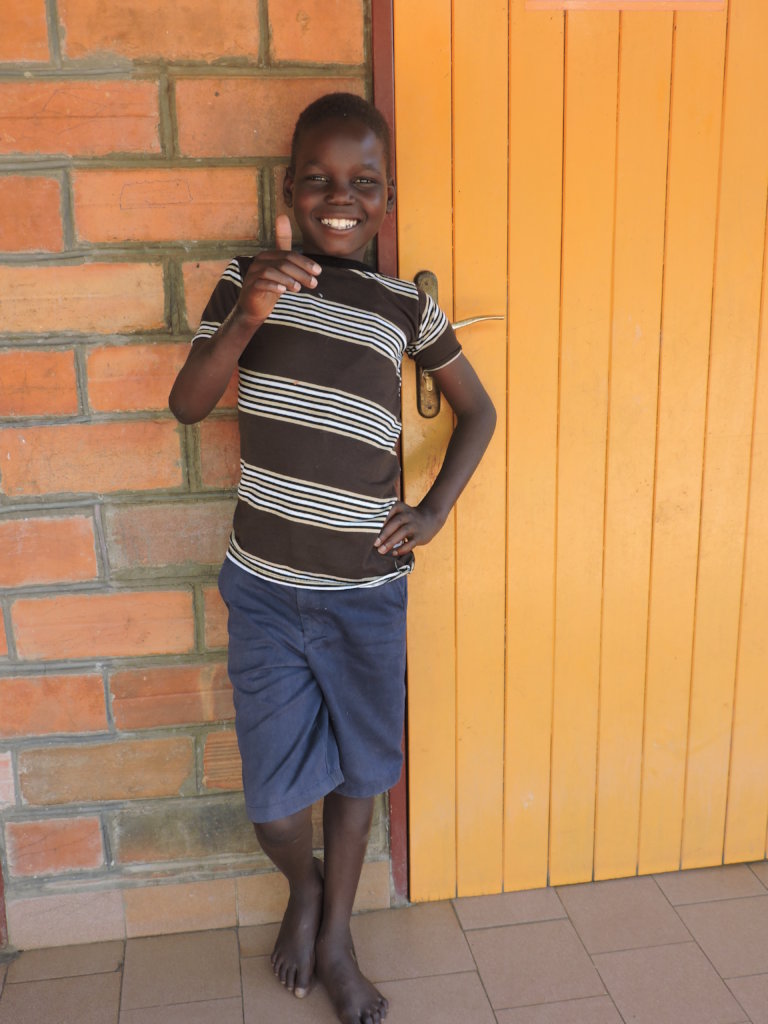
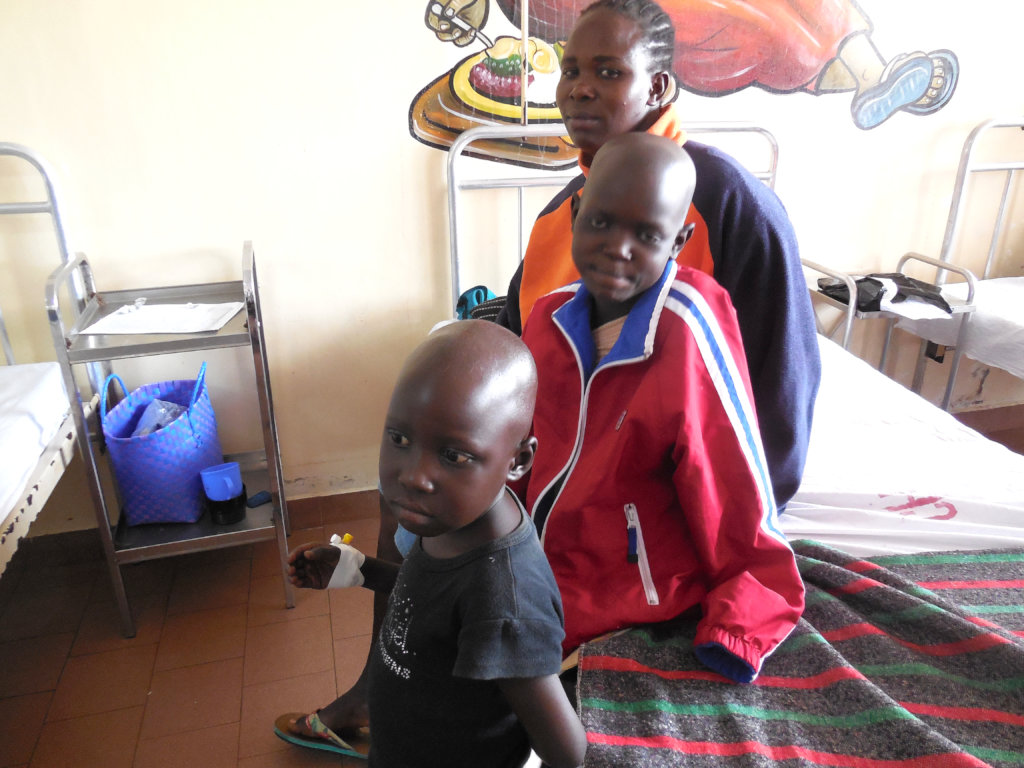
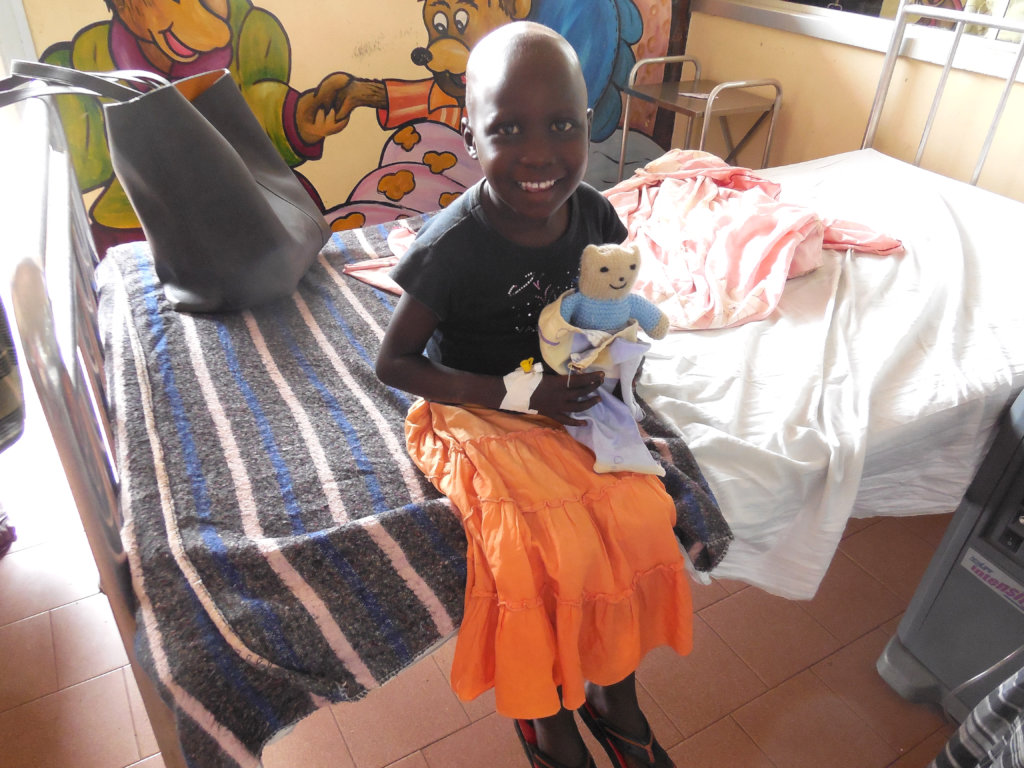
Edmond was 6 years old when he came to St Mary’s Hospital Lacor in Gulu, Uganda in late 2017. His father had noted a swelling in Edmond’s left cheek that had begun about a month prior to his admission to St Mary’s. The swelling was painful and caused the loss of two teeth. Although he was initially managed at home with pain medication, there was only minimal improvement and he soon developed a swelling in his right cheek. He also had difficulty eating.
Edmond underwent a full examination that included a biopsy of the mass in his jaw. Because of the jaw swellings, which are classical features of Burkitt lymphoma, he was started on treatment for this cancer. After the first two cycles of therapy, he had no improvement. At this point in time, a complete and final pathology report came back which included the results of special tests performed on the pre-treatment biopsy sample. The final diagnosis was rhabdomyosarcoma. Rhabdomyosarcoma can have similar clinical features to Burkitt lymphoma in younger children. Edmond was switched to the appropriate therapy for rhabdomyosarcoma. He completed treatment in early 2019 and is currently free of cancer. He returns for regular for post-treatment check-ups at the hospital.
Because Burkitt lymphoma accounts for nearly 50% of childhood cancers in equatorial Africa, many hospitals in this region of Africa start treatment based upon what is often called a “clinical diagnosis”. Sometimes hospitals do not have pathology departments or the capacity to perform biopsies. Even if a hospital has the capacity to perform a biopsy on a child with suspected cancer, they may not have a staff pathologist. In these situations, doctors need to send the samples to another hospital in order to obtain the diagnosis. This process can be lengthy. It is well known that Burkitt lymphoma is a rapidly growing cancer and is fatal if not treated promptly. Therefore, doctors make the decision to treat a child with therapy for Burkitt lymphoma, in the absence of a confirmed diagnosis, in order to try to save the child’s life. Even if a hospital has a pathologist on staff, the pathologist may only be able to examine the appearance of the cells taken from the biopsy of the tumor and may not be able to perform special tests that are often required to make a more precise diagnosis. Furthermore, the resources to perform these tests are often cost-prohibitive for many hospitals. Pathologists are often in short supply in many regions within sub-Saharan Africa. When a pathologist is on educational or personal leave, gaps in services occur which result in delays in diagnoses for children with suspected cancer.
Unfortunately, clinical diagnoses can have consequences for children and their families. The children receive, often at their families’ expense, incorrect therapy and suffer what are thought to be relapses of a cancer that they never had. In Edmond’s case, he was very lucky to have dedicated doctors who recognized that he was not improving on Burkitt lymphoma therapy. The doctors were fortunate to have a staff pathologist capable of making an accurate diagnosis based upon specialized tests so that Edmond’s treatment could be changed.
We wish to thank everyone who has generously supported this project. Your donations ensure that St Mary’s Hospital receives the necessary resources for improving the accuracy of diagnoses made in children suspected of having cancer and that the children receive support for the costs of treatment. Thank you!
Project reports on GlobalGiving are posted directly to globalgiving.org by Project Leaders as they are completed, generally every 3-4 months. To protect the integrity of these documents, GlobalGiving does not alter them; therefore you may find some language or formatting issues.
If you donate to this project or have donated to this project, you can receive an email when this project posts a report. You can also subscribe for reports without donating.