By Beth Norford | board member
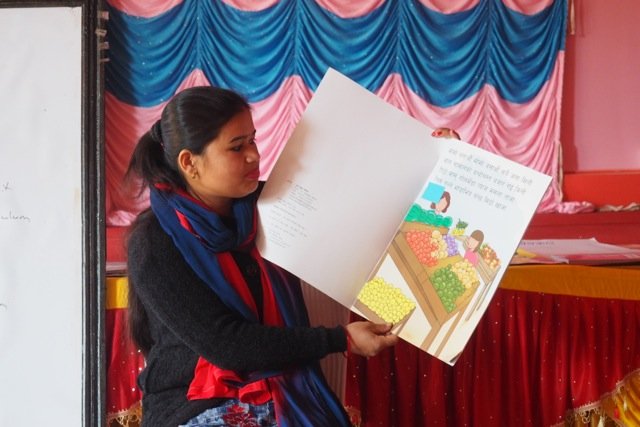
A major focus of our recent Kavre Literacy Initiative in Nepal has been using children’s books as part of literacy education.
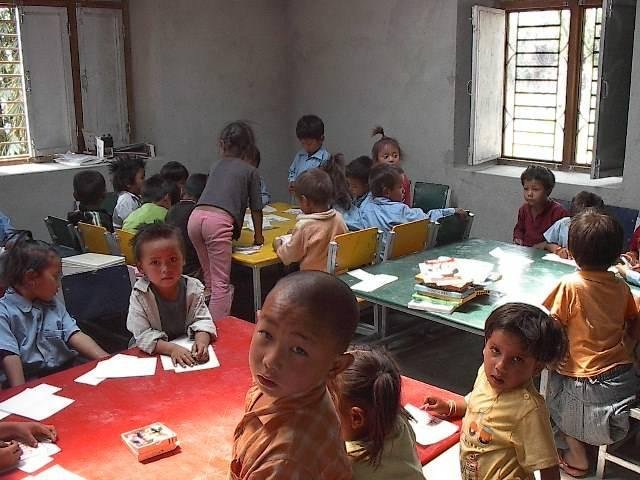
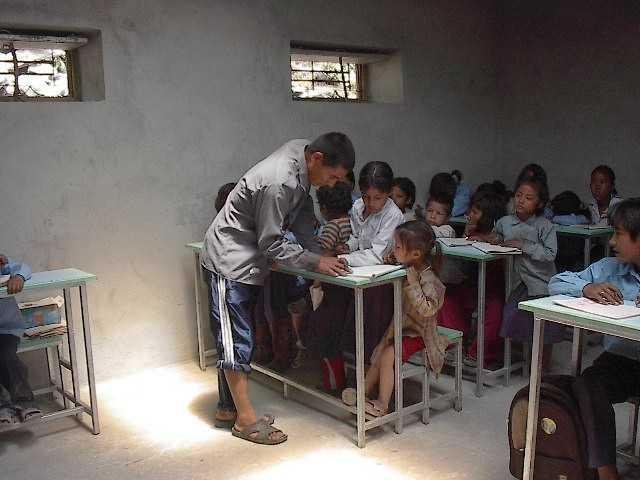
As part of earthquake relief efforts, international charities provided books to government schools all over the country and we have worked intensively with six of those schools to maximize the use and effectiveness of those books. We provided 30 classrooms with book corner materials and offered intensive training to parents, teachers and administrators on the importance of reading aloud and allowing children to use and interact with “real” literature.
However, as any librarian will attest, books don’t last forever, especially if they are well-used and well-loved by the children for whom they are intended. If our work is to be sustainable, it is critical that schools provide funds in their annual budgets for the replacement of worn-out books and the purchase of new titles as they become available.
Yet none of the schools with whom we have been working have allowed for such budget allocations. They are working with donated literacy materials and presumably when these materials are used up—as will inevitably happen—they will not be replaced. The work we have begun will be discontinued.
Together with our local Nepali partner organization, we are taking two steps to address this problem. First, we have led training participants through a workshop designed to give them the tools to order new books, providing them with catalogs from three major Kathmandu-based publishers and working with sample order sheets to practice thinking about the process and costs involved in regenerating their supply of literature.
Additionally, we have offered each school a matching grant of $50 to provide an incentive. School leaders have never needed to budget for children’s literature before and it is not easy to find reserves when current operational costs take up all existing funds.
We believe that children’s literature is a necessity, not a luxury, for these schools and for their students. We will continue to work with head teachers, principals and at the district-level to provide for continued provision of school and classroom libraries.
Project reports on GlobalGiving are posted directly to globalgiving.org by Project Leaders as they are completed, generally every 3-4 months. To protect the integrity of these documents, GlobalGiving does not alter them; therefore you may find some language or formatting issues.
If you donate to this project or have donated to this project, you can receive an email when this project posts a report. You can also subscribe for reports without donating.