By Bijaya Shiwakoti | program director
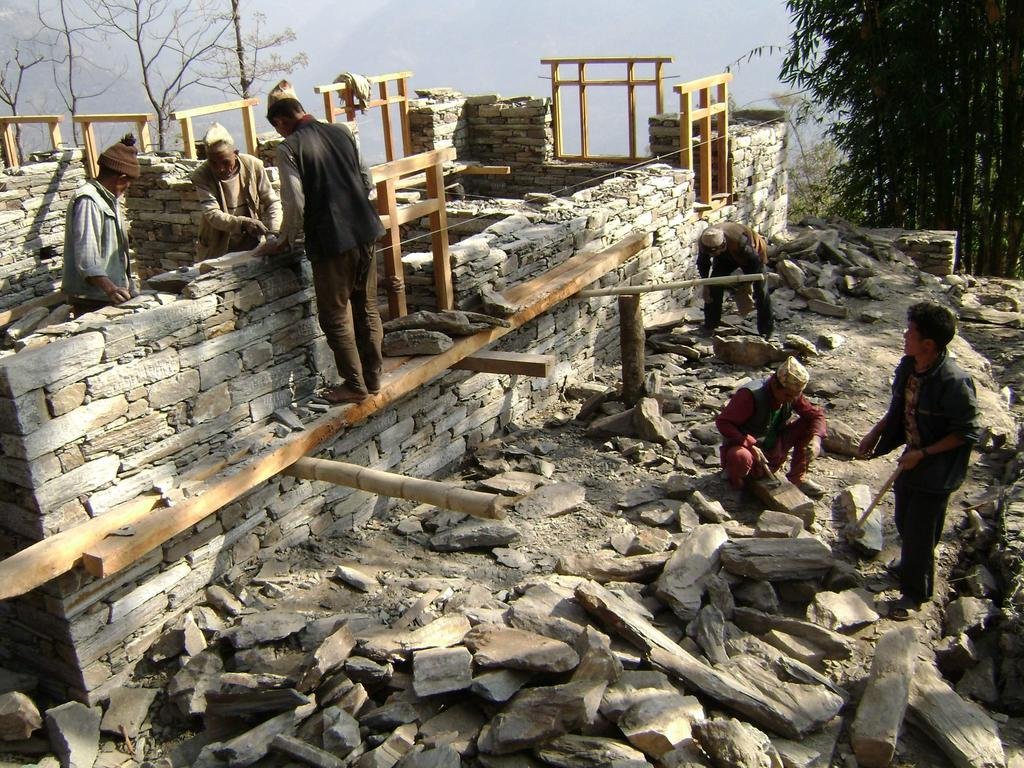
On the morning of September 15, our staff members set out for the northeastern part of Kathmandu district, around 35 kilometers (22 miles) away from the city center. It was one of the areas of Kathmandu district that suffered the most earthquake damage last spring.
The scenery of the countryside as we crossed Sankhu, an ancient Newari town, was mesmerizing. The journey was mostly smooth as the road was blacktopped. At two places, the road was not in a very good condition due to the monsoon rains. Once, we had to get off the jeep and push it – a ritual that our staff are too familiar with these days.
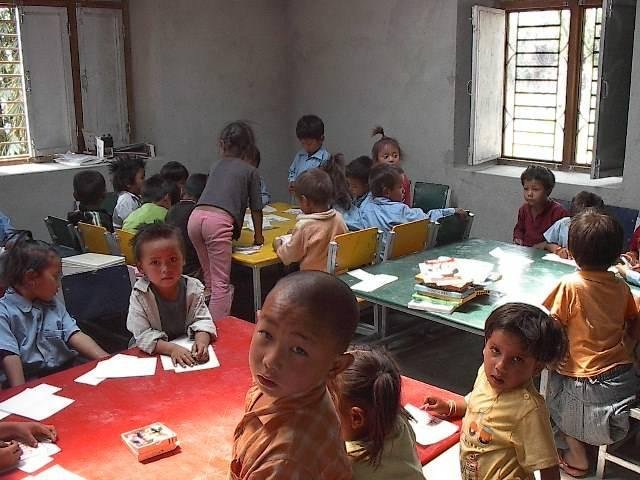
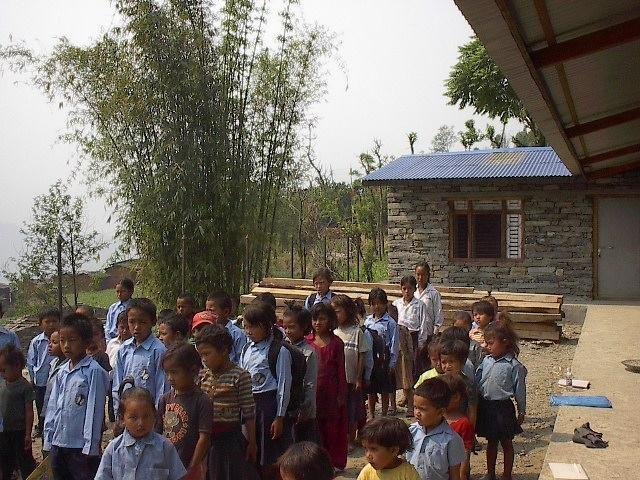
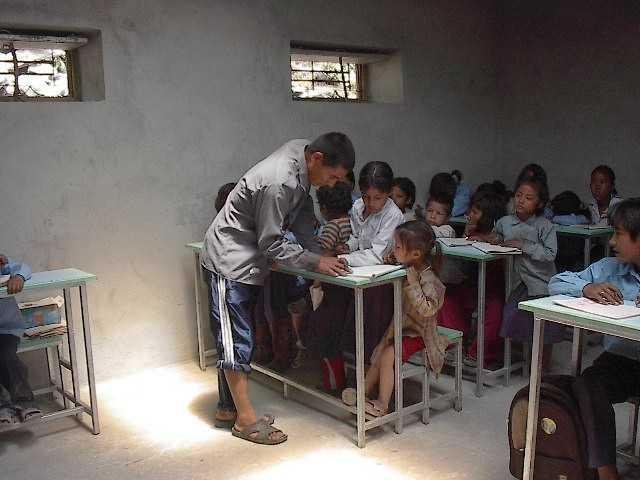
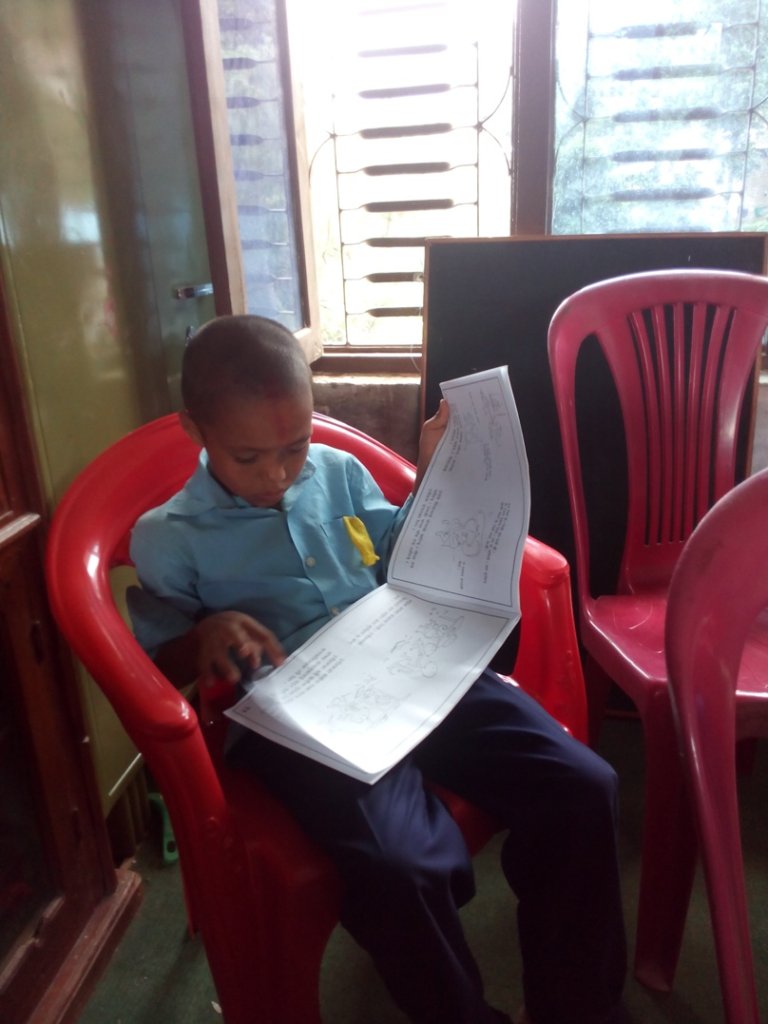
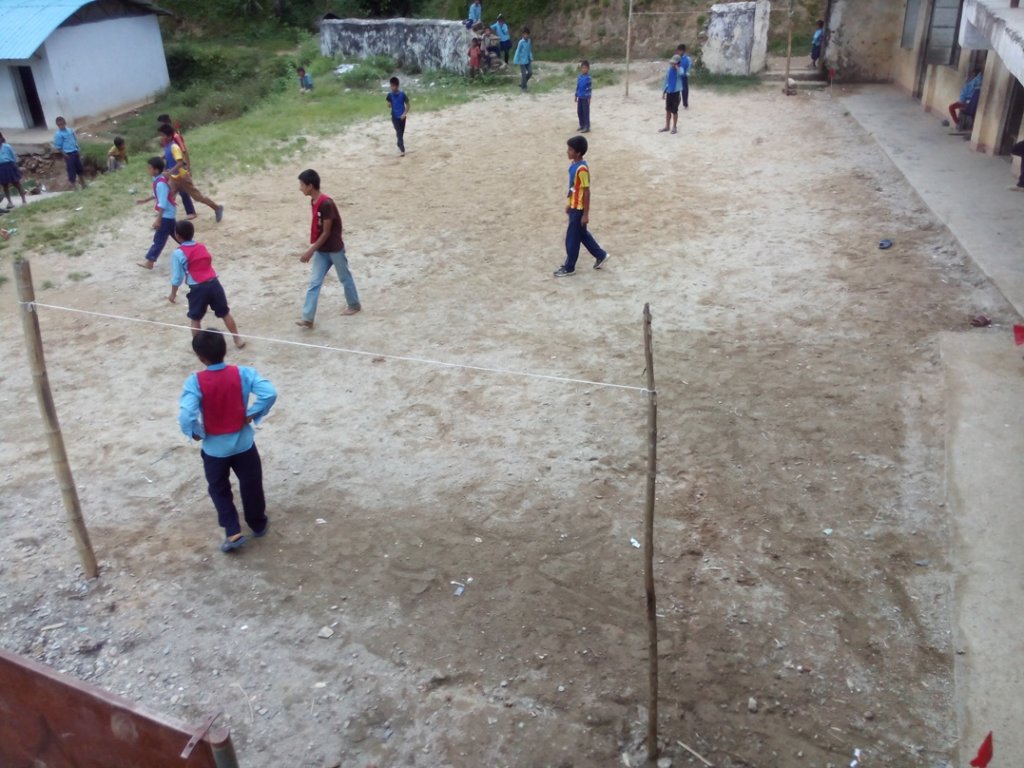
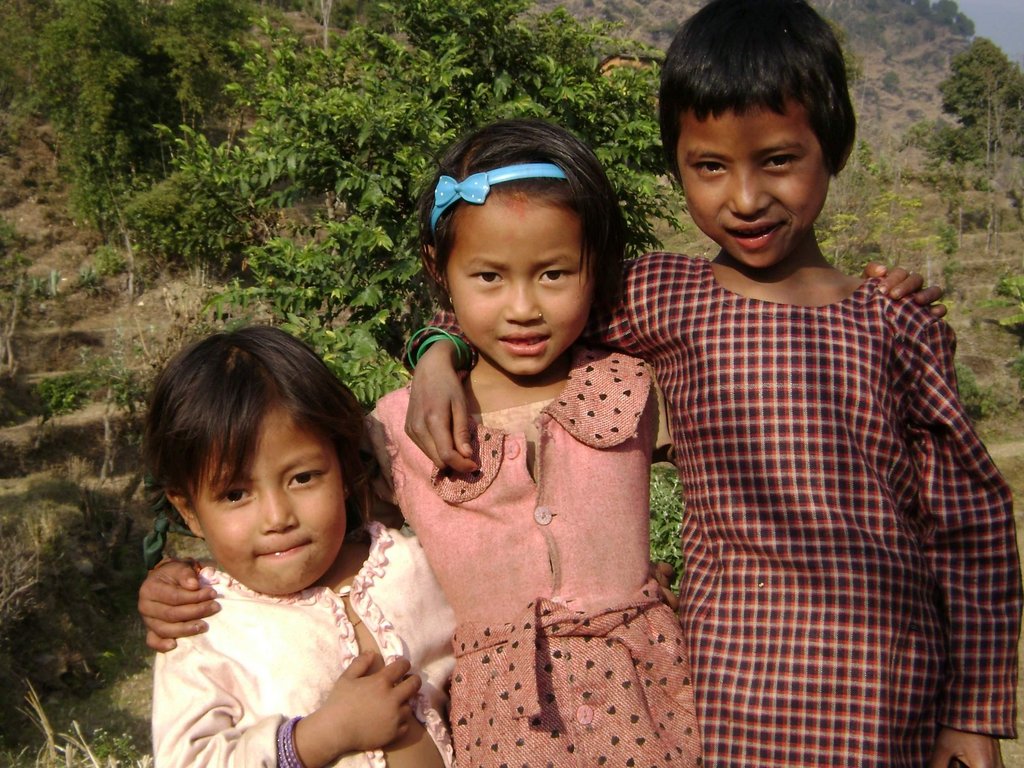
That day was Children’s Day in Nepal and all the kids were busy getting involved in one of the extra-curricular activities that were being organized at Bal Jyoti Lower Secondary School, which runs classes from nursery to grade eight. One student came inside the office and picked up a book we had brought about earthquakes. He seemed to enjoy reading it. Like many children, he still has many questions on his mind about earthquakes.
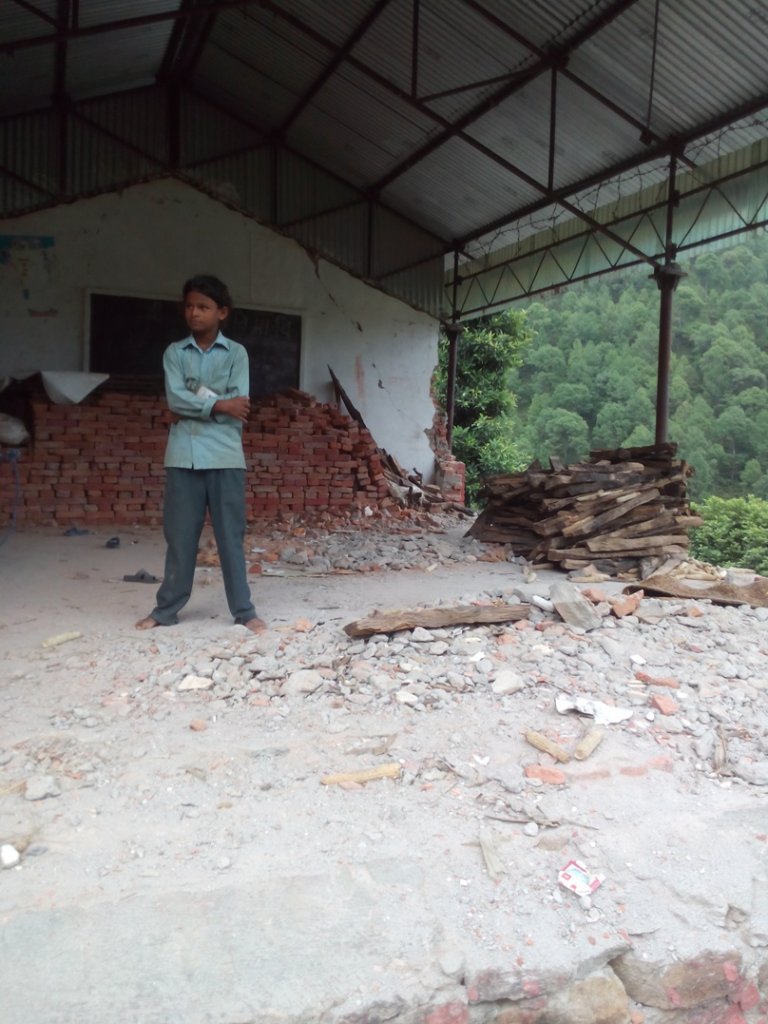
We inspected the damaged school building at Bal Jyoti and the teachers briefed our team about how the school and the community coped in the aftermath of the earthquakes. We also discussed various components of our reconstruction work. We also visited two other schools that day that had been damaged by the earthquakes.
A few days later, we were able to sign an agreement with the Department of Education, the government agency that is responsible for coordinating school reconstruction after the earthquakes, to repair nine schools. We are preparing to sign a second agreement for six additional schools, for a total of 15.
We are also in the process of getting the designs for the construction approved by the engineering section of the Department of Education. After this step, we will sign individual agreements with each of the 15 beneficiary schools and coordinate with other government agencies to get their approvals. We hope that actual construction work will begin in November.
Project reports on GlobalGiving are posted directly to globalgiving.org by Project Leaders as they are completed, generally every 3-4 months. To protect the integrity of these documents, GlobalGiving does not alter them; therefore you may find some language or formatting issues.
If you donate to this project or have donated to this project, you can receive an email when this project posts a report. You can also subscribe for reports without donating.