By Niranjan Narsingh Khatri | executive director
Another wave of Covid-19 infections has swept across Nepal and neighboring India, leading the government in Kathmandu to issue a nationwide lockdown at the end of April.
The situation is dire. Hospitals and healthcare workers in Nepal are overwhelmed as the fragile public health system simply cannot keep up. Hospitals are running out of oxygen and beds for patients. Mass cremations of Covid-19 victims have become a common sight around Kathmandu.
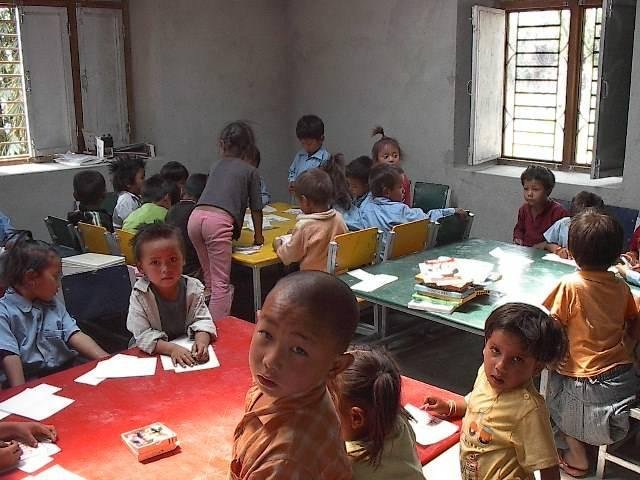
A similar spike in infections last fall had ebbed over the winter and many normal activities resumed. During that time, the staff of our implementing partner in Nepal maintained a busy pace. They were able to conduct several teacher training workshops and deliver the following materials to make classroom reading corners:
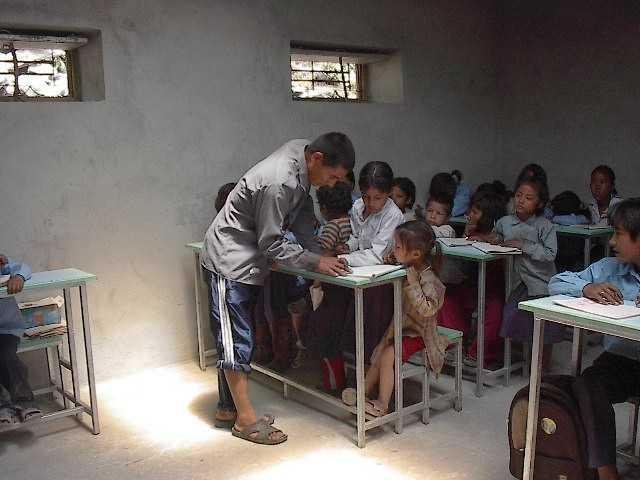
One training session focused on social studies as the core of every interaction between people and the environment. Participants visited a saw mill, a community forest and collaborated to make a group book about the trips.
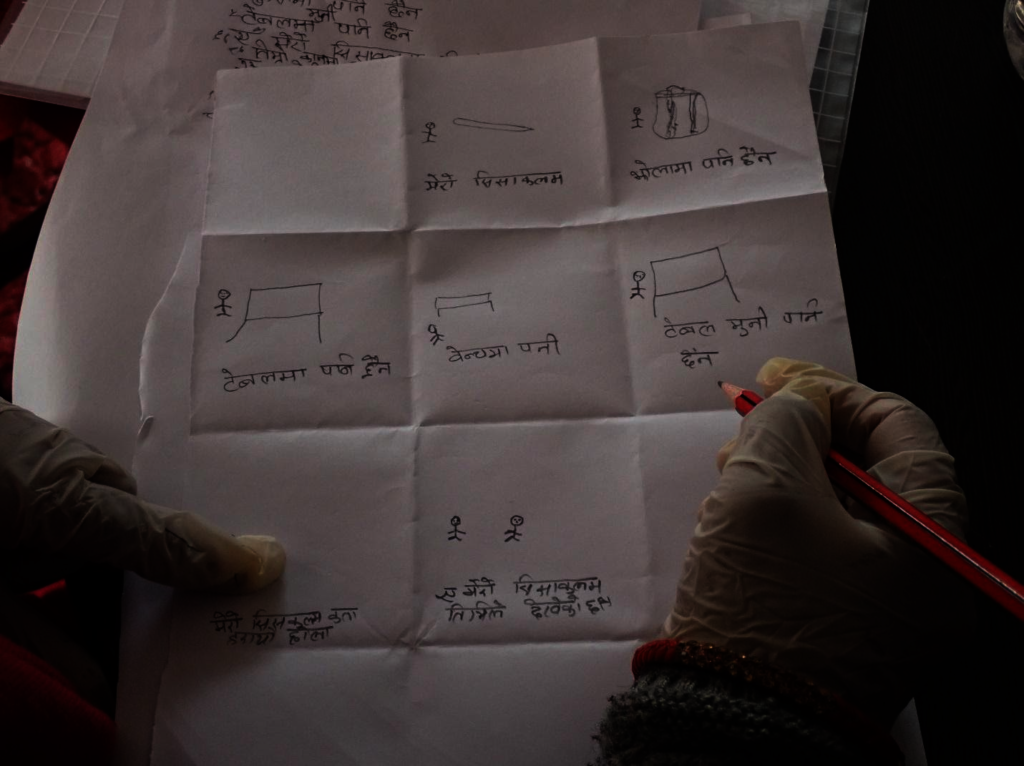
The second session, with a different group of teachers, was our read-aloud training. The group discussed what makes a good children's book, practiced writing and storyboard techniques, and reviewed research on the benefits of children’s literature as a way to develop literacy skills.
Before the most recent lockdown began, we contacted all of our school principals to make sure they encouraged their students to borrow books while schools are shut.
Over the long term, it's possible that the virus will continue to circulate in Nepal and the surrounding region. With low rates of vaccination and inadequate supply without international assistance for the remaining 28 million Nepalis who've not had a shot, schools may only be able to open sporadically over the next few years.
We have great admiration for the resilience of our staff, the rural communities where we work and all of the people of Nepal as they cope with this latest surge of the coronavirus. We remain grateful for the support of donors like you, who make our work possible. Thank you!
Project reports on GlobalGiving are posted directly to globalgiving.org by Project Leaders as they are completed, generally every 3-4 months. To protect the integrity of these documents, GlobalGiving does not alter them; therefore you may find some language or formatting issues.
If you donate to this project or have donated to this project, you can receive an email when this project posts a report. You can also subscribe for reports without donating.