By Beth Norford | board member
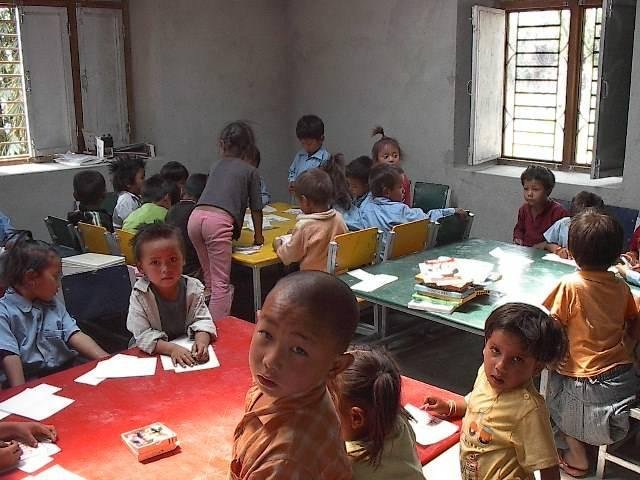
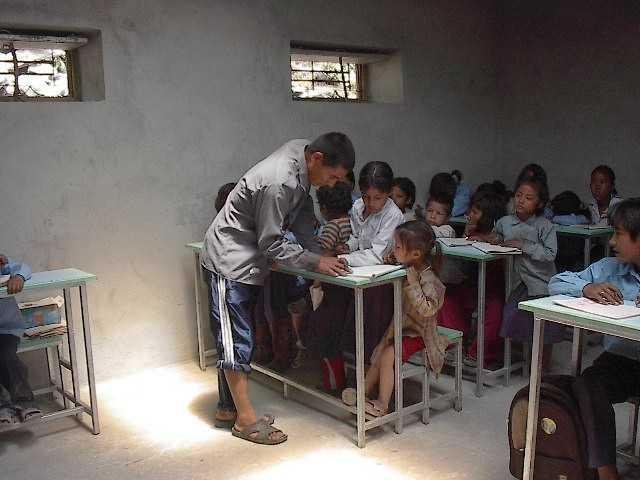
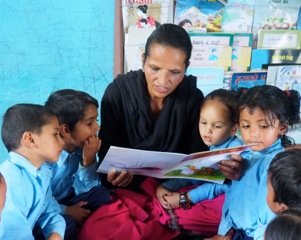
As part of our training program encouraging teachers to read aloud to their students, recently we conducted a workshop on how to manage a library and establish routines to allow students to borrow books to take home.
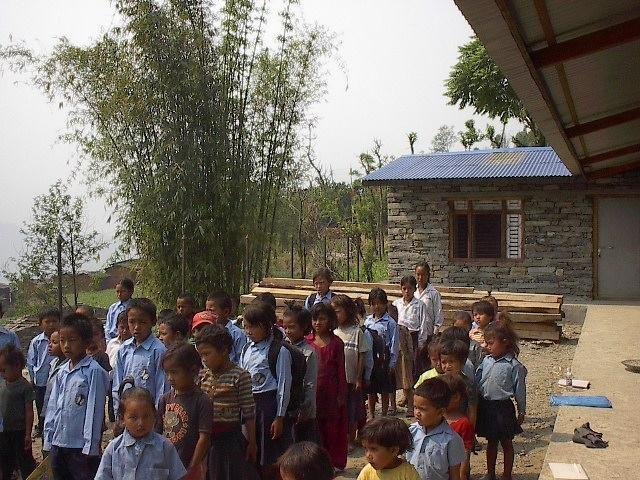
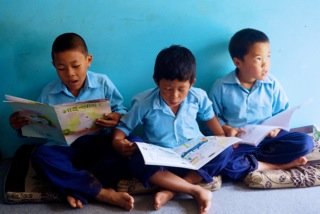
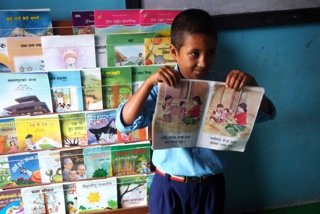
Although this sounds like a basic function of any elementary school in the West, a lending library is rare in rural Nepal. Typically, books are locked up in a glass case in the principal's office and children rarely have access to them.
During our training, teachers learned about the library system of recording, managing and sending books home with students. The participants were assigned the task of arranging and organizing books, preparing checkout cards, and creating a recording system for borrowing and returning the books.
Participants in groups were asked to set library rules in pairs and shared their findings with their peers. Then, they brainstormed ideas for making a poster and educating students on ways to preserve and effectively use library books. The poster was shared with the entire group, which many teachers saw as a great learning opportunity.
During the training, teachers were able to visit an actual school library and observe children choosing books, showing their library cards and the librarian keeping a record of the borrowed book. Training participants did the same. They practiced checking out books using a library card. They also discussed setting aside time to schedule a library period during the day.
Our goal is to improve child literacy and the awareness of Nepali children’s literature by teachers and their students. We hope to achieve that by providing funds for schools to buy books and surveying the schools that participated in the training.
Project reports on GlobalGiving are posted directly to globalgiving.org by Project Leaders as they are completed, generally every 3-4 months. To protect the integrity of these documents, GlobalGiving does not alter them; therefore you may find some language or formatting issues.
If you donate to this project or have donated to this project, you can receive an email when this project posts a report. You can also subscribe for reports without donating.