By Deanna Boulard | Project Contributor
Background
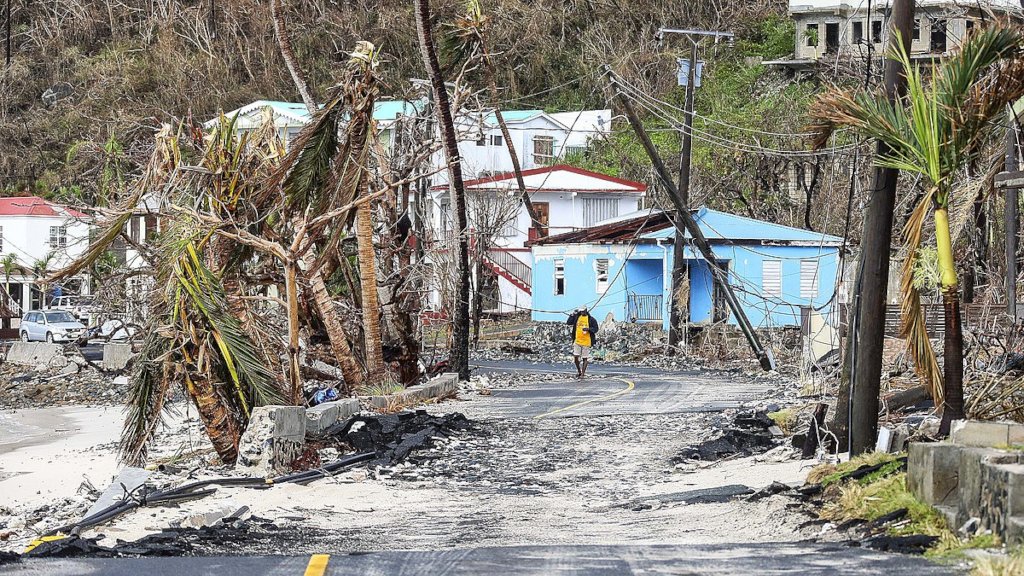
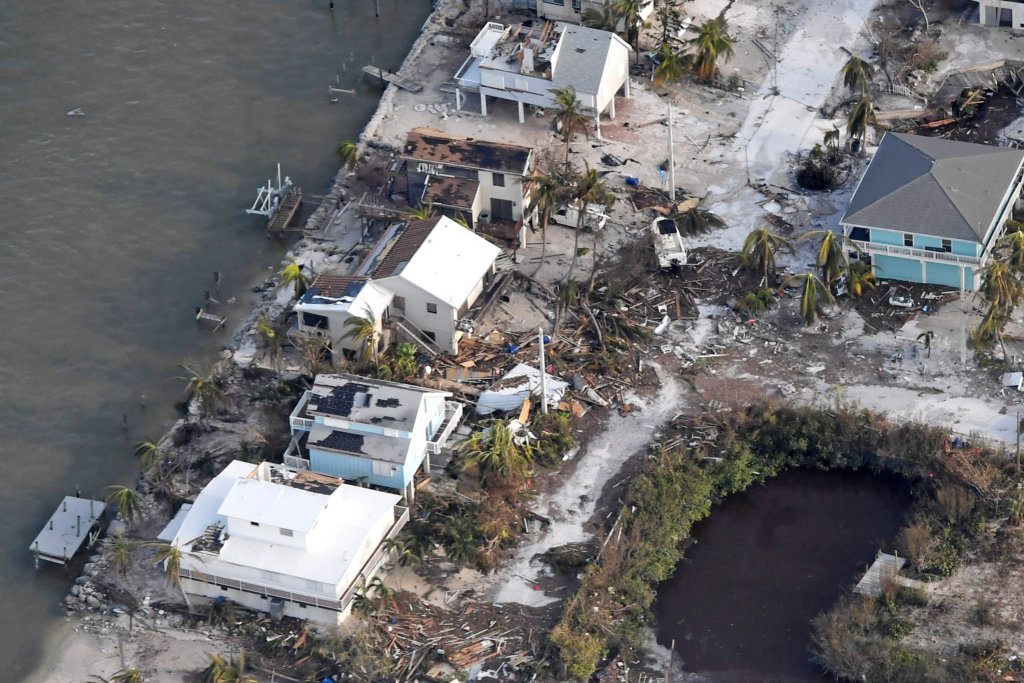
Category 5 Hurricane Irma devastated communities across the Caribbean and southern United States with sustained wind speeds of up to 185 mph. Disasters such as Hurricane Irma devastate young and old, partners and families, immigrants, refugees, and native residents alike. These people have lost their homes and businesses or are first responders who experience their own trauma. Real Medicine Foundation is working to expand our Hurricane Harvey response to communities affected by Hurricane Irma. Services include counseling and psychosocial support.
RMF’s Presence
Real Medicine Foundation is an international NGO with an excellent track record in psychological trauma support. We believe that “real medicine” focuses on treating the person as a whole, providing medical/physical, emotional, social, and economic support. To care for victims of Hurricane Harvey, we have collaborated with Organizational Resilience International (a partner since Hurricane Katrina) to implement a 3-phase psychological support project for Hurricane Harvey victims in the Houston area.
Since December 2017, our team has been speaking with clergy members from across the Greater Houston area to identify and assess their needs regarding how to support both church and community members in the wake of the September disaster. From January to February 2018, we provided over 70 clergy members and lay leaders with training designed to assist in understanding the impact of traumatic events and to promote the identification of strategies for self-care among caregivers. These clergy members and lay leaders are now passing their learning on to their congregations and communities through sermons, individual pastoral counseling, and ministry, thereby broadening the program’s overall impact to thousands of people.
Situation Update
Over a year after Hurricane Irma caused widespread destruction in the Caribbean and southern United States, significant progress has been made in recovery efforts. On September 10, 2018, Miami’s NBC 6 reported that tourism in the Florida Keys, the US mainland’s most severely affected area, was recovering well, with over 90% of lodging facilities reopened and the rest scheduled to reopen before Christmas. Tourists are also returning to the US and British Virgin Islands, with The New York Times observing in a September 24, 2018 article that on Tortola, “Roads are clear of debris. Coastlines are clean…. Disney Cruise Line returned earlier this month and Norwegian Cruise Line is expected to follow later this year.”
Although international news sources have offered little coverage of Hurricane Irma recovery since the one-year anniversary passed in September of this year, local news sources, particularly in the British Virgin Islands, indicate that recovery is far from complete in some areas. The Island Sun covered a December 6, 2018 panel discussion in the capital city of Road Town, during which clinical psychologist Dr. Michael Turnbull described ongoing effects of the stress caused by hurricanes Irma and Maria. Dr. Turnbull stated that “we partnered with the Ministry of Education and we had about ten volunteers here. We treated over 1,500 children and of those children over 500 had a diagnosable mental disorder.” He also cited the Pan American Health Organization (PAHO), asserting that depression has increased among youth in the area, growing over sixty percent among girls and over forty percent among boys. Meanwhile, Virgin Islands Platinum News spoke with residents of Hope Hill and Carrot Bay, Tortola in a December 23, 2018 article, reflecting on the fact that another holiday season has arrived and their homes are not yet repaired. Community member Lucinda Tom stated, “Up to now, we don’t feel comfortable… this is the second Christmas and the roof is not on.” She and other community members cited lack of insurance and sufficient funds, which have prevented them from repairing their houses.
While communities are still recovering from the physical effects of Hurricane Irma, the psychological effects of the disaster are often overlooked. Whether families stay in their damaged homes or relocate, feelings of anxiety, depression, or disorientation often persist. Real Medicine Foundation hopes to address this psychological trauma by expanding our Hurricane Harvey response to communities affected by Hurricane Irma.
Project reports on GlobalGiving are posted directly to globalgiving.org by Project Leaders as they are completed, generally every 3-4 months. To protect the integrity of these documents, GlobalGiving does not alter them; therefore you may find some language or formatting issues.
If you donate to this project or have donated to this project, you can receive an email when this project posts a report. You can also subscribe for reports without donating.