By N'Deane Helajzen | Project Leader
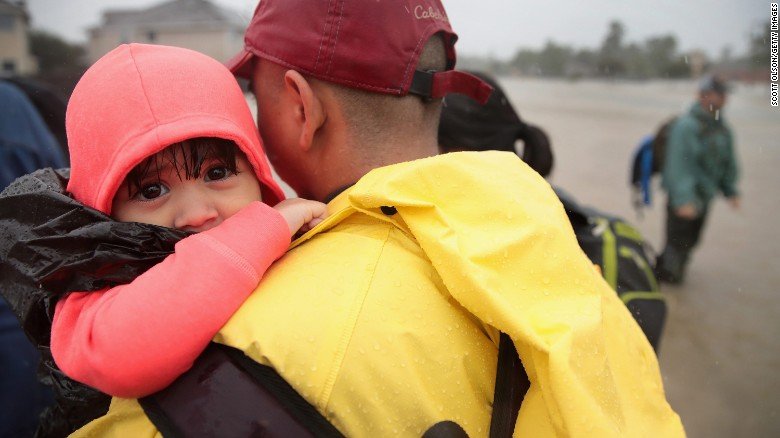
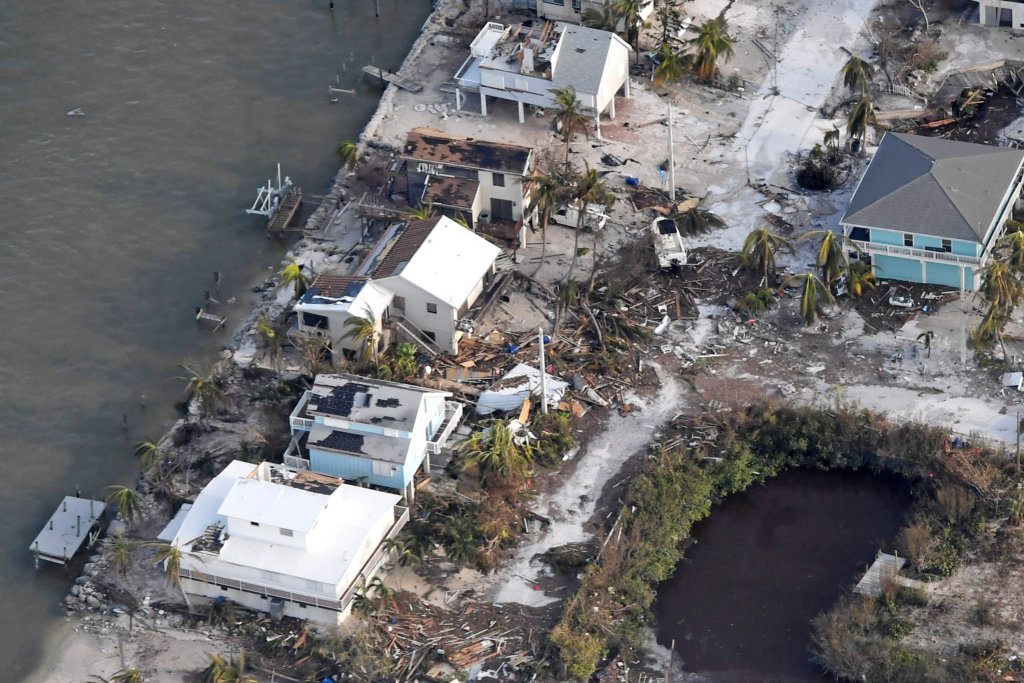
Category 5 Hurricane Irma devastated communities across the Caribbean and southern United States with sustained wind speeds of up to 185 mph. The destruction, flooding, and chaos of a hurricane can leave communities extremely vulnerable to injury, family separation, and water-borne diseases.
Survivors of disasters like Hurricane Irma include everyone in the community and region, all in the wake of the storm. They are infants and children, adults young and old, partners and families, immigrants and refugees, and native-born residents. They are people who have lost their homes and businesses, as well as those who are providing help, even as they experience their own trauma.
For many, the fear, trauma, and loss experienced during Hurricane Irma will result in emotional scars that may last for years to come. Long after the water has receded and homes have been rebuilt, the stress and anxiety that accompany disasters of this size and scope will remain. Research indicates that suicide rates, substance abuse, and violence frequently increase in the aftermath of community-wide disasters. Putting life back together in the form of a “new normal” is an emotionally overwhelming process. Our project focuses on communities in the affected area to help minimize the “disaster after the disaster” and get community members back on their feet.
Real Medicine Foundation is an international NGO with an excellent track record in psychological trauma support. We believe that “real medicine” focuses on treating the person as a whole, providing medical/physical, emotional, social, and economic support. To care for victims of Hurricane Irma, we are collaborating with Organizational Resilience International (a partner since Hurricane Katrina) to implement a 3-phase psychological support project for victims.
Current Situation
Nearly 4 months after the storm devastated Florida and parts of the Caribbean, the need for psychological support has become glaringly important. As with most natural disasters, the immediate needs of rescue, housing, food, and reuniting with loved ones dominate the early weeks following the impact. As these basic needs are increasingly met via short-term support from government and nonprofit aid agencies, the emotional impacts of such disasters begin to surface. The road back to stabilization will be years long for many in the region. For this reason, the timing of our psychological support team's efforts couldn't be better.
Beginning Implementation
In order to reach as many people as possible and to assure the delivery of services specifically designed and targeted for the recipients, we are working closely with representatives of the Christian Church in the Southwest (CCSW), an organization covering New Mexico, Texas, and parts of Oklahoma. The RMF team has begun providing consultations to ministers across the affected areas damaged by Hurricane Harvey, and will be offering several trainings to ministers and religious leaders from around the impacted area over the coming months. The trainings are designed to help leaders recognize some of the long-term impacts of traumatic events and to offer resources and tools so they can better support their community members. Additionally, we will be available to provide support and resources to community members and leaders during our multiple visits to the area. We will provide these services in English and Spanish in order to help address the needs of many predominantly Spanish-speaking congregations. Once this work has been facilitated in Houston we will move South to Florida.
By working with ministers, community leaders, and community members in this way, providing them with support and additional training to help others, RMF will multiply the effect of our psychological support project and help strengthen whole communities.
Project reports on GlobalGiving are posted directly to globalgiving.org by Project Leaders as they are completed, generally every 3-4 months. To protect the integrity of these documents, GlobalGiving does not alter them; therefore you may find some language or formatting issues.
If you donate to this project or have donated to this project, you can receive an email when this project posts a report. You can also subscribe for reports without donating.