By Deanna Boulard | Project Contributor
Background
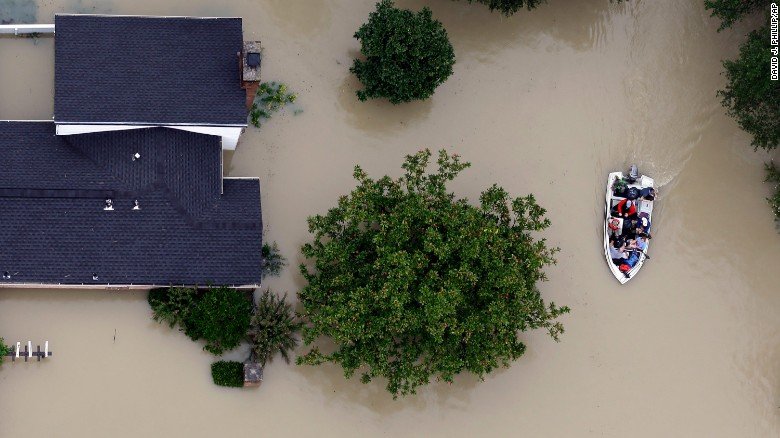
Category 4 Hurricane Harvey hit the coast of Texas on Friday, August 25, 2017. By Wednesday, some areas had received over 47 inches of rain and flooding, and by Thursday, August 31, 2017, the storm had killed at least 44 people and damaged or destroyed 48,700 homes. 350,000 people, many uninsured, have registered for disaster assistance.
For many survivors, the fear, trauma, and loss experienced during Hurricane Harvey will result in emotional scars that may last for years to come. Long after the water has receded and homes have been rebuilt, the stress and anxiety that accompany disasters of this size and scope will remain. Research indicates that suicide rates, substance abuse, and violence frequently increase in the aftermath of community-wide disasters. Putting life back together in the form of a “new normal” is an emotionally overwhelming process. Our project focuses on communities in the affected areas to help minimize the “disaster after the disaster” and get community members back on their feet.
RMF’s Presence
Real Medicine Foundation is an international NGO with an excellent track record in psychological trauma support. We believe that “real medicine” focuses on treating the person as a whole, providing medical/physical, emotional, social, and economic support. To care for victims of Hurricane Harvey, we are collaborating with Organizational Resilience International (a partner since Hurricane Katrina) to implement a 3-phase psychological support project for Hurricane Harvey victims in the Houston area.
Since December 2017, our team has been speaking with clergy members from across the Greater Houston area to identify and assess their needs regarding how to support both church and community members in the wake of the September disaster. From January to February 2018, we provided over 70 clergy members and lay leaders with training designed to assist in understanding the impact of traumatic events and to promote the identification of strategies for self-care among caregivers. These clergy members and lay leaders will now pass their learning on to their congregations and communities through sermons, individual pastoral counseling, and ministry, thereby broadening the program’s overall impact to thousands of people.
Situation Update
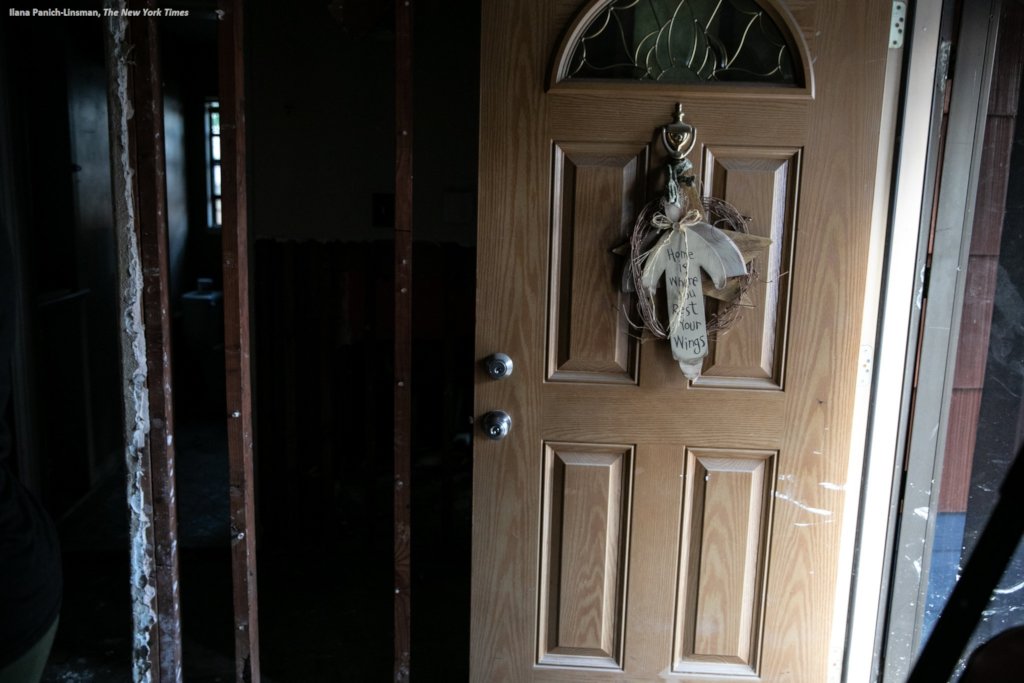
More than a year after Hurricane Harvey wreaked havoc in Texas and Louisiana, low-income communities are still struggling to recover. The New York Times observed in a September 3, 2018 article that although affluent neighborhoods rebounded and nearly 13 million cubic yards of debris have been removed in Houston and other Texas cities, in a recent survey, 50 percent of lower-income participants reported they weren’t receiving the help they needed. Monika Houston, a 42-year-old resident of Kashmere Gardens, a low-income, predominantly African American neighborhood in northeast Houston, is still living with family, friends, or in a trailer in front of her gutted house. Many others are living in similar conditions or experiencing health issues from moving back into their damaged houses where mold is growing. Although no agency has been tracking the number of people still displaced after Hurricane Harvey, the same article cites a community leader, Keith Downey, who “estimated that at least 1,500 Harvey victims in the area were not back in their homes.” The Atlantic followed Houston Mayor Sylvester Turner’s tour of the neighborhood to mark the anniversary of Hurricane Harvey, where he reassured community members that they had not been forgotten. However, in observing the mayor’s interactions with residents who still hadn’t been able to move back into their homes, this seemed a difficult message for them to believe.
While communities are still recovering from the physical effects of Hurricane Harvey, the psychological effects of the disaster are often overlooked. Whether families stay in their damaged homes or relocate, feelings of anxiety, depression, or disorientation often persist. 74-year-old Patricia Crawford, whose house is still being repaired, described her feelings to The New York Times: “Have you ever felt like you were just lost? Well, that’s the way I feel. I feel lost. My doctor told me that if I didn’t stop grieving, she was going to put me in the hospital. But I’m doing better.” Real Medicine Foundation hopes to hold additional counseling and training sessions for caregivers and community leaders in the Houston area, helping residents to navigate the psychological strain of long-term disaster recovery.
Project reports on GlobalGiving are posted directly to globalgiving.org by Project Leaders as they are completed, generally every 3-4 months. To protect the integrity of these documents, GlobalGiving does not alter them; therefore you may find some language or formatting issues.
If you donate to this project or have donated to this project, you can receive an email when this project posts a report. You can also subscribe for reports without donating.