By Bernadette Martin | Engagement Manager
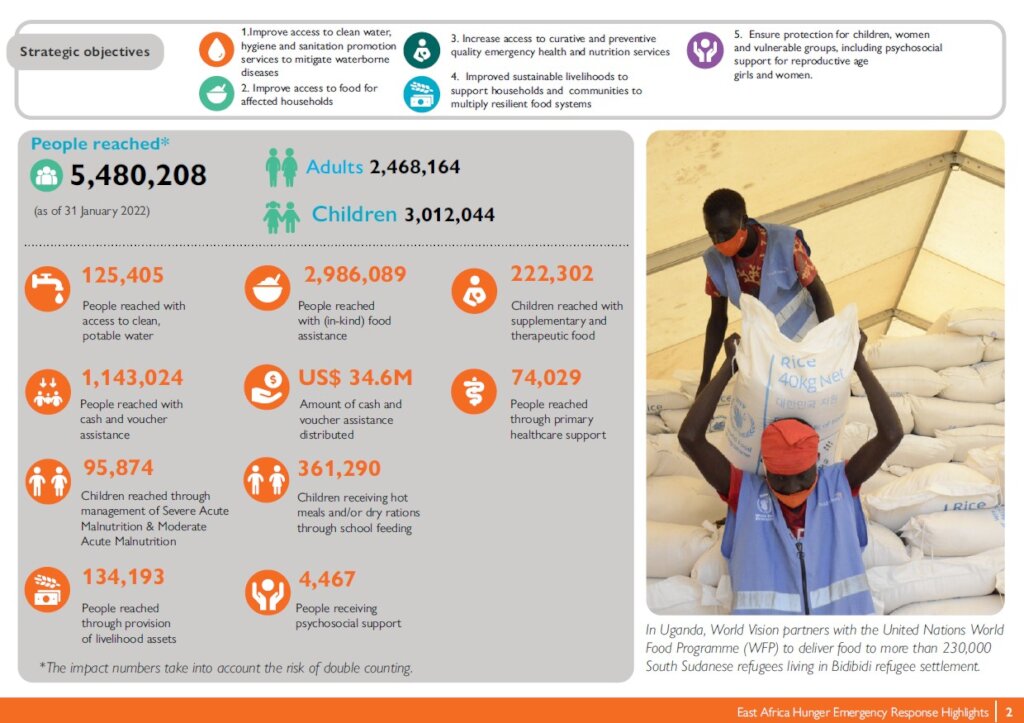
World Vision is working in six East African countries that are wrestling with prolonged conflict, locust infestation, natural disasters, and COVID-19. These circumstances—coupled with rising food prices—have left nearly 8 million people facing a hunger crisis.
World Vision is responding with interventions to:
1.Improve access to clean water, hygiene and sanitation promotion services to mitigate waterborne diseases
2. Improve access to food for affected households
3. Increase access to curative and preventive quality emergency health and nutrition services
4. Improved sustainable livelihoods to girls and women. support households and communities to multiply resilient food systems
5. Ensure protection for children, women and vulnerable groups, including psychosocial support for reproductive age
In 2021 World Vision reached over 5 million people with services, including 3 million children.
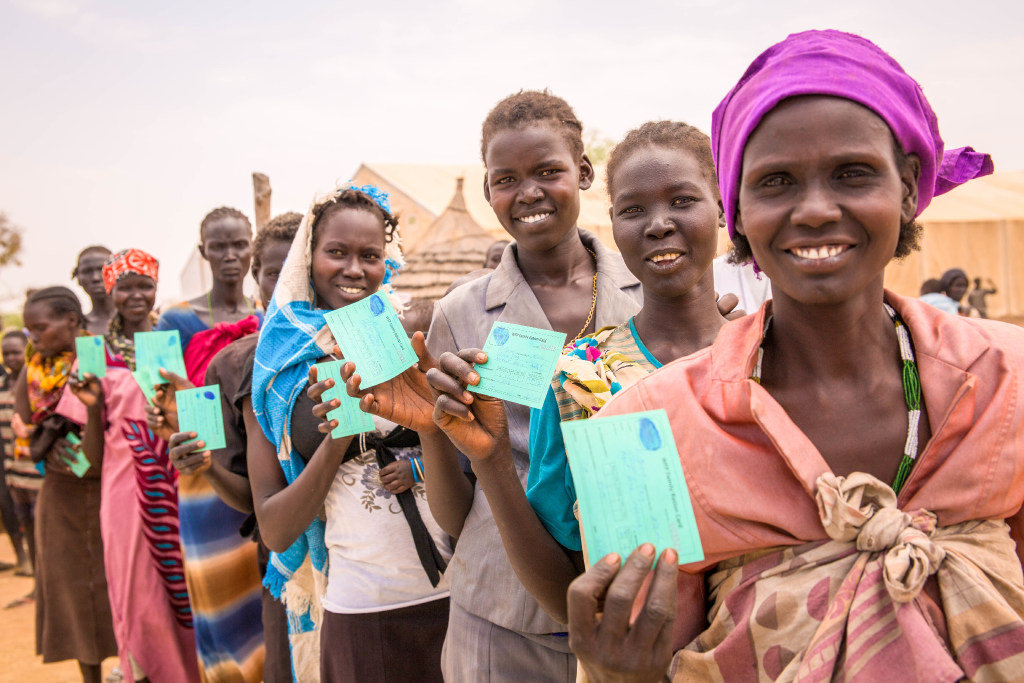
One of the six countries we are serving in this response is South Sudan. Our programs in South Sudan are the largest among our work with WFP, serving more than 1 million people. Once COVID-19 restrictions lifted, we re-engaged with local schools to begin feeding programs, providing healthy meals to many children who experienced hunger and could not easily access food outside of school.
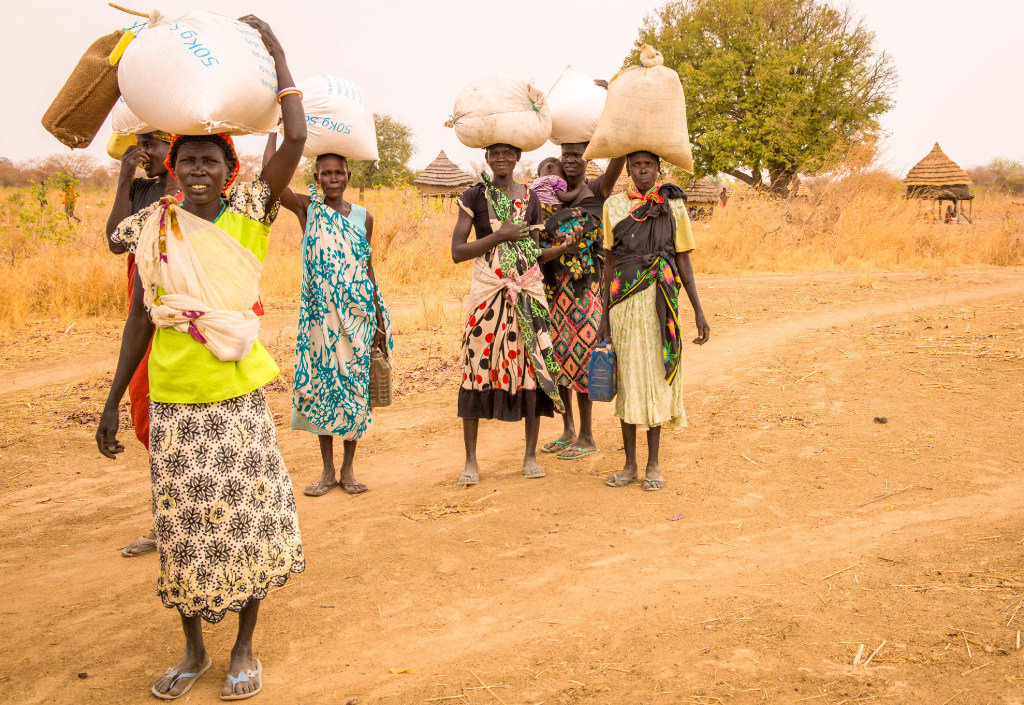
As World Food Program phased out programs in displacement camps within South Sudan to make room for greater government involvement, we shifted our resources to support food distributions in other areas throughout East Africa that were facing food shortages. This included expanding to areas within South Sudan where we previously hadn’t worked. The crisis levels of food shortages in that region were due to a confluence of factors, including natural disasters, political instability, and crop losses.
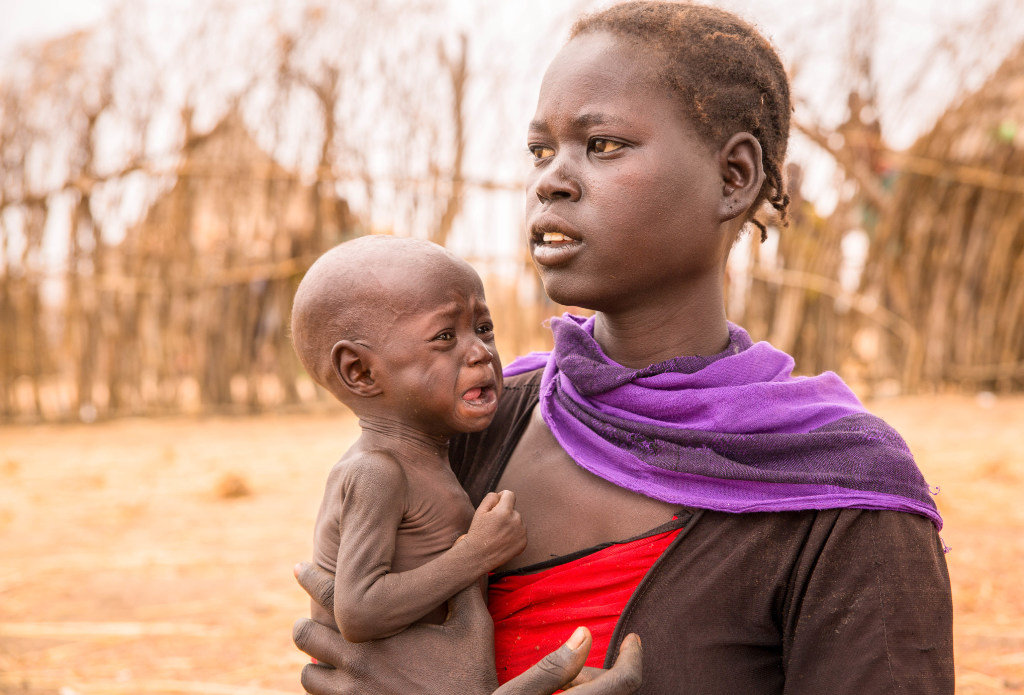
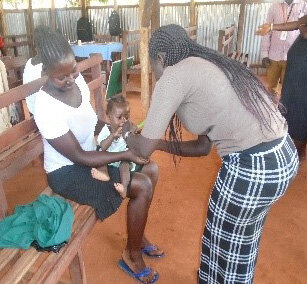
Photo caption: Through World Vision’s partnership with World Food Program in South Sudan, 6-month-old Ninagu received vitamins and food supplements after showing signs of malnutrition. World Vision also trained Ninagu’s parents on nutrition, hygiene, and sanitation, giving them tools to create a healthier home environment. After three months of being monitored and cared for, Ninagu is now well-fed and healthy.
East Africa is not alone in its hunger crisis warning. The world is facing its worst hunger crisis in modern times and other regions in the Partnership are also impacted. In Africa, the Middle East, Asia and Latin America, there are more than 45 million people at risk of starvation (in IPC4) or vulnerable to famine or famine-like conditions.
We are closing this GlobalGiving project and opening a new project called Global Hunger Response that will incorporate the East Africa countries along with these additional regions.
Project reports on GlobalGiving are posted directly to globalgiving.org by Project Leaders as they are completed, generally every 3-4 months. To protect the integrity of these documents, GlobalGiving does not alter them; therefore you may find some language or formatting issues.
If you donate to this project or have donated to this project, you can receive an email when this project posts a report. You can also subscribe for reports without donating.