By Bernadette Martin | Engagement Manager
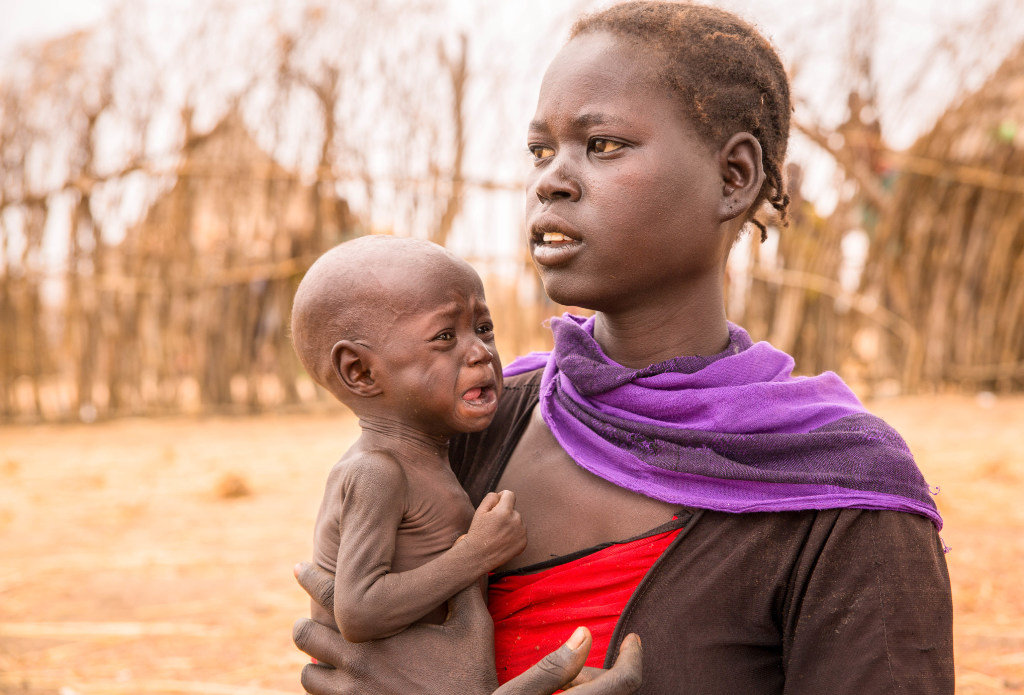
Across East Africa, almost 33 million people are nearing famine levels
Countries that were dealing with crises such as prolonged conflict, flooding, drought, and locust infestations prior to the COVID-19 pandemic are at the greatest risk of famine, if conditions worsen. In March, World Vision declared a Category III multi-country crisis, signaling the severity of the hunger crisis in Ethiopia, Kenya, Somalia, South Sudan, Sudan, and Uganda. People are facing starvation, critical acute malnutrition, and death. Rising food insecurity also increases the risks of gender-based violence and sexual exploitation among women and girls.
Some highlights of World Vision’s work in the East Africa region:
Meeting urgent needs in Tigray
The new conflict in Tigray, Ethiopia, has generated additional humanitarian needs and highlighted instability for the broader region. In response:
• World Vision gave 218 households iron sheets, wooden poles, nails, and tarps to build new shelters.
• We distributed cash transfers to help people buy construction materials and pay local carpenters to help build shelters.
Protecting families in South Sudan
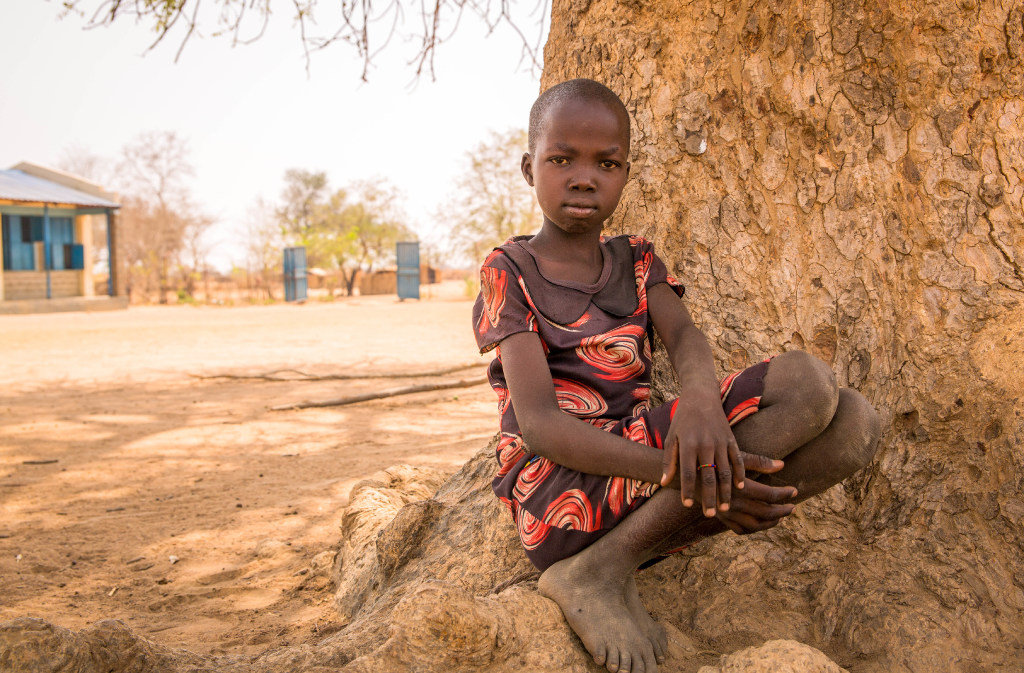
The impact of prolonged conflict and weak essential services have left 7.5 million people in need of humanitarian assistance. Nearly 4 million people remain displaced, and 6.4 million people do not have enough food, with the pandemic leading to increased hunger and loss of livelihoods. Our response included:
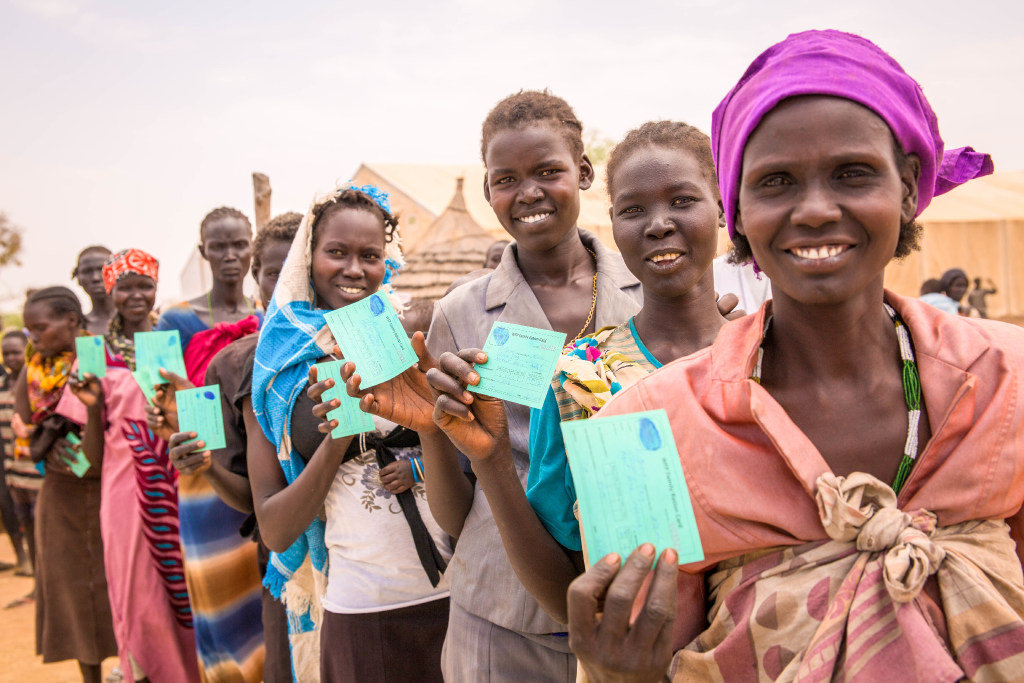
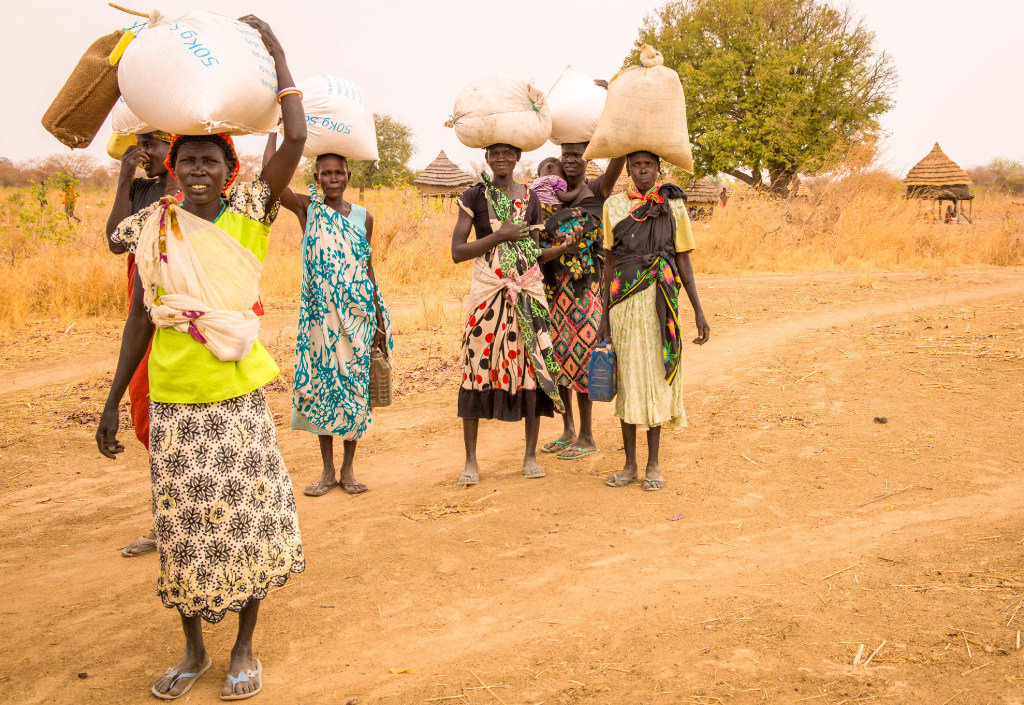
• Providing 967,347 people with food and cash assistance, as well as support to rebuild livelihoods
• Reaching nearly 115,000 people through child protection and gender-based violence awareness activities
• Providing more than 100,000 people with safe drinking water through water treatment plants
• Distributing school supplies and supporting local schools, reaching 19,167 children
Fighting locusts in East Africa
More than 957,000 people in Ethiopia, Kenya, Somalia, South Sudan, and Uganda have benefited from World Vision’s response to the locust infestation. Our work included the following:
• Training 740 committees of government staff and 1,054 community leaders in Ethiopia on locust-control methods
• Providing cash to households in Ethiopia and Somalia to help them recover their livelihoods
• Distributing tools, early maturing seeds, and seedlings to farmers in Kenya to increase food production
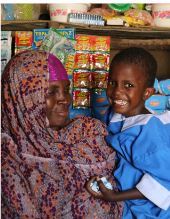
In 2020, a swarm of locusts in Kenya destroyed many people’s farms, including Amina (in photo with her daughter), whose crops are necessary to provide food and income for her family. Without the crops, Amina’s family went for days without food. World Vision stepped in by providing cash assistance and business training. Some recipients bought livestock, while others, like Amina, opened businesses and used some of the money to buy food and other essentials for their families.
Project reports on GlobalGiving are posted directly to globalgiving.org by Project Leaders as they are completed, generally every 3-4 months. To protect the integrity of these documents, GlobalGiving does not alter them; therefore you may find some language or formatting issues.
If you donate to this project or have donated to this project, you can receive an email when this project posts a report. You can also subscribe for reports without donating.