By Kebede Gizachew | Communications Manager
Over 624,000 IDPs and returnees receive emergency food aid to cushion the blow of COVID-19
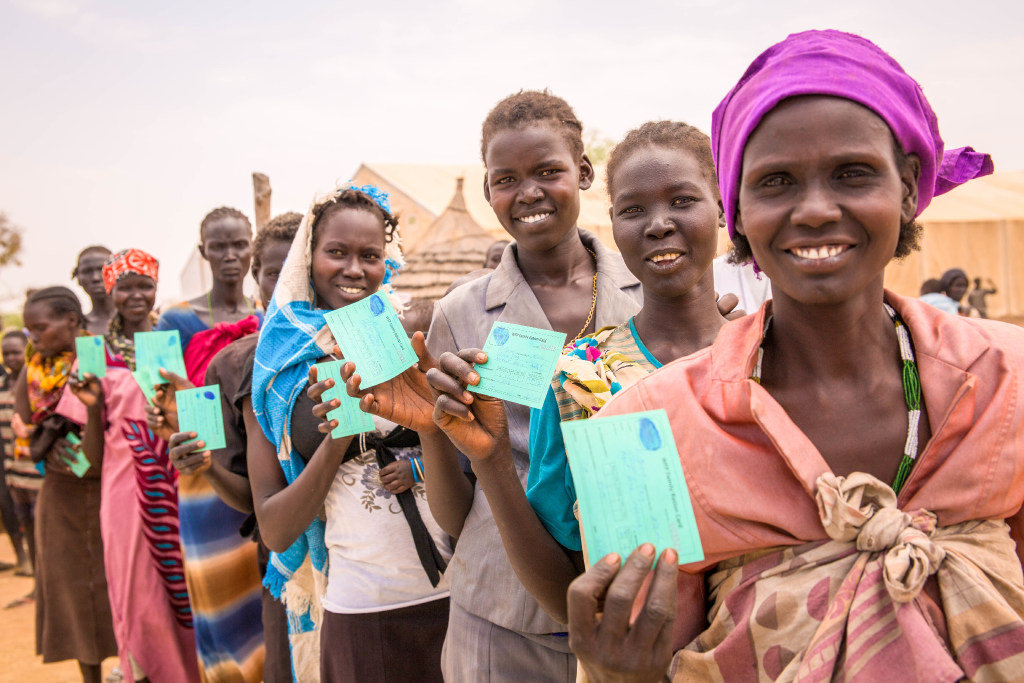
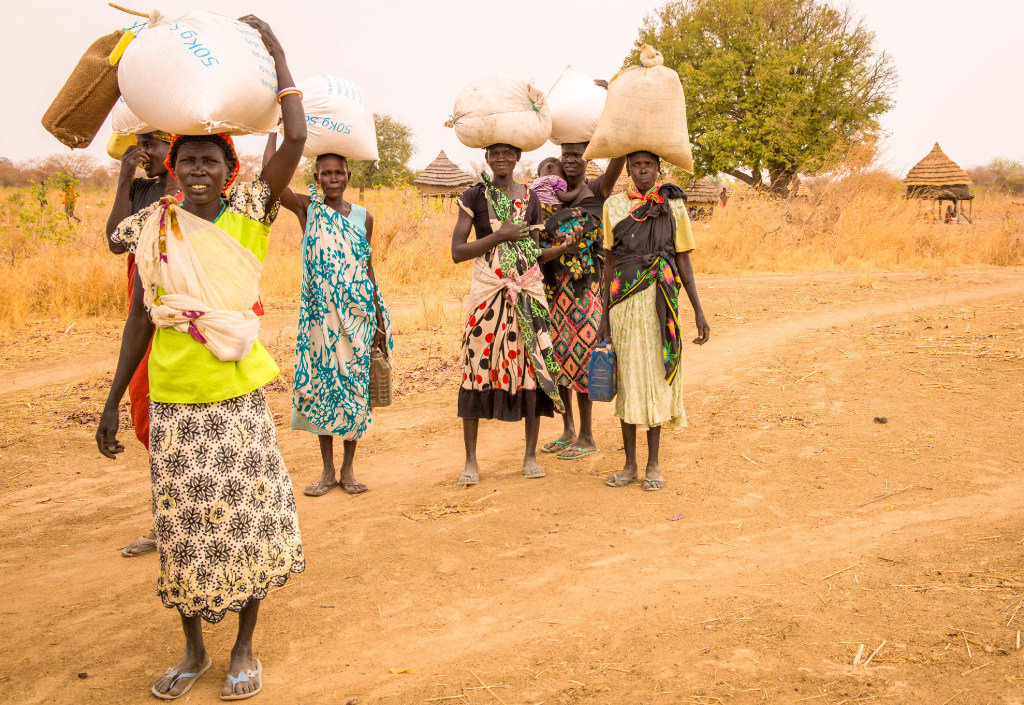
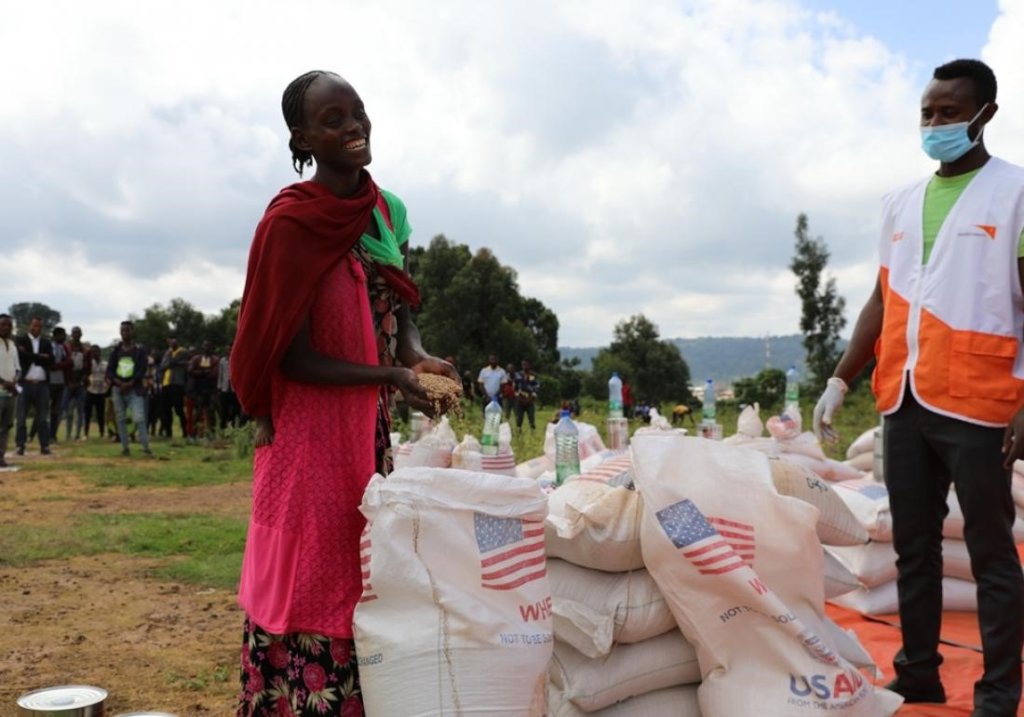
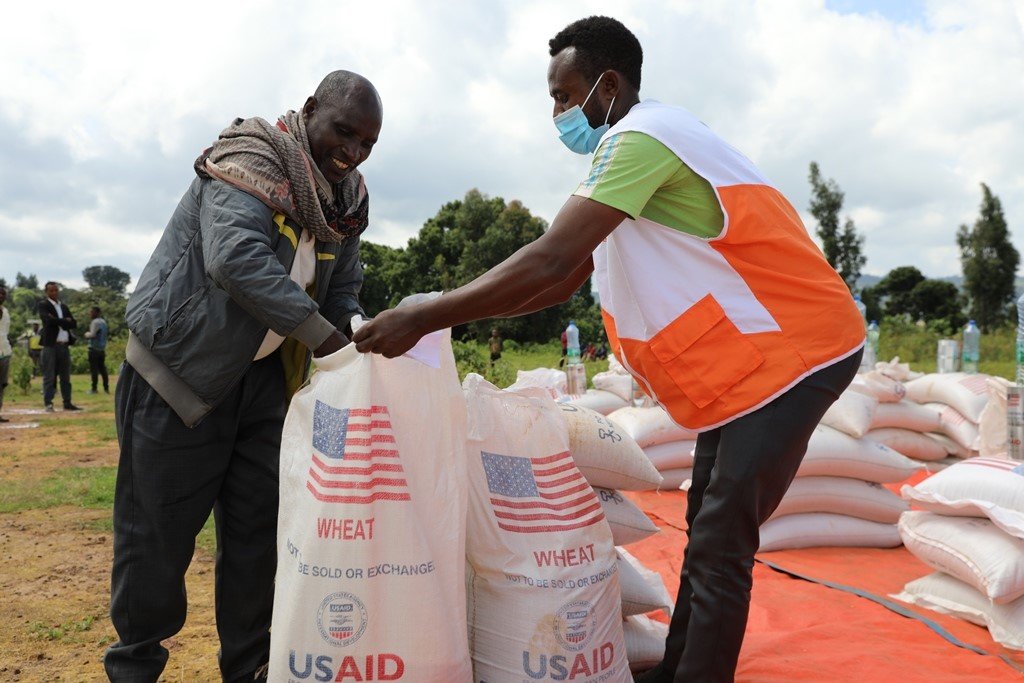
World Vision, in collaboration with USAID, has been providing food aid to 624,009 food-insecure households in Ethiopia, Gedeo-Guji IDPs, and returnees since 2018. Following the advent of COVID-19, World Vision effected a double rationing system with a view to limiting the spread of the virus by restricting people to stay at home.
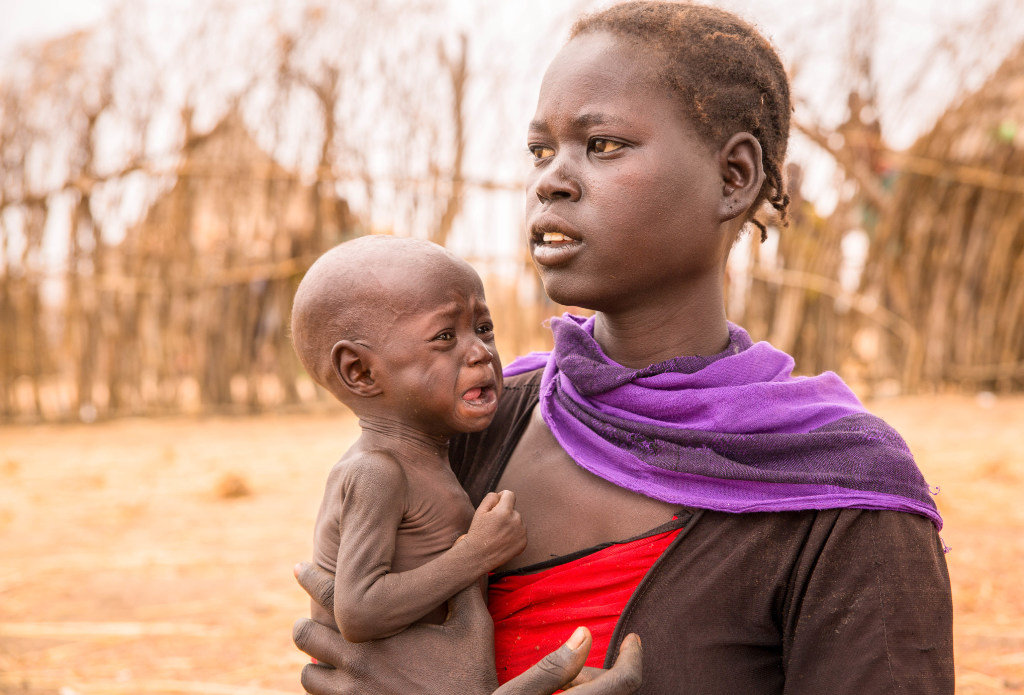
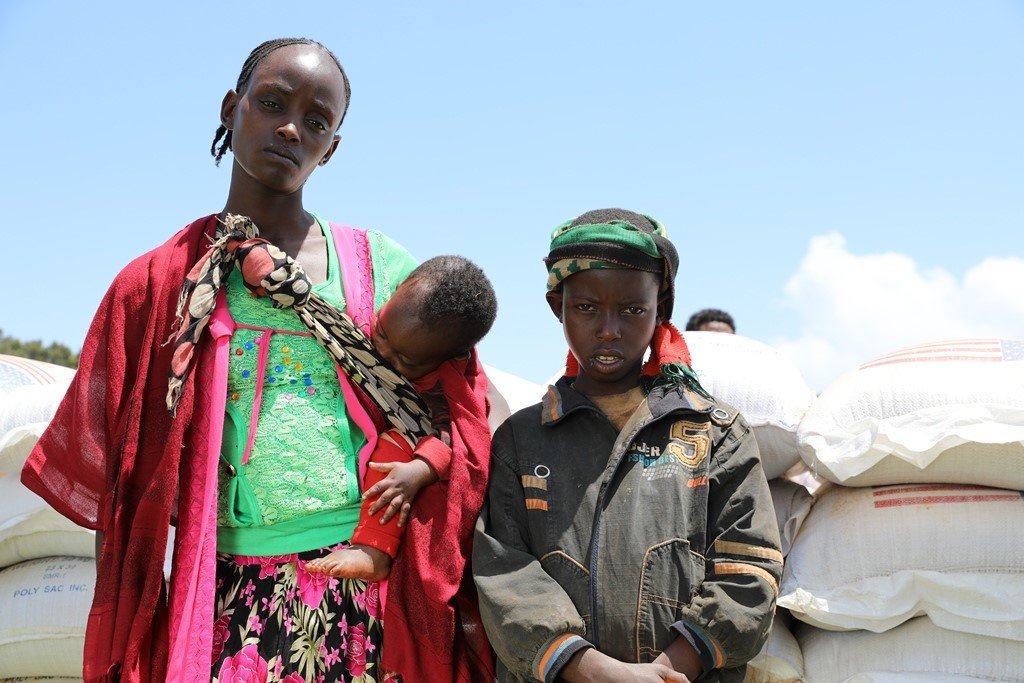
Abera, a 25-year-old a mother of five, is among the returnees. Her first-born child Yohannes (12), a grade 1 student dropped his education during displacement and could not continue as things turned from bad to worse. “I have nothing to feed, educate, and provide clothing to my children with. I don’t see any hope to my children as I have been an aid recipient since the displacement,” Abera tells of her concern.
The food aid, Abera obtains, is not sufficient to feed her children. “I get 90 kg wheat, 5 litres of cooking oil, and 10 kg pulse which doesn’t cover our monthly consumption,” she adds.
54-year-old Nigatu, a father of six is another returnee. He lost all his properties during the conflict and left destitute. Now food aid is the only means of living to his children and family until his farm yields. The advent of COVID-19 has worsened things for Nigatu and many low-income families across the country.
“The coming of the COVID-19 pandemic has brought an immense challenge on us, our family, children, and the entire community,” says Nigatu.
The densely populated Gedeo and Guji areas have remained food-insecure even under good harvest seasons. A case in point is Abaya District, where 38 percent of the total population is made up of food aid recipients.
Ashenafi is the Head of Abaya District Disaster Risk Management Office. He says a number of food insecurity aggravating incidents happened over the past few months including desert locust infestation, malaria and cholera outbreaks, and flooding. “Eight kebeles affected by desert locust infestation and now 500 households displaced due to recent flooding in a district where 55,980 people are food aid recipients,” he adds.
Preventive measures effected to contain the spread of COVID-19 further deteriorated the already weakened social and economic system across the country.
World Vision, in collaboration with the Ethiopia local government, faith leaders, and community members is providing humanitarian assistance to the most affected and vulnerable families.
“We are working in close collaboration with humanitarian agencies including GOAL and World Vision to help the most vulnerable social groups in Ethiopia through awareness-raising on preventive measures and provision of emergency lifesaving activities. Even though people are aware of the dangers of the virus, they are tempted not to apply measures, as most of our community are low income and lives on daily labor,” says Ashenafi.
Bogalech (38), a mother of 10, lives in Wonago District who lives on subsistence farming and petty trading to educate her children. “I do petty trade to feed and educate my children, but now everything is impossible. It is a very difficult time. Things are complicated for us. No movement; if you like to go out taking the risk, everything is costly. Transport costs are doubled. We are scared,” she describes the situation.
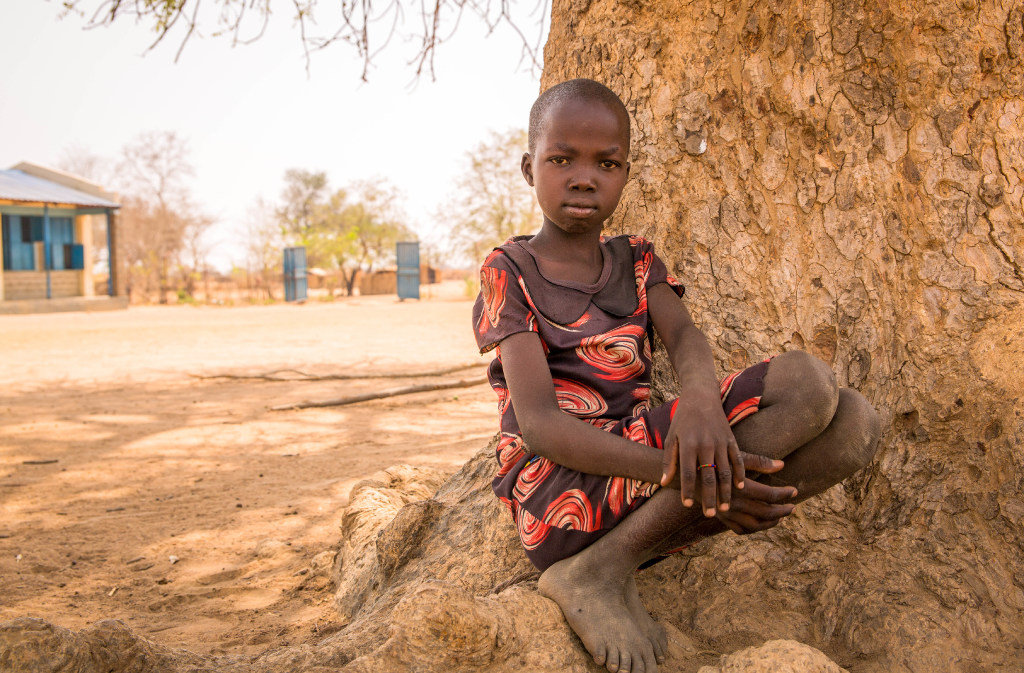
16-year-old girl Konjit is a grade 2 student in Wonago District. She says the impact of the COVID-19 pandemic is immense on students who have had to remain at home. “Remaining at home is very difficult. We put unnecessary pressure on our parents to provide us food and other necessities, but they can’t afford due to the ongoing socio-economic crisis,” she explains adding that “The food provision at this time is very important for us it will relive our parents' burden at least for this month and our worries as well.”
Project reports on GlobalGiving are posted directly to globalgiving.org by Project Leaders as they are completed, generally every 3-4 months. To protect the integrity of these documents, GlobalGiving does not alter them; therefore you may find some language or formatting issues.
If you donate to this project or have donated to this project, you can receive an email when this project posts a report. You can also subscribe for reports without donating.