By Cecil Laguardia | Communications Manager
The Greater Horn of Africa is experiencing first-hand complex interplay between the global climate crisis, conflict, and violence. Just two years after the devastating 2016/2017 drought, the region has over 30 million people in need and more than 8.1 million people are internally displaced.
The Food and Agriculture Organization of the United Nations had warned of Desert Locust invading Ethiopia and Somalia and spreading to other Eastern African nations, the situation is dire and despite control operations, an increasing number of swarms formed in eastern Ethiopia, Sudan, Somalia and spread into Kenya, where fears of spreading to Uganda and South Sudan are now imminent.
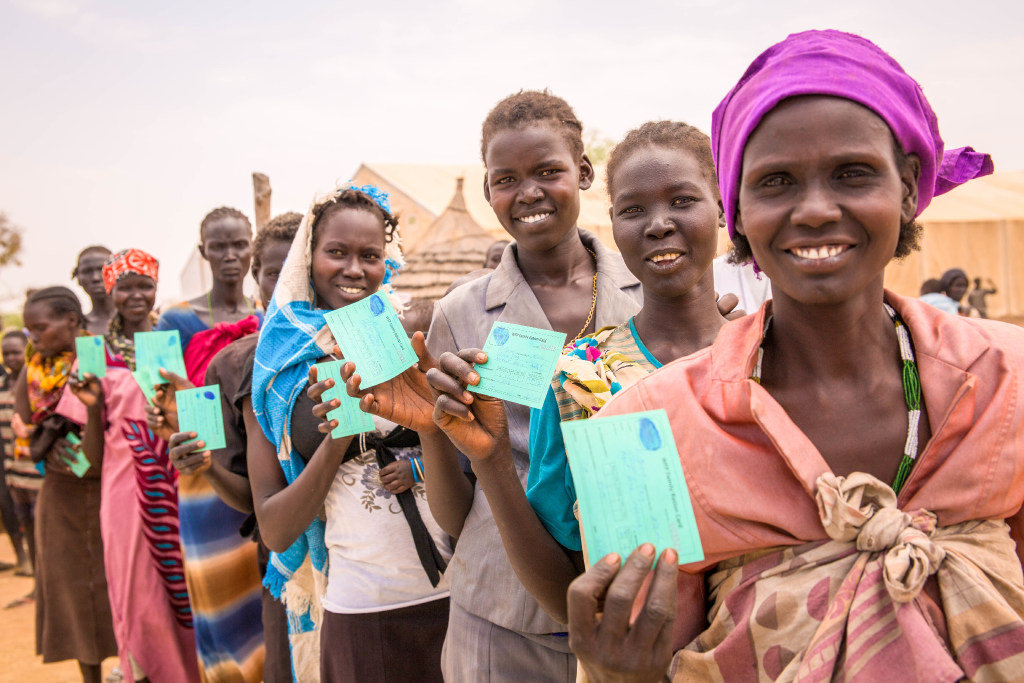
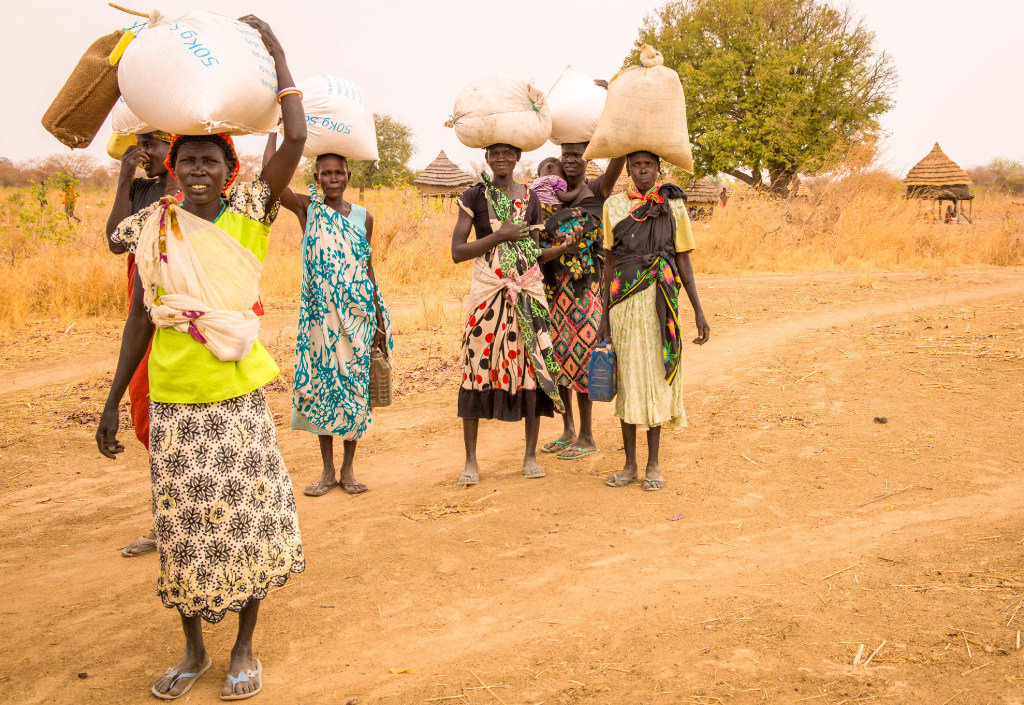
Through lifesaving and resilience building humanitarian responses, World Vision has managed to reach over 8 million vulnerable people within Eastern Africa region by the end of 2019. Sectors interventions included; food security and livelihood, water sanitiation & hygiene, nutrition, protection, education, health, food assistance, shelter and non-food items.
South Sudan
World Vision’s Country Programme Director Mesfin appeals for concerted efforts among agencies and a quick response to the locust swarm in South Sudan. " They need to act fast to assist communities that will be affected by the locusts impacting the already-fragile food supply in South Sudan is very high. Over 7 million are suffering from hunger and we do not want this disaster to happen and worsen the situation”, he appeals.
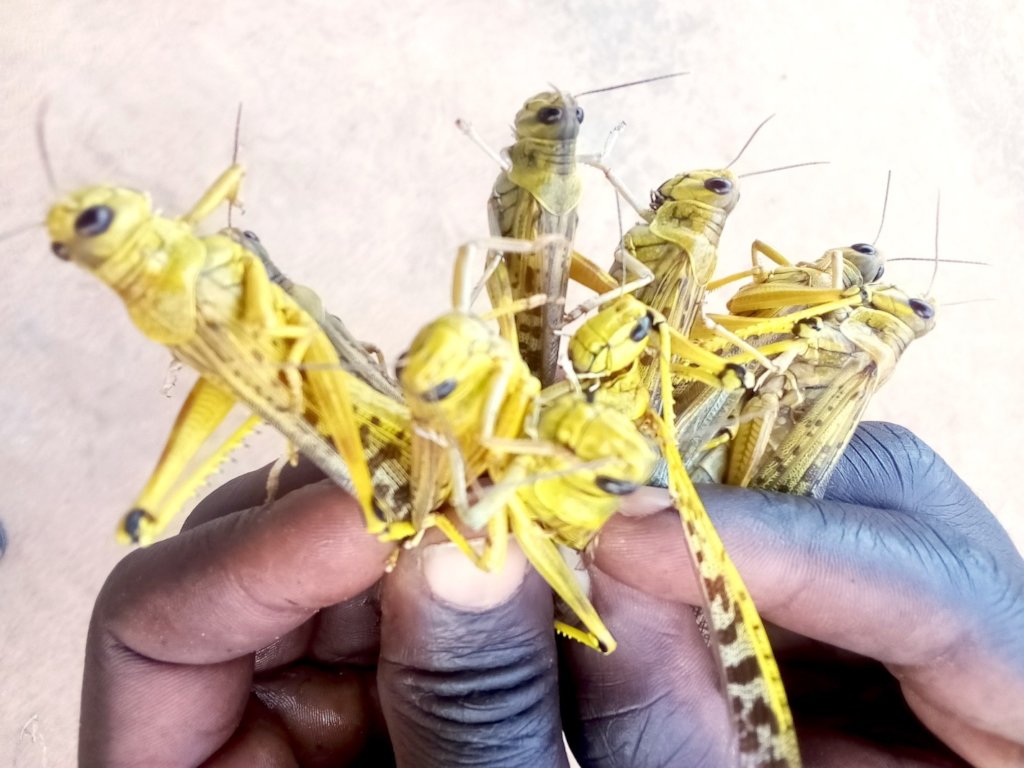
The Food and Agriculture Organization (FAO) has confirmed that an estimated 2,000 adult locust insects have moved into South Sudan. They are widely known as short-horned grasshoppers that can increase rapidly in numbers and migrate in destructive swarms.
Initial reports said the swarm started in a part of Eastern Equatoria State, where World Vision has two large projects assisting over 300,000 people highly dependent on farming for subsistence. This area is considered among the country’s breadbasket, one of the very few areas that produce adequate food meeting local needs.
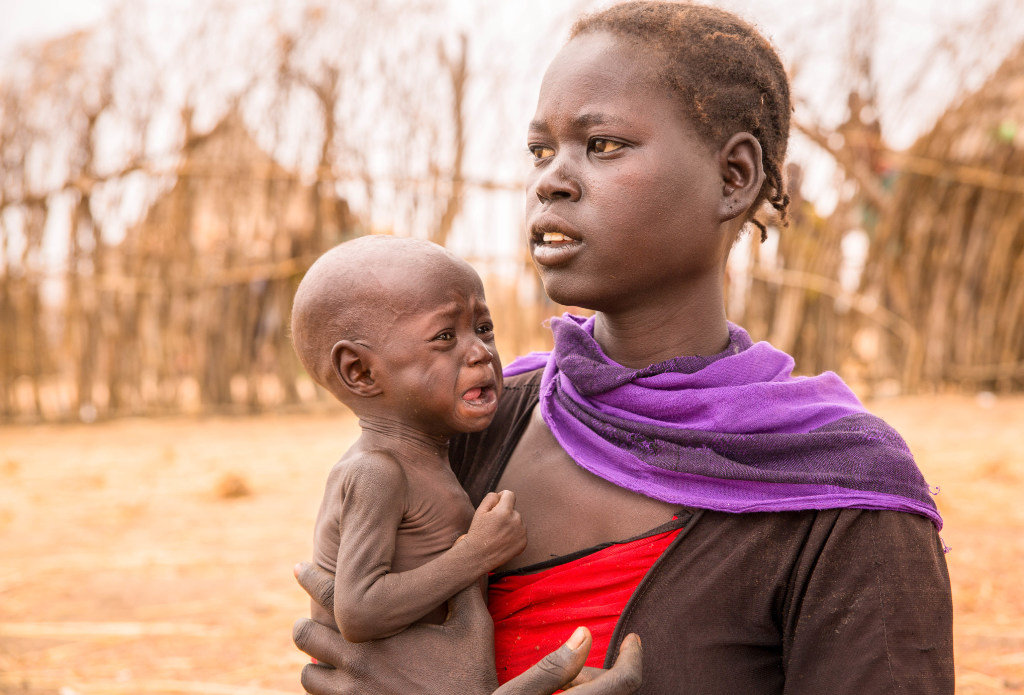
Molly, a 22-year old mother appeals for help to come soonest. She says, “The locusts came and we were all terrified as they increased in number. All of us are worried of hunger as they descend in our crops and gardens.”
To address the impending disaster the locusts can cause to communities, World Vision has launched an emergency response that will target and compliment the current locations where World Vision projects are being implemented.
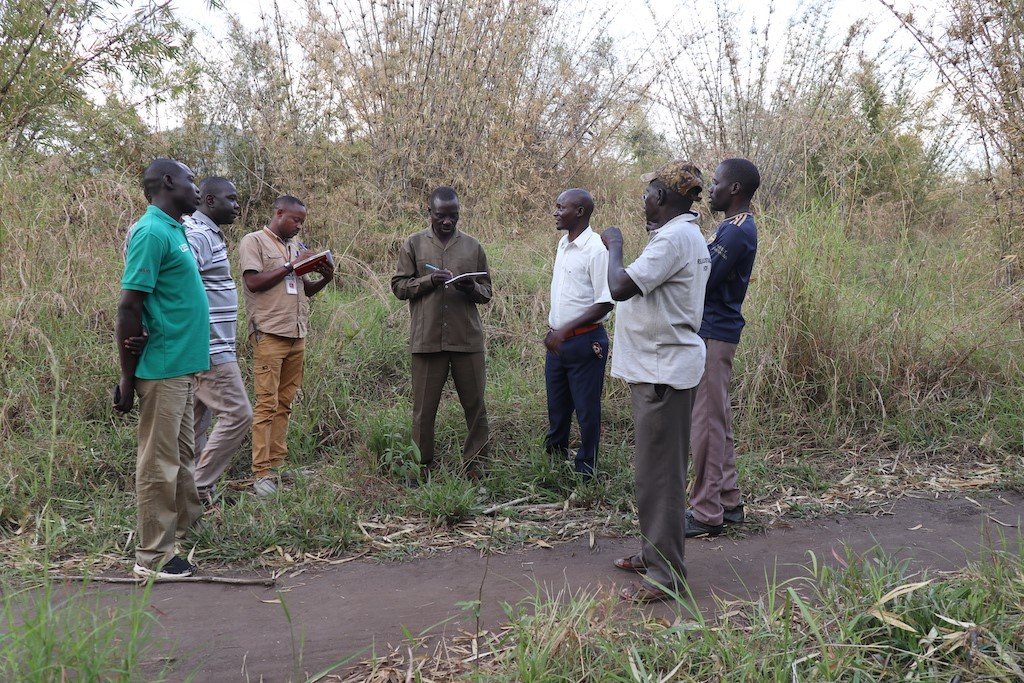
World Vision is part of the rapid assessment conducted last week that included representatives from the Ministry of Agriculture. The team gathered information from various sources on the ground, and checked the impact of the swarm in the areas and discuss measures with various stakeholders.
Current efforts to contain the locusts include aerial and ground spraying with bio-friendly insecticides by the government, community surveillance and reporting as well as physically chasing them away from crop fields.
Project reports on GlobalGiving are posted directly to globalgiving.org by Project Leaders as they are completed, generally every 3-4 months. To protect the integrity of these documents, GlobalGiving does not alter them; therefore you may find some language or formatting issues.
If you donate to this project or have donated to this project, you can receive an email when this project posts a report. You can also subscribe for reports without donating.