By Zipporah Kageha Karani | Communications Manager
Kipkoskei remembers all too well the prolonged drought of 2016 that adversely affected his community in Kenya. The scorching heat dried all vegetation, leaving in its trail bare cracked soils and dead or severely malnourished livestock.
Many people lost their animals, watching painfully as they suffered and died a slow death.
“Most people here are pastoralists. So without the animals, they were unable to provide food for their families, pay school fees and meet other household expenses,” he said.
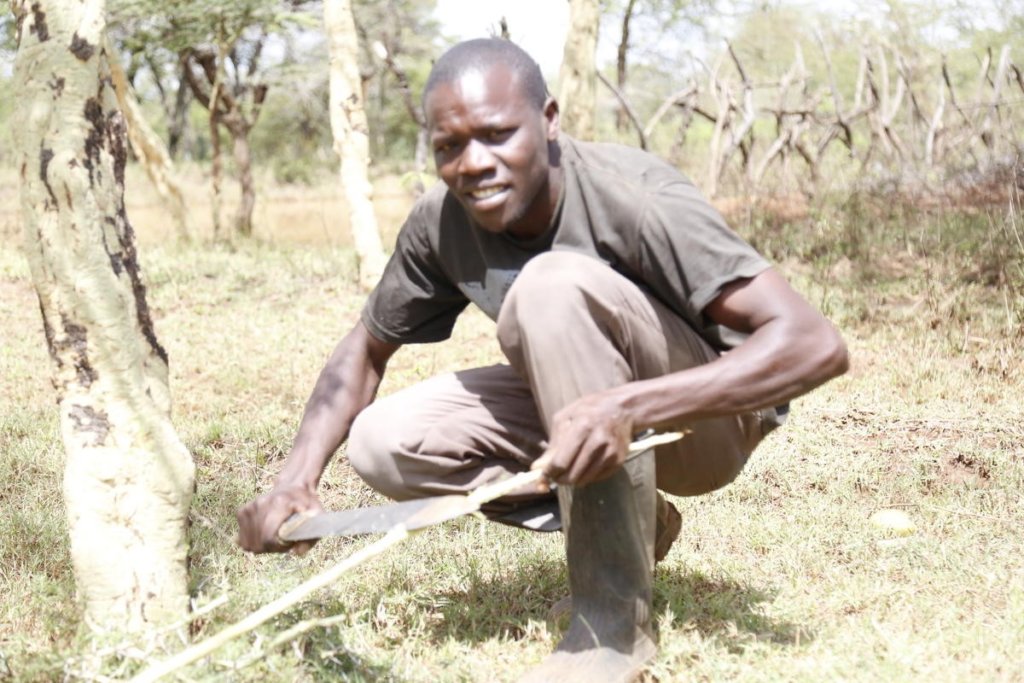
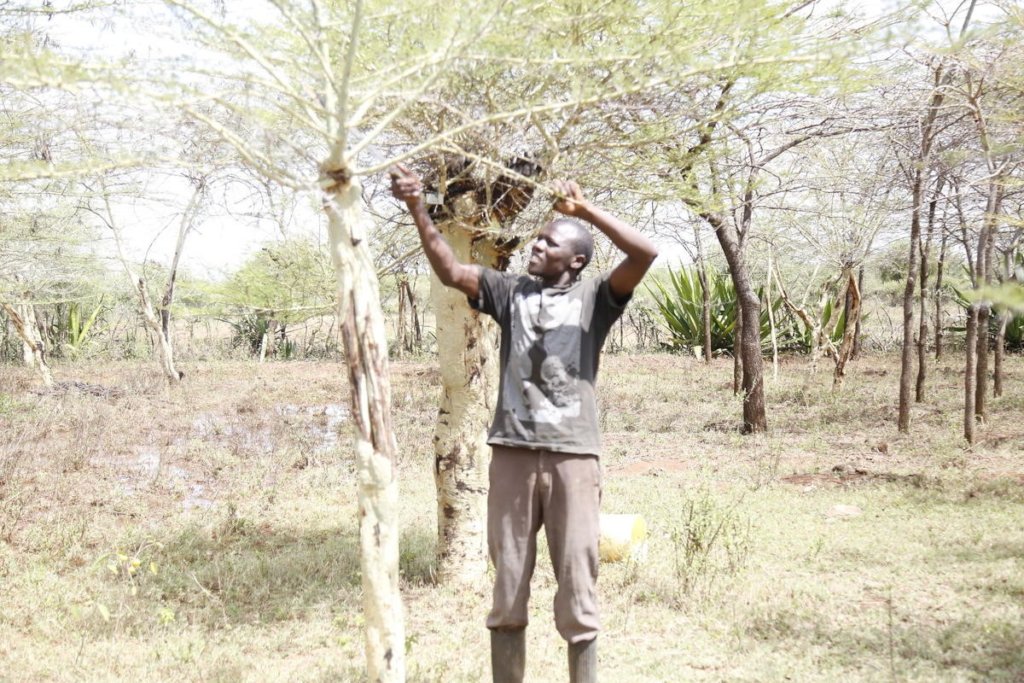
Luckily for Kipkoskei, his family – thanks to the knowledge and training received from World Vision Kenya. They had acacia trees in their farm that saved them from the agony.
“We fed animals on the barks of the tree, sometimes mixing it with dry grass that we had stored. This helped a lot as the cows were able to give us some milk and meat.”
As a result, Kipkoskei successfully completed his secondary education since his father raised school fees from selling the animal products.
His young nieces and nephews, staying with the family, were also well fed and catered for.
The acacia (Senegal species) is one of the indigenous trees that World Vision is promoting in Baringo County through its widely used and low-cost tree regeneration approach known as Farmer Managed Natural Regeneration (FMNR).
The innovative approach promotes the growth of trees from already existing tree stumps or naturally occurring tree seeds.
Festus Chirchir, a FMNR Scale-Up Project Manager at World Vision Kenya notes that the drought tolerant acacia trees offer an ideal and nutritious fodder for livestock during dry spells.
Their barks - comprising of the special gum Arabica - make the fodder palatable and easy to swallow, while at the same time hydrating the animals. Because the gum is also on high demand by food processing indus- tries, it can generate additional income for farmers.
Project reports on GlobalGiving are posted directly to globalgiving.org by Project Leaders as they are completed, generally every 3-4 months. To protect the integrity of these documents, GlobalGiving does not alter them; therefore you may find some language or formatting issues.
If you donate to this project or have donated to this project, you can receive an email when this project posts a report. You can also subscribe for reports without donating.